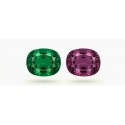
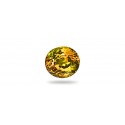
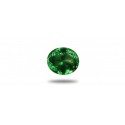
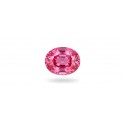
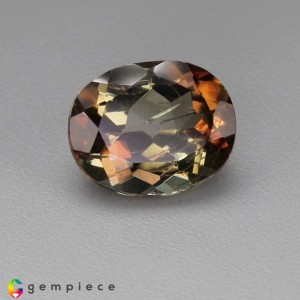
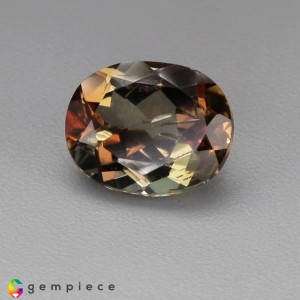
Buy Natural Andalusite – Trichroic Red and Green Gem Online
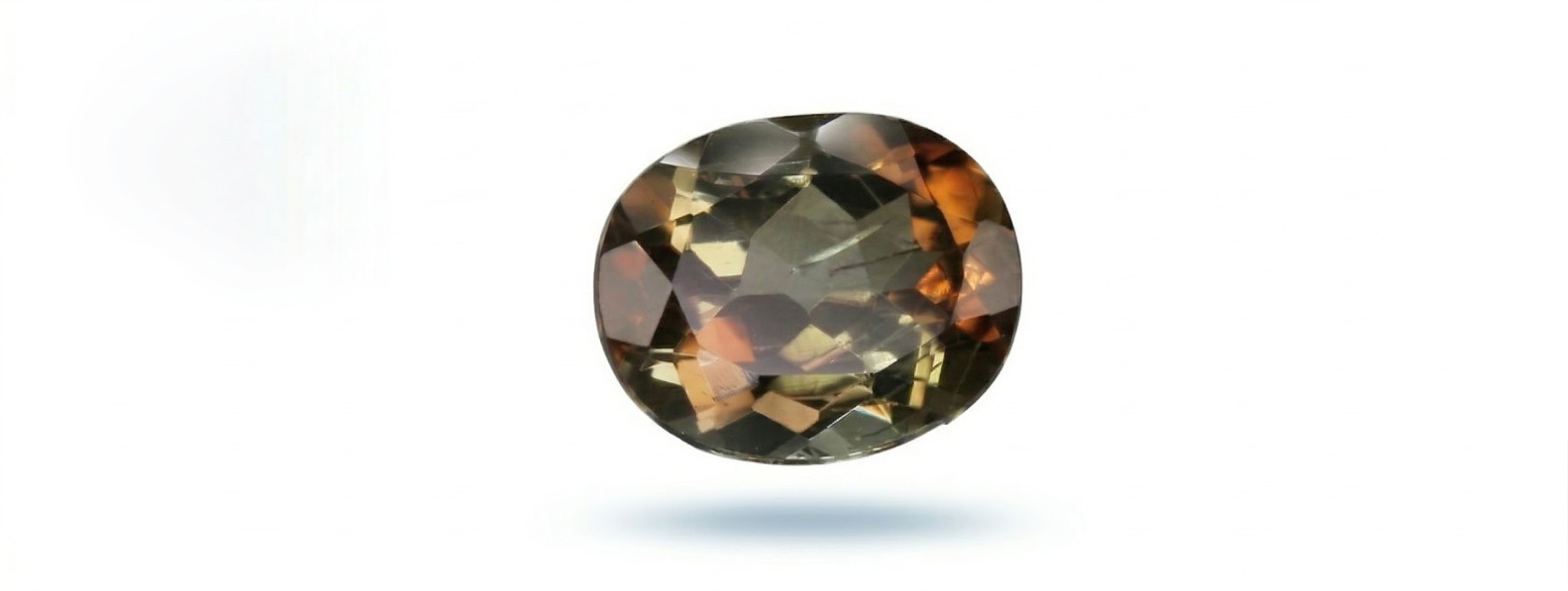
Andalusite is one of the most undervalued and underappreciated gemstones in the professional market — an aluminum silicate mineral with a natural trichroism so strong and distinctive that a single well-cut stone simultaneously displays three different colors — typically red, green, and yellow-brown — depending on the viewing angle and direction of light. Unlike alexandrite or diaspore, which change color under different light sources, andalusite displays its multiple colors simultaneously in the same stone under the same light, creating a mosaic of warm earthy tones that shifts as the stone is rotated. This multi-color optical character is entirely natural, inherent to the crystal structure, and impossible to replicate in any other gemstone species.
Read our complete andalusite gemstone guide (view collection) covering trichroism, the chiastolite variety, Brazil and Sri Lanka sources, hardness, and value — or explore our natural andalusite collection with full treatment disclosure.
Trichroism — Andalusite's Defining Property
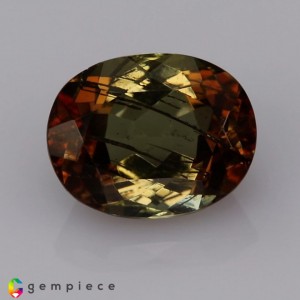
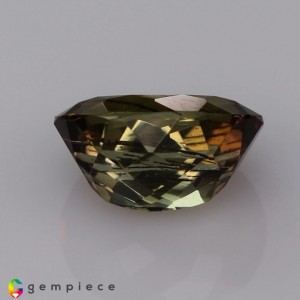
Andalusite is strongly trichroic, displaying three distinct colors along its three optical axes: typically a strong yellowish-green, a deep reddish-brown or red, and a near-colorless or pale yellow. A skilled lapidary cutting andalusite orients the table of the stone to capture both the red and green trichroic colors simultaneously in the face-up view — producing the characteristic mosaic of warm reddish-brown at the center and greenish around the edges, or vice versa, that is the hallmark of a well-cut andalusite. This multi-color face-up appearance has no equivalent in any other commercial gemstone and gives andalusite a uniquely dynamic visual character.
The trichroism in andalusite is so well-recognized that the stone was historically nicknamed the "poor man's alexandrite" — a misleading comparison, since andalusite does not change color under different light sources but rather displays multiple colors simultaneously from the same light. Andalusite's optical behavior is distinct from and arguably more visually complex than a simple color change.
Color Range and Varieties
Andalusite occurs in a range of naturally occurring body colors from yellowish-green and olive through reddish-brown, orange-brown, and earthy red to occasionally pink. The trichroic colors observed in a cut stone depend on the base color of the crystal and the cutting orientation. The most commercially desirable andalusite displays strong simultaneous red and green trichroism — the vivid contrast between these two colors in a single stone is what the market prizes most. Brown-dominant material with less distinct trichroism is less valuable. Rare blue andalusite from Belgium is known but is an exceptional collector's variety rather than a commercial gemstone. Colorless andalusite is also documented from Brazil and Sri Lanka.
Chiastolite is a variety of andalusite distinguished by dark carbonaceous inclusions arranged in a symmetrical cross-shaped pattern through the crystal — a naturally occurring formation visible when the crystal is cut perpendicular to its length. Chiastolite is opaque and is used as a cabochon and specimen stone rather than a faceted gem, but it is mineralogically identical to faceted andalusite and has its own collector following.
Origins and Sources
Brazil is the primary and most commercially significant source of gem-quality faceted andalusite, producing material with the strongest trichroism and the most attractive color combinations. The finest Brazilian andalusite — with vivid simultaneous red and green face-up appearance — represents the benchmark quality for the species. Sri Lanka produces colorless and lightly colored andalusite of facetable quality. Spain — the country after which andalusite is named, having been first described from the Andalusia region — produced the type locality material but is not a significant commercial source. Other sources include Australia, Russia, China, France, and the United States.
Hardness and Durability
Andalusite measures 7 to 7.5 on the Mohs hardness scale with a specific gravity of 3.05 to 3.21 — practical durability for all standard jewelry applications. The refractive index of 1.627 to 1.650 provides good brilliance in well-cut stones. Cleavage is poor in one direction — much less of a concern than the perfect cleavage of topaz or feldspar. This combination of hardness, reasonable toughness, and unique optical character makes andalusite one of the most practically undervalued gems in the collector market.
Treatment Status
Andalusite is generally not treated. The colors and trichroism are entirely natural and require no enhancement. Natural untreated status is standard for the species and is an important attribute for collectors who prioritize natural gemstones. GemPiece provides full treatment disclosure on every andalusite stone.
Value and Buying Considerations
The strength and attractiveness of the trichroic color display is the primary value driver for andalusite. Stones showing vivid simultaneous red and green in face-up view — achieved through skilled cutting orientation — command the highest prices. Size is a secondary factor — transparent andalusite above 5 carats becomes increasingly rare, and the 28.3-carat Brazilian specimen in the Smithsonian Institution represents the museum quality tier. Eye-clean clarity, well-proportioned cutting that maximizes trichroism, and Brazilian origin all contribute to premium value. Andalusite remains significantly underpriced relative to its optical qualities — an opportunity for collectors who recognize what the market has not yet fully valued.
Explore Related Pleochroic and Collector Gemstones
Collectors of pleochroic and multi-color gemstones may also appreciate
sphene (view collection),
kornerupine (view collection), and
diaspore (view collection).
Frequently Asked Questions
What is andalusite gemstone?
Andalusite is an aluminum silicate mineral (Al₂SiO₅) named after the Andalusia region of Spain where it was first described. It is prized for its extraordinary natural trichroism — the simultaneous display of three distinct colors (typically red, green, and yellow-brown) in a single stone depending on viewing angle.
What makes andalusite special?
Andalusite's strong trichroism means a single well-cut stone displays multiple colors simultaneously — most notably vivid red and green at the same time in face-up view. This multi-color character is unique to andalusite among commercial gemstones and is entirely natural.
Is andalusite the same as alexandrite?
No. Alexandrite changes color under different light sources (from green to red). Andalusite displays multiple colors simultaneously under the same light due to trichroism. They are completely different minerals with different optical mechanisms. Andalusite was historically called "poor man's alexandrite" — a misleading nickname.
Is andalusite treated?
No. Andalusite is generally not treated. The trichroism and natural colors require no enhancement. Untreated natural status is standard for the species.
Where is the best andalusite from?
Brazil produces the finest gem-quality andalusite with the strongest and most attractive trichroism. Sri Lanka is a secondary source. The mineral was first described from Spain but Spain is not a significant commercial source.
What is chiastolite?
Chiastolite is a variety of andalusite with dark carbonaceous inclusions naturally arranged in a cross-shaped pattern within the crystal. It is mineralogically identical to faceted andalusite but is opaque and used as a cabochon and specimen stone.
Is andalusite durable for jewelry?
Yes. Mohs hardness 7 to 7.5 with poor cleavage makes andalusite suitable for all standard jewelry applications including rings, pendants, and earrings with standard care.