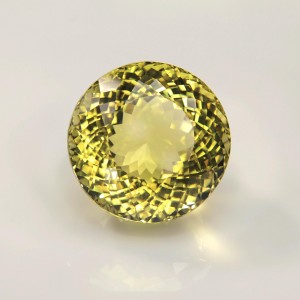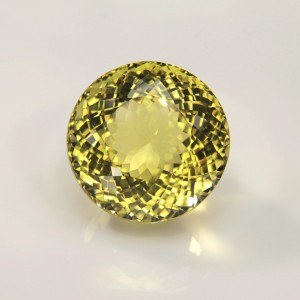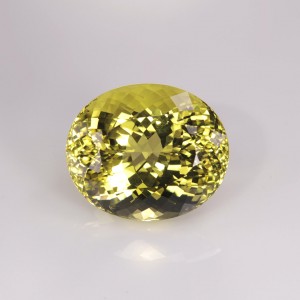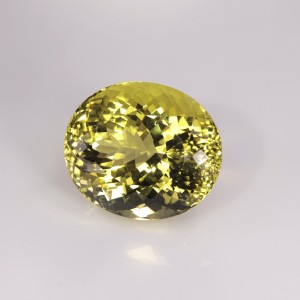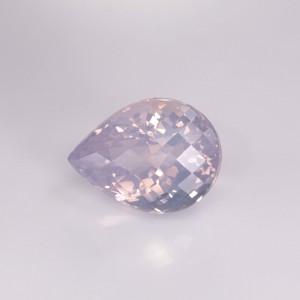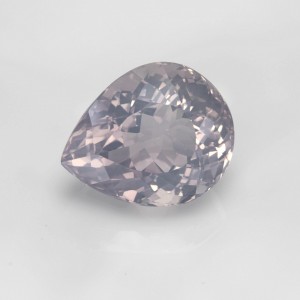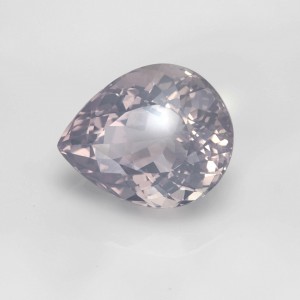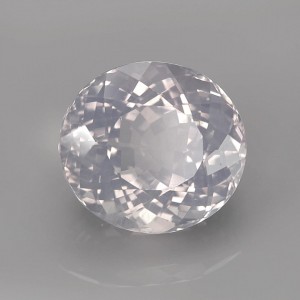
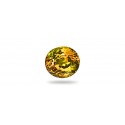
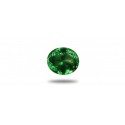
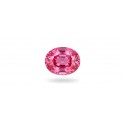
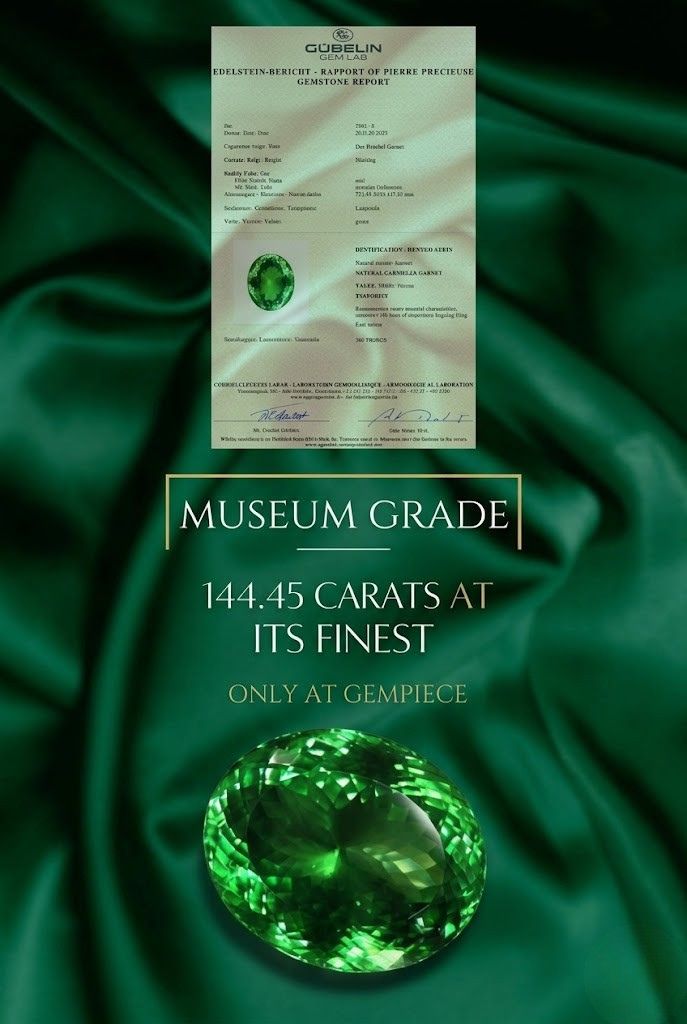
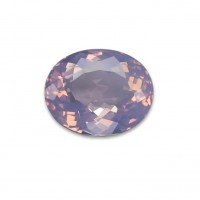
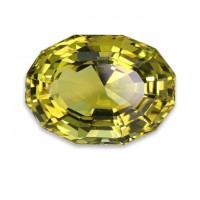
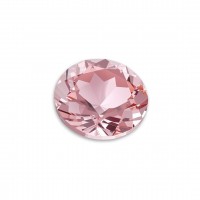
Buy Natural Quartz – Lavender, Lemon - Prasiolite and Rose Quartz
Quartz is the most abundant mineral on Earth's continental crust and the parent species of one of gemology's most diverse and commercially significant families. Within the macrocrystalline quartz category — where individual crystals are large enough to be seen and faceted — the gem varieties include rock crystal (colorless), amethyst (purple), citrine (yellow-orange), smoky quartz (brown-grey), rose quartz (pink), prasiolite (green), lavender quartz, and the rare bicolor ametrine. Each variety has its own color origin, source profile, treatment landscape, and market positioning. At GemPiece we offer the full range of natural quartz varieties with complete treatment disclosure — ensuring every buyer understands exactly what they are purchasing.
Read our complete quartz gemstone guide (view collection) covering mineralogy, all major varieties, and value — or explore specific varieties: lavender quartz (view collection), prasiolite (green quartz) (view collection), and rose quartz (view collection).
Lavender Quartz
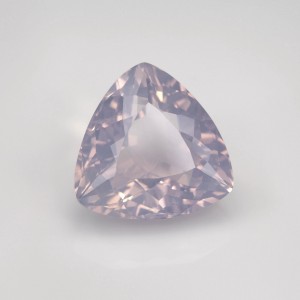
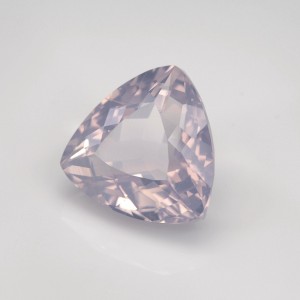
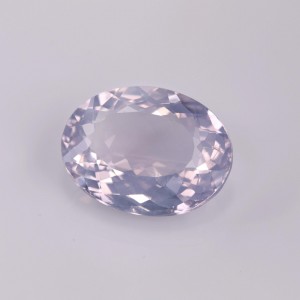
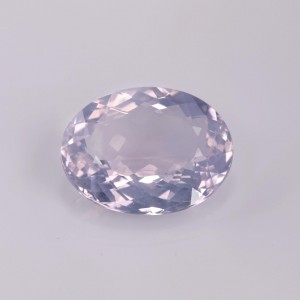
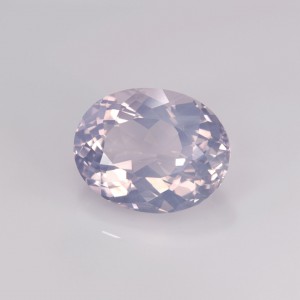
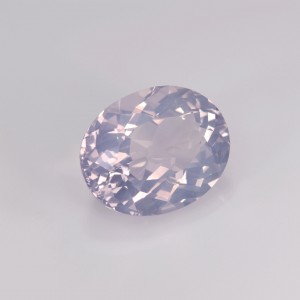
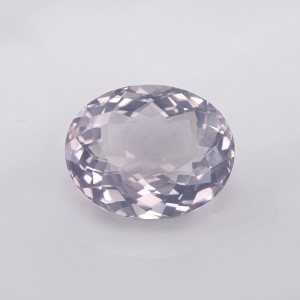
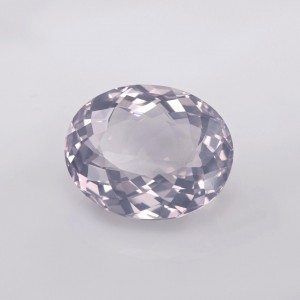
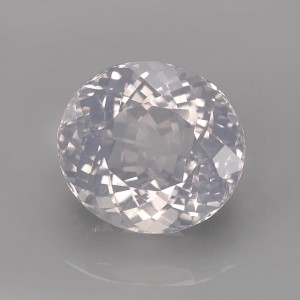
Lavender quartz is a pale violet to soft lavender variety of macrocrystalline quartz, valued for its delicate, muted color that sits between the purple of amethyst and the grey of smoky quartz. Natural lavender quartz derives its color from trace iron in a specific structural configuration, or from a combination of color centers that produces the characteristic cool, soft lavender tone. The color is subtle and feminine, with a gentleness that distinguishes it from more saturated amethyst. Natural lavender quartz from Brazil and Madagascar offers a distinctive color option within the quartz family for collectors and jewelry designers seeking something softer than standard amethyst.
Explore our lavender quartz collection (view collection).
Prasiolite — Green Quartz
Prasiolite is the natural or heat-treated green variety of macrocrystalline quartz — a pale to medium green stone that is sometimes marketed as "green amethyst," though this name is technically a misnomer since amethyst by definition is purple. Most prasiolite in the commercial market is produced by heat-treating certain iron-bearing amethyst from Brazil at temperatures around 500 degrees Celsius, which converts the purple color centers to pale green. A small quantity of naturally green prasiolite exists — primarily from the Lower Silesia region of Poland and a locality in Brazil — but natural prasiolite is rare and the market is dominated by heat-treated product. When properly disclosed as heat-treated, prasiolite is a legitimate and attractive commercial gemstone with a unique and pleasant green.
Explore our prasiolite collection (view collection).
Rose Quartz
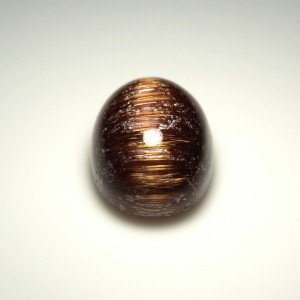
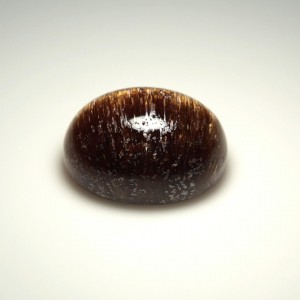
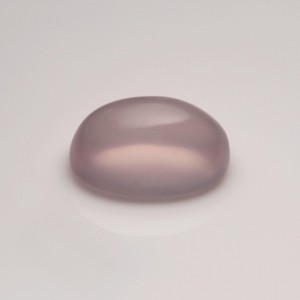
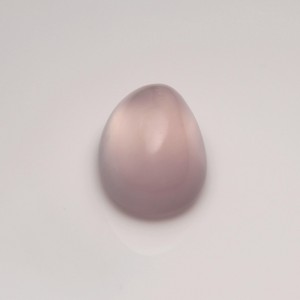
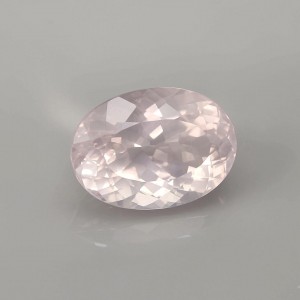
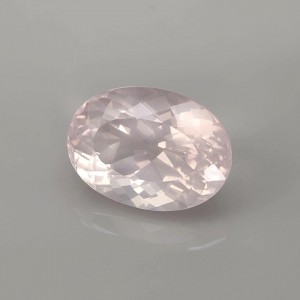
Rose quartz is the pink variety of macrocrystalline quartz — one of the most widely recognized and commercially popular colored gemstones globally, valued for its soft, romantic pink color, availability in large sizes, and accessible price point. The pink color in rose quartz is produced by microscopic inclusions of pink dumortierite or similar mineral fibers distributed through the crystal, creating a characteristic translucent to semi-transparent appearance rather than full transparency. Truly transparent faceted rose quartz is uncommon — most rose quartz is worked as cabochons or carved material. The finest rose quartz for cabochon use comes from Madagascar and Brazil. Star rose quartz — displaying asterism from aligned rutile inclusions — is a prized variety among collectors.
Explore our rose quartz collection (view collection).
Hardness and Durability Across All Quartz Varieties
All macrocrystalline quartz varieties share identical physical properties: Mohs hardness 7, specific gravity 2.65, refractive index 1.544 to 1.553, trigonal crystal system, and no cleavage (conchoidal fracture). These properties make all quartz gemstones practical, durable choices for all jewelry applications including everyday rings, pendants, earrings, and bracelets. The absence of cleavage gives quartz excellent toughness. The universal hardness of 7 provides good scratch resistance for daily wear.
Treatment Disclosure Across the Quartz Family
Treatment disclosure is critical within the quartz family because several varieties are routinely produced by heat-treating more abundant starting materials. Citrine is typically heat-treated amethyst. Prasiolite is typically heat-treated amethyst. Some blue quartz is produced by irradiation. Natural rose quartz and natural lavender quartz require no treatment. GemPiece clearly distinguishes natural from treated quartz varieties across the entire collection.
Explore Related Quartz and Transparent Gemstones
citrine (view collection), amethyst (view collection), and ametrine (view collection).
Frequently Asked Questions
What are the main varieties of gem quartz?
The main macrocrystalline gem quartz varieties are: rock crystal (colorless), amethyst (purple), citrine (yellow-orange), smoky quartz (brown-grey), rose quartz (pink), prasiolite (green), lavender quartz (soft violet), and ametrine (natural bicolor amethyst-citrine). Each has its own color origin and market profile.
What is lavender quartz?
Lavender quartz is a pale violet to soft lavender variety of macrocrystalline quartz with a delicate, muted color between amethyst and smoky quartz in tone. The soft, cool lavender color is distinct from more saturated amethyst and is naturally occurring in material from Brazil and Madagascar.
What is prasiolite?
Prasiolite is the green variety of quartz. Most commercial prasiolite is heat-treated amethyst from Brazil. Natural prasiolite is rare, occurring primarily in Poland and a small Brazilian locality. When properly disclosed as heat-treated, prasiolite is a legitimate and attractive commercial gemstone.
Is green amethyst the same as prasiolite?
Yes, "green amethyst" is a marketing name for prasiolite — technically a misnomer since amethyst by definition is purple quartz. The correct gemological name is prasiolite. The green color is produced by heat-treating certain iron-bearing amethyst.
Is rose quartz transparent?
Most rose quartz is translucent to semi-transparent rather than fully transparent, due to microscopic pink mineral fiber inclusions distributed through the crystal. Truly transparent faceted rose quartz is uncommon. Most rose quartz is worked as cabochons or carved material.
Are all quartz gemstones durable?
Yes. All macrocrystalline quartz shares Mohs hardness 7 with no cleavage — making all quartz varieties practical and durable for all jewelry applications including everyday wear.
Clear ✖