Buy Natural Alexandrite Gemstones Online
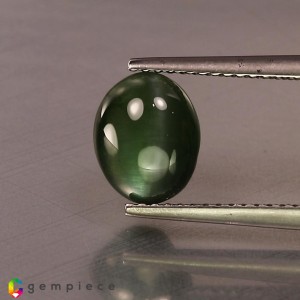
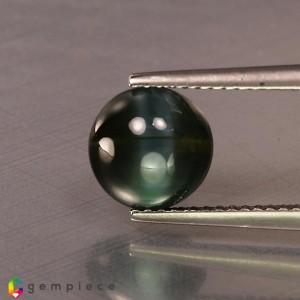
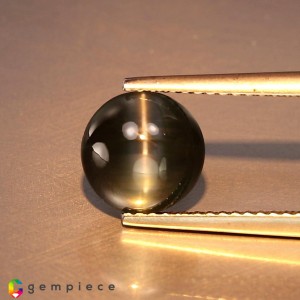
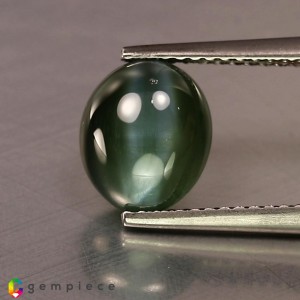
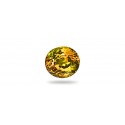
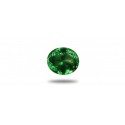
Alexandrite is one of the rarest and most extraordinary gemstones in the world, celebrated for its dramatic color change from vivid green in daylight to red or purplish-red under incandescent light. Named after Tsar Alexander II of Russia and first discovered in the Ural Mountains in 1834, alexandrite has captivated collectors, gem professionals, and jewelry connoisseurs for nearly two centuries.
Explore our natural alexandrite gemstone collection, featuring carefully selected stones from Brazil, India, and other premier origins with full treatment disclosure on every stone.
The Color Change Phenomenon
The defining characteristic of alexandrite is its remarkable color change — a phenomenon caused by the presence of chromium in its crystal structure, along with traces of iron and titanium. Chromium causes the stone to absorb certain wavelengths of light differently depending on the light source, producing dramatically different colors under different conditions.
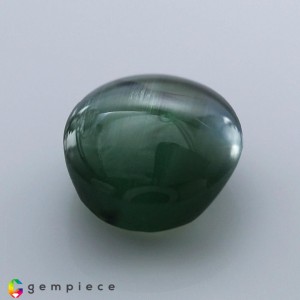
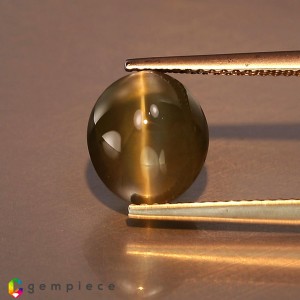
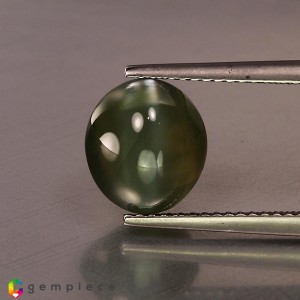
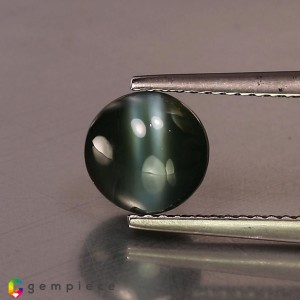
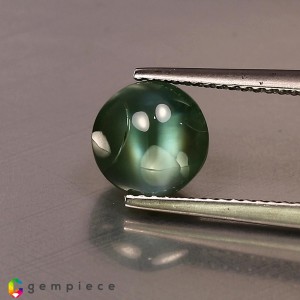
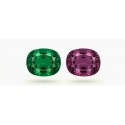
In daylight or fluorescent light, alexandrite appears green to bluish-green. Under incandescent or candlelight, the same stone transforms to red, raspberry red, or purplish-red. This is why alexandrite is famously described in the trade as "emerald by day, ruby by night." The stronger, more complete, and more vivid the color change, the more valuable the stone.
The color change is measured as a percentage of completeness. Top-quality alexandrite achieves close to 100% color change — meaning the stone shifts fully and cleanly between its two color states with no muddiness or residual intermediate tone.
Origin Quality — Ranked by Experience
Not all alexandrite is equal, and origin plays a defining role in color change quality, color direction, and market value. Based on direct sourcing experience across multiple origins, here is how alexandrite quality ranks in the current market:
Brazil produces the finest alexandrite in the world. Brazilian material — particularly from Minas Gerais — displays a vivid bluish-green to purplish-red or purplish-pink color change that is close to 100% complete in top-quality stones. The color in both states is exceptionally vivid and clean with no muddy or brownish tones. Brazilian alexandrite of fine quality is now extremely scarce and commands prices of several tens of thousands of dollars per carat. Availability in the market is very limited.
India produces the second finest alexandrite, with a green to purplish-pink color change that is very good — not quite reaching the completeness of Brazilian material, but impressive by any standard. Indian alexandrite has become significantly more expensive in recent years due to high demand and very limited supply. It was once more accessible but is now difficult to source in good quality.
Sri Lanka produces alexandrite with a yellowish-green base color and a weaker color change compared to Brazil and India. The color shift is visible but less dramatic, and Sri Lankan material is priced accordingly — below both Brazil and India.
Africa produces alexandrite in yellowish-honey to yellowish-green tones with very limited color change. African material represents the entry-level tier of the alexandrite market and is priced significantly below the top two origins.
Natural vs Lab-Grown Alexandrite
The alexandrite market is currently flooded with lab-grown and synthetic material. Lab-grown alexandrite is widely available, significantly cheaper, and visually similar to natural material — making it critical for buyers to verify natural origin before purchasing.
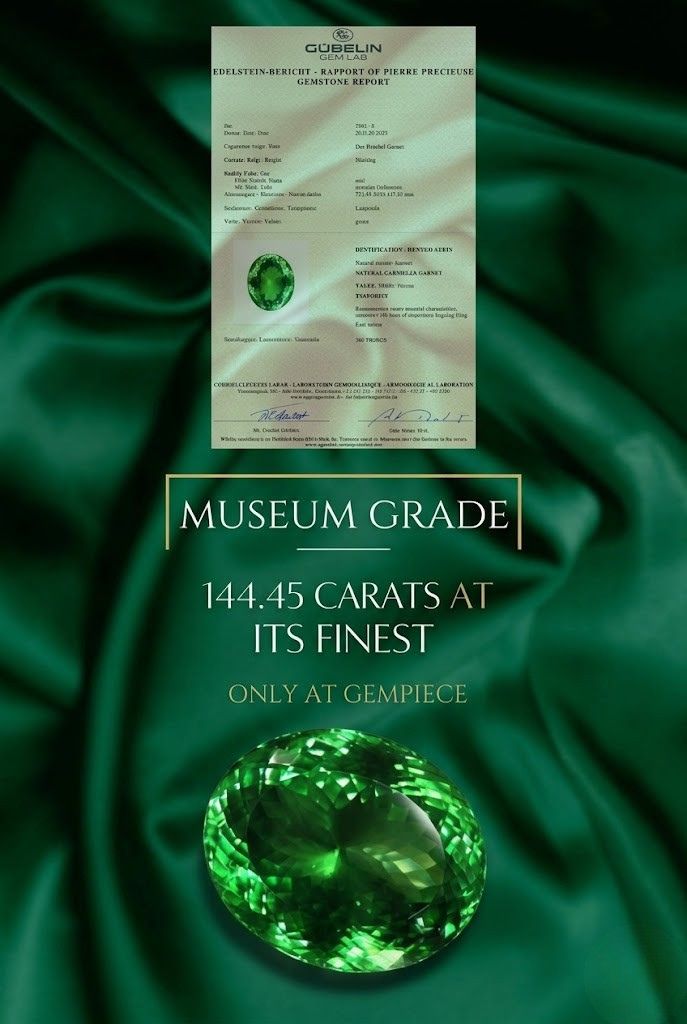
Always insist on a certificate from a recognized gemological laboratory — GIA, Gübelin, AIGS, GRS, or GIT — for any alexandrite purchase. Laboratory certification is the only reliable way to confirm natural origin. At GemPiece, all alexandrite is 100% natural. We do not sell synthetic or lab-grown material.
Clarity and Rarity
Alexandrite is a Type II clarity gemstone, meaning some inclusions are naturally expected. Eye-clean alexandrite — free of visible inclusions to the naked eye — is extremely rare, particularly above one carat. Finding a loupe-clean alexandrite above half a carat is statistically exceptional.
The geological formation of alexandrite requires beryllium and chromium to be present simultaneously in the same rock — elements that rarely occur together. This geological rarity is why fine alexandrite is significantly scarcer than emerald, ruby, or sapphire in comparable quality.
Size and Value
Alexandrite value increases dramatically with size. Above one carat, prices per carat rise steeply for high-quality stones. Fine Brazilian alexandrite above one carat with strong color change and good clarity commands prices that few other gemstones can match. Stones with blurry, hazy, or heavily included bodies — regardless of origin — are significantly lower in value.
Alexandrite Cat's Eye
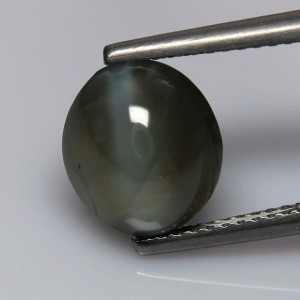
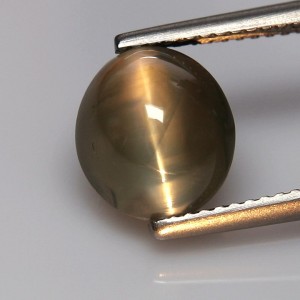
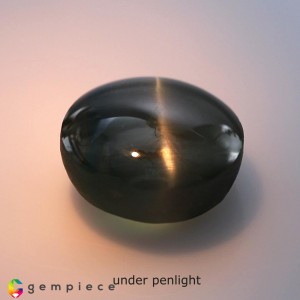
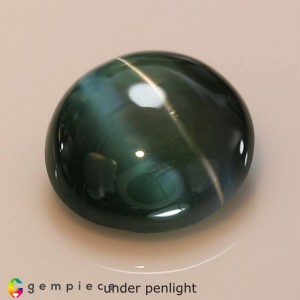
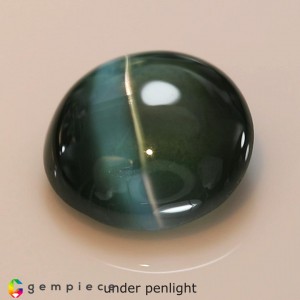
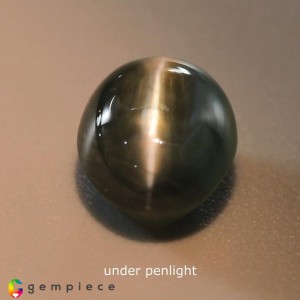
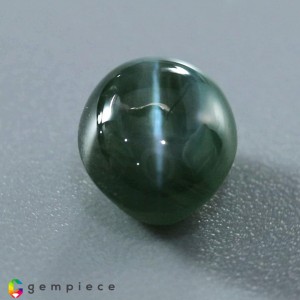
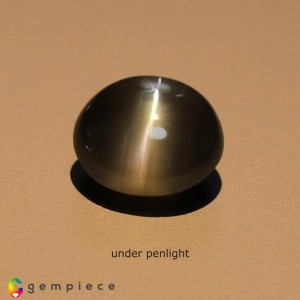
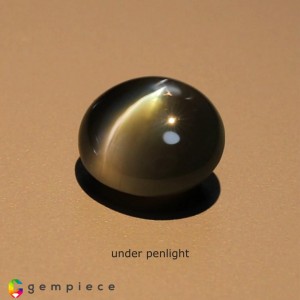
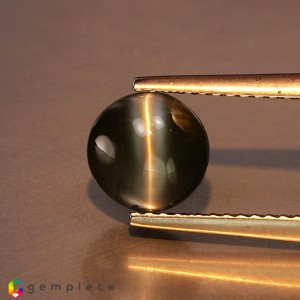
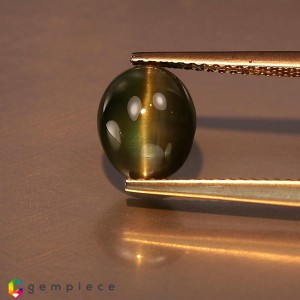
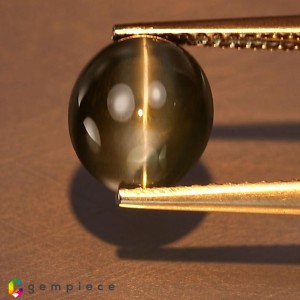
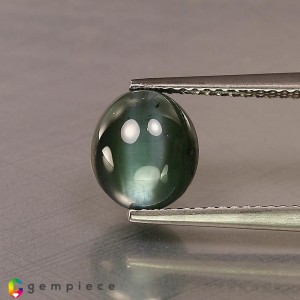
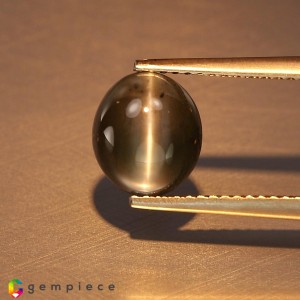
A rare and exceptional form of alexandrite is alexandrite cat's eye (view collection), which combines the color change phenomenon with chatoyancy. These stones display both a color shift and a sharp moving eye across the cabochon surface — making them among the rarest gemstones available anywhere in the market. See our dedicated page for full details.
Related Varieties
Alexandrite belongs to the chrysoberyl family (view collection), which also includes chrysoberyl cat's eye (view collection) — the finest chatoyant gemstone in the world. All chrysoberyl varieties share the same exceptional hardness of 8.5 on the Mohs scale.
Hardness and Durability
Alexandrite measures 8.5 on the Mohs hardness scale, making it one of the most durable colored gemstones available. It is well suited for all jewelry applications including rings, pendants, and earrings.
Value and Buying Considerations
The value of alexandrite is primarily determined by the strength and completeness of the color change, followed by color quality in both states, clarity, size, and origin. Brazilian material with close to 100% color change and good clarity represents the absolute top of the market. Always purchase with laboratory certification and from a trusted source with full disclosure of origin and treatment status.
GemPiece sources alexandrite directly from origin, cuts in-house, and provides full treatment and origin disclosure for every stone.
Explore Related Color Change Gemstones
Explore other natural color change gemstones including color change garnet (view collection) and color change sapphire (view collection).
Frequently Asked Questions
What is alexandrite?
Alexandrite is the color-change variety of chrysoberyl. It appears green to bluish-green in daylight and shifts to red or purplish-red under incandescent light. It is one of the rarest and most valuable gemstones in the world.
Which alexandrite origin is the best?
Brazil produces the finest alexandrite, with a vivid bluish-green to purplish-red color change approaching 100% completeness. India produces the second finest material with a strong green to purplish-pink change. Sri Lanka and Africa produce material with weaker color changes at lower price points.
How can I tell natural alexandrite from lab-grown?
Visual inspection alone cannot reliably distinguish natural from lab-grown alexandrite. Always request a certificate from a recognized gemological laboratory such as GIA, Gübelin, or GRS to confirm natural origin.
What is a good color change percentage for alexandrite?
Top-quality alexandrite achieves close to 100% color change — a complete, clean shift between its two color states. Stones with 80% or above are considered high quality. Stones with weak or muddy transitions are significantly lower in value.
Is alexandrite expensive?
Yes. Fine natural alexandrite is among the most expensive colored gemstones per carat. Top Brazilian material above one carat can command prices of several tens of thousands of dollars per carat. Lab-grown alexandrite is available at much lower prices but has no collector value.
Does alexandrite exist in cat's eye form?
Yes, but it is exceptionally rare. Alexandrite cat's eye combines both color change and chatoyancy in a single stone — making it one of the rarest gemstones in the world.
Is alexandrite durable enough for everyday jewelry?
Yes. With a hardness of 8.5 on the Mohs scale, alexandrite is highly durable and suitable for all jewelry types including rings.
Clear ✖