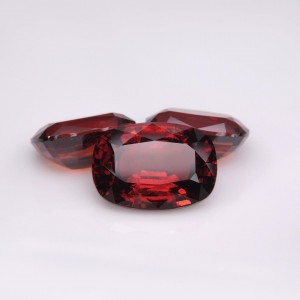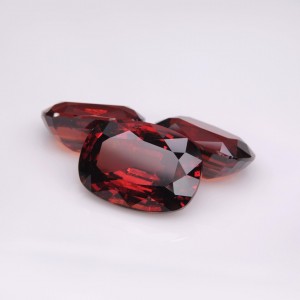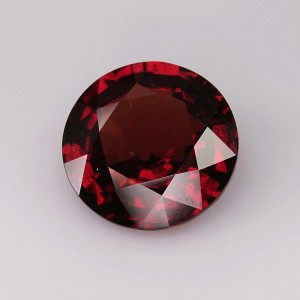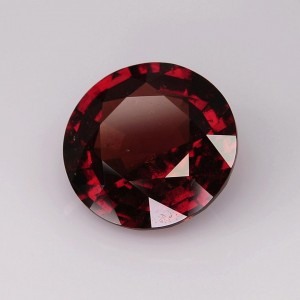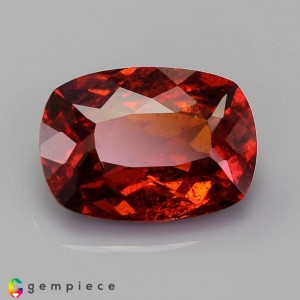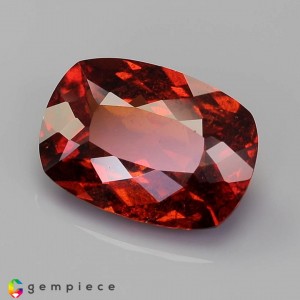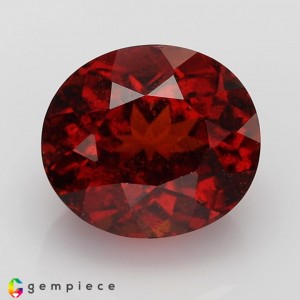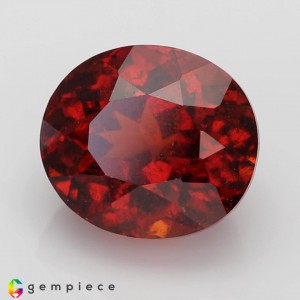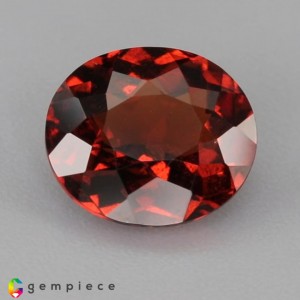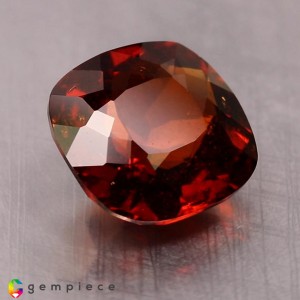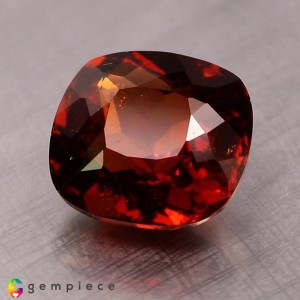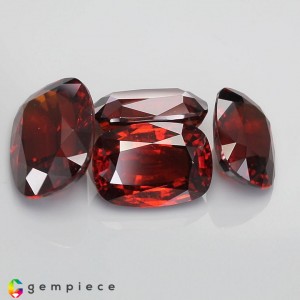
Buy Natural Hessonite Garnet Gemstones Online
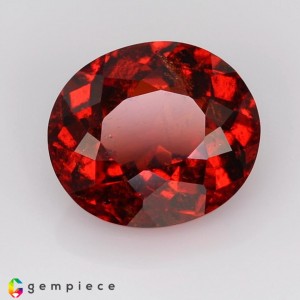
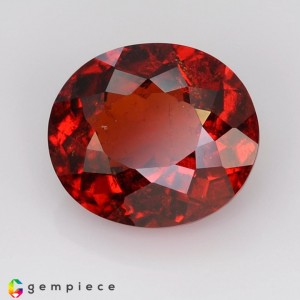
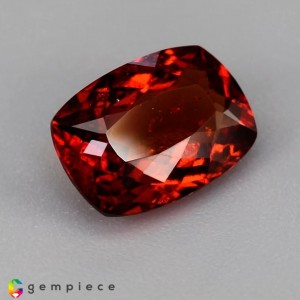
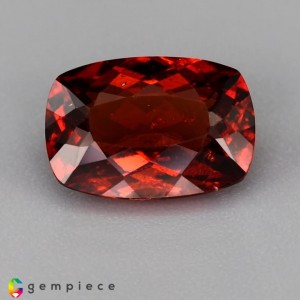
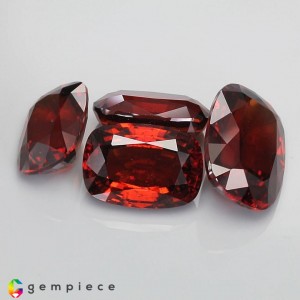
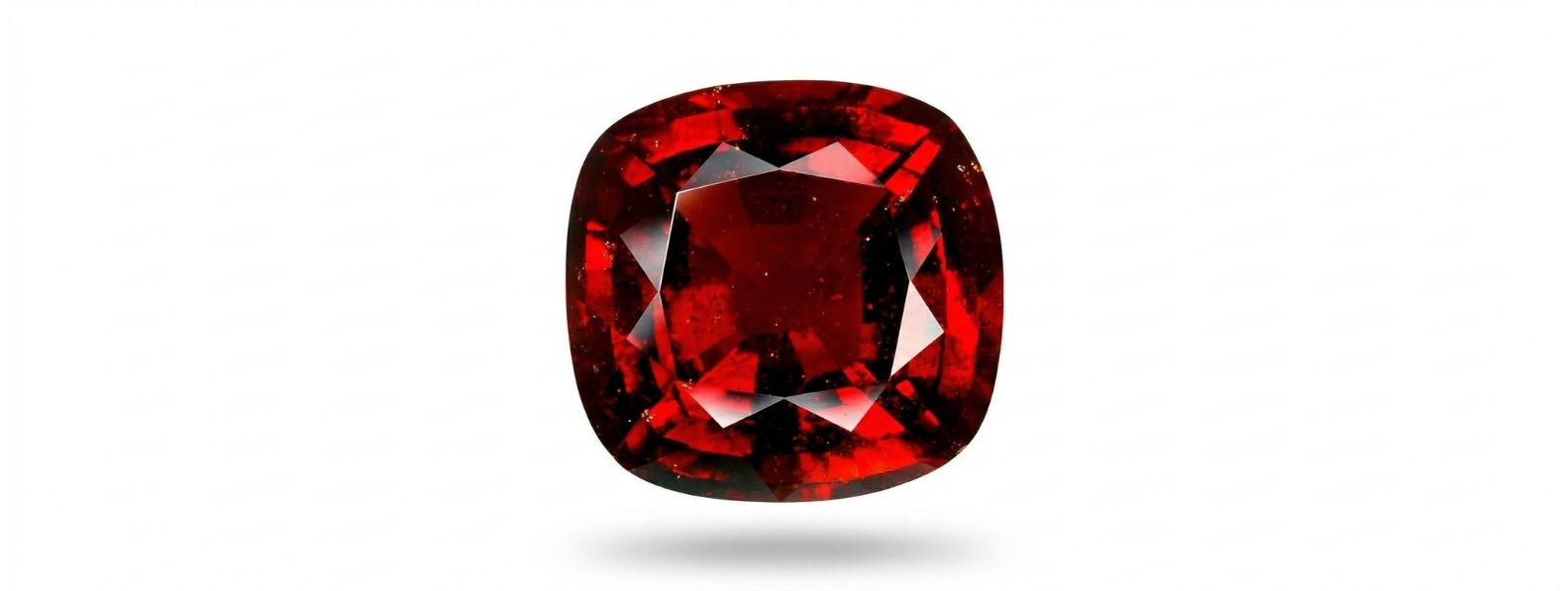
Hessonite garnet is one of the most immediately recognizable gemstones in the orange color family, valued not just for its rich cinnamon-to-honey color but for a visual depth and character that photographs struggle to convey. No other natural gemstone in the orange spectrum looks quite like hessonite — its warm, softly glowing internal light and the subtle heat-wave texture that seems to shimmer within the stone give it a presence that is uniquely its own. For buyers who have seen hessonite in person, the variety is immediately memorable. For those who have not, it consistently surprises and captivates when encountered for the first time.
Hessonite is a variety of grossular garnet, a calcium aluminum silicate mineral, and has been used in jewelry and decorative carving since the ancient Greek and Roman civilizations. Classical carved gems (intaglios) originally attributed to other orange stones — zircon and jacinth in historical texts — have frequently been reidentified as hessonite upon modern gemological examination. The name hessonite derives from the Greek "hēssōn" meaning inferior, a reference not to visual quality but to the stone's lower hardness and density compared to other garnets then known. The trade name "cinnamon stone," by contrast, perfectly captures the warm, spice-like tones of the finest specimens.
The Heat-Wave Texture: Hessonite's Defining Character
The most distinctive and scientifically interesting feature of hessonite garnet is its characteristic internal appearance, variously described in the trade as heat-wave, treacly, roiled, or "scotch in water" — the last being a vivid description of how the stone's interior looks when light passes through it, resembling the swirling of a clear spirit poured into water. This internal optical character is not simply an inclusion type; it is a structural property of the mineral.
A 2025 peer-reviewed study published in the journal Minerals, using electron backscatter diffraction (EBSD) and energy-dispersive X-ray spectroscopy (EDS), established definitively that hessonite is not a single crystal but a polycrystal — it is composed of multiple submillimeter-sized grossular crystal granules with random orientations and micropores between them. When light enters the stone, it encounters multiple crystal boundaries, each with a slightly different refractive index orientation, causing the light to change direction and speed repeatedly as it traverses the stone. This produces the characteristic swirling, roiled visual effect that is unique to hessonite among all garnets.
This finding has significant implications for understanding hessonite. The heat-wave effect is not caused by foreign mineral inclusions or fluid pockets — it is an intrinsic consequence of the stone's polycrystalline microstructure. Hessonite grows as a polycrystal because of the conditions and rate of crystallization in its metamorphic environment. Every hessonite displays this effect to some degree, and it is recognized by the gemological community as an inherent characteristic of the variety rather than a quality flaw.
Hessonite Color Range and Quality
Hessonite's color range runs from pale golden-yellow through warm honey-orange to rich cinnamon- orange to reddish-brown. The finest commercial material displays the characteristic cinnamon orange tone — a warm, medium saturation orange with a slight reddish undertone that evokes the spice for which the stone is named. This color is most consistently associated with Sri Lankan material. African sources tend toward slightly more orange or more strongly reddish-brown tones.
Color quality in hessonite is evaluated on richness and evenness. The ideal stone has an even, saturated cinnamon tone throughout with good transparency allowing the internal heat-wave character to be visible. Stones that are too pale appear washed out; stones that are too dark appear muddy brown and lose the warm orange character that makes hessonite appealing. Indian material sourced for Vedic astrological purposes covers a wide quality range, from clean bright stones to dark brownish-orange material of limited visual appeal.
Sri Lanka Hessonite
Sri Lanka is universally recognized as the source of the world's finest hessonite garnet. The island's ancient alluvial gem gravels, concentrated in the Ratnapura district (the "City of Gems") and surrounding areas of Sabaragamuwa Province, have produced exceptional hessonite material for thousands of years. Sri Lankan hessonite is characterized by rich honey-orange to cinnamon color, strong surface luster, and — critically — availability in large sizes that are uncommon from other origins. Faceted Sri Lankan hessonites above 10 carats are not rare; stones above 50 carats exist in both private and institutional collections.
Sri Lanka's contribution to the global hessonite market accounts for a dominant share of premium commercial production. The island's geological history — ancient Precambrian metamorphic terrains subject to intense erosion over hundreds of millions of years — has concentrated gem minerals in the alluvial gravels to an extent rarely matched elsewhere.
For detailed gemological information, read our Hessonite Garnet Gemopedia Guide. See also our grossular garnet collection and tsavorite garnet collection, with guides at Grossular Garnet Guide and Tsavorite Garnet Guide.
Hessonite in Vedic Astrology
Hessonite garnet occupies a unique position in Indian gemological and astrological tradition that has no parallel in Western gem markets. Known in Sanskrit as Gomed or Gomedhikam (a name referring to the color of cow's fat or bile in ancient texts), hessonite is the prescribed gemstone for the shadow planet Rahu in Vedic (Jyotish) astrology. Rahu is considered one of the most powerful planetary influences in the Vedic system, associated with sudden changes, confusion, obsession, and — when properly channeled — extraordinary achievement and fame.
Vedic astrologers recommend wearing hessonite during Rahu Mahadasha (the major planetary period of Rahu, lasting 18 years in the Vimshottari dasha system) to reduce Rahu's disruptive influences and enhance its positive potential. The prescribed stone for this purpose is typically a natural, unheated hessonite in a setting that allows the stone to contact the skin, worn on the middle finger of the right hand. This astrological application drives substantial and consistent demand for hessonite across India, Sri Lanka, and South Asian diaspora communities worldwide — demand that is often less price-sensitive than conventional gemological criteria, as astrological buyers prioritize natural origin and absence of treatment over cut quality or clarity.
Hessonite Garnet Properties
Hardness: 6.5 to 7 Mohs — adequate for all jewelry applications
Refractive Index: approximately 1.734 to 1.759 — varies with iron content
Specific Gravity: 3.57 to 3.73 — Sri Lankan material toward higher end
Dispersion: 0.028
Crystal System: Isometric (cubic), but polycrystalline in structure
Cleavage: None
Luster: Vitreous to greasy
Absorption Spectrum: Bands at 407nm and 430nm from manganese
Treatment: None — entirely natural
Sources and Pricing
Fine Sri Lankan hessonite with rich cinnamon color and good luster ranges from $15 to $200 per carat in standard commercial sizes. Larger stones above 10 carats in exceptional quality can reach above this range. African material from Tanzania, Madagascar, and India is generally priced below Sri Lankan equivalents. The astrological market in India creates additional demand for natural hessonite across a wide range of qualities, maintaining market depth.
Hessonite is entirely untreated — no heat, no filling, no coating. Browse our complete hessonite garnet collection or explore the full natural garnet gemstone range.
Frequently Asked Questions
What is hessonite garnet?
Hessonite is an orange to cinnamon-brown variety of grossular garnet, known as cinnamon stone for its characteristic warm spice-like color. It displays a unique internal heat-wave texture and has been used in jewelry since antiquity. The finest material comes from Sri Lanka.
What is the heat-wave or treacly appearance in hessonite?
The heat-wave effect is a swirling, roiled internal optical character unique to hessonite, caused by its polycrystalline microstructure. Recent scientific research (2025) confirms it is caused by multiple crystal granules and micropores within the stone, not by foreign inclusions. It is a natural, inherent characteristic of the variety and is widely accepted as part of hessonite's identity.
Why is Sri Lanka the best source of hessonite?
Sri Lanka's ancient gem gravels produce hessonite with the richest cinnamon color, strongest luster, and largest available sizes of any origin. Sri Lankan material has been the benchmark for hessonite quality for centuries and continues to supply the majority of premium commercial material globally.
What is Gomed stone?
Gomed (or Gomedhikam, Gomedh) is the Sanskrit and Hindi name for hessonite garnet. In Vedic astrology, Gomed is the prescribed gemstone for the shadow planet Rahu and is worn to reduce Rahu's negative influences and support clarity, confidence, and focus during the Rahu astrological period.
Is hessonite garnet treated?
No. Hessonite is entirely natural and untreated. Its color and internal character are purely a product of its natural chemistry and formation conditions.
What is the difference between hessonite and other orange gemstones?
Hessonite is distinguished from all other orange gemstones by its unique internal heat-wave or treacly appearance, which is caused by its polycrystalline microstructure. No other commercially significant orange gem — not spessartite, not citrine, not orange sapphire — displays this distinctive internal character.
Is hessonite suitable for rings?
Yes. Hessonite's hardness of 6.5 to 7 Mohs and absence of cleavage make it suitable for rings, pendants, earrings, and bracelets. For daily-wear rings, settings that provide some protection to the stone's girdle are preferable given the lower end of its hardness range.
Clear ✖