

Clear ✖
Explore Our Natural Kornerupine Collection
Total Products : 18
Rare
SKU: GEM24053463
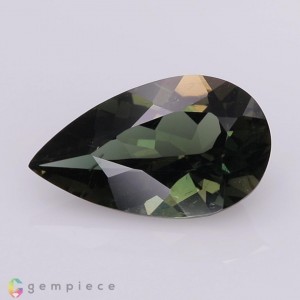
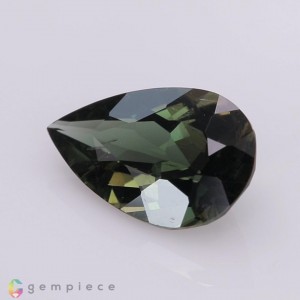
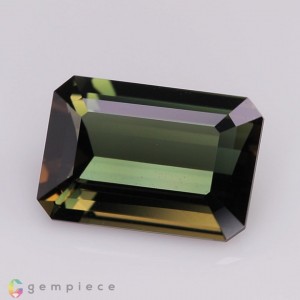
With a Honey Green color, this Kornerupine displays a smooth finish and refined finish. This gemstone offers natural visual quality suitable for regular wear. Valued across different countries, it holds strong presence in gemstone trade. A Pear Kornerupine weighing 2.25 carats displays a Honey Green..
$142.00
Rare
SOLD - Out Of Stock
SKU: GEM24033460
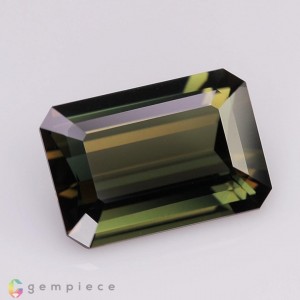
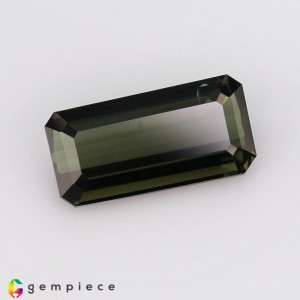
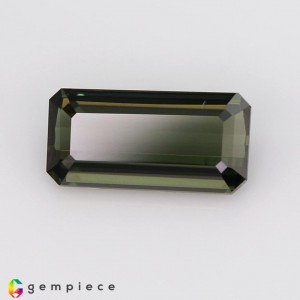
Featuring a Greenish Brown hue, this Kornerupine reveals a vibrant and lively appearance. Its balanced color and clarity support regular wear. Valued across multiple regions for its balanced color and clarity. Cut in Emerald Cut, this Kornerupine weighing 3.63 carats displays a Greenish Brown tone w..
$219.00
Rare
SKU: GEM22102759
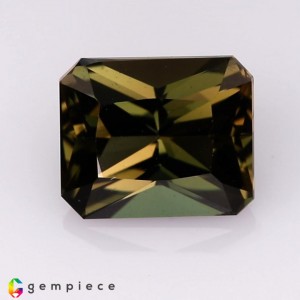
Presenting a Olive Green hue, this Kornerupine reflects a rich and well-defined appearance. This gemstone offers natural visual quality suitable for regular wear. A gemstone with strong international appeal, suitable for various jewelry uses. A Emerald Cut cut Kornerupine weighing 2.56 carats displa..
$54.00
Rare
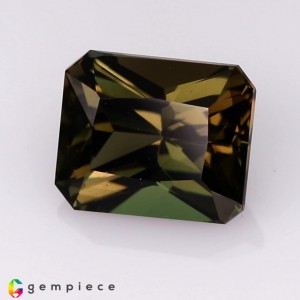
SKU: GEM22082454
Presenting a Honey Green hue, this Kornerupine reflects a rich and well-defined appearance. A dependable gemstone option for those seeking accessible quality. A gemstone with strong international presence and wide acceptance. This Kornerupine weighing 2.50 carats in Emerald Cut displays a Honey Gree..
$142.00
Rare
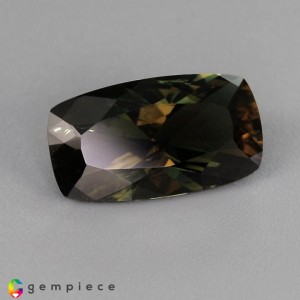
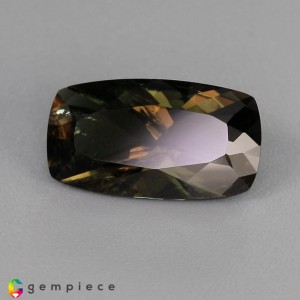
SKU: GEM22072322
This Kornerupine exhibits a Olive Green tone with good transparency and a natural appearance. Offering both affordability and natural beauty, it remains a popular choice. Appreciated globally for its natural characteristics and visual appeal. A carefully cut Cushion Kornerupine weighing 6.66 carats ..
$274.00
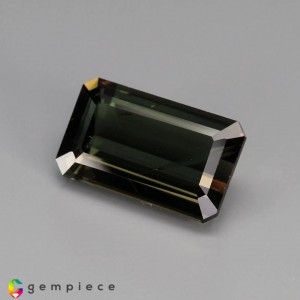
Rare
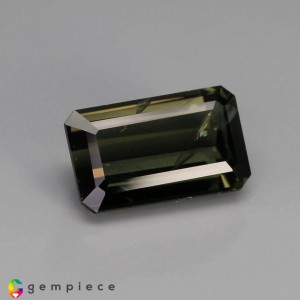
SKU: GEM22052053
Presenting a Olive Green hue, this Kornerupine reflects a rich and well-defined appearance. An accessible option for buyers seeking attractive natural gemstones. A gemstone with strong international appeal, suitable for various jewelry uses. With a Emerald Cut cut, this Kornerupine weighs 3.65 carat..
$87.00
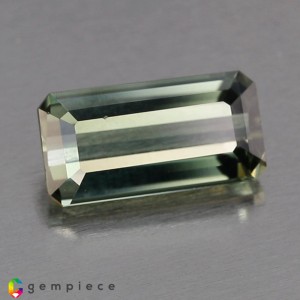
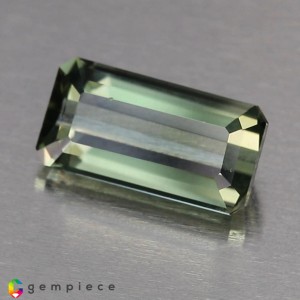
Rare
SKU: GEM22021770
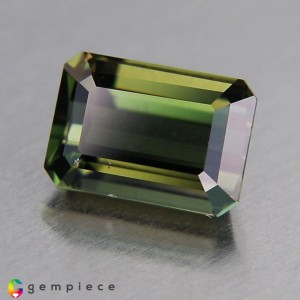
This Kornerupine highlights a Hunter Green color with crisp internal reflections and a clean finish. Its natural beauty makes it a good choice for regular use. Appreciated by international buyers for its natural beauty and appeal. This Kornerupine gemstone weighs 1.93 carats and features a Emerald C..
$109.00
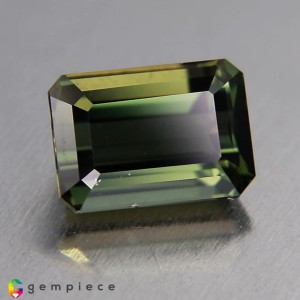
Rare
SKU: GEM22011746
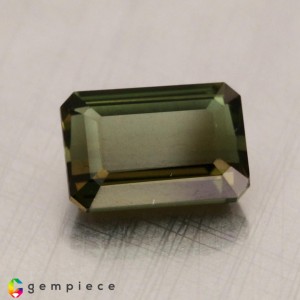
With a Honey Green color, this Kornerupine maintains an even tone and smooth finish. Reasonable value combined with natural beauty supports regular use. Recognized within the gemstone industry, it maintains a steady presence among buyers. A well-cut Emerald Cut Kornerupine weighing 2.02 carats shows..
$98.00
Rare
SKU: GEM21111563
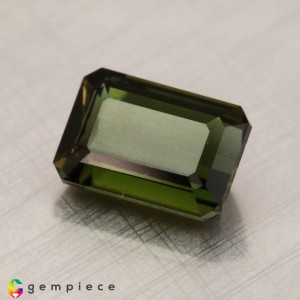
This Kornerupine reveals a Honey Green color with a lively and eye-catching presence. Offering both affordability and natural beauty, it remains a popular choice. Appreciated worldwide by collectors and jewelry designers. This 3.10 carat Kornerupine cut in Emerald Cut displays a Honey Green tone wit..
$65.00
Rare
SKU: GEM21101425
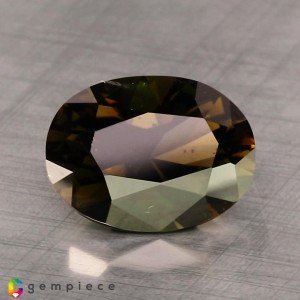
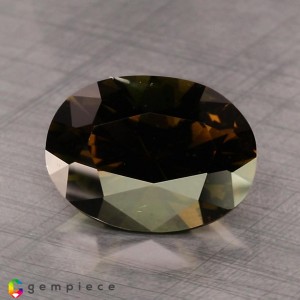
This Kornerupine offers a Intense Olive Green tone with natural brilliance, suited for regular wear. Its balanced color and clarity support regular wear. Known across international markets for its steady demand and acceptance. This Kornerupine weighs 8.64 carats and is cut in Oval, displaying a Inte..
$249.00 $384.00
Rare
SKU: GEM21061294
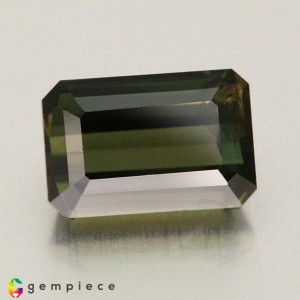
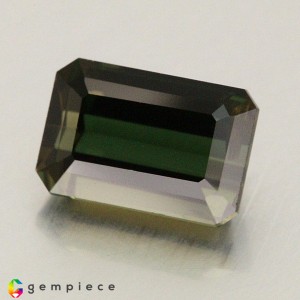
This Kornerupine highlights a Honey Green color with crisp internal reflections and a clean finish. Durability and stable color make it reliable for frequent use. Widely accepted in global jewelry trade, this gemstone remains consistently relevant. A 2.44 carat Kornerupine cut in Emerald Cut display..
$54.00
Rare
SKU: GEM21020947
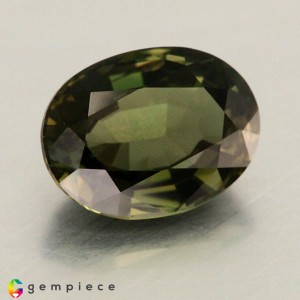
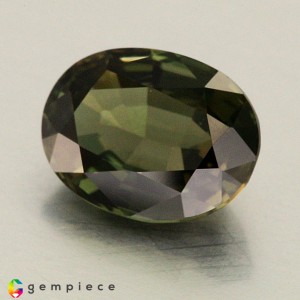
This Kornerupine reflects a Honey Green color with even distribution and visual richness. Offering both affordability and natural beauty, it remains a popular choice. Recognized globally for its quality and presence in established gemstone markets. A 2.40 carat Oval Kornerupine displays a Honey Gree..
$54.00