

Clear ✖
Explore Latest Tanzanite Gemstone Collections
Total Products : 30
SKU: GEM25073831
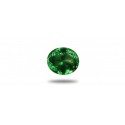
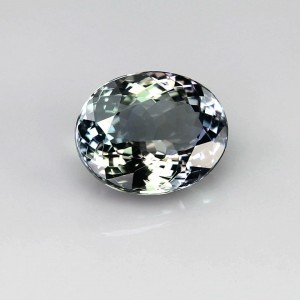
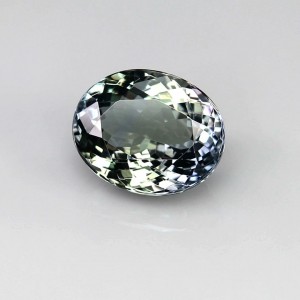
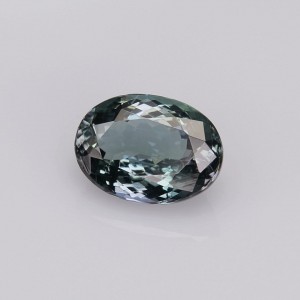
This Tanzanite doesn't scream for attention; it earns it through a refined, steady Blue Green presence. The color doesn't fight the cut. The cut doesn't waste the color. They just work. Cut in an Oval, this 3.58 carat Tanzanite presents a Blue Green hue with FL (flawless) clarity. It has been heat t..
$439.00
SKU: GEM25043750
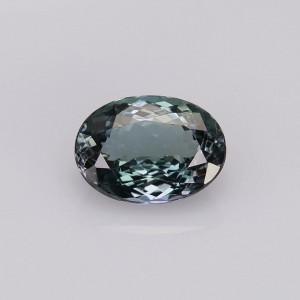
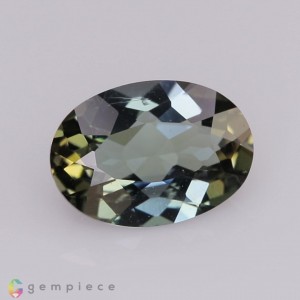
The facet edges are clean and sharply defined, showing the level of care taken during the cutting process. The stable balance of color and clarity gives this gemstone a natural place among other fine pieces. This Tanzanite weighs 2.45 carats and is cut in Oval, featuring a Blue Green color with FL -..
$296.00
SKU: GEM24033453
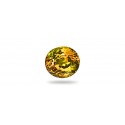
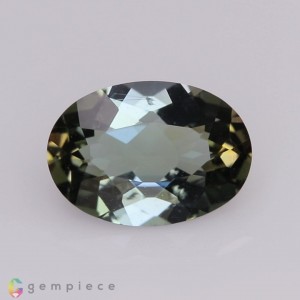
The Greenish Yellow remains visible and evenly distributed even when the stone is viewed from different angles. This stone works naturally in jewelry designed for regular wear. With a Oval cut, this Tanzanite weighs 1.23 carats and displays Greenish Yellow, originating from Tanzania, highlighted by ..
$76.00
SOLD - Out Of Stock
SKU: GEM23063050
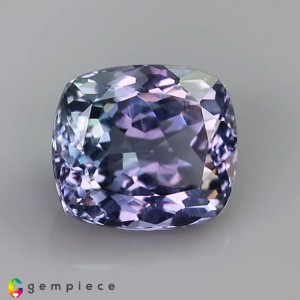
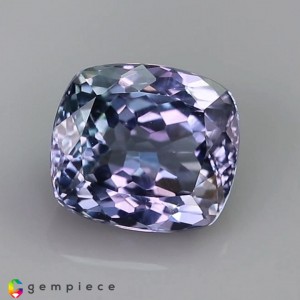
Under magnification, the Blue Green shows no zoning or patchiness — just even saturation throughout the body. The cut here keeps the stone lively without sacrificing durability. A 1.78 carat Cushion cut Tanzanite exhibits a Blue Green tone with FL - Flawless clarity, measuring 7.36 x 6.52 x 4.21 mm,..
$65.00
SKU: GEM22122894
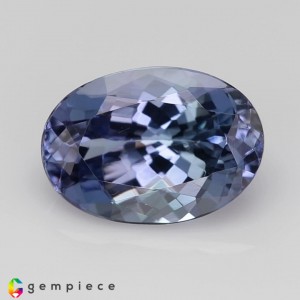
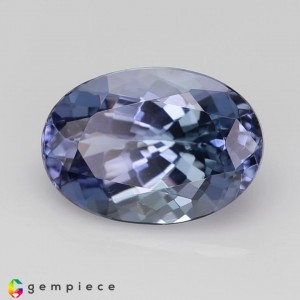
Under direct sunlight or indoor lighting, the Purple Blue stays calm and even without changing its character. Even after regular wear over time, this gemstone maintains its even saturation across the surface. Weighing 2.35 carats, this Tanzanite in Oval form displays Purple Blue with FL - Flawless c..
$208.00
SKU: GEM22052135
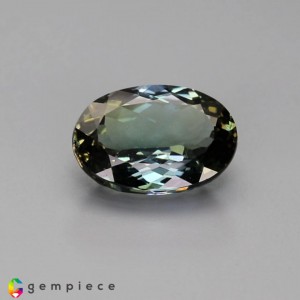
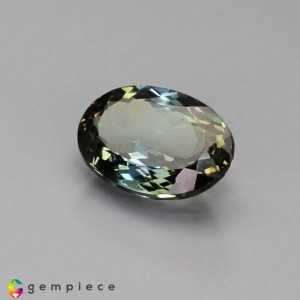
Material at this level rarely shows this kind of consistency, especially in stones meant for daily wear. The relationship between color and clarity feels balanced, so neither one overwhelms the other. This natural Tanzanite weighing 2.00 carats in Oval form presents a Blue Green color, measuring 9.4..
$54.00
SOLD - Out Of Stock
SKU: GEM22052077
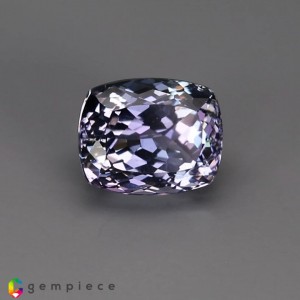
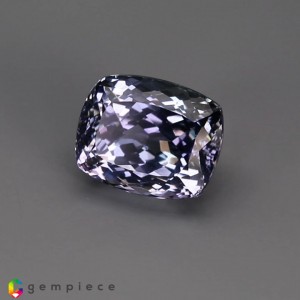
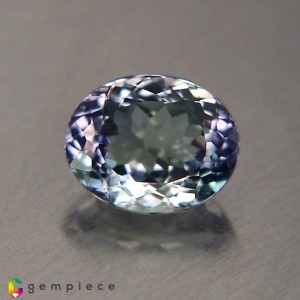
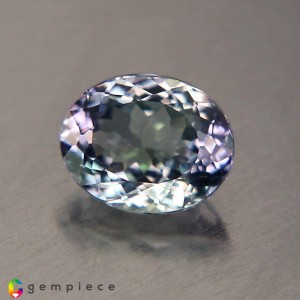
The Purple Blue in this Tanzanite stays consistent under normal lighting, keeping the appearance steady in everyday use. This stone is cut with enough precision to keep light moving evenly through the material. With 2.00 carats and a Cushion cut, this Tanzanite displays Purple Blue with VVS clarity,..
$76.00
SOLD - Out Of Stock
SKU: GEM22021772
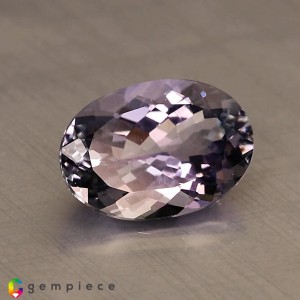
The Blue Green in this Tanzanite is steady without being dull — balanced, calm, and reliably visible. The cutting is practical, making efficient use of the material without unnecessary weight or depth. Cut in Oval, this Tanzanite weighing 1.89 carats reveals a Blue Green tone with FL - Flawless clar..
$65.00
SKU: GEM21121638
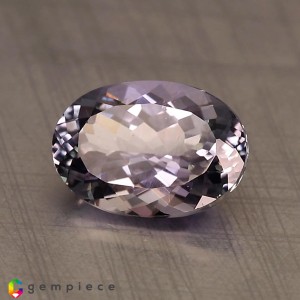
Whether used on its own or within a layout, the Purple Blue of this Tanzanite remains clear and evenly visible. The relationship between color and clarity feels balanced, so neither one overwhelms the other. Cut in Oval, this Tanzanite weighing 2.29 carats presents Purple Blue with FL - Flawless cla..
$76.00
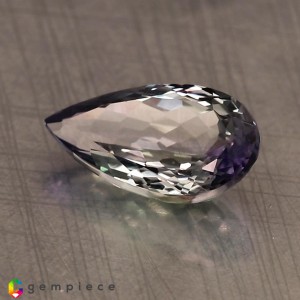
SKU: GEM21121619
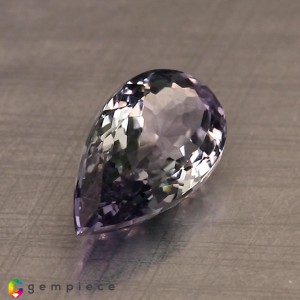
The Light Blue Green retains its natural character regardless of the metal used in the setting. The stone's durability supports long-term wear. Displaying a Pear cut, this Tanzanite of 1.42 carats presents Light Blue Green with VVS clarity, measuring 10.42 x 5.79 x 3.81 mm, displaying even brillianc..
$43.00
SOLD - Out Of Stock
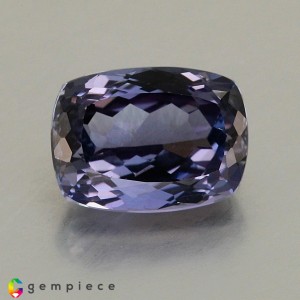
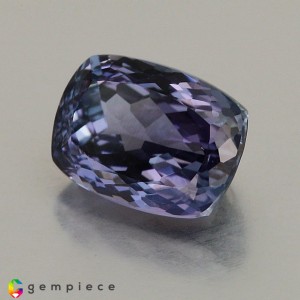
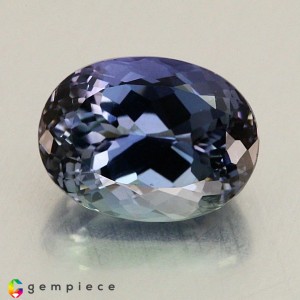
SKU: GEM21091378
The Purple Blue remains visible and evenly distributed even when the stone is viewed from different angles. The balance of color, cut, and clarity makes this stone easy to work with in jewelry production. Cut in Cushion, this Tanzanite weighing 2.29 carats reveals a Purple Blue tone with FL - Flawle..
$76.00
SOLD - Out Of Stock
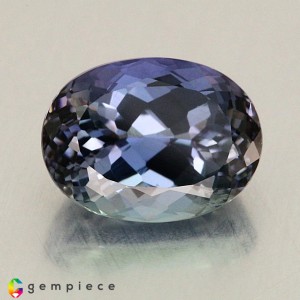
SKU: GEM21061289
Under direct sunlight or indoor lighting, the Blue Green stays calm and even without changing its character. This stone looks good under regular lighting, not only in ideal conditions. This natural Tanzanite weighing 2.81 carats is cut in Oval, presenting Blue Green with FL - Flawless clarity, sourc..
$109.00