Buy High Quality Fire Opal Stones Online
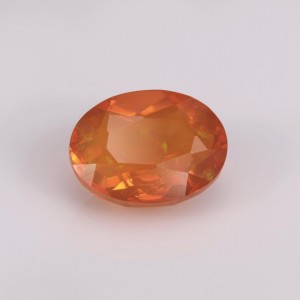
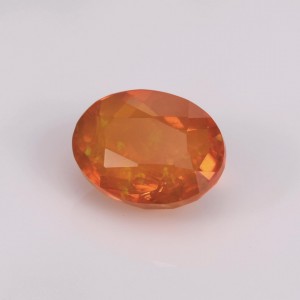
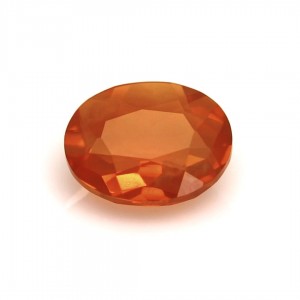
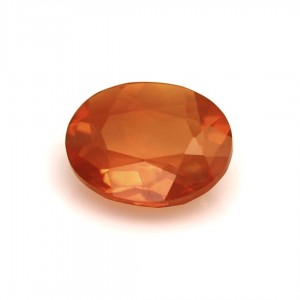
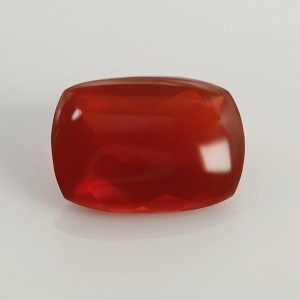
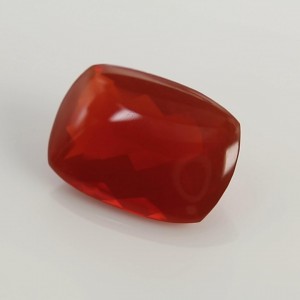
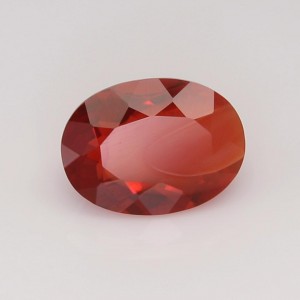
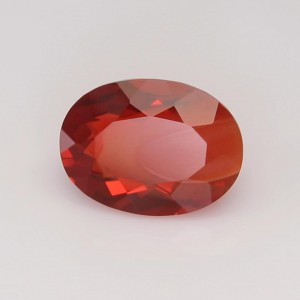
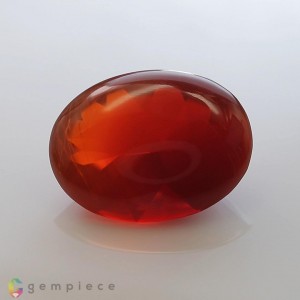
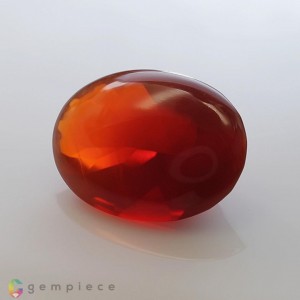
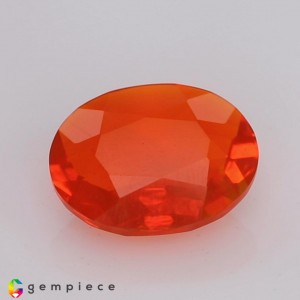
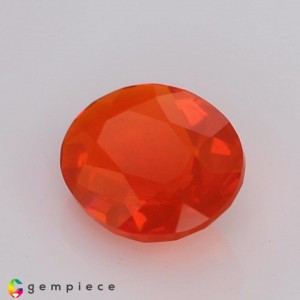
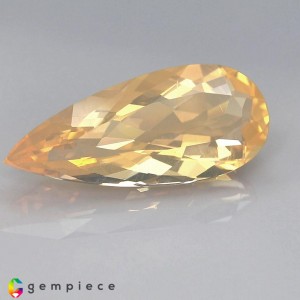
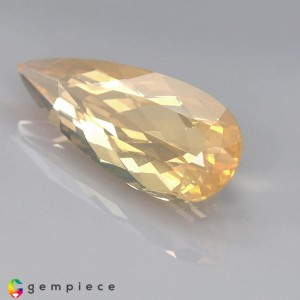
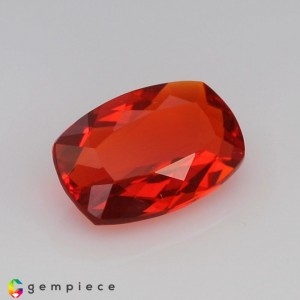
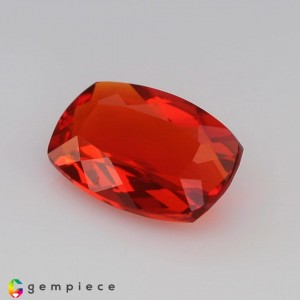
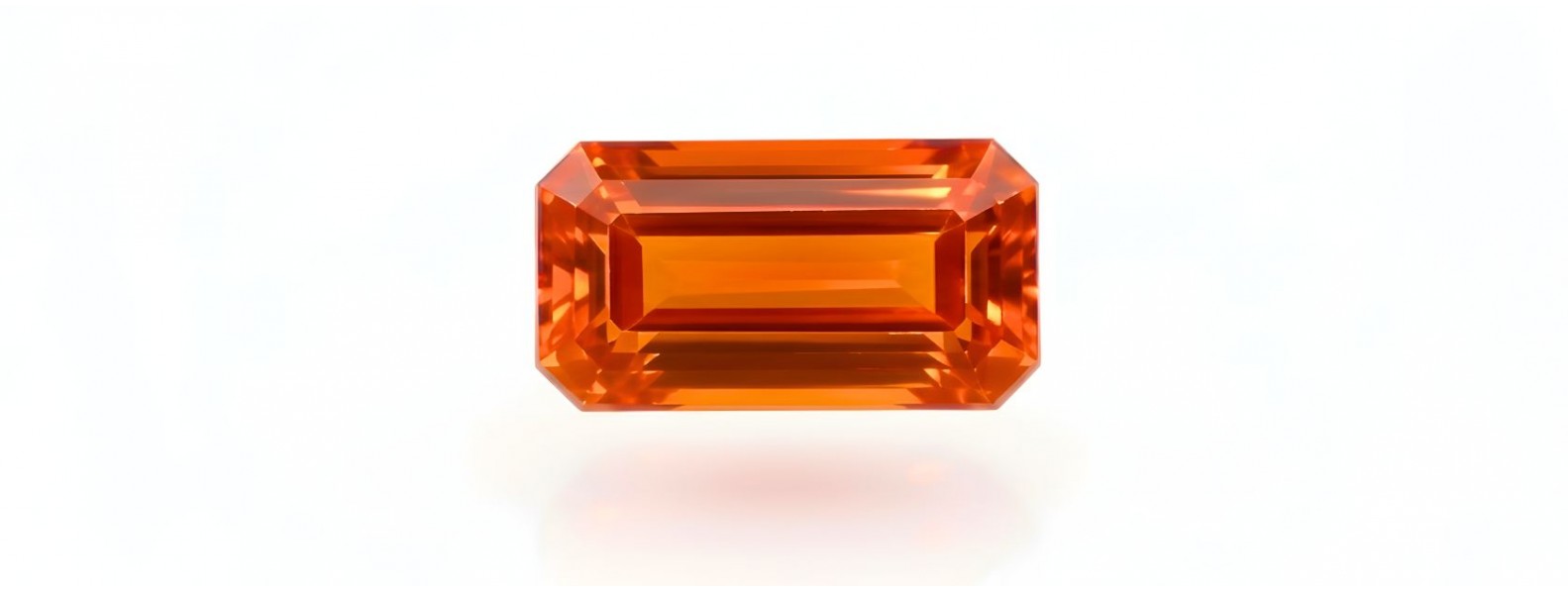
Fire opal stands alone in the opal family. While every other opal variety is evaluated primarily for its play of color — the shifting rainbow display produced by silica sphere diffraction — fire opal is celebrated for the opposite: a vivid, stable, intensely saturated body color ranging from warm yellow through bright orange to deep reddish-orange, burning with the quality that gives the stone its name. It is also the only opal that is routinely faceted like a conventional gemstone rather than cut as a cabochon, because its transparency allows faceting to enhance rather than obscure the stone's inherent beauty. A well-cut faceted fire opal in vivid orange, clean and transparent under good light, produces an appearance that no other orange gemstone in the natural world fully replicates.
Fire opal is the national gemstone of Mexico, a status that reflects both the country's extraordinary geological endowment of this variety and the deep cultural history between Mexican civilization and this particular stone. The Aztec empire called it "quetzalitzlipyollitli" — the Stone of the Bird of Paradise. They also knew it as "vitzitziltecpal" — the hummingbird stone. These names, coined centuries before modern gemology gave fire opal its technical classification, capture the stone's essential character precisely: vivid, warm, alive, and unlike anything else.
Fire Opal vs Other Opals: What Makes It Different
Most precious opal is valued for play of color and cut as a cabochon to maximize the display of that shifting spectral rainbow. Fire opal breaks both these conventions. Its defining characteristic is body color — the intrinsic warm orange to reddish-orange hue of the stone itself — rather than the superimposed play of color that requires ordered silica spheres. Some fire opals additionally display play of color on top of their body color, making them doubly spectacular; these are the rarest and most commercially valuable fire opals available. But the majority of commercial fire opal derives its value from body color alone, and that is sufficient.
The transparency that allows fire opal to be faceted is also what sets it apart physically. Common opal and most precious opal is opaque to translucent. Fire opal from Mexico is transparent to semi-transparent, allowing light to travel through the stone and produce the internal glow — the "fire" quality — that distinguishes the finest specimens. A fully transparent, eye-clean fire opal in vivid orange, expertly faceted, displays a depth of color and internal light that flat-backed cabochon-cut opals cannot achieve.
For comprehensive gemological information, read our Fire Opal Gemopedia Guide. Browse related opal varieties including boulder opal, water opal, and yellow opal, with guides at Boulder Opal Guide, Water Opal Guide, and Yellow Opal Guide. See the complete Opal Gemstone Guide and browse our full natural opal collection.
Fire Opal Color Range and Quality
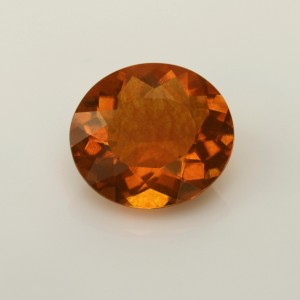
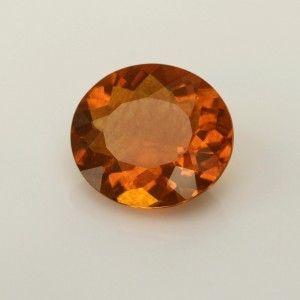
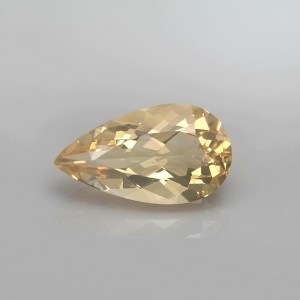
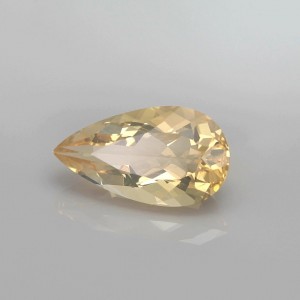
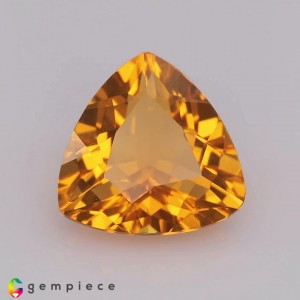
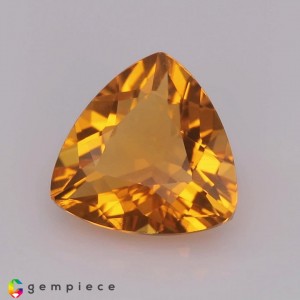
Fire opal's color range runs from pale yellow through golden yellow, bright orange, vivid reddish-orange, and deep orange-red. The most commercially prized color is vivid saturated orange — the pure, intense "fire orange" or "sunset orange" that the mandarin garnet analogy in other gems attempts to capture but never quite achieves. This color, at its finest in transparent clean material, is one of the most arresting warm colors available in natural gemstones.
The orange color in fire opal is caused by iron oxide trace impurities within the hydrated silica matrix. Iron oxide absorbs blue and green wavelengths strongly while transmitting orange, yellow, and red — producing the characteristic warm body color. The concentration and distribution of iron oxide determines the depth of color: low iron produces pale yellow or golden tones; higher iron produces deeper orange; maximum iron with other contributing factors produces reddish-orange tones. Unlike the ideochromatic relationship in spessartite garnet (where manganese is both the compositional element and the chromophore), fire opal's orange is a trace element effect rather than a compositional imperative.
The most valuable fire opals combine deep, vivid orange-red body color with excellent transparency, eye-clean clarity, and — in the rarest examples — a genuine play of color superimposed on the warm body. These stones can command retail prices of up to $300 per carat and above for the finest specimens.
Fire Opal Properties
Hardness: 5.5 to 6.5 Mohs — moderate, requires mindful wear in rings
Refractive Index: approximately 1.37 to 1.47 (lower end of opal range)
Specific Gravity: 1.98 to 2.20 — notably lighter than most gemstones
Transparency: Transparent to semi-transparent (distinctive for opal)
Water Content: Lower than Ethiopian opal — typically more stable
Cleavage: None; conchoidal fracture
Luster: Vitreous to resinous
Treatment: Natural and untreated; color is entirely natural iron oxide
Mexican Fire Opal: Sources and Regional Characteristics
Mexico accounts for over 85% of the world's premium fire opal production. The Mexican highland plateau, threaded and veined with volcanic rock from numerous ancient extinct volcanoes, provides the geological substrate for fire opal formation. Seven states in Mexico contain fire opal deposits, with the state of Querétaro — particularly around the city of Querétaro and the village of San Juan del Río — being the most historically significant and commercially dominant source since systematic mining began around 1835.
The state of Jalisco produces fire opal known for particularly vivid color and occasionally a full spectrum play of color superimposed on the orange body. The Hidalgo state deposit near Zimapan produces fire opal from a trachyte porphyry (volcanic rock type), yielding material with good color and transparency. The Nayarit state and other Mexican volcanic regions produce additional commercial quantities.
Beyond Mexico, fire opal is also found in Brazil's Piauí state, in Australia's volcanic regions (rare), and in Ethiopia where volcanic formation conditions produce fire opal with strong neon violet and green play of color superimposed on orange body tones — among the most spectacular fire opal encountered.
Fire Opal Price and Value
Fire opal pricing spans a wide range reflecting the significant quality differences between pale yellowish commercial material and vivid transparent orange-red gems. Yellowish to pale brownish fire opal in lower quality ranges from $5 to $30 per carat. Standard commercial orange material with decent transparency and color ranges from $30 to $150 per carat. High quality vivid orange fire opal with good transparency and clean clarity commands $100 to $300 per carat. The finest transparent vivid orange-red stones with eye-clean clarity and play of color can exceed $300 per carat at retail, with exceptional rare specimens reaching higher. Large eye-clean stones above 5 carats in vivid color are genuinely scarce and command strong premiums. All fire opal is entirely natural and untreated.
Browse our complete fire opal collection or explore the full natural opal gemstone range.
Fire Opal in Jewelry
Fire opal's transparency makes it uniquely versatile among opals. Faceted fire opal in bright cuts — oval brilliant, cushion, round brilliant, trillion — produces a lively, glowing appearance that no other opal form achieves. The facets interact with the warm body color to produce an intensely rich visual effect: warm orange light reflected from multiple facet surfaces simultaneously, creating a stone that appears lit from within.
Fire opal works beautifully in yellow gold settings, where the warm metal and warm stone create an harmonious combination. In white gold or platinum, the contrast emphasizes the orange's warmth and vividness. The stone's moderate hardness (5.5 to 6.5 Mohs) means bezel or protective settings are preferable for daily-wear rings. For earrings, pendants, and occasional-wear rings, standard prong settings are perfectly appropriate.
Frequently Asked Questions
What is fire opal?
Fire opal is a vibrant variety of opal valued for its warm body color ranging from yellow through orange to reddish-orange, caused by iron oxide impurities. Unlike most opals valued for play of color, fire opal is prized for its body color and is the only opal regularly faceted as a conventional gemstone. It is Mexico's national gemstone.
Does fire opal show play of color?
Some fire opals display play of color in addition to their warm body color — these are the rarest and most valuable. However, most commercial fire opal is prized for body color alone without significant play of color. The two qualities can coexist in the finest specimens, particularly from Ethiopian volcanic deposits.
Why is fire opal faceted instead of cut as a cabochon?
Fire opal's transparency allows faceting to enhance the stone's appearance, as light can travel through the stone and interact with facets to produce internal brilliance. Most other opals are opaque to translucent and are cabochon-cut to maximize play of color display. The transparency of fine fire opal makes it behave more like a conventional faceted gemstone optically.
What is the Aztec name for fire opal?
The Aztecs called fire opal "quetzalitzlipyollitli" — meaning Stone of the Bird of Paradise — and also "vitzitziltecpal" meaning hummingbird stone. They used it in jewelry, mosaics, sculptures, and religious rituals, associating it with the sun god and with burning sacred fire. It is one of the oldest gemstone-culture relationships in the Americas.
Where is fire opal found?
Over 85% of premium fire opal comes from Mexico, primarily the states of Querétaro, Jalisco, and Hidalgo. Additional sources include Brazil, Ethiopia (producing vivid neon fire opals with play of color), and Australia. Mexico is the world's dominant source and fire opal is Mexico's national gemstone.
Is fire opal treated?
No. Fire opal's body color is entirely natural — it is caused by iron oxide trace elements within the silica matrix. No heat, coating, or filling is used. Natural fire opal is one of the cleanest untreated gemstone varieties commercially available.
Is fire opal stable and durable for jewelry?
Mexican fire opal has relatively lower water content than Ethiopian opal, making it more stable and less susceptible to crazing. Its hardness of 5.5 to 6.5 Mohs is adequate for jewelry with protective settings. Bezel settings are recommended for ring use; earrings and pendants present no significant durability concern.
Clear ✖