Buy Rare Natural Pezzottaite – Raspberry Beryl Online
Pezzottaite is one of the rarest and most visually striking gemstones ever discovered — a cesium-lithium-beryllium silicate mineral belonging to the beryl group that produces a deep, vivid raspberry-pink to purplish-pink color more saturated and intense than morganite, and representing a genuinely new mineral species first described only in 2003. Named after Italian mineralogist Dr. Federico Pezzotta for his work on Madagascan pegmatites, pezzottaite was initially confused with red beryl or cesium-rich morganite when crystals were first discovered in Madagascar in November 2002. Advanced analysis revealed it to be a distinct species — with a trigonal rather than hexagonal crystal structure, higher refractive index and specific gravity than beryl, and a unique cesium-lithium chemistry found in no standard beryl variety. The primary Madagascar deposit is now largely exhausted, making authenticated pezzottaite among the rarest gem minerals available on the market today.
Read our complete pezzottaite gemstone guide (view collection) covering mineralogy, the Madagascar and Afghanistan sources, color characteristics, and collector value — or explore our natural pezzottaite collection.
Color — The Raspberry Distinction
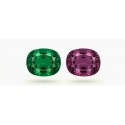
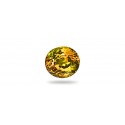
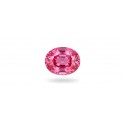
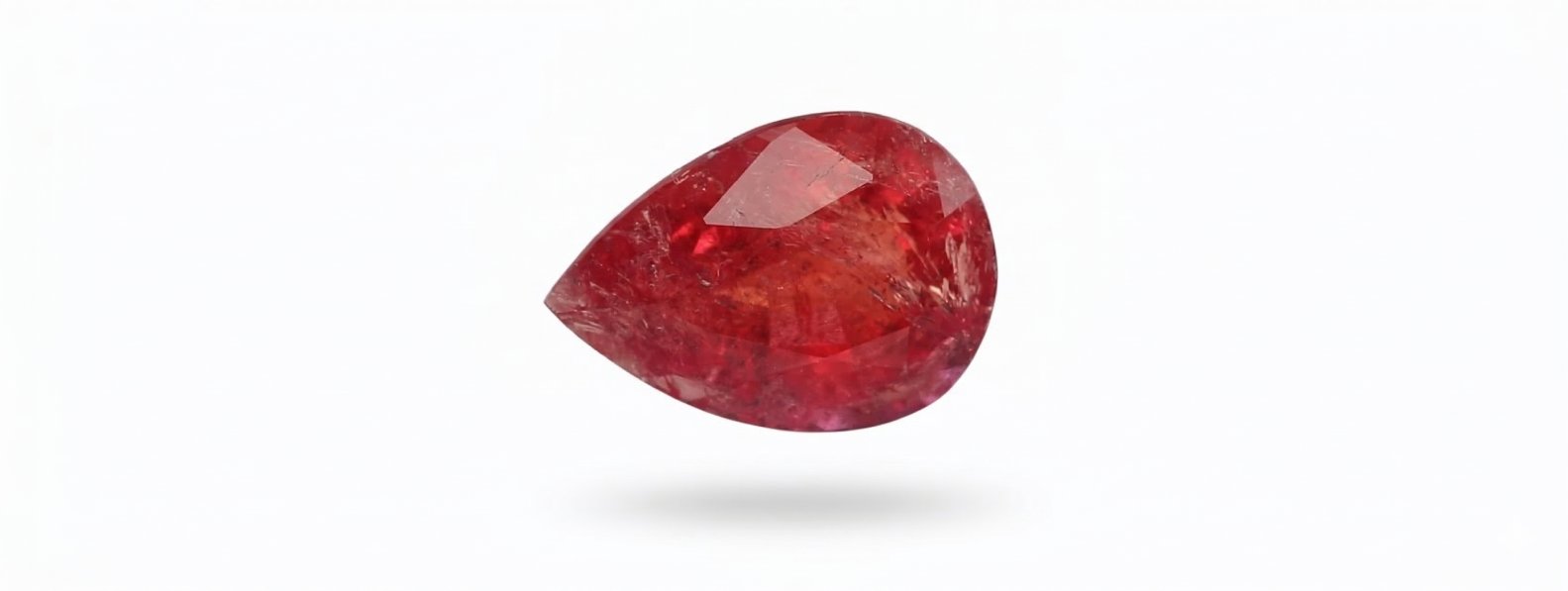
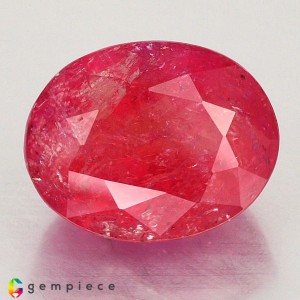
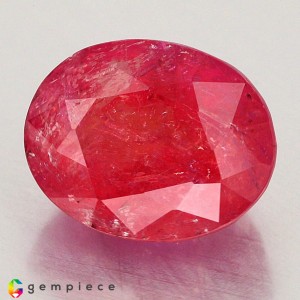
Pezzottaite's most immediately striking characteristic is its color — a deep, vivid raspberry-pink to purplish-pink that is distinctly more saturated than the pale to medium pink of morganite. Where morganite tends toward soft pastel and peach tones, pezzottaite is vivid, intense, and unmistakably deep — a true raspberry red-pink that gives the stone its trade nickname "raspberry beryl." The color is produced by manganese color centers modified by natural radiation within the crystal, creating a more concentrated and vivid pink than the straightforward manganese coloring of morganite.
The most prized pezzottaite displays a pure, deeply saturated raspberry-pink without strong purple modifier. Some material trends toward purplish-pink or red-purple, which is less commercially mainstream but scientifically interesting. The strong pleochroism of pezzottaite — showing different pink intensities from different crystallographic directions — requires skilled cutting orientation to maximize color face-up.
The Madagascar Discovery and Exhaustion
Pezzottaite was first discovered in November 2002 in a granitic pegmatite near Ambatovita in central Madagascar — specifically in the Sakavalana pegmatite, which had been mined since 1940 for polychrome tourmalines. Miners uncovered a pocket of gemmy crystals initially sold in Antananarivo before their true identity was established. Only approximately 150 kilograms of the mineral was ever recovered from the Madagascar type locality before the deposit was essentially exhausted by 2003 — a total production so small that pezzottaite from Madagascar is now a finite historical resource.
A secondary deposit in Afghanistan produced material initially misidentified as morganite before laboratory analysis confirmed its pezzottaite identity. A further occurrence was confirmed in Myanmar. None of these secondary sources has produced the volume or consistent quality of the original Madagascar material. A potential new deposit in Madagascar emerged in 2025, though production details remain limited.
Distinguishing Pezzottaite from Morganite and Red Beryl
Pezzottaite is frequently confused with morganite or red beryl due to its pink-red color. The key distinguishing properties are: specific gravity 2.90 to 3.10 (significantly higher than beryl's 2.63 to 2.92); refractive index 1.601 to 1.620 (higher than beryl's 1.565 to 1.602); trigonal crystal system (vs hexagonal for beryl); cesium and lithium content confirmed by advanced analysis. Standard gemological testing with refractometer and density measurement can separate pezzottaite from beryl. Definitive identification requires Raman spectroscopy, energy-dispersive X-ray fluorescence, or electron microprobe analysis at a specialist laboratory.
Hardness and Durability
Pezzottaite has a Mohs hardness of 8 — identical to beryl — making it theoretically durable for jewelry use. However, most specimens are small (typically under 1 carat faceted) and heavily included, making pezzottaite primarily a collector's stone rather than a commercial jewelry gemstone. Cat's eye pezzottaite cabochons have been produced from material with parallel growth tubes. Protective settings are recommended for any jewelry use given the rarity and collector value of the material.
Value and Buying Considerations
Pezzottaite is among the highest-value pink gemstones per carat available in the collector market. Fine transparent faceted material ranges from approximately $300 to $3,000 per carat depending on color saturation, transparency, and size. Documented Madagascar origin with laboratory confirmation commands the highest collector premiums. Cat's eye pezzottaite cabochons are also highly collectible. Laboratory verification is essential for any significant purchase — misidentification as morganite or red beryl is common in the market without proper testing.
GemPiece provides laboratory-verified pezzottaite with full gemological documentation on all specimens.
Explore Related Beryl Family Varieties
Beryl family guide (view collection),
morganite (view collection),
red beryl (bixbite), and
goshenite.
Frequently Asked Questions
What is pezzottaite?
Pezzottaite is a rare cesium-lithium-beryllium silicate mineral in the beryl group, first discovered in Madagascar in 2002 and recognized as a new mineral species by the International Mineralogical Association in 2003. It produces a vivid raspberry-pink to purplish-pink color more saturated than morganite, with higher refractive index and specific gravity than standard beryl.
Is pezzottaite the same as morganite?
No. While both are pink beryl-group gemstones, pezzottaite is a distinct mineral species from beryl. Pezzottaite contains cesium and lithium (which beryl does not), crystallizes in the trigonal system (vs hexagonal for beryl), and has higher specific gravity and refractive index. Its color is also distinctly more vivid and saturated than most morganite.
Why is pezzottaite so rare?
The primary Madagascar deposit — the type locality — produced only approximately 150 kilograms of material total before being essentially exhausted by 2003. Secondary sources in Afghanistan and Myanmar have produced very limited quantities. The total world supply of pezzottaite is finite and very small.
What is the price of pezzottaite per carat?
Fine transparent faceted pezzottaite ranges from approximately $300 to $3,000 per carat depending on color, transparency, and size. Madagascar-origin material with laboratory documentation commands the highest collector premiums.
How do I know if my stone is pezzottaite?
Laboratory identification is essential. Basic gemological testing (refractometer: RI 1.601–1.620; density: 2.90–3.10) can suggest pezzottaite, but definitive confirmation requires Raman spectroscopy or advanced elemental analysis. Purchase only from reputable suppliers with laboratory documentation.