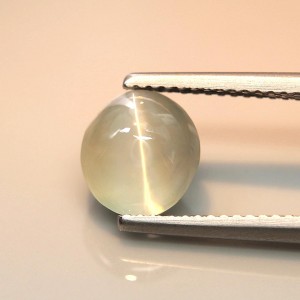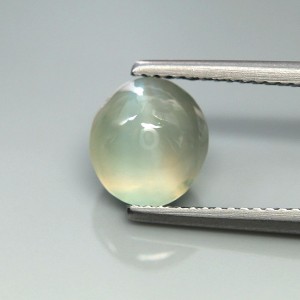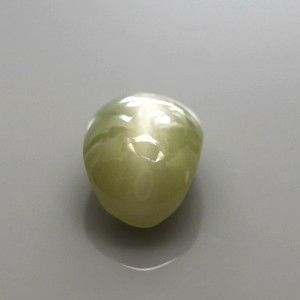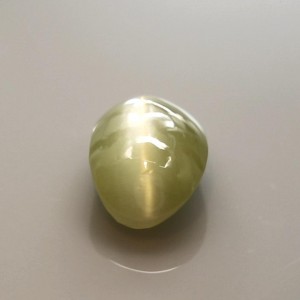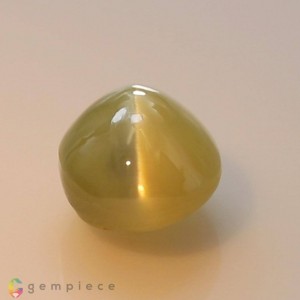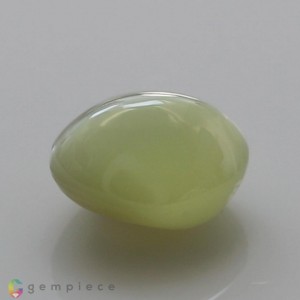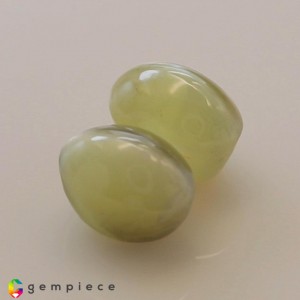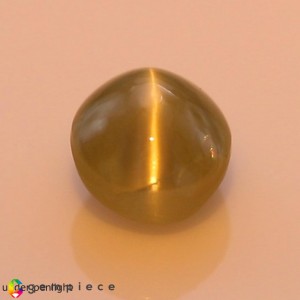
Buy Natural Chrysoberyl Gemstones Online
Chrysoberyl is one of the most fascinating and collectible gemstones in the professional gem trade, known for its exceptional hardness, remarkable optical phenomena, and several distinct forms that each command strong market demand. While chrysoberyl as a mineral is found in several parts of the world, premium gemstone-quality material is scarce due to the very specific geological conditions required for its formation.
Explore our natural chrysoberyl gemstone collection, featuring carefully selected stones including cat's eye, alexandrite, and faceted varieties sourced directly from trusted origins.
Varieties and Market Significance
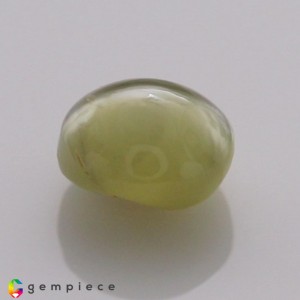
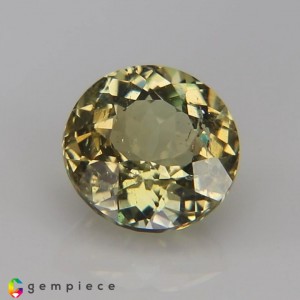
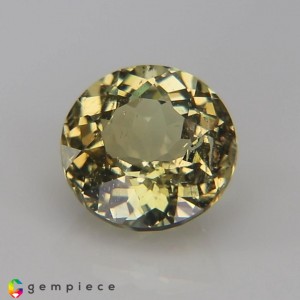
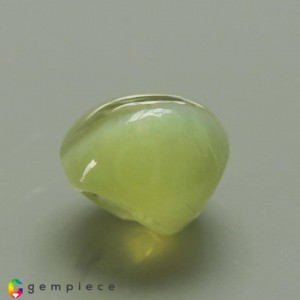
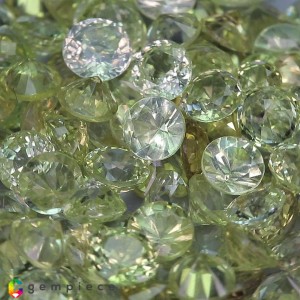
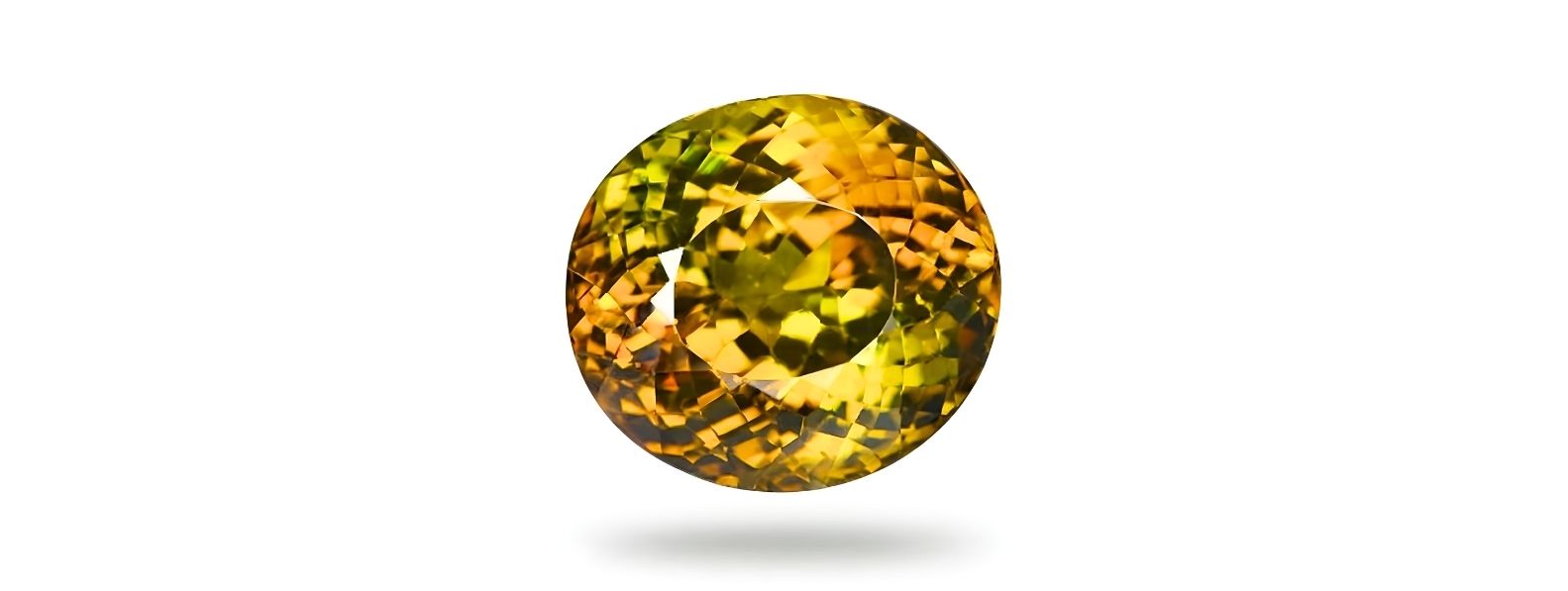
Chrysoberyl occurs in several distinct forms, each with unique characteristics and market positioning. Faceted chrysoberyl appears in yellowish-green, golden yellow, and green tones with strong transparency and luster. Chrysoberyl cat's eye (view collection) is prized for its sharp chatoyancy and range of colors from honey to yellowish-green. Alexandrite (view collection) is the rarest color-change variety, shifting dramatically from green to red depending on the light source. Alexandrite cat's eye (view collection) combines both color change and chatoyancy, making it one of the most extraordinary gemstones in existence. A fifth and exceptionally rare form is star chrysoberyl, which displays a star-like asterism effect under direct light.
Among collectors and gem professionals, chrysoberyl cat's eye and alexandrite are trade-defining gemstones due to their rarity, optical uniqueness, and strong long-term value.
Chrysoberyl Cat's Eye
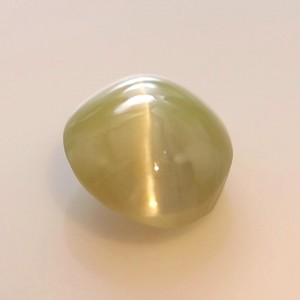
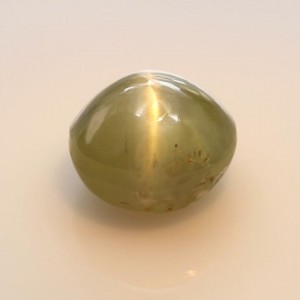
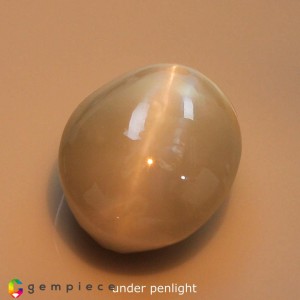
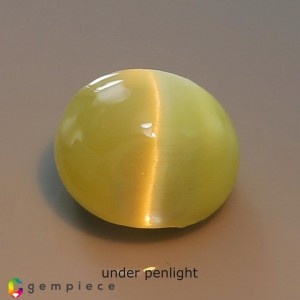
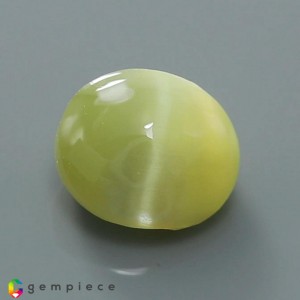
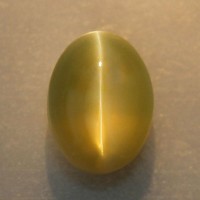
Chrysoberyl cat's eye is widely regarded as the finest example of chatoyancy among all gemstones. The cat's eye effect is caused by light reflecting off parallel fibrous inclusions within the stone, producing a sharp, bright band of light across the surface of the cabochon — closely resembling the slit pupil of a cat's eye. In the gemstone trade, the term "cat's eye" used alone always refers specifically to chrysoberyl cat's eye. All other species require a qualifier — for example, tourmaline cat's eye or apatite cat's eye.
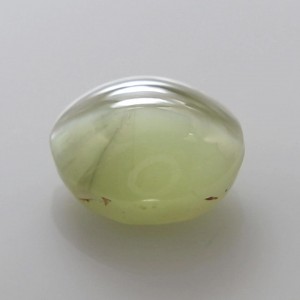
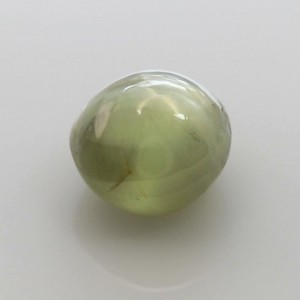
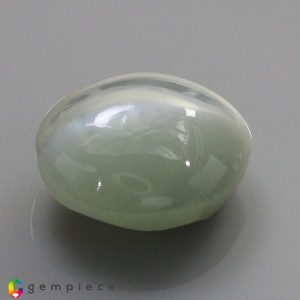
Cat's eye chrysoberyl is found in a range of colors including honey, yellowish-green, green, and yellow. Among all these colors, honey cat's eye is the most popular and highly sought after by collectors due to its warm, rich tone and strong visual appeal.
An important consideration when purchasing honey-colored cat's eye chrysoberyl is treatment. Some honey-colored stones in the market are produced through irradiation of base or buff-colored material to achieve the desirable honey tone. This treatment applies specifically to honey-colored stones — yellowish-green and green cat's eye chrysoberyls are naturally occurring in their color and are generally not subjected to this process.
When purchasing honey cat's eye chrysoberyl, always request a certificate from a reputable gemological laboratory to confirm the treatment status. At GemPiece, all cat's eye chrysoberyls are 100% natural with no irradiation treatment. Treatment status is clearly disclosed for every stone.
Alexandrite
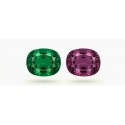
Alexandrite is the color-change variety of chrysoberyl and one of the most prized gemstones in the world. In daylight or fluorescent light, alexandrite appears bluish-green to green. Under incandescent or candlelight, the same stone shifts dramatically to red, raspberry red, or purplish-red.
This color change is caused by the presence of chromium in the stone's crystal structure, along with traces of iron and titanium. The stronger and more complete the color change, the more valuable the alexandrite.
Alexandrite cat's eye (view collection) combines both phenomena — color change and chatoyancy — making it one of the rarest and most collectible gemstones available in the market.
Star Chrysoberyl
Star chrysoberyl is an exceptionally rare variety that displays asterism — a star-like pattern of reflected light across the surface of a cabochon. This effect is caused by rutile inclusions oriented in multiple directions within the crystal, rather than the single direction responsible for chatoyancy. Star chrysoberyl is very rarely encountered in the market and is considered a significant collector's piece when found in good quality.
Natural vs Synthetic — Buyer Awareness
Synthetic chrysoberyl exists in all varieties including cat's eye and alexandrite, and has been commercially available since the 1980s. Buyers should be aware that synthetic stones can closely resemble natural material visually. The key distinguishing feature identified by gemologists is the nature of the needle inclusions — natural chrysoberyl cat's eye has parallel needle inclusions, while synthetic cat's eye stones typically show undulating or irregular needle patterns.
Always purchase from trusted sources and request laboratory certification for significant purchases. At GemPiece, all stones are 100% natural. We do not sell synthetic chrysoberyl in any variety.
Origin and Sources
Russia's Ural Mountains remain the most historically significant and prestigious source of chrysoberyl, particularly for alexandrite. Russian alexandrite is the reference-grade standard for color change quality and commands the highest premiums in the market.
Other known sources include Sri Lanka, Brazil, India, Burma, and Madagascar. Sri Lanka and Brazil are among the primary producers of faceted chrysoberyl and cat's eye material. Fine alexandrite and high-grade cat's eye from any origin is considered genuinely rare.
Hardness and Durability
Chrysoberyl measures 8.5 on the Mohs hardness scale, making it the third hardest mineral after diamond and corundum. This exceptional hardness makes chrysoberyl highly durable and well suited for all jewelry applications including rings, which are subject to the most wear.
Value and Buying Considerations
The value of chrysoberyl varies significantly by variety. Faceted chrysoberyl ranges from moderate to strong pricing depending on color and clarity. Chrysoberyl cat's eye value is driven by the sharpness and brightness of the eye, body color, and size. Alexandrite is among the most expensive colored gemstones per carat, with top-quality Russian material reaching exceptional price levels. Alexandrite cat's eye, combining both phenomena, commands a strong premium above either variety alone.
GemPiece sources rough directly and cuts stones in-house, ensuring quality control at every stage and offering competitive pricing without compromise on integrity.
Frequently Asked Questions
What are the varieties of chrysoberyl?
Chrysoberyl occurs in several forms: faceted chrysoberyl, chrysoberyl cat's eye (chatoyancy), alexandrite (color change), alexandrite cat's eye (combining both phenomena), and the exceptionally rare star chrysoberyl (asterism).
Is honey cat's eye chrysoberyl treated?
Some honey-colored cat's eye chrysoberyls in the market are irradiated to achieve their color. Yellowish-green and green cat's eye stones are naturally occurring. Always request a laboratory certificate when purchasing honey cat's eye to confirm treatment status.
What causes the cat's eye effect in chrysoberyl?
The cat's eye effect, known as chatoyancy, is caused by light reflecting off parallel fibrous needle inclusions within the stone. The rough is cut as a cabochon to best display this optical effect.
How can I tell natural chrysoberyl from synthetic?
Natural chrysoberyl cat's eye has parallel needle inclusions, while synthetic versions typically show undulating or irregular needle patterns. Laboratory certification from a reputable gemological lab is the most reliable way to confirm natural origin.
Why is Russian alexandrite considered the finest?
Russian alexandrite from the Ural Mountains sets the reference-grade standard for color change quality — shifting from a strong bluish-green in daylight to a vivid red or raspberry red under incandescent light. No other source consistently produces material of the same quality.
Is chrysoberyl suitable for everyday jewelry?
Yes. With a hardness of 8.5 on the Mohs scale, chrysoberyl is one of the most durable gemstones available and is well suited for all jewelry types including rings.
Does GemPiece sell treated or synthetic chrysoberyl?
No. All chrysoberyls at GemPiece are 100% natural with no synthetic material. Cat's eye treatment status is clearly disclosed for every stone we sell.
Where is chrysoberyl found?
The primary sources are Russia (Ural Mountains), Sri Lanka, Brazil, India, Burma, and Madagascar. Russia remains the most prestigious source for alexandrite, while Sri Lanka and Brazil are key sources for cat's eye and faceted material.
Clear ✖