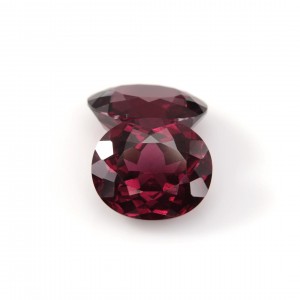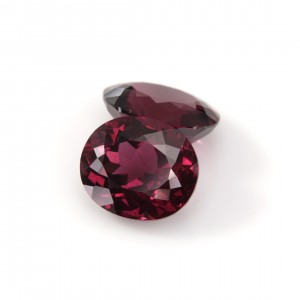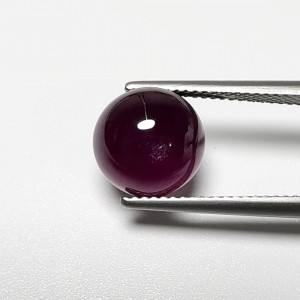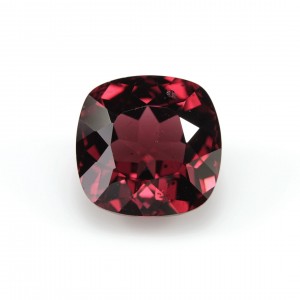
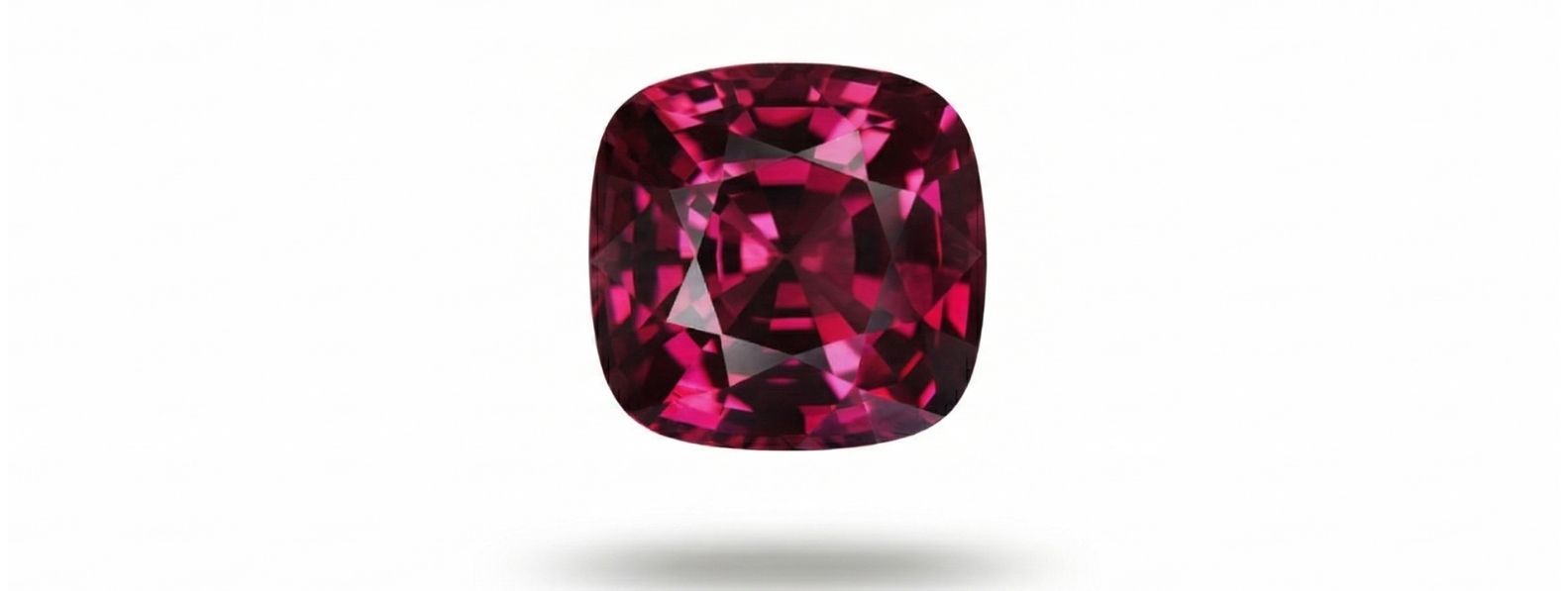
Buy Natural Rhodolite Garnet Stones Online
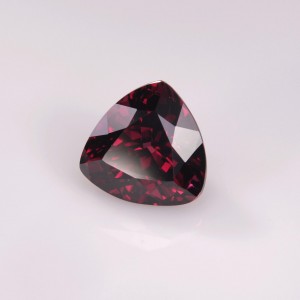
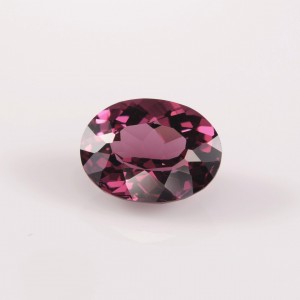
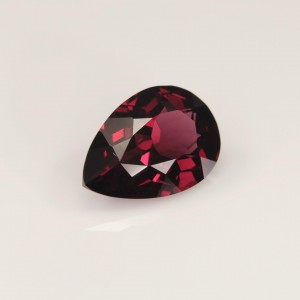
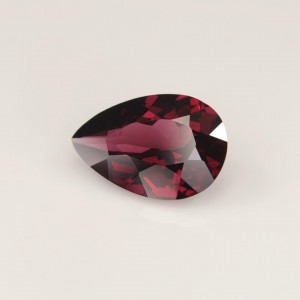
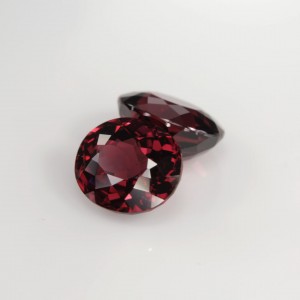
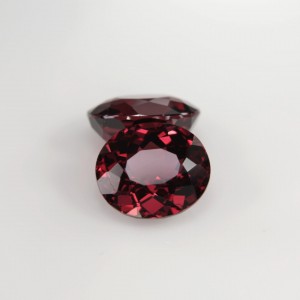
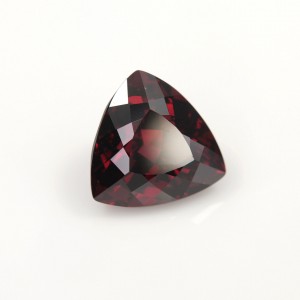
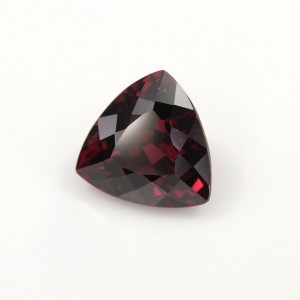
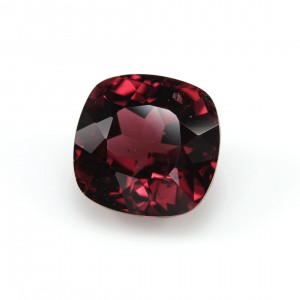
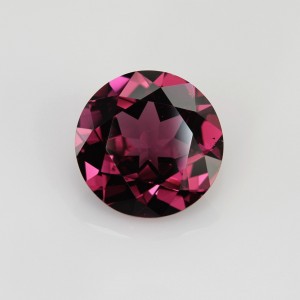
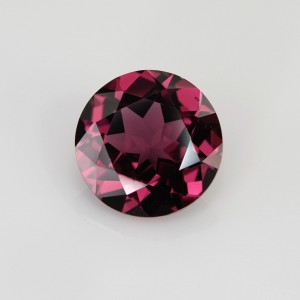
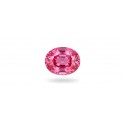
Rhodolite garnet is one of the most commercially successful and visually rewarding members of the entire garnet family. A natural pyrope-almandine mixture, it occupies the visual territory between the deep blood-red of pyrope and the iron-red of almandine, producing a lightened, more purple-red that many buyers find more immediately beautiful than either parent variety. Raspberry, rose-red, violet-red, grape — all these descriptors appear in the trade for rhodolite, and all are accurate for specific stones within its broad color range. What they share is the characteristic quality that defines rhodolite: a luminous, transparent, purple- inflected red that catches and holds light with exceptional brilliance.
Rhodolite was first formally described in an 1898 paper by W.E. Hidden and J.H. Pratt titled "On Rhodolite, a New Variety of Garnet," published in the American Journal of Science. The specimen came from Cowee Valley in Franklin, North Carolina, where pyrope-almandine garnets with an unusually light, rose-like color differing clearly from standard dark red almandine had been found. The name comes from the Greek "rhodon" (rose) and "lithos" (stone) — rose stone — a description that has remained apt across the full 125 years of the variety's commercial history.
Rhodolite Color Range by Origin
Rhodolite's color range is substantially broader than most buyers expect, and understanding how origin drives color is essential for intelligent purchasing. Different geological environments within the East African Mozambique Belt produce rhodolite with meaningfully different color characters.
Tanzania produces some of the finest rhodolite known, with material from the Umba Valley, the North Pare Mountains, and multiple other deposits covering a wide range from vivid pink- red to deeper purplish-red. The finest Tanzanian material displays exceptional clarity and brilliance. The North Pare Mountain material is particularly notable for occasionally displaying a color change from blue in daylight to purplish-red under incandescent light — an extraordinary property for a rhodolite.
Malawi is known for producing some of the brightest, most vivid rhodolite available. Malawi material tends toward open, saturated raspberry to vivid pink-red with outstanding clarity and light performance, making it particularly popular with jewelry designers seeking maximum visual impact.
Mozambique began producing significant rhodolite commercially in the 2010s, with material from Manica Province displaying a distinctive dominant purple color — strongly more purple than red, falling toward the grape garnet designation. GIA analysis of Mozambique material confirms compositions of 37 to 54 mol% pyrope and 40 to 55 mol% almandine, typical rhodolite chemistry but with higher iron content than most Tanzanian material contributing to the deeper purple tone.
Sri Lanka produces rhodolite with balanced pink-red tones that are comfortable and accessible across a wide size range. India's Orissa region produces material with sometimes stronger purple tone.
For detailed gemological information, read our Rhodolite Garnet Gemopedia Guide. See also our pyrope garnet collection and Pyrope Garnet Guide.
Rhodolite Named Subtypes
Several named subtypes have emerged from specific deposits and color characteristics. Grape garnet describes rhodolite with a deeply saturated, dark purple color driven by higher iron and manganese content — most commonly associated with Indian material from Orissa where the purple is intense and consistent. Umbalite was an older trade name for material from the Umba Valley of Tanzania with bright magenta-rose coloring and flashes of pale pink. The term overlaps with malaya in some trade usage and is less commonly used today. Raspberry rhodolite describes mid-tone, vivid pink- red material with excellent brilliance, most commonly associated with fine Malawi material.
Rhodolite Garnet Properties
Hardness: 7 to 7.5 Mohs
Refractive Index: 1.740 to 1.795 (varies by composition and origin)
Specific Gravity: 3.74 to 3.94
Crystal System: Isometric (cubic)
Cleavage: None
Luster: Vitreous
Treatment: None — entirely natural
Price and Value
Rhodolite garnet represents outstanding value in the colored gemstone market. Fashion-grade material ranges from $50 to $300 per carat. Fine vivid rhodolite with even color and excellent clarity commands $100 to $500 per carat. Exceptional large stones above 5 carats in top color and clarity can reach higher prices. Compared to pink sapphire or pink spinel of comparable appearance, rhodolite offers dramatically better value per unit of visual quality — entirely untreated, genuinely durable, and available in a wider range of sizes.
Browse our complete rhodolite garnet collection or explore the full natural garnet gemstone range.
Frequently Asked Questions
What is rhodolite garnet?
Rhodolite is a pyrope-almandine garnet mixture producing pink-red to purplish-red and raspberry colors. Named from the Greek for rose stone, it was first described from North Carolina in 1898 and today comes primarily from Tanzania, Malawi, Mozambique, and Sri Lanka. It is the most commercially popular variety in the pink-purple garnet category.
What is the color range of rhodolite?
Rhodolite ranges from light pinkish-red through vivid raspberry to deep purplish-red and grape. Malawi material tends toward bright vivid raspberry. Mozambique material shows dominant purple tones. Tanzanian material covers the full range. Sri Lankan material typically shows balanced pink-red. The pyrope-to-almandine ratio determines where any given stone falls in this range.
What is grape garnet?
Grape garnet is a trade name for deeply saturated dark purple rhodolite, most commonly associated with material from India's Orissa region. The color is driven by higher iron and manganese content producing a more pronounced purple tone than standard raspberry rhodolite.
Is rhodolite garnet treated?
No. Rhodolite is entirely natural and untreated. This is one of its most important commercial advantages over pink sapphire (routinely heated) and many other pink-purple gemstones.
How does rhodolite compare to pink sapphire?
Rhodolite offers comparable pink-purple color range to pink sapphire at a fraction of the price. Both are durable for all jewelry types. Pink sapphire (hardness 9 Mohs) is harder than rhodolite (7 to 7.5 Mohs) but most pink sapphires are heat-treated while rhodolite is always natural. For buyers who prioritize untreated natural gemstones, rhodolite is the stronger choice.
Can rhodolite garnet display asterism?
Yes, rarely. Some rhodolite garnets from East Africa contain needle-like inclusions that can produce a 4 to 6 rayed star effect when cut as cabochons. Star rhodolite is a collectible rarity within the variety.
What metal works best with rhodolite?
Rose gold and yellow gold complement rhodolite's warm pink-red tones beautifully. White gold and platinum create effective contrast that emphasizes the stone's color. All metal colors work well with different rhodolite tones — the choice depends on which aspect of the stone's color you want to highlight.
Clear ✖