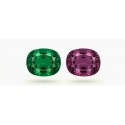
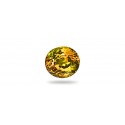
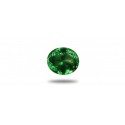
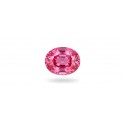
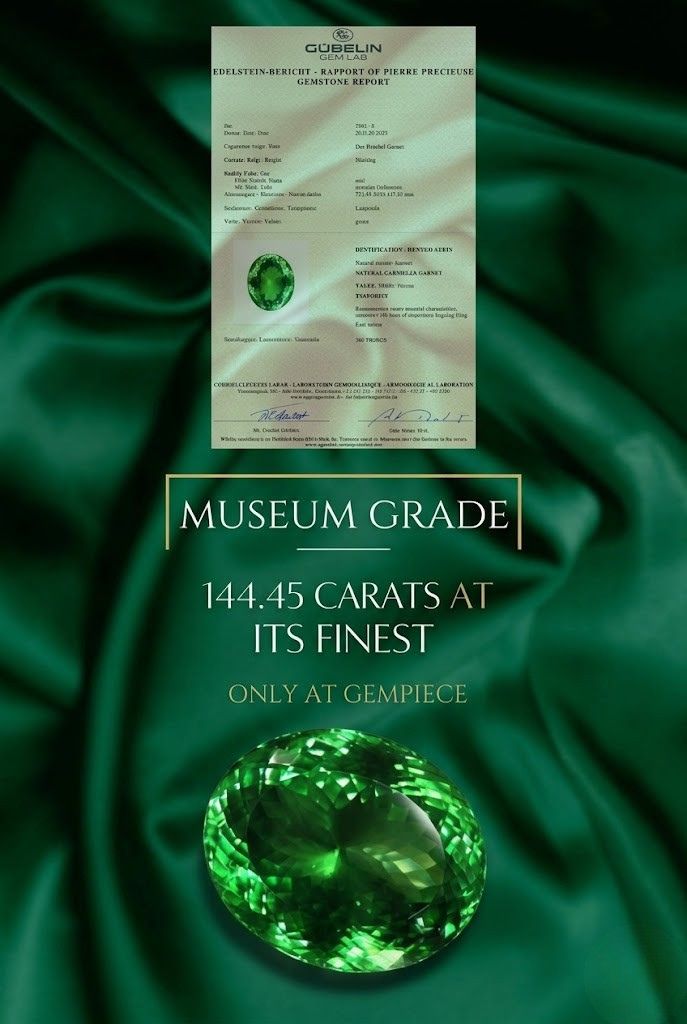
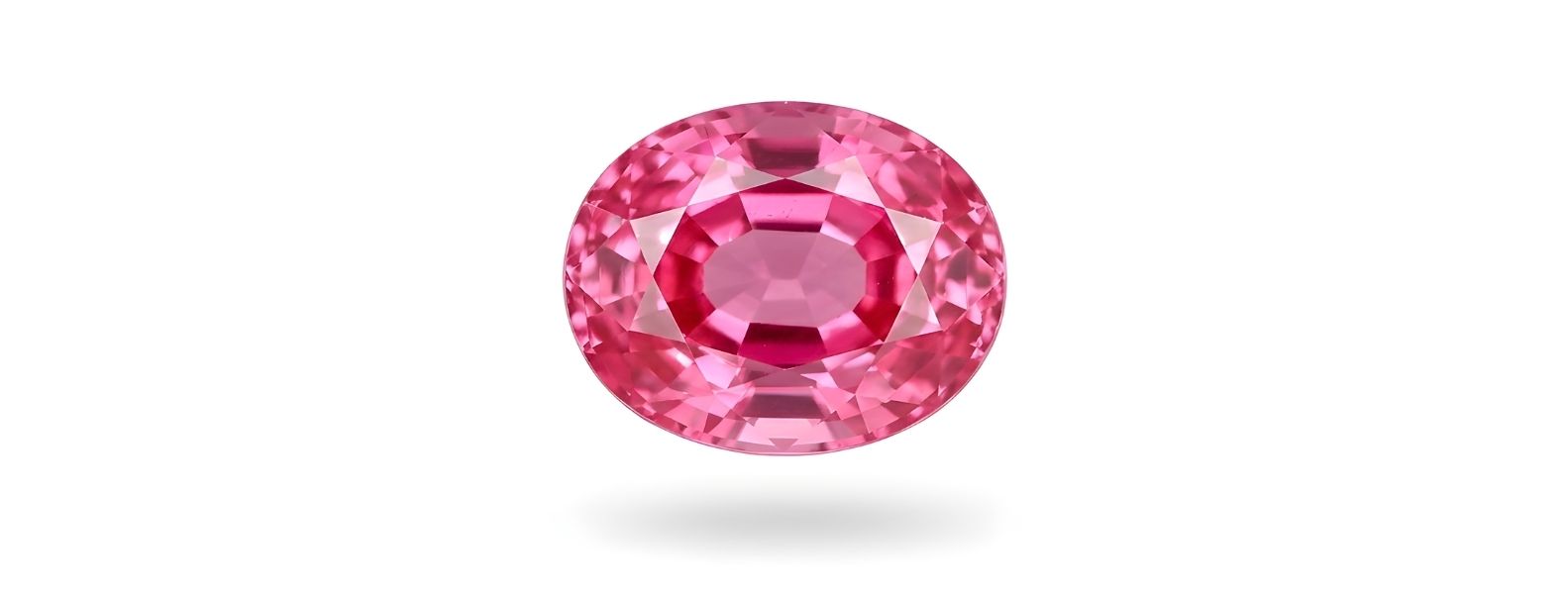
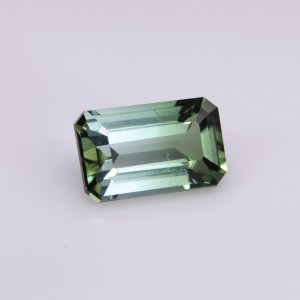
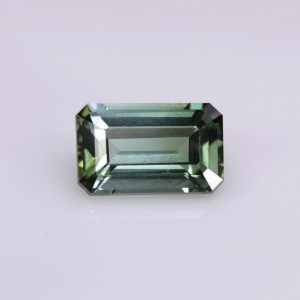
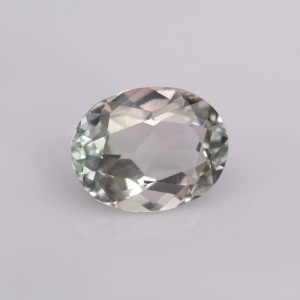
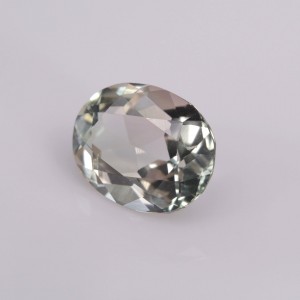
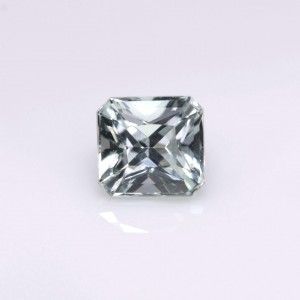
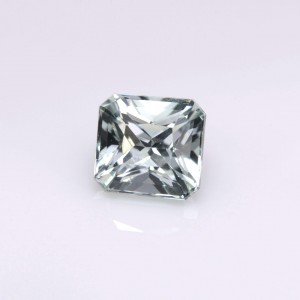
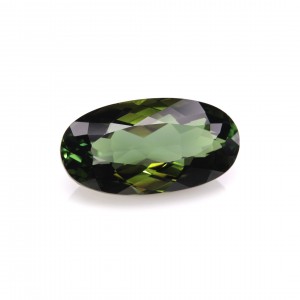
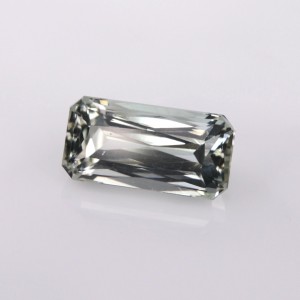
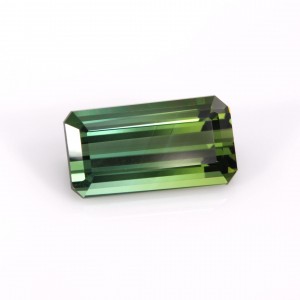
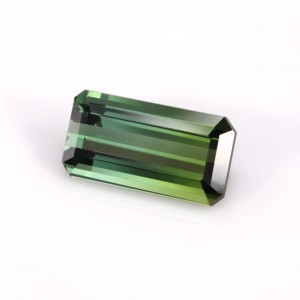
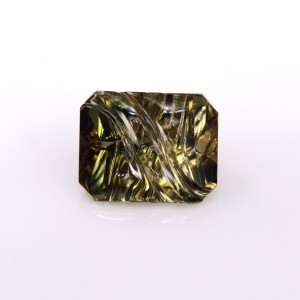
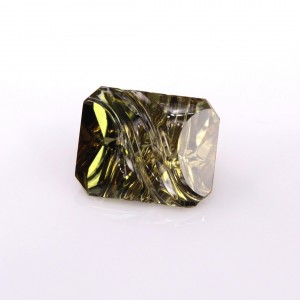
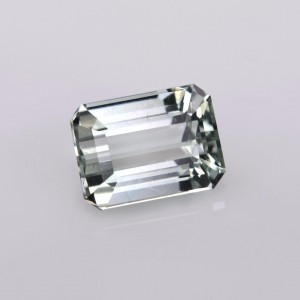
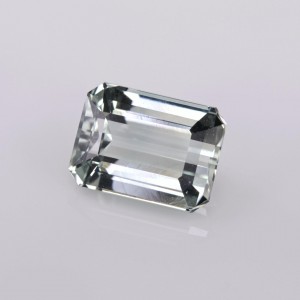
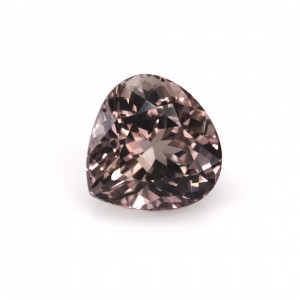
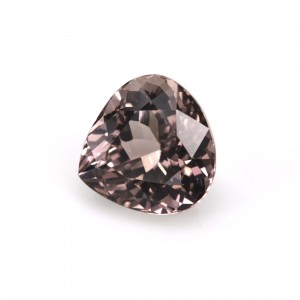
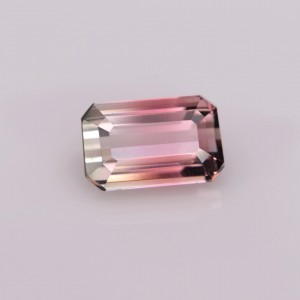
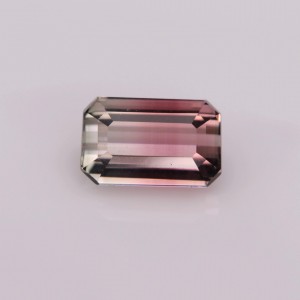
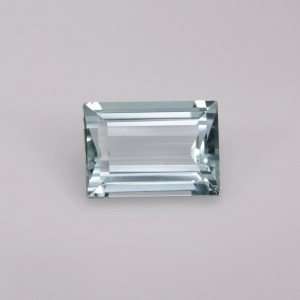
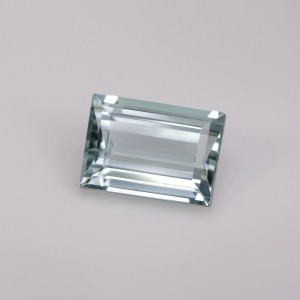
Buy natural tourmaline gemstones online in a wide range of colors including green, pink, blue and Paraiba.
Tourmaline is the rainbow gemstone, not as a marketing phrase but as a geological fact. No other mineral group on earth produces gem-quality crystals across the full visible spectrum, from the deepest black through vivid red, electric neon blue, intense green, warm pink, golden yellow, and colorless. A single tourmaline crystal can carry multiple colors simultaneously, shifting from pink at one end to green at the other with a white zone between them, because different trace elements were present in the pegmatite fluid at different moments during the millions of years it took for the crystal to grow. This ability to record geological chemistry in real time, in living color, within a single stone is what makes tourmaline unlike any other gemstone family.
At GemPiece, we source, cut, and offer natural tourmaline gemstones across the full color spectrum, from rare Brazilian Paraiba and Nigerian vivid pinks to Afghan mint greens, Tanzanian chrome, Namibian indicolite, and collector varieties in honey, cognac, and colorless achroite. Every stone is individually assessed, responsibly sourced, and available with certification from internationally recognized laboratories including GIA, GRS, AIGS, and GIT.
Tourmaline Varieties at GemPiece
Tourmaline encompasses dozens of distinct mineral species and hundreds of named color varieties. The following categories represent the most commercially significant and collector-valued types in our collection. Each variety has its own color chemistry, source geology, treatment characteristics, and value structure.
Paraiba tourmaline is the apex of the entire tourmaline family. A copper-bearing elbaite with a neon glow that no other gemstone in the world replicates, it was first discovered in Brazil's Paraíba state and is now also found in Mozambique and Nigeria. Paraiba commands prices from thousands to over $100,000 per carat for the finest Brazilian material. Read the full guide at Paraiba Tourmaline Guide.
Chrome tourmaline from Kenya and Tanzania is the most intensely saturated green tourmaline available, colored by chromium and vanadium. It rivals fine emerald in color intensity but is more durable, typically cleaner, and significantly more affordable. Read the Chrome Tourmaline Guide.
Green tourmaline (verdelite) spans the widest range within any single tourmaline color category, from pale mint and baby green through rich forest green and blue-green, colored primarily by iron. Nigeria, Mozambique, Afghanistan, and Brazil all contribute meaningfully to the supply. Read the Green Tourmaline Guide.
Pink tourmaline is one of the most commercially important tourmaline varieties, ranging from soft pastel pink through vivid rose and deep purplish-pink. The finest material comes from Nigeria and Mozambique. Rubellite, the deep red to purplish-red variety that holds its color under both daylight and incandescent light, sits at the premium end of this category. Read the Pink Tourmaline Guide.
Blue tourmaline (indicolite) is valued for its elegant dark blue to greenish-blue tones, produced by iron and titanium within the elbaite crystal structure. Fine indicolite from Namibia, now in extremely limited supply, and from Brazil, are the most prized. Read the Blue Tourmaline Guide.
Bi-color tourmaline, including the famous watermelon variety with its pink core and green rim, captures the geological storytelling of tourmaline in its most visible form. Each stone is a physical record of changing pegmatite chemistry during crystal growth. Read the Bi-color Tourmaline Guide.
Tourmaline cats eye is a rare variety where densely packed parallel hollow tubes within the crystal create a chatoyant band of light across the cabochon surface, one of the most striking optical phenomena in the tourmaline family. Read the Tourmaline Cats Eye Guide.
Other tourmalines covers the full spectrum of collector varieties including achroite (colorless), honey, cognac, champagne, canary yellow, siberite (lavender-violet), dravite (brown), and black schorl. Achroite is one of the rarest tourmalines in the world. Read the Other Tourmalines Guide.
Origins: Where the World's Finest Tourmalines Come From
Tourmaline is produced across multiple continents, and each origin produces material with distinct character. Understanding origin is essential for intelligent purchasing because the source significantly influences color, clarity, typical size, and market value.
Brazil is one of the most historically important tourmaline sources in the world, associated with the original Paraiba discovery in the late 1980s, exceptional bi-color and watermelon tourmaline from Minas Gerais, and fine green, pink, and blue material across multiple states. The Jonas Mine in Minas Gerais produced famous cranberry-red rubellite crystals of extraordinary size and quality.
African sources dominate the current commercial tourmaline market. Nigeria produces some of the most vivid pink tourmalines available today with color saturation that few other origins match. Mozambique has become critically important for Paraiba-type copper-bearing tourmaline in larger sizes with better clarity, as well as beautiful purplish-pink rubellite. Tanzania and Kenya are the primary sources of chrome tourmaline that rivals emerald. Namibia produces some of the rarest and finest blue indicolite in the world, though production is now extremely limited.
Afghanistan is celebrated for mint green tourmalines with a light, clean, fresh character that is distinct from the deeper verdelite of African and Brazilian sources. Pakistan produces similarly light green material. Afghanistan also produces mint green tourmalines from specific regions that GemPiece sources directly for collectors seeking subtle rather than saturated color.
Heat Treatment in Tourmaline: What Buyers Need to Know
Heating is the most common enhancement in the tourmaline trade and a standard, widely accepted practice across the industry. In their natural state, many tourmaline crystals appear darker, more muted, or slightly off-color relative to their potential. Controlled heating at carefully managed temperatures opens the color, improves brightness, and reduces unwanted brownish or grayish undertones. For pink tourmalines from Nigeria that are naturally darker, heating can transform the appearance dramatically, revealing a vivid, open pink of exceptional appeal.
Paraiba tourmaline heating is more nuanced than standard tourmaline heating. In their natural state, most Paraiba rough displays purplish, pinkish, or slightly bluish tones rather than the neon blue-green that defines Paraiba's commercial identity. The copper and manganese in the crystal structure undergo a specific chemical change during controlled heating that produces the signature neon transformation. This is not simple color enhancement but a complete chromophore transformation, driven by oxidation state changes of manganese within the copper-bearing structure. At GemPiece, we have extensive hands-on experience with this process and control temperature and timing precisely for each stone.
Heat treatment in tourmaline is permanent and stable. Chrome tourmaline is generally not treated, as its chromium-based color is naturally stable. Many blue tourmalines are also completely untreated. Not all pink or green tourmalines are heated; the decision depends on each individual piece of rough material.
Tourmaline Properties
Hardness: 7 to 7.5 Mohs, excellent durability for all jewelry types
Refractive Index: 1.624 to 1.644 (biaxial negative, varies by species)
Specific Gravity: 3.02 to 3.26 (varies by species)
Crystal System: Trigonal, the only common mineral with three-sided prisms
Cleavage: None, excellent toughness
Pleochroism: Strong, different color intensities visible from different angles
Dispersion: 0.017
Luster: Vitreous
Transparency: Transparent to opaque depending on variety
Quality and Value Factors
Color is the single most important value driver in tourmaline, more so than in almost any other gemstone family. Vivid, well-saturated, open color that maintains brightness under different lighting conditions commands the highest premiums. Among all tourmaline colors, neon blue Paraiba from Brazil sits at the absolute peak. Vivid red and purplish-red rubellite, fine indicolite, and chrome green from Tanzania follow.
Clarity standards vary significantly by variety. Green tourmaline is a Type I gemstone, usually eye-clean, while red and watermelon tourmalines are Type III, almost always included. Pink tourmaline sits between these extremes. Eye-clean material in any variety commands meaningful premiums over included equivalents.
Size adds consistent premiums across all varieties. Paraiba above 2 carats in fine color is exceptionally rare from any source. Chrome tourmaline above 2 carats in vivid clean material commands collector premiums. Fine indicolite above 5 carats is genuinely scarce. Cut quality significantly affects visual performance because of strong pleochroism, making proper orientation during cutting essential for every tourmaline.
GemPiece Quality and Certification
At GemPiece, every tourmaline is individually sourced, assessed, and where cut in-house, processed with full control over orientation, proportioning, and treatment decisions. We do not deal in synthetic or lab-created tourmalines. Our stones are 100% natural and sourced from trusted suppliers across Brazil, Nigeria, Mozambique, Tanzania, Kenya, Afghanistan, and Namibia.
Certification is available from Bangkok laboratories including AIGS and GIT, and from international laboratories including GIA and GRS, for any stone in our collection. For premium collector-grade and investment-grade tourmalines, particularly fine Paraiba, many pieces are not listed online and are available for serious buyers through private inquiry.
Tourmaline as the October Birthstone
Tourmaline is one of two official birthstones for October, sharing the designation with opal. It is also the traditional gift for the 8th wedding anniversary. Its extraordinary color range makes it the most flexible birthstone available, with a tourmaline for every taste, every budget, and every aesthetic preference.
Frequently Asked Questions
What is tourmaline?
Tourmaline is a complex boron cyclosilicate mineral group encompassing over 30 mineral species, known for producing gem-quality crystals in virtually every color of the visible spectrum. It is one of October's birthstones and the gemstone with the widest natural color range of any mineral family on earth. Most gem tourmaline belongs to the elbaite species, which produces the vivid pinks, greens, blues, and multicolor varieties seen in jewelry.
Which tourmaline is the most valuable?
Paraiba tourmaline is the most valuable variety, with top-quality Brazilian Paraiba commanding over $100,000 per carat at auction. Its neon blue-green color, caused by copper and manganese, is unique in the gemstone world. After Paraiba, fine rubellite (vivid red tourmaline), indicolite (deep blue), and chrome tourmaline (emerald-like green from Tanzania) represent the most valuable collector categories.
Are tourmalines treated?
Heating is a standard and widely accepted practice for many pink, green, and Paraiba tourmalines. It improves color by opening and brightening the stone's natural hue and is permanent and stable. Chrome tourmaline is generally not treated. Not all tourmalines are heated as the decision depends on the individual rough material. At GemPiece, treatment status is fully disclosed for every stone.
What causes tourmaline's different colors?
Different trace elements produce different colors. Manganese creates pink to red; iron produces green, blue, and yellow; chromium creates intense emerald-like green in chrome tourmaline; copper combined with manganese produces the neon blue-green of Paraiba tourmaline. Color change within a single crystal results from changing trace element chemistry during crystal growth in the pegmatite environment.
Is tourmaline good for everyday jewelry?
Yes. At 7 to 7.5 Mohs hardness with no cleavage, tourmaline is among the most durable colored gemstones for daily wear. It is suitable for rings, pendants, earrings, and bracelets across all setting types. The absence of cleavage means it does not split under impact the way topaz or moonstone can.
Where is tourmaline found?
Major sources include Brazil (Paraiba, bi-color, rubellite), Nigeria (vivid pink), Mozambique (Paraiba, pink, rubellite), Tanzania and Kenya (chrome), Namibia (blue indicolite), Afghanistan and Pakistan (mint green), Madagascar (multiple colors), and Sri Lanka. Each origin has distinct color and quality characteristics.
What is the difference between tourmaline and Paraiba tourmaline?
Paraiba tourmaline is a specific variety of elbaite tourmaline that contains copper as the primary chromophore. This copper content produces a neon glow that standard tourmaline colored by iron, manganese, or chromium cannot replicate. All Paraiba tourmalines are tourmalines, but only copper-bearing elbaite with the characteristic neon color qualifies as Paraiba.