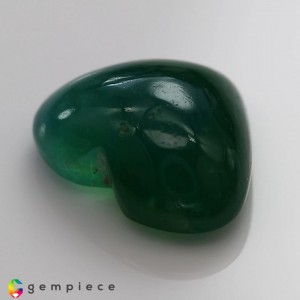
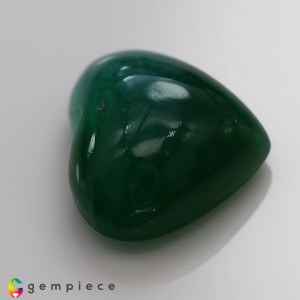
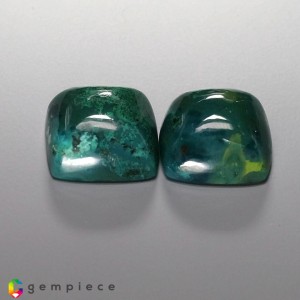
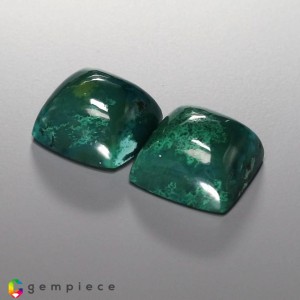
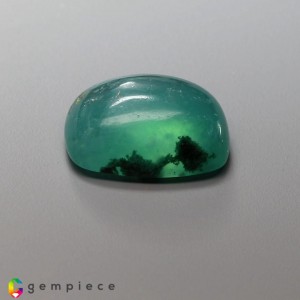
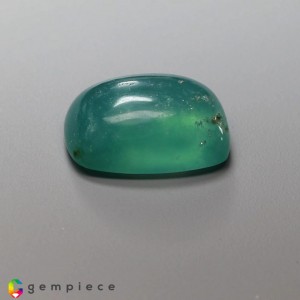
Buy Natural Gemsilica – Vivid Blue-Green Copper Gem Online
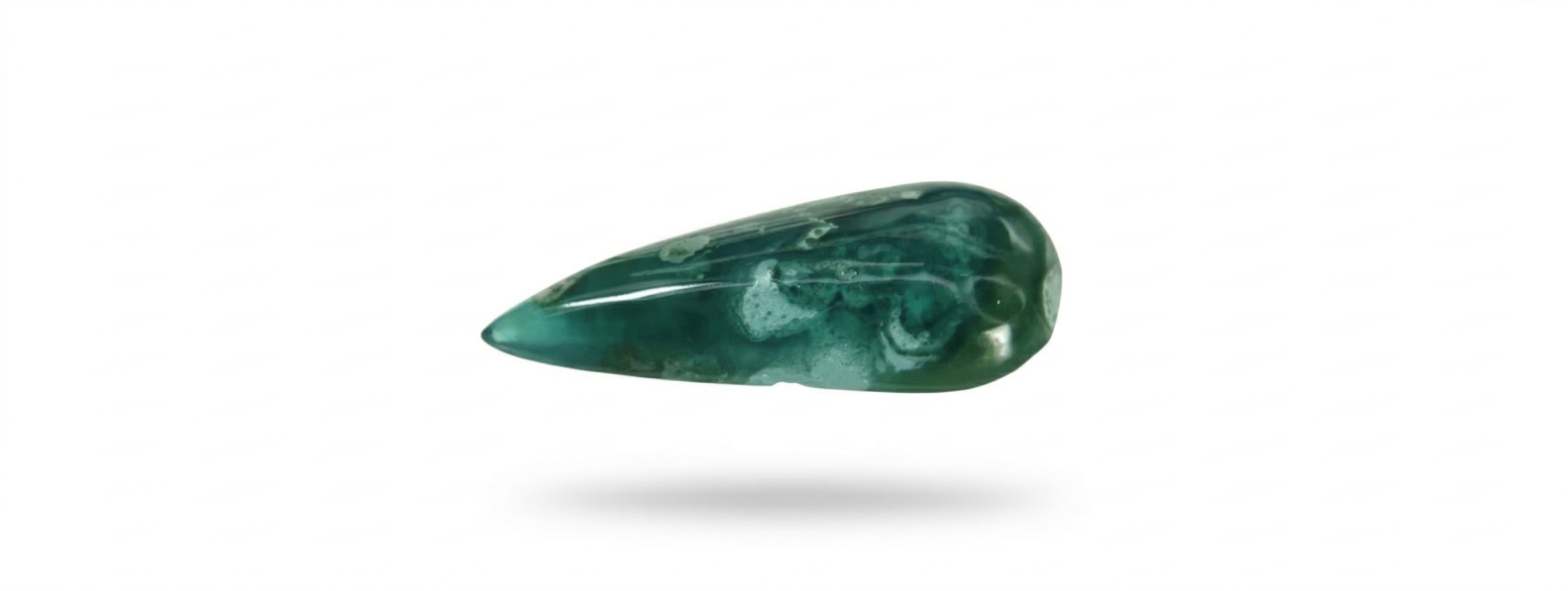
Gemsilica — also known commercially as chrysocolla chalcedony — is the most vivid and valuable variety of chalcedony in the gem world, a copper-bearing silicon dioxide gemstone that produces a uniquely intense blue-green to teal color unmatched by any other opaque or translucent gemstone species. The combination of chalcedony's silica microcrystalline structure with chrysocolla's copper mineral content creates a gemstone that has been compared to fine turquoise, fine aquamarine, and even paraíba tourmaline in color intensity — yet gemsilica is a distinct material that defies easy comparison, producing a saturated, electric blue-green that is immediately identifiable to those who have seen fine specimens. Found in small quantities from copper mining districts in Arizona, Peru, and Indonesia, gemsilica represents genuine rarity combined with exceptional color in a material that remains undervalued relative to its visual impact.
Read our complete gemsilica gemstone guide (view collection) covering mineralogy, chrysocolla relationship, Arizona and Peru origins, and value — or explore our natural gemsilica collection.
What Is Gemsilica — Chrysocolla and Chalcedony
The name gemsilica refers to chalcedony — microcrystalline quartz (SiO₂) — that has been impregnated with chrysocolla, a copper silicate hydroxide mineral. Chrysocolla itself is too soft and fragile to be used as a faceted gemstone — it typically measures only 2 to 4 on the Mohs scale and is too brittle for commercial jewelry use in pure form. However, when chrysocolla is intimately mixed with or impregnated within the harder silica matrix of chalcedony during geological formation, the copper mineral's vivid blue-green color is combined with the structural strength and durability of chalcedony. The result is a gemstone with hardness of approximately 6.5 to 7 — the hardness of chalcedony — displaying the extraordinary copper blue-green color of chrysocolla in a durable, workable form.
The term chrysocolla chalcedony is also widely used in the trade, and some suppliers use the terms interchangeably with gemsilica. The key characteristic is the combination of the chalcedony silica structure with copper mineral impregnation producing the distinctive color.
Color — The Defining Feature
The color of fine gemsilica ranges from a soft sky blue through vivid turquoise to intense blue-green and teal — all produced by the copper content of the chrysocolla component within the silica matrix. The most prized gemsilica displays a deeply saturated, pure blue-green or teal with high color uniformity across the stone. Lesser material shows paler or more mottled color distribution. The finest specimens from Arizona's copper mines and from Peru produce a color so vivid and pure that it has genuinely few peers among opaque and translucent gemstone materials. The color is entirely natural — copper content from geological processes — and requires no treatment.
Origins and Sources
Arizona, USA is the most historically significant and prestigious source of fine gemsilica, particularly from the copper mining districts of Miami-Globe, Morenci, Ray, and Bagdad. Arizona gemsilica with intense, uniform teal color and high translucency represents the collector benchmark for the species. Peru produces fine gemsilica from its copper mining regions, offering material comparable to Arizona in color quality. Indonesia — specifically the Irian Jaya (Papua) copper deposits — produces gemsilica occasionally associated with the giant Grasberg copper mine. The geological association with major copper deposits means that gemsilica supply is a byproduct of copper mining rather than a dedicated gem operation — contributing to its scarcity and irregular availability.
Hardness and Durability
Gemsilica has a hardness of approximately 6.5 to 7 — the hardness of its chalcedony host — making it significantly more durable than pure chrysocolla and suitable for use in jewelry including pendants, earrings, brooches, and protected ring settings. The microcrystalline structure of chalcedony has no cleavage, giving gemsilica good toughness. With protective settings for ring use and standard gem care, gemsilica is a practical jewelry material despite its semi-precious classification.
Treatment Status
Natural gemsilica is not treated. The vivid blue-green color is entirely natural, produced by copper mineral impregnation of the chalcedony during geological formation. No dye, coating, or enhancement is required or applied to quality gemsilica. Some lower-quality chrysocolla-bearing material on the market may be stabilized or dyed — always purchase from suppliers who provide explicit natural origin documentation. GemPiece provides full disclosure on all gemsilica specimens.
Value and Buying Considerations
Color intensity and uniformity are the primary value drivers — deeply saturated, pure blue-green material with even color distribution commands the highest prices. Translucency level is a secondary factor — more translucent material with depth of color commands premiums over opaque specimens of similar color. Arizona origin is the benchmark for collector provenance. Natural untreated status should be confirmed. Gemsilica remains significantly underpriced relative to its visual impact — fine Arizona or Peru teal material is one of the most striking gemstone materials available at accessible price points for its color quality.
Explore Other Blue-Green Gemstones
Grandidierite (view collection),
kyanite (view collection), and
diaspore (view collection).
Frequently Asked Questions
What is gemsilica?
Gemsilica is chalcedony (microcrystalline quartz) impregnated with chrysocolla — a copper silicate mineral — producing a uniquely vivid blue-green to teal color in a durable silica matrix. The copper color of chrysocolla combined with the structural hardness of chalcedony creates the most vivid and valuable variety of chalcedony known.
Is gemsilica the same as chrysocolla?
No. Pure chrysocolla is too soft (Mohs 2–4) and fragile for jewelry use. Gemsilica is chalcedony (Mohs 6.5–7) that has been impregnated with chrysocolla during geological formation — the chrysocolla provides the vivid blue-green color while the chalcedony provides durability. The two terms are sometimes used loosely but refer to different materials.
Where does gemsilica come from?
The finest gemsilica comes from copper mining districts in Arizona, USA (Miami-Globe, Morenci, Ray, Bagdad regions). Peru and Indonesia (Grasberg mine, Irian Jaya) are secondary sources. Supply is a byproduct of copper mining rather than dedicated gem extraction, contributing to irregular availability.
Is gemsilica treated?
Natural gemsilica is not treated. The vivid blue-green color is entirely natural from copper mineral impregnation. No dye, coating, or stabilization is applied to quality natural gemsilica.
Is gemsilica the same as turquoise?
No. Both are copper-bearing blue-green minerals but they are entirely different species. Turquoise is a copper aluminum phosphate. Gemsilica is copper-impregnated chalcedony (silica). The two can appear similar in color but differ in mineralogy, physical properties, and geological origin.
Is gemsilica durable for jewelry?
Yes. With chalcedony hardness of 6.5 to 7 and no cleavage, gemsilica is suitable for pendants, earrings, brooches, and protected ring settings with standard care.