Menu
Your Cart

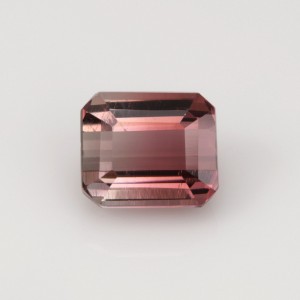
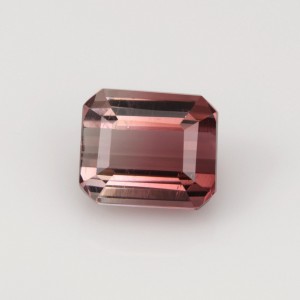
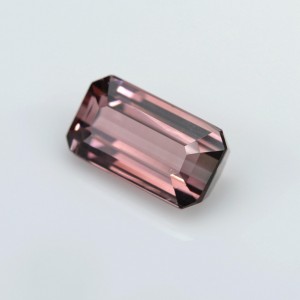
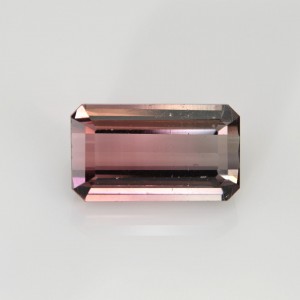
Natural Bi-Color Tourmaline Gemstones (Watermelon Collection)

Natural Bi-Color Tourmaline (Watermelon) Gemstone

Buy Natural Bi-Color & Watermelon Tourmaline Gemstones in Unique Color Combinations

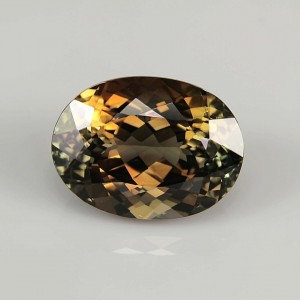
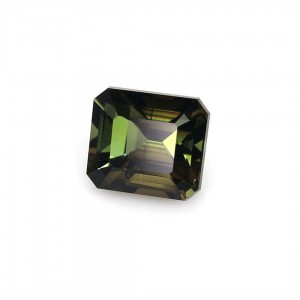
Bi-color tourmaline is geological storytelling made visible. When a tourmaline crystal growing slowly in a pegmatite pocket over millions of years encounters a change in the surrounding fluid chemistry, a shift in manganese concentration, an influx of iron, a change in temperature or pressure, the growing crystal records that change in real time as a color shift. The result is a single crystal carrying two or more distinct colors within one stone, with a transition that ranges from gradual to razor-sharp depending on how quickly the geological chemistry changed. No treatment, no dye, no artificial process, just chemistry, time, and the patience of geology.

Among bi-color tourmalines, the watermelon variety is the most celebrated and most immediately recognized. A cross-section cut perpendicular to the crystal's length reveals a pink or red center, a white to pale transitional zone, and a green outer rim matching the exact color arrangement of a slice of watermelon. This specific zoning pattern occurs because manganese (which produces pink and red) was abundant in the early stage of crystal growth, then the pegmatite fluid composition changed and iron (which produces green) became dominant as the crystal continued growing outward.


Bi-color Tourmaline Color Combinations

While watermelon is the most famous bi-color combination, the full range of bi-color tourmaline encompasses far more diversity than pink and green alone. The classification applies to any tourmaline displaying two or more distinct colors within a single crystal or finished gem, and the possible color pairings reflect the full chemistry of the elbaite family.

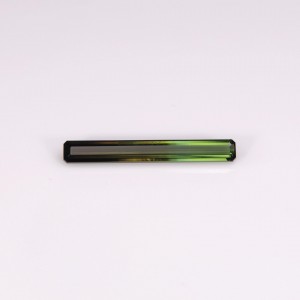
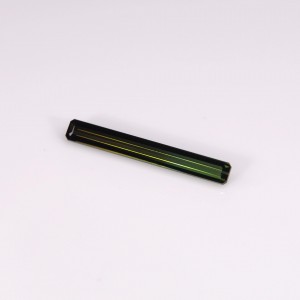
Green-to-blue bi-color tourmaline, where the crystal transitions from green verdelite to blue indicolite along its length, is particularly prized by collectors. Pink-to-yellow, pink-to-colorless, orange-to-green, blue-to-pink, and red-to-green combinations all exist and command collector interest in proportion to the vividness of each color zone, the sharpness of the transition, and the visual impact of the combination.

Some exceptional crystals from Brazil's Minas Gerais carry three or more distinct color zones, making them tri-color or multi-color rather than strictly bi-color. A documented crystal from the Pederneira Mine showed a base of red tourmaline transitioning sharply to blue-green along its length, a single crystal carrying both rubellite and indicolite chemistry simultaneously.

For comprehensive gemological information, read our Bi-color Tourmaline Gemopedia Guide. Browse related varieties including pink tourmaline, green tourmaline, and other tourmalines, with guides at Pink Tourmaline Guide, Green Tourmaline Guide, and Other Tourmalines Guide. See the complete Tourmaline Gemstone Guide and browse our full natural tourmaline collection.


Cutting Bi-color Tourmaline: Slices, Cabochons, and Faceted Gems

The way bi-color tourmaline is cut determines what color story the finished gem tells. Three distinct cutting approaches are used for bi-color material, each producing a fundamentally different visual effect.

Cross-section slices, cuts perpendicular to the crystal's length, reveal the classic watermelon arrangement showing concentric rings of color from center outward. These polished slices are among the most recognized forms of natural gemstone art, displaying the geological record of the crystal's formation in a single flat surface. True radial (concentric ring) zoning of this type is genuinely rare, occurring in less than 5% of all bi-color tourmaline rough.

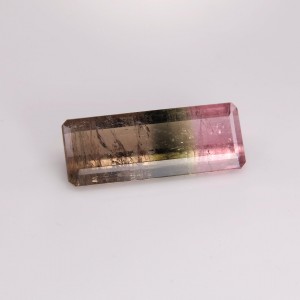
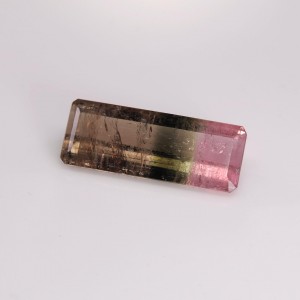
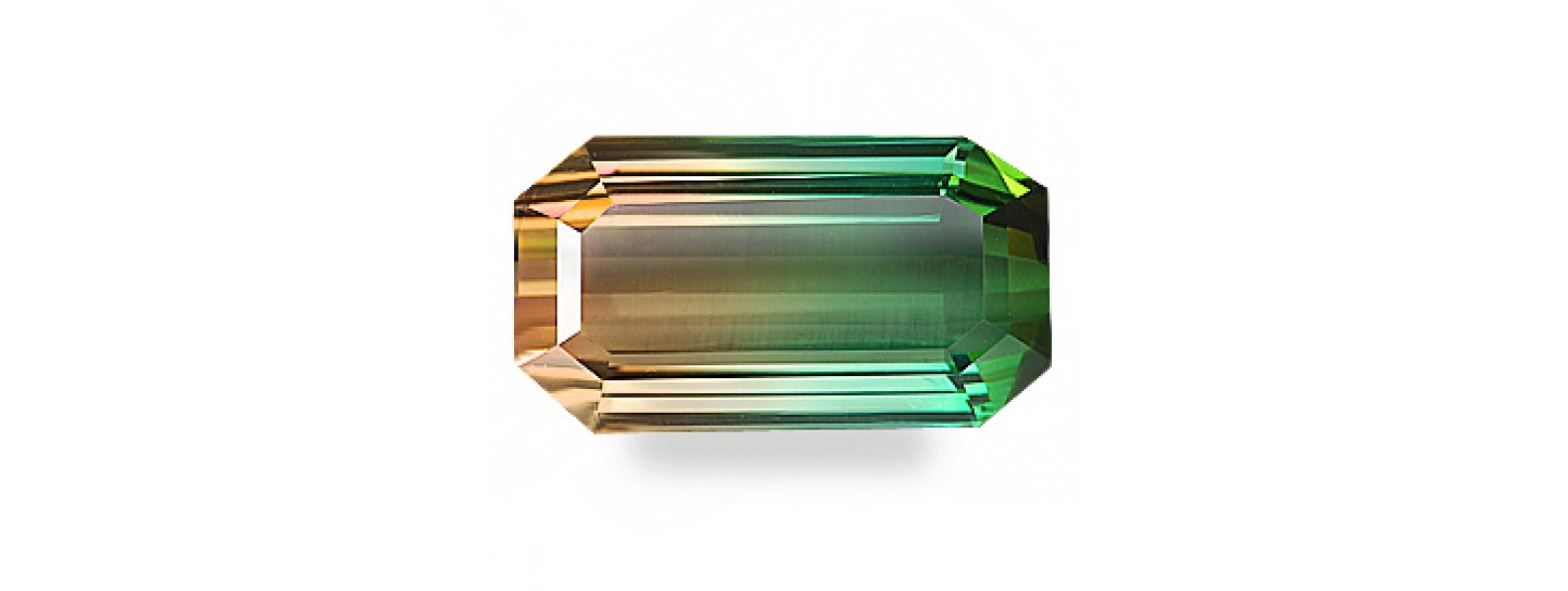
Lengthwise cuts, parallel to the crystal's length, reveal parallel color bands running along the stone where each band represents a growth period. These produce two or more distinct color zones side by side rather than surrounding each other, and represent the more common cutting orientation for bi-color faceted gems.

Diagonal cuts can position the color junction across the face of the finished gem at any angle, from a 45-degree split between two equal zones to a slanted gradient creating an impression of continuous color change. Skilled cutters at GemPiece evaluate each rough piece individually to determine which cutting approach will produce the most visually compelling finished stone.


Sources and Availability

Brazil's Minas Gerais state is the most important and historically celebrated source of bi-color tourmaline, including the finest watermelon material. The Cruzeiro Mine in São José da Safira is particularly famous for exceptional watermelon tourmaline specimens with vivid pink-to-green zoning and good crystal clarity. Nigerian bi-color material has become increasingly important as Brazilian supply becomes more limited, particularly pink-to-green and pink-to-yellow combinations. Madagascar produces multi-color liddicoatite with complex triangular zoning. Afghanistan and the USA (Maine) also produce notable bi-color material.


Properties

Species: Primarily elbaite
Hardness: 7 to 7.5 Mohs
Refractive Index: 1.624 to 1.644
Specific Gravity: 3.02 to 3.20
Cleavage: None
Pleochroism: Moderate to strong, varies by color zone
Treatment: Generally none; natural color zoning is entirely unenhanced


Value and Price

Bi-color tourmaline value is driven primarily by the visual impact of the color combination rather than by color quality in any single zone. The most important factors are the vividness of each color zone, the sharpness and completeness of the transition between zones, and the overall balance of the color display across the face of the finished gem.

Fine bi-color faceted gems with vivid colors in both zones and sharp transitions range from $100 to $500 per carat in standard commercial sizes. Exceptional large watermelon slices with vivid concentric zoning and minimal inclusions command $200 to $1,000 per carat or higher for the finest pieces. Browse our complete bi-color tourmaline collection or explore the full natural tourmaline range.


Frequently Asked Questions

What is bi-color tourmaline?

Bi-color tourmaline is a variety that displays two or more distinct colors within a single crystal, formed naturally during pegmatite crystal growth when fluid chemistry changes. The color zoning is entirely natural and not produced by any treatment.

What is watermelon tourmaline?

Watermelon tourmaline displays a pink or red center surrounded by a white zone and green outer rim, mimicking a watermelon slice. The pattern occurs naturally from changing manganese and iron concentrations during crystal growth. True concentric watermelon zoning is found in less than 5% of bi-color tourmaline rough.

What colors can bi-color tourmaline display?

Almost any tourmaline color combination is possible: pink-green (watermelon), green-blue, pink-yellow, orange-green, blue-pink, red-green. Some crystals carry three or more zones (tri-color or multi-color).

Is bi-color tourmaline treated?

Watermelon and most bi-color material is not treated. Natural color zoning is the primary value feature and heating would alter it. Treatment status is fully disclosed at GemPiece.

How is bi-color tourmaline cut?

Three approaches are used: cross-section slices showing concentric rings, lengthwise cuts showing side-by-side color bands, and diagonal cuts showing the transition across the face at various angles. The choice depends on the crystal's specific zoning pattern.

Where does bi-color tourmaline come from?

Brazil (Minas Gerais, particularly the Cruzeiro Mine) is the most important source. Nigeria, Madagascar, Afghanistan, and Maine (USA) also produce significant bi-color material. Brazilian watermelon tourmaline from Minas Gerais commands the highest market premiums.


Clear

Explore Latest Bi-Color Tourmaline Gemstone Collections

Total Products : 92
SKU: GEM26014060
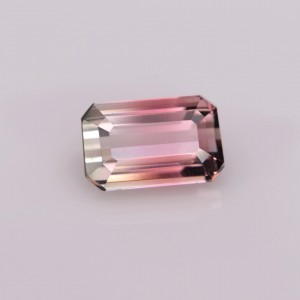
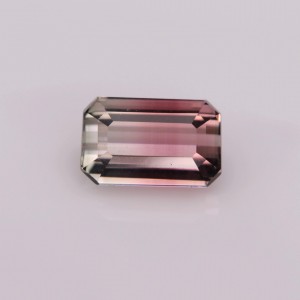
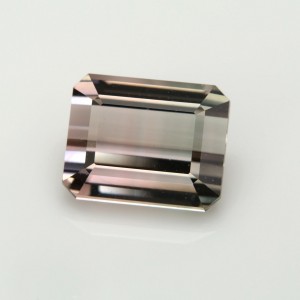
Featuring a Pink to Champagne hue, this Bi-color Tourmaline reveals a vibrant and lively appearance. Well suited for frequent use, combining durability with natural characteristics. Recognized across major gemstone markets, it maintains steady demand among global buyers. A carefully cut Emerald Cut ..
$54.00
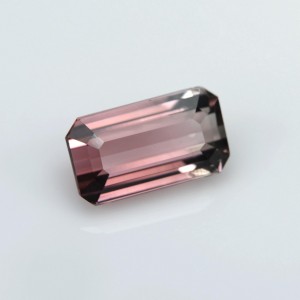
SKU: GEM25124037
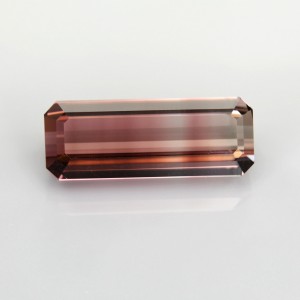
This Bi-color Tourmaline displays a Pink to Champagne color with good clarity and strong reflection. Its blend of color and accessible pricing makes it a versatile choice for everyday wear. Widely accepted in global jewelry trade, this gemstone remains consistently relevant. With 2.11 carats and a E..
$98.00
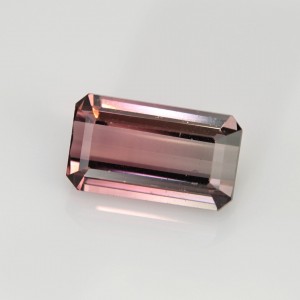
SKU: GEM25114012
With a Pink to Champagne hue, this Bi-color Tourmaline shows an even color spread with a natural appearance. Color stability maintains its natural appearance. Appreciated worldwide by collectors and jewelry designers. This natural Bi-color Tourmaline weighing 3.47 carats in Emerald Cut form presents..
$164.00
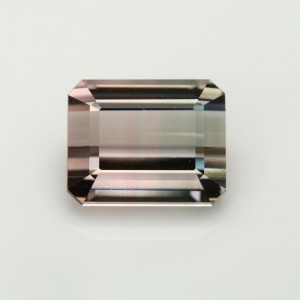
SKU: GEM25113987
With a Baby Pink to Champagne hue, this Bi-color Tourmaline shows an even color spread with a natural appearance. Natural clarity and color contribute to its overall attractiveness. Appreciated by international buyers for its natural beauty and appeal. With 2.39 carats and a Emerald Cut cut, this Bi..
$109.00
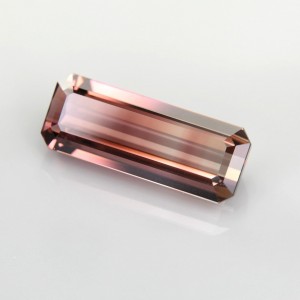
SKU: GEM25103971
We secured this Bi-color Tourmaline for the intensity of its Pink to Baby Pink hue, a standard that is increasingly difficult to source. This gem carries a natural visual harmony, allowing light to travel cleanly across its surface. With an Emerald cut, this 11.02 carat Bi-color Tourmaline displays ..
$999.00
SKU: GEM25103949
This Bi-color Tourmaline presents a Pink to Champagne color with even color distribution and depth. An accessible option for buyers seeking attractive natural gemstones. Commonly used in jewelry worldwide, it holds relevance in both local and international trade. A 1.86 carat Bi-color Tourmaline cut..
$54.00
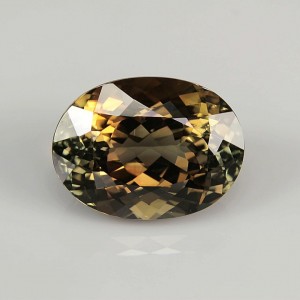
SKU: GEM25093900
This Bi-color Tourmaline presents a Honey Pink to Honey Green color with strong depth and clear definition. This gemstone offers natural visual quality suitable for regular wear. Valued across different countries, it holds strong presence in gemstone trade. Weighing 7.73 carats, this Bi-color Tourma..
$494.00
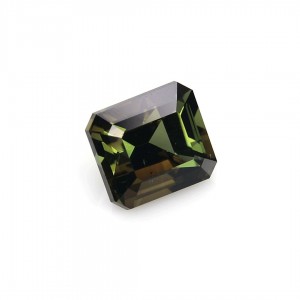
SKU: GEM25063808
With a Honey Green hue, this Bi-color Tourmaline reflects strong color depth and natural vibrancy. This gemstone offers natural visual quality suitable for regular wear. A gemstone known across worldwide markets for its steady demand. This 2.11 carat Bi-color Tourmaline in Emerald Cut displays a Hon..
$54.00
SKU: GEM25053803
With a Pink to Champagne hue, this Bi-color Tourmaline shows an even color spread with a natural appearance. A reliable gemstone choice for regular use. Valued across multiple regions for its balanced color and clarity. This Bi-color Tourmaline gemstone weighing 5.42 carats is cut in Emerald Cut, pr..
$499.00
SKU: GEM25033724
This Bi-color Tourmaline exhibits a Pink to Champagne hue with fine scintillation and precise faceting. A balance of durability and visual quality makes it suitable for daily wear. Known across international markets for its steady demand and acceptance. This natural Bi-color Tourmaline weighing 11.1..
$483.00
SKU: GEM25033716
This Bi-color Tourmaline reflects a Honey to Green color with even distribution and visual richness. A versatile gemstone with consistent color and clarity. Commonly used in jewelry worldwide, it holds relevance in both local and international trade. Cut in Octagon, this Bi-color Tourmaline weighing..
$54.00
SKU: GEM25023657
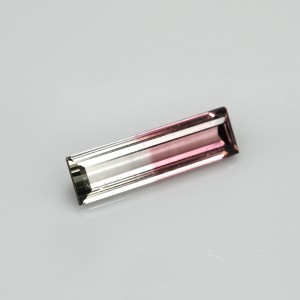
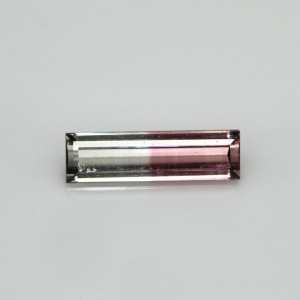
Characterized by a Pink to Champagne hue, this Bi-color Tourmaline displays natural brilliance and depth. Offering both affordability and natural beauty, it remains a popular choice. Recognized globally for its quality and presence in established gemstone markets. A Baguette Bi-color Tourmaline weig..
$109.00
Showing 1 to 12 of 92 (8 Pages)
Kindly sign up to get complete benefit of the site with special deals and promotions on most of our products.