
Clear ✖
Explore Latest Bi-Color Tourmaline Gemstone Collections
Total Products : 96
SKU: GEM23103147
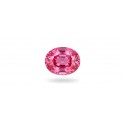
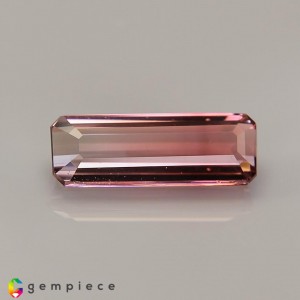
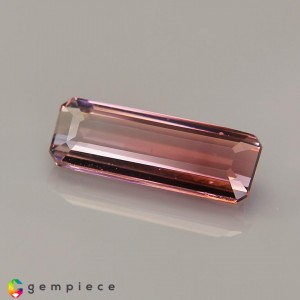
With a Pink to Baby Pink hue, this Bi-color Tourmaline reflects strong color depth and natural vibrancy. Its natural formation ensures consistent quality across the stone. A gemstone with strong international presence and wide acceptance. This 2.68 carat Bi-color Tourmaline in Emerald Cut displays a..
$98.00


SKU: GEM23103121
This Bi-color Tourmaline features a Pink to Champagne color with even tone and smooth finish. This gemstone offers natural visual quality suitable for regular wear. Recognized across major gemstone markets, it maintains steady demand among global buyers. This natural Bi-color Tourmaline weighing 3.5..
$164.00
SKU: GEM23052976
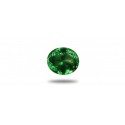
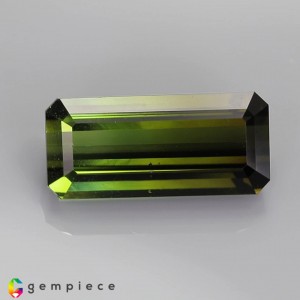
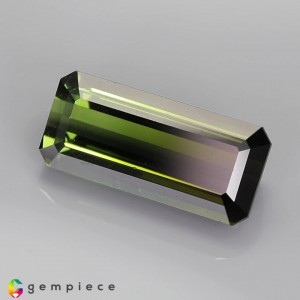
This Bi-color Tourmaline reflects a Honey Green to Green color with even distribution and visual richness. An accessible option for buyers seeking attractive natural gemstones. Valued by jewelers across different regions, this gemstone is suitable for various jewelry styles. A Emerald Cut cut Bi-col..
$131.00
SOLD - Out Of Stock
SKU: GEM23032923
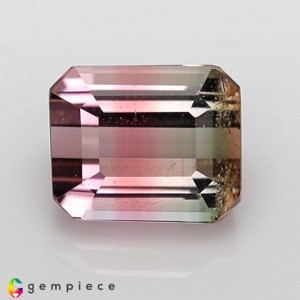
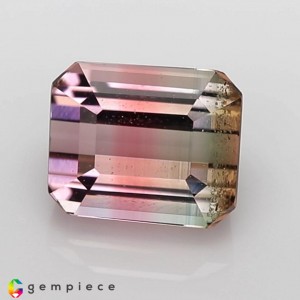
With a Pink to Champagne color, this Bi-color Tourmaline maintains an even tone and smooth finish. Its natural beauty makes it a good choice for regular use. Appreciated worldwide by collectors and jewelry designers. At a size of 7.24x5.93x4.66 mm, this Bi-color Tourmaline weighing 1.93 carats displ..
$32.00

SKU: GEM22112847
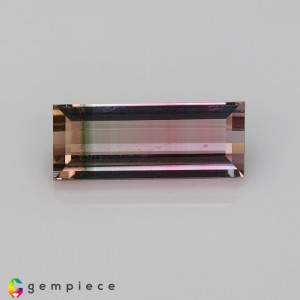
This Bi-color Tourmaline displays a Pink to Mild Green color with good clarity and strong reflection. A good option for budget-conscious buyers seeking both value and appearance. Valued by jewelers across different regions, this gemstone is suitable for various jewelry styles. Cut in Baguette, this ..
$54.00
SOLD - Out Of Stock
SKU: GEM22112799
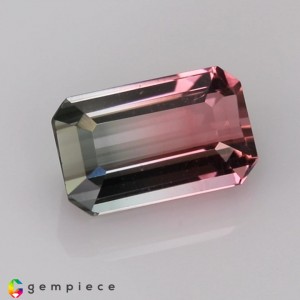
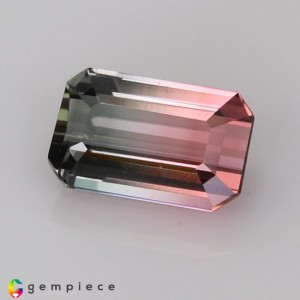
This Bi-color Tourmaline presents a Pink to Mild Green color with strong depth and clear definition. Reasonable value combined with natural beauty supports regular use. A gemstone known across worldwide markets for its steady demand. Cut in Emerald Cut, this Bi-color Tourmaline weighing 1.35 carats ..
$65.00


SKU: GEM22102780
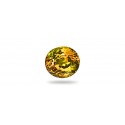
This Bi-color Tourmaline highlights a Green Yellow color with crisp internal reflections and a clean finish. Reasonable value combined with natural beauty supports regular use. A gemstone known across worldwide markets for its steady demand. A Oval cut Bi-color Tourmaline weighing 2.31 carats displa..
$87.00


SKU: GEM22102719
With a Blue Green hue, this Bi-color Tourmaline reflects strong color depth and natural vibrancy. Its natural formation enhances its overall appearance. A gemstone with strong international presence and wide acceptance. At 6.51 carats, this Emerald Cut cut Bi-color Tourmaline presents a Blue Green t..
$384.00
SKU: GEM22092701
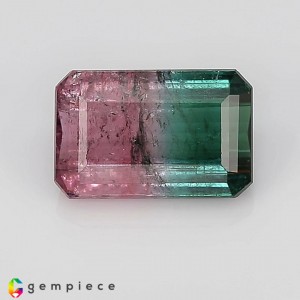
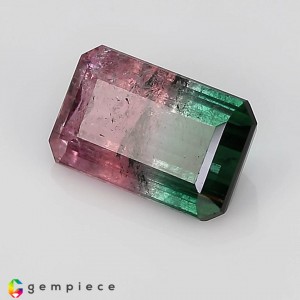
Characterized by a Pink to Green hue, this Bi-color Tourmaline displays natural brilliance and depth. A strong choice for buyers seeking value and everyday comfort. Appreciated globally for its natural characteristics and visual appeal. This Bi-color Tourmaline weighing 10.54 carats in Emerald Cut d..
$494.00


SKU: GEM22092569
This Bi-color Tourmaline presents a Pink to Champagne color with strong depth and clear definition. Color stability maintains its natural appearance. Recognized across major gemstone markets, it maintains steady demand among global buyers. A Emerald Cut Bi-color Tourmaline weighing 1.54 carats displ..
$98.00


SKU: GEM22092538
This Bi-color Tourmaline reflects a Green to Light Pink color with even distribution and visual richness. Its natural beauty makes it a good choice for regular use. Recognized across major gemstone markets, it maintains steady demand among global buyers. A Emerald Cut Bi-color Tourmaline weighing 9...
$164.00


SOLD - Out Of Stock
SKU: GEM22092535
With a Pink to Champagne hue, this Bi-color Tourmaline reflects strong color depth and natural vibrancy. A balance of durability and visual quality makes it suitable for daily wear. A gemstone with strong international presence and wide acceptance. A well-cut Emerald Cut Bi-color Tourmaline weighing..
$219.00