











Pink Tourmaline Guide – Color, Composition, Sources and Value
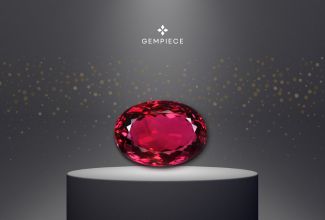
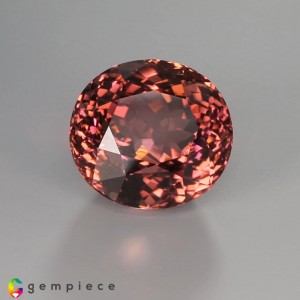
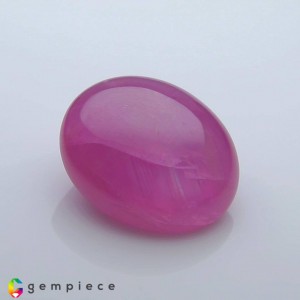
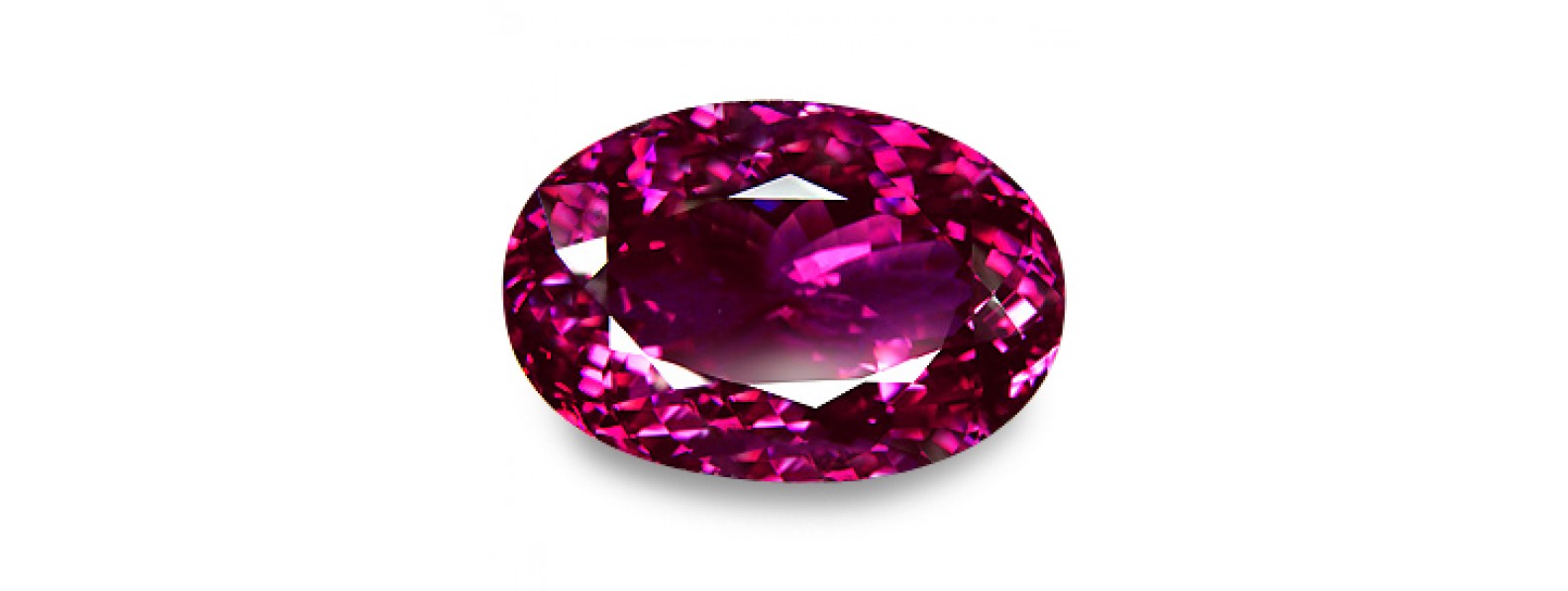
Pink tourmaline is one of the most fascinating members of the tourmaline family, known for its wide spectrum of pink hues ranging from soft pastel tones to vivid, intense, and slightly purplish pink colors. Its versatility, combined with good clarity and durability, makes it one of the most commercially important and visually appealing gemstones in the market.
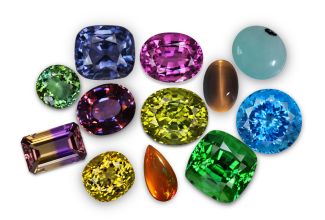
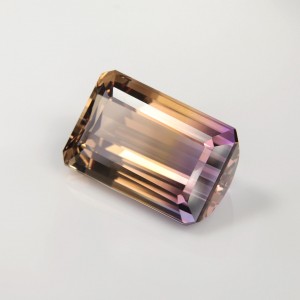
Pink tourmaline is part of the broader tourmaline family, known for its wide range of colors including green, blue, and multi color varieties.
Understanding pink tourmaline requires careful evaluation of color origin, composition, and how different sources influence appearance. Unlike many gemstones, pink tourmaline does not follow a single uniform color profile, making each stone unique in tone, saturation, and brilliance.
Explore our pink tourmaline collection or compare with related varieties such as rubellite tourmaline (view rubellite collection)and green tourmaline.
Chemical Composition and Crystal Structure
Pink tourmaline belongs to the complex borosilicate mineral group, one of the most chemically diverse gemstone families. Its general chemical structure includes elements such as aluminum, boron, silicon, and oxygen, along with various trace elements that influence color.
The pink coloration is primarily caused by manganese (Mn), which can produce a range of tones from light pink to deep reddish-pink. Variations in manganese concentration, along with crystal growth conditions, directly affect the final color intensity and saturation.
Manganese typically occurs in oxidation states such as Mn²⁺ and Mn³⁺, which influence the variation in pink to reddish tones observed in different stones.
Tourmaline crystals are typically elongated and exhibit strong pleochroism, meaning they can show different color intensities when viewed from different directions. This optical property plays an important role during cutting and orientation.
Color Range, Tone and Saturation
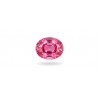
Pink tourmaline displays a broad range of colors including baby pink, peach pink, rose pink, vivid pink, and purplish pink tones. The most desirable stones combine strong saturation with brightness and transparency.
In the market, stones that appear too dark or overly saturated may look closed, reducing their visual appeal. On the other hand, stones with open and lively color tend to display better brilliance and are more valuable.
A key factor in evaluating pink tourmaline is how the color performs under different lighting conditions. Stones that maintain consistent color appearance are considered superior.
Relation to Rubellite
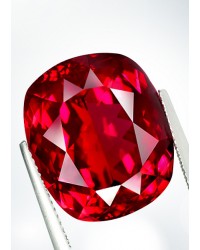
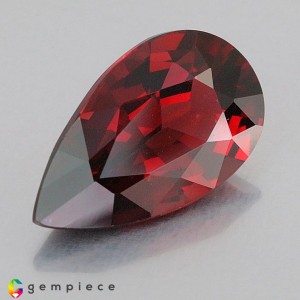
Rubellite is a variety within the pink to red tourmaline range, characterized by its ability to maintain strong color under both natural and artificial lighting. While all rubellites are part of the pink tourmaline family, not all pink tourmalines qualify as rubellite.
Rubellite typically shows deeper saturation and may contain more inclusions compared to standard pink tourmaline. The distinction is based primarily on color stability and intensity rather than chemical composition alone.
Sources and Market Characteristics
The most important sources of pink tourmaline today are located in Africa, particularly Nigeria and Mozambique. Nigerian material is known for its strong and intense color, often appearing deeper and slightly closed in its natural state.
In selected cases, controlled heating may be applied to improve color openness and brightness, resulting in a more vibrant and visually appealing pink. This process is not applied to all stones and depends on the nature of the rough material.
Mozambique produces attractive purplish-pink tourmalines with good brightness and clarity. Additional sources include Brazil, Madagascar, and Congo. Congo material is available but can be more complex to work with during cutting due to internal characteristics.
Heating and Color Optimization
Heating is sometimes used in pink tourmaline to enhance color by reducing darker tones and improving brightness. This process is stable and widely accepted in the gemstone industry when performed correctly.
It is important to note that not all pink tourmalines are heated. The decision to heat depends on the initial appearance of the rough stone and the expected outcome after treatment.
Cutting, Orientation and Brilliance
Cutting plays a critical role in the final appearance of pink tourmaline. Due to pleochroism, the orientation of the crystal during cutting directly affects how color is displayed.
If not properly oriented, a stone may appear darker or uneven in color. Skilled cutting ensures that the gemstone displays optimal brightness, color balance, and brilliance.
At GemPiece, rough material is carefully evaluated before cutting. Decisions such as orientation, shape, and whether to apply heating are made based on experience to achieve the best possible visual outcome.
Clarity Characteristics
Pink tourmaline is generally cleaner compared to deeper red varieties such as rubellite. Many stones are eye-clean, making them suitable for high-quality faceted gemstones.
However, inclusions can still be present depending on origin and color intensity. Stones with better clarity and minimal inclusions are typically more valuable.
Durability and Practical Use
With a hardness of approximately 7 to 7.5 on the Mohs scale, pink tourmaline is suitable for a wide range of jewelry applications, including rings, pendants, and earrings.
Although durable, proper care and setting are recommended, especially for larger or high-value stones.
Tourmaline Name and Variety Overview
The name "tourmaline" is believed to originate from the word "thuramali," referring to mixed or multi-colored gemstones. This reflects the diverse color range found within the tourmaline family.
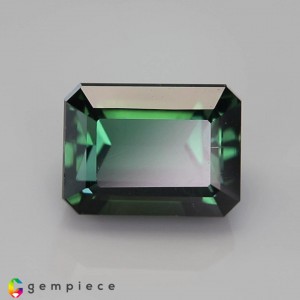
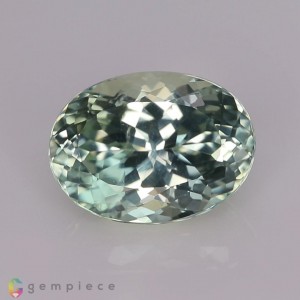
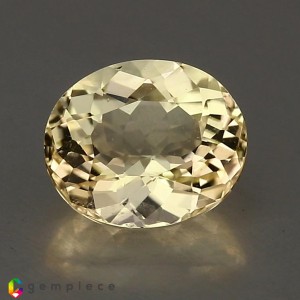
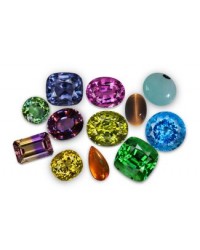
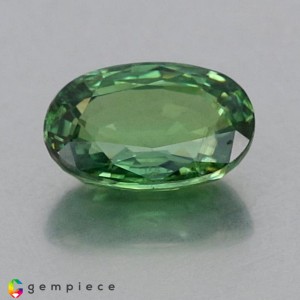
Tourmaline includes multiple varieties such as green tourmaline, blue tourmaline, pink tourmaline, rubellite, and colorless tourmaline (achroite), each defined by its trace element composition and color characteristics.
Market Value and Buying Considerations
The value of pink tourmaline is influenced by color saturation, brightness, clarity, size, and origin. Stones with vivid, open color and good transparency are generally more desirable.
Stones that combine strong color with good light performance are generally considered more desirable, as this significantly enhances overall visual appeal.
Birthstone and Significance
Tourmaline is one of the birthstones for October. Pink tourmaline is often associated with love, compassion, and emotional balance, making it a meaningful gemstone for both personal use and gifting.
Related Tourmaline Varieties
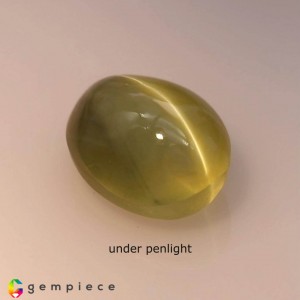
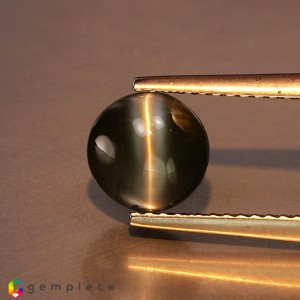
Explore other tourmaline types including green tourmaline (view green tourmaline collection), blue tourmaline (view blue tourmaline collection), bi-color tourmaline (view bi-color tourmaline collection), cat’s eye tourmaline (view cat’s eye tourmaline collection), and multi color tourmalines (view multi color tourmaline collections).