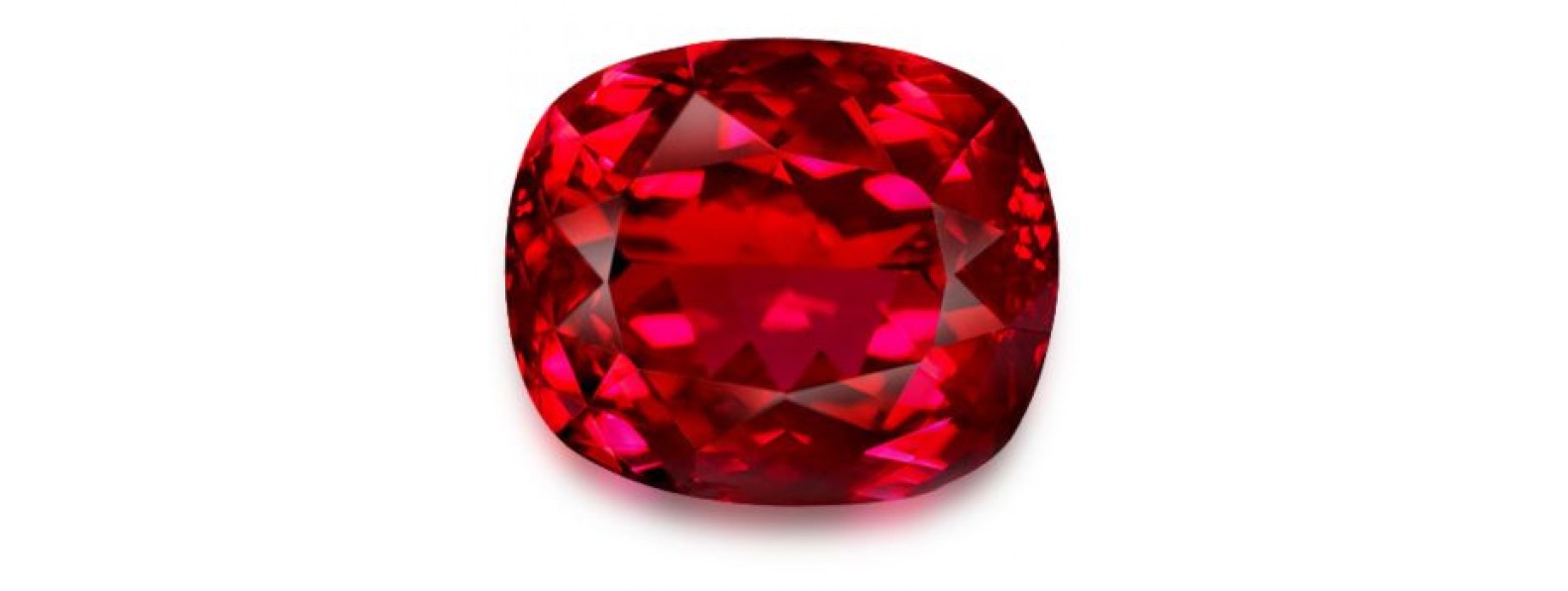
Understanding Spinel Gemstone
There is a gemstone that forms in the same marble veins as ruby, crystallizes in a more optically pure structure than sapphire, achieves colors spanning electric cobalt blue, neon pinkish-red, and vivid orange without a single degree of heat treatment, and still sits at a fraction of the price of either species it outperforms in several measurable ways. That gemstone is spinel. Its position in the gem world is not a mystery. It is simply a story that the wider market is still catching up to, and the collectors who understood its mineralogy earliest have been the greatest beneficiaries of that correction.
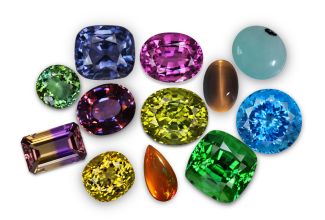
Spinel is magnesium aluminum oxide with the chemical formula MgAl₂O₄ and a cubic crystal structure that gives it a set of optical and physical properties genuinely distinct from every other major colored gem species. It forms naturally in octahedral crystals, carries no cleavage whatsoever, scores Mohs 8 on the hardness scale, and is singly refractive. Light travels through it at the same speed in every direction, producing a color purity and optical clarity that doubly refractive gems like ruby and sapphire cannot replicate. When you look into a fine spinel, you see the color as the crystal formed it: undivided, undistorted, and entirely its own. The same cubic structure also accepts trace element substitutions across a wider range than most gem minerals, which is why a single species delivers vivid red, neon pink, electric blue, lavender, purple, and orange naturally, from the same geological environments, without treatment.
What follows covers everything that matters about spinel — mineralogy and crystal chemistry, the science behind each of its remarkable colors, how it forms geologically, where the world's finest material originates, its history of misidentification in royal collections, why it arrives almost always untreated when comparable gems do not, value factors, and a full comparison with ruby and sapphire. It covers specific varieties including Burmese red spinel, Mahenge spinel, cobalt blue spinel, and Madagascar blue spinel. Whether you are buying your first spinel or building a serious collector portfolio, this is the reference that answers every question.
Explore our curated collection of natural spinel gemstones, or learn about related gemstones ruby and sapphire.
Mineralogy: What Spinel Actually Is
Spinel is magnesium aluminum oxide — MgAl₂O₄ — crystallized in the cubic (isometric) system. It belongs to the spinel group of minerals, a broader family of related oxides that includes gahnite (ZnAl₂O₄), hercynite (FeAl₂O₄), magnetite (Fe₃O₄), and chromite (FeCr₂O₄). Among all members of the spinel group, the magnesium aluminum species — gem spinel — is the only member routinely faceted and worn as a jewelry stone. The others occur too dark or opaque for gemstone use.
Spinel crystals form in the characteristic octahedral habit of the cubic system — naturally symmetrical, eight-faced pyramidal structures that reflect light brilliantly and often require minimal cutting to achieve optical perfection. Twinning is common in spinel, producing flat triangular "macle" crystals that are a characteristic feature of spinel rough from many sources. The cubic crystal structure is isotropic — meaning light travels through the crystal at the same speed in all directions — making spinel singly refractive, unlike the doubly refractive corundum (ruby, sapphire) and quartz families. This single refraction is one of spinel's most significant optical advantages: it produces a pure, open, undivided color tone and a particularly clean brilliance that doubly refractive gems cannot match.
Chemical Composition, Trace Elements, and Color Mechanisms
Pure spinel (MgAl₂O₄) is colorless. The extraordinary range of natural gem colors in spinel results from trace element substitutions within the magnesium and aluminum sites of the crystal lattice — different elements produce fundamentally different absorption patterns and therefore different transmitted colors.
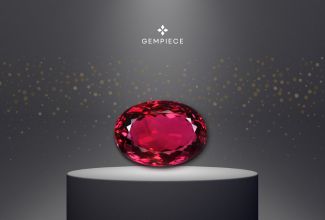
Chromium (Cr³⁺) substituting for aluminum is responsible for red and pink spinel — the same chromophore that colors ruby red in corundum. In spinel, chromium concentration controls color intensity: high chromium produces vivid red; lower concentrations produce pink, from hot neon pink through delicate pastel. The chromium absorption bands in spinel — at approximately 400 nm and 550 nm — also drive the characteristic red fluorescence under UV light that gives fine red and pink spinel, particularly Mahenge material, its extraordinary luminosity. Cobalt (Co²⁺) substituting for magnesium produces cobalt blue spinel — one of the rarest color mechanisms in gemology, as natural cobalt incorporation during spinel crystallization is exceptionally uncommon. Cobalt produces a vivid, electric blue through strong absorption bands in the yellow-orange-red portion of the spectrum. Iron (Fe²⁺ and Fe³⁺) produces blue, purple, lavender, and darker tones in spinel, depending on oxidation state and concentration. Iron-colored blue spinel is significantly more common than cobalt blue but shows a deeper, less electric character. Manganese (Mn²⁺) produces orange spinel — the flame spinel colors that have no close equivalent in any other readily available gem. Combinations of these elements produce the lavender, grey, violet-blue, and bicolor varieties that round out spinel's color spectrum.
Gemological Properties: Complete Data
Species: Spinel. Chemical formula: MgAl₂O₄. Crystal system: Cubic (isometric). Crystal habit: Octahedral, often twinned. Hardness (Mohs): 8. Specific gravity: 3.58–3.61 (pure spinel; iron-rich ceylonite varieties can reach 3.90–4.10). Refractive index: 1.719 (singly refractive; isotropic). Optic character: Isotropic — singly refractive. Luster: Vitreous to subadamantine. Transparency: Transparent to opaque. Cleavage: None (imperfect octahedral parting in some specimens). Fracture: Conchoidal. Streak: White. Fluorescence: Variable — red and pink chromium-bearing spinel shows strong red fluorescence under UV; blue iron-colored spinel typically inert; cobalt blue spinel shows weak to moderate red or inert. Inclusions: Octahedral negative crystals (characteristic of Sri Lankan material), fingerprint inclusions, needle-like rutile, apatite crystals, zircon halos. Treatment: Typically none — natural color; occasional fracture filling in commercial grades when disclosed.
Geological Formation and Occurrence
Spinel forms primarily in two geological settings: marble-hosted metamorphic deposits and alluvial secondary deposits derived from weathering of primary sources. The marble-hosted metamorphic environment — where limestone or dolomite is subjected to high-temperature, high-pressure metamorphism in the presence of magnesium-aluminum-rich fluids — is responsible for the finest gem-quality spinel produced globally. This is the same geological setting that produces Burmese and Sri Lankan ruby, which is why fine red spinel and fine ruby occur in the same deposits worldwide and why their historical confusion is entirely understandable from a geological perspective: they are mineralogically unrelated but geologically co-habitual. The magnesium-rich marble provides the magnesium for spinel's MgAl₂O₄ formula; the aluminum-rich metamorphic fluids provide both the aluminum for spinel and the aluminum for corundum; and trace chromium in the environment colors both gems red through the same chromophore mechanism. Alluvial deposits — river gravels and gem-bearing sedimentary concentrations derived from erosion of primary marble sources — are the practical source for most commercial spinel in Sri Lanka, Myanmar, and parts of Tanzania and Madagascar. These alluvial deposits concentrate gem minerals by specific gravity, producing the gem gravels that have been the foundation of artisanal gem mining for centuries.
World Sources: Origin Profiles and Commercial Significance
Myanmar — Mogok Stone Tract (primary benchmark source) — The Mogok Valley in Mandalay Region, Myanmar, has been the world's reference point for fine red and pink spinel for over a thousand years. The marble-hosted skarn and contact metamorphic deposits of the Mogok Stone Tract produce spinel of a color purity and vibrancy that remains the global benchmark. Burmese red spinel displays a chromium-driven vivid red — often described as slightly more brick-red or pure red than the slightly purplish red of the finest ruby — with exceptional transparency and brilliant octahedral crystal habit. Burmese pink spinel ranges from hot pink through vivid purplish-pink and neon pink. Due to Myanmar's geopolitical situation, Burmese spinel carries an additional scarcity premium in international markets, and GRS- or Lotus-certified Burmese origin commands meaningful premiums over equivalent non-origin material. Read full details: Burmese Red Spinel Guide.
Tanzania — Mahenge (second benchmark source globally) — The Mahenge region of Tanzania's Ulanga District entered the international gemstone market in earnest with the August 2007 discovery at Ipanko village, where miners unearthed four colossal spinel crystal formations weighing 52 kg, 28 kg, 20 kg, and 5.7 kg — among the largest gem spinel crystals ever recorded. The material from these and subsequent Ipanko crystals displays an extraordinary neon pinkish-red color produced by high chromium concentration (871–2,640 ppm documented by gemological researchers) combined with exceptional crystal transparency, creating the intense red fluorescence under UV that gives Mahenge spinel its characteristic inner glow. Before the 2007 Mahenge discovery, no buyer had paid more than $3,000 per carat for spinel anywhere in the world. The deposit fundamentally reset price expectations for the species. Read full details: Mahenge Spinel Guide.
Sri Lanka — Alluvial gem gravels (fine blue, lavender, cobalt) — Sri Lanka has produced gem-quality spinel from its alluvial gem gravels for centuries, yielding material across a broader color range than any other single country: deep blue, lavender, purple, cobalt blue, pink, and near-colorless. Sri Lankan cobalt blue spinel — rare in any market — is among the most prized blue gems in the world, with its vivid, electric color driven by cobalt rather than the iron that colors most Sri Lankan blue spinel. Sri Lankan material also includes the distinctive ceylonite (dark blue-grey iron-rich spinel) and star spinel that display asterism. Read full details on blue material: Cobalt Blue Spinel Guide.
Vietnam — Luc Yen (cobalt blue, effectively depleted of top material) — The Luc Yen district of Yen Bai Province, Vietnam, has produced some of the world's most intensely saturated cobalt blue spinel in sizes typically under 1 carat. Vietnamese cobalt blue spinel — confirmed by spectroscopic cobalt detection — is characterized by an extraordinary neon-electric blue that many gemologists consider the finest blue color in the species. The primary deposits at Luc Yen are effectively exhausted of top-tier material, making existing fine Vietnamese cobalt blue spinel a collector asset rather than a commercial commodity. Prices for top Luc Yen material have detached from the broader blue spinel market and continue to appreciate as supply contracts.
Tanzania — Tunduru and Umba Valley (additional sources) — Tanzania's Tunduru region in Ruvuma Region and the Umba Valley in Tanga Region produce spinel across a range of colors including blue, lavender, purple, pink, and occasionally teal. Some Tunduru blue spinels display colors that rival fine blue sapphire, and gemological analysis is required to distinguish them. The Umba Valley is known for producing distinctively fine-grained, often pastel spinel in unusual color combinations.
Nigeria (vivid purplish-pink, large sizes) — Nigeria has emerged in recent years as a commercially important source for vivid purplish-pink spinel in impressively large sizes — stones in the 5–20 carat range with strong color saturation that would be extraordinary rarities from Mogok are commercially available from Nigerian production, giving buyers access to large vivid pink spinel at competitive pricing relative to Burmese equivalent material.
Madagascar (blue, lavender, additional colors) — Madagascar's gem-producing regions yield spinel alongside sapphire, ruby, and tourmaline. Blue spinel from Madagascar often occurs as a byproduct of sapphire mining operations, ranging from lighter sky-blue tones through medium vivid blue with occasional violet modifiers. Read full details: Madagascar Blue Spinel Guide.
Additional sources: Tajikistan (Kukh-i-Lal deposit — historically important red and pink spinel, known since ancient times as the source for many Mughal spinels), Afghanistan, Pakistan, Kenya, and Cambodia.
The History of Spinel: The Greatest Case of Mistaken Identity in Gemology
No other gem species in history has been so extensively misidentified at the highest levels of human society as spinel. For over a thousand years, the finest red spinels on earth were called rubies — not through ignorance, but because the scientific tools to distinguish them did not exist. Ruby (Al₂O₃, corundum) and red spinel (MgAl₂O₄) share the same chromium chromophore that produces their vivid red colors. They form in the same geological environments. They occur in the same deposits. Before the development of refractometer testing, chemical analysis, and ultimately spectroscopy, there was no practical way for even the most sophisticated jeweler or mineralogist to separate them by visual examination alone.
The consequences of this misidentification are woven through the history of civilization's most famous gem collections. The Black Prince's Ruby — named for Edward of Woodstock, Prince of Wales, who received it in 1367 after the Battle of Nájera — is a 170-carat red spinel set uncut in its natural octahedral form at the front of the British Imperial State Crown, above the Cullinan II diamond. It is among the oldest gems in the Crown Jewels, with a documented history spanning nearly 700 years. The Timur Ruby — 352 carats, polished and inscribed with the titles of six previous owners including Timur himself — was presented to Queen Victoria by the East India Company in 1851 and identified as spinel that same year. The 400-carat dark red stone dominating the Imperial Crown of Russia, worn at every coronation from Catherine the Great in 1762 through Nicholas II, is the second-largest known gem-quality red spinel after the 500-carat Samarian Spinel in the Iranian Crown Treasury. The Imperial Mughal Spinel Necklace — comprising large polished spinels inscribed with the names of their Mughal imperial owners — represents one of the most historically documented spinel collections in existence. These were not second-tier stones accepted as consolation for the real thing. They were the most prized red gems in the world, owned by the most powerful people in history, specifically because of their extraordinary beauty. Spinel did not fail to be ruby. Spinel was simply so beautiful that everyone assumed it must be.
In 1783, French mineralogist Jean-Baptiste Louis Romé de l'Isle formally identified spinel as a mineral species distinct from corundum, using crystal morphology and physical property differences to separate the two. The identification was confirmed and expanded through the nineteenth century as chemical analysis and optical testing developed. The reclassifications that followed — the Black Prince's Ruby confirmed as spinel in the nineteenth century; the Timur Ruby confirmed as spinel in 1851; the Russian imperial stone confirmed — did not diminish these gems' historical value. They enhanced it: each stone carried not only its own extraordinary beauty but now also the full weight of a misidentification story that spans empires, centuries, and continents. Spinel was a gem important enough to be owned by the greatest rulers in history, and its true identity adds a layer of scientific fascination to its physical magnificence.
Spinel vs Ruby: The Definitive Comparison
The comparison between spinel and ruby is the most important and most commercially relevant gemological distinction in the spinel market, because it frames the value proposition of fine red spinel for every collector and buyer who encounters it.
Ruby is corundum — aluminum oxide (Al₂O₃) — with Mohs hardness 9, doubly refractive, hexagonal crystal system, specific gravity approximately 4.00. Fine ruby is among the most expensive gemstones per carat in the world, with exceptional Burmese material regularly selling for tens of thousands to hundreds of thousands of dollars per carat at major auction. Spinel is magnesium aluminum oxide (MgAl₂O₄) with Mohs hardness 8, singly refractive, cubic crystal system, specific gravity 3.58–3.61. Fine Burmese red spinel at equivalent visual quality sells for a fraction of equivalent ruby — though that fraction has been growing rapidly as market recognition improves. Ruby in commercial grades is almost universally heat-treated; many lower-grade rubies are fracture-filled with lead glass, a treatment that fundamentally alters the stone and must be disclosed. Fine spinel is natural and untreated. This single distinction — untreated natural color in a gem that rivals ruby visually — is the core of spinel's collector value proposition.
Treatment Status: Natural and Untreated
Spinel is one of the few commercially prominent gemstones that arrives at the market almost universally in its natural, unenhanced state. The color in fine spinel — whether the chromium-driven red and pink of Mogok and Mahenge, the cobalt blue of Sri Lanka and Vietnam, the iron-colored blue and lavender of Sri Lanka, or the manganese-driven orange — is entirely the product of geological formation. No heat treatment is required or routinely applied to improve spinel's color; no fracture filling is standard practice; no irradiation is used to create colors. This natural status is confirmed by UV-visible spectroscopy and infrared spectroscopy at gem laboratories — the same tools used to confirm ruby and sapphire treatment status. GRS, Lotus Gemology, GIA, SSEF, and Gübelin all provide treatment disclosure reports for spinel that confirm natural color as standard for the vast majority of material submitted. All spinel at GemPiece is natural and untreated unless explicitly stated.
Value Factors: What Determines Spinel Price
Color is the dominant value driver in spinel, accounting for a larger proportion of total value than in almost any other colored stone. The most valued red spinel displays a pure, vivid, medium-strong red — comparable to Burmese pigeon blood ruby — without brownish, orangey, or purplish modifiers that indicate lower chromium concentration or iron contamination. In pink spinel, neon or vivid hot pink — the Mahenge glow — commands the highest premiums; pastel pinks, while beautiful, are significantly less valued. In cobalt blue, the most electric, saturated cobalt-colored material from Vietnam and Sri Lanka commands the highest prices; iron-colored blue is substantially less valued per carat. Even color distribution, without zoning or color concentration in specific crystal sectors, is important across all varieties. Clarity is the second major value factor. Fine spinel is characteristically eye-clean to loupe-clean — genuinely better in average clarity than ruby, where silk inclusions, fractures, and growth structures are endemic. Eye-clean clarity is the expected standard for collector-grade spinel; stones with visible inclusions are discounted, and loupe-clean material above 3 carats commands exceptional premiums. Cut quality determines how spinel's high refractive index (1.719) and single refraction are expressed in the finished stone. Origin carries significant premium for confirmed Burmese and Mahenge material with laboratory origin reports. Carat weight commands exponential premiums: fine spinel above 3 carats is uncommon; above 5 carats is rare; above 10 carats with fine color and clarity is among the most commercially significant colored stone acquisitions available in the market.
Durability, Care, and Jewelry Applications
Spinel's combination of Mohs hardness 8 and complete absence of cleavage makes it one of the most durable colored gemstones available for fine jewelry. No cleavage means spinel resists chipping and splitting under impact that would damage cleavage-prone gems like topaz (perfect basal cleavage) or tanzanite. Mohs 8 places spinel above all quartz (7), tourmaline (7–7.5), and most other colored stones, making it entirely practical for everyday ring, pendant, earring, and bracelet use. Clean spinel with warm water, mild soap, and a soft brush. Ultrasonic cleaning is generally safe for natural untreated spinel without significant fractures. Steam cleaning is generally safe. Store separately from diamond (Mohs 10) and corundum (Mohs 9) to prevent surface contact scratching.
Spinel Varieties: Explore the Exclusive Spinel Guide
Burmese Red Spinel — The benchmark origin for fine red and pink spinel, from Mogok's legendary marble-hosted deposits.
Mahenge Spinel — Tanzania's neon pinkish-red sensation, the discovery that transformed the global spinel market.
Cobalt Blue Spinel — The rarest color in the species, from Sri Lanka and Vietnam, colored by cobalt rather than iron.
Madagascar Blue Spinel — A modern source producing attractive blue spinel across a range of saturations.
Explore our full natural spinel collection.