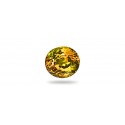
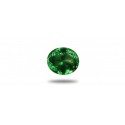
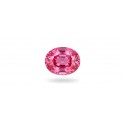
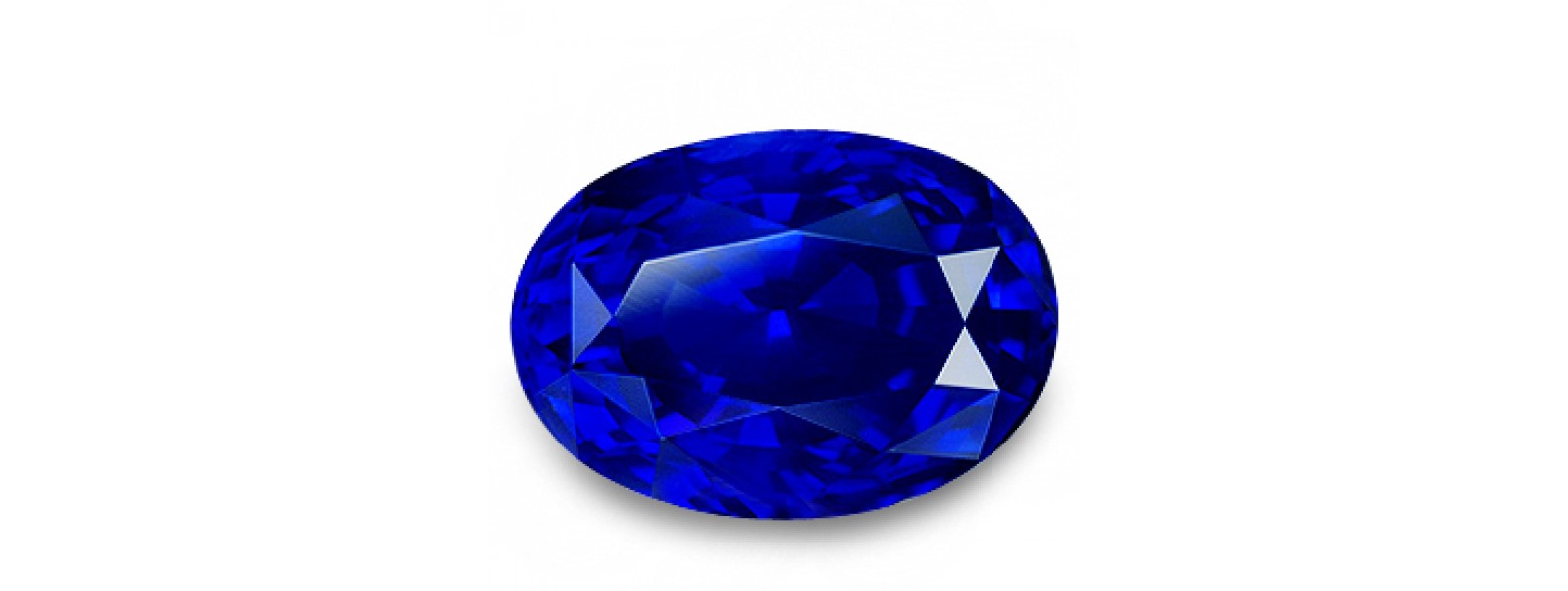
Sapphire – Corundum, Kashmir Velvety Blue, Iron-Titanium Color and Value
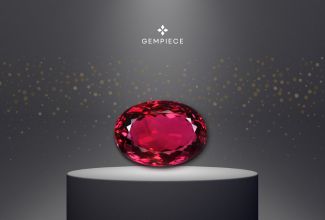
Sapphire is one of the world's most important and historically significant precious gemstones — the non-red gem variety of corundum (Al₂O₃), the second hardest natural mineral on Earth at 9 on the Mohs scale, and the species that encompasses every gem-quality color of aluminum oxide that is not ruby. From the legendary velvety cornflower blue of Kashmir sapphire — the most prestigious origin in the gemstone world — to the chameleon breadth of fancy sapphires spanning yellow, pink, orange, purple, teal, and colorless, and the extraordinary natural color change varieties that shift from blue to violet under different light sources, sapphire's combination of exceptional hardness, unparalleled color range, and deep historical significance makes it one of the most commercially important and personally meaningful gemstones available.
This guide covers sapphire's corundum mineralogy, the iron-titanium color mechanism for blue sapphires, the full fancy sapphire color spectrum, the five most important origins and their distinctive characteristics, the heat treatment landscape and the significance of unheated status, and the value factors that professional gemologists and collectors use to evaluate sapphire quality.
Explore our curated selection of natural sapphire gemstones from Sri Lanka, Kashmir, Myanmar, and Madagascar — all with full treatment disclosure and gemological certification available. Related varieties include color change sapphire, star sapphire, ruby, and spinel.
Mineral Composition and Physical Properties
Sapphire is the gem variety of corundum — aluminum oxide (Al₂O₃) — in the trigonal crystal system. It shares this mineral identity with ruby, which is simply the red variety of the same species. Pure corundum is colorless; all gem colors arise from trace element impurities substituting for aluminum within the crystal lattice during formation.
- Chemical Formula: Al₂O₃ (aluminum oxide)
- Crystal System: Trigonal
- Hardness: 9 on the Mohs scale — second only to diamond
- Refractive Index: 1.762 to 1.770, uniaxial negative
- Specific Gravity: 3.99 to 4.01
- Birefringence: 0.008 to 0.010
- Luster: Vitreous to adamantine
- Birthstone: September
- Anniversary Stone: 45th wedding anniversary. A Sapphire Jubilee marks 65 years.
Blue Sapphire — Iron-Titanium Color Chemistry
The characteristic blue color of blue sapphire is produced by an intervalence charge transfer between ferrous iron (Fe²⁺) and titanium (Ti⁴⁺) within the corundum lattice. When both elements are present together, the transfer of an electron from Fe²⁺ to Ti⁴⁺ absorbs energy in the yellow-red portion of the visible spectrum, leaving blue as the dominant transmitted color. This charge transfer mechanism produces a much more intense and saturated blue than iron alone would produce, which is why blue sapphire — where both iron and titanium must be present together in the right proportions — can display such vivid, deeply saturated blue color.
The balance between iron and titanium concentrations, combined with the presence or absence of other trace elements such as chromium (which can add a slight violet to pink component), determines whether a blue sapphire trends toward a cornflower blue, a royal blue, a violetish-blue, or a slightly greenish blue. This trace element fingerprint is also one of the primary tools laboratory gemologists use to determine geographical origin.
Fancy Sapphire Colors
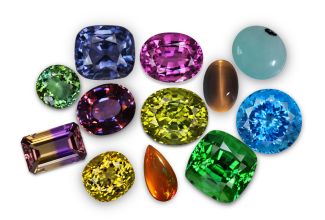
While blue is the most commercially recognized color, sapphire naturally occurs in virtually every color of the visible spectrum. Each fancy color is produced by a different trace element or combination:
- Pink sapphire — chromium (Cr³⁺); ranging from pale blush to vivid hot pink. The boundary between pink sapphire and ruby (also chromium-colored) is defined by minimum color saturation — stones above the saturation threshold are ruby; below it are pink sapphire.
- Yellow sapphire — ferric iron (Fe³⁺) or color centers; ranging from pale lemon to vivid golden yellow
- Padparadscha sapphire — the rarest and most valuable fancy sapphire; a unique combination of pink (chromium) and orange (color centers) producing the characteristic lotus-flower color. Named from the Sinhalese word for the pink-orange lotus. Padparadscha is defined by color alone — it must show both pink and orange simultaneously without either component dominating strongly.
- Orange sapphire — color centers related to iron and oxygen vacancies
- Purple and violet sapphire — vanadium (V³⁺) or combined chromium and iron
- Green sapphire — iron in combination with titanium producing a different charge transfer direction than blue
- Teal sapphire — combination of iron, titanium, and other elements producing the blue-green range increasingly popular in modern jewelry
- Colorless (white) sapphire — pure aluminum oxide without coloring trace elements
- Color change sapphire — vanadium (V³⁺) producing absorption that shifts from blue under daylight to violet-purple under incandescent light, similar to alexandrite in its color change mechanism
Kashmir Sapphire — The Most Prestigious Origin
Kashmir sapphire occupies a unique position in the gem world — no other sapphire origin commands comparable per-carat premiums, and no other origin's defining characteristics are as immediately recognizable to trained gemologists. First discovered in the late 1870s following a landslide in the high Himalayan range of what is now the Indian state of Jammu and Kashmir, the deposit was worked intensively through approximately 1887 to 1887 by the Maharaja of Kashmir, then more sporadically through approximately 1930, after which gem-quality production essentially ceased.
The defining characteristic of Kashmir sapphire is its velvety, slightly sleepy cornflower blue — a color that appears to glow with an internal light, as though illuminated from within. This distinctive optical effect is produced by the combination of outstanding color saturation, minute particles of silk (rutile needles) that scatter light within the crystal, and the specific iron-titanium chemistry of the Kashmir deposit that produces an unusually pure, slightly violet-modified blue without significant green or grey component. Marco Polo described Ceylon (Sri Lanka) as having the finest sapphires — the Kashmir deposit had not yet been discovered in his era. Kashmir is the most valued due to its superior blue color, incomparable and unique appearance, and extraordinary rarity.
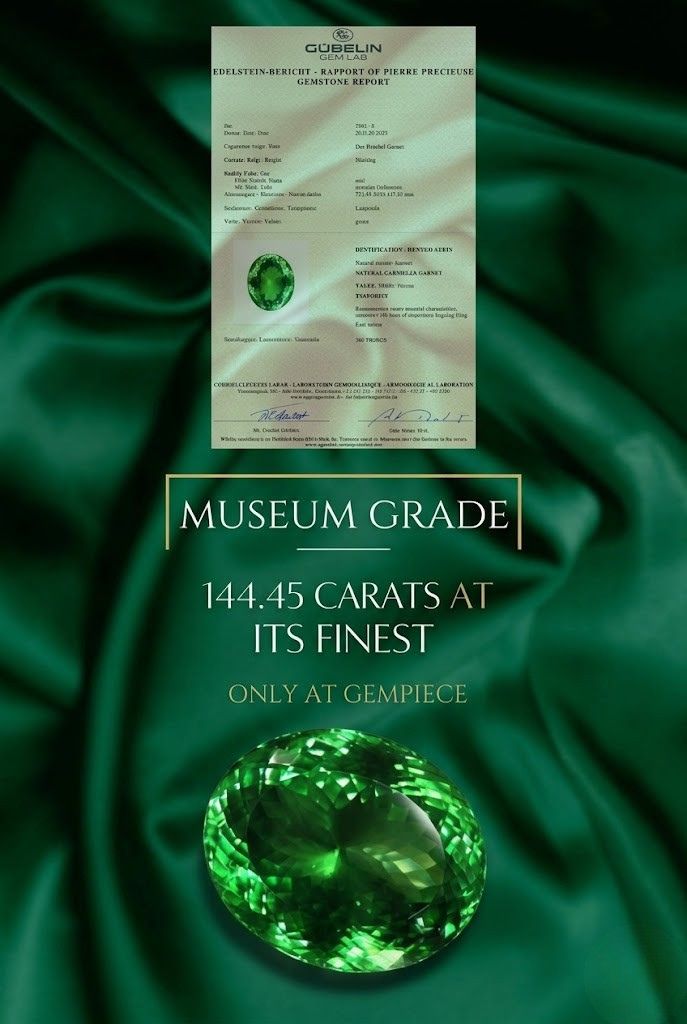
Unheated Kashmir sapphire with laboratory documentation from GRS, Gübelin, or SSEF is among the most expensive colored gemstones per carat available at auction today, with fine stones regularly exceeding $30,000 to $50,000 per carat for notable quality.
Myanmar (Burmese) Sapphire
Burmese sapphire from the Mogok Stone Tract produces material of consistently fine color with strong UV fluorescence — a characteristic that makes Burmese sapphire appear vivid and bright across different lighting environments. Mogok royal blue sapphire is among the most valued origins after Kashmir and commands significant premiums, particularly for unheated material with laboratory documentation. The same geological environment that produces the finest Burmese ruby also yields fine sapphire from the same marble-hosted metamorphic deposits.
Sri Lanka (Ceylon) Sapphire
Sri Lanka is the world's most historically important and commercially significant active sapphire producing region. Sri Lankan sapphires — known in the trade as Ceylon sapphires — range from pale sky blue through vivid cornflower blue to vivid royal blue, as well as golden yellow, pink, and the finest padparadscha. The Ceylon blue is the commercial clarity and transparency standard — Sri Lankan sapphire characteristically displays excellent transparency and eye-clean to lightly included clarity in the finest material. Marco Polo praised Ceylon's sapphires. GemPiece sources from the mines of Sri Lanka — one of the most respected sapphire origins globally.
Madagascar Sapphire
Madagascar emerged as a major sapphire source following the Ilakaka gem rush in the late 1990s and has become the world's largest sapphire producer by volume. Madagascar produces a very wide color range including vivid blue, pink, yellow, padparadscha-like, and color change material. The volume of Madagascar production has significantly impacted the global supply of heated blue sapphire. Fine unheated Madagascar material also exists and is recognized by major laboratories with origin reports.
Heat Treatment — The Most Important Commercial Factor
Heat treatment of sapphire is the single most commercially significant factor separating ordinary commercial material from fine collector-grade gemstones. The treatment involves heating sapphire to very high temperatures (typically 1,200 to 1,800°C) to improve color by dissolving silk inclusions, enhancing blue saturation through partial oxidation of iron, or developing color in material that was too pale or too dark before treatment. Heat treatment is permanent, universally accepted in the trade, and disclosed on all reputable laboratory certificates.
The estimated proportion of heat-treated sapphire in the commercial market is over 90%. Unheated sapphire — confirmed by the presence of intact silk inclusions and other heat-sensitive internal features documented on laboratory certificates — commands premiums that can range from 50% to several multiples of the price of equivalent heated material, depending on quality and origin. For fine blue sapphire above 3 carats from Kashmir, Burma, or Sri Lanka, unheated status with laboratory documentation can multiply per-carat value by a factor of 3 to 10 or more.
Beryllium diffusion treatment — a more invasive process that drives beryllium into the sapphire crystal at extreme temperatures to alter color — was discovered in the early 2000s and caused significant market disruption. All major laboratories now test for beryllium diffusion and note it explicitly on certificates. Beryllium-treated sapphire commands significantly lower prices than standard-heated material of equivalent appearance.
Clarity Standards
Sapphire is a GIA Type II gemstone — inclusions are expected and accepted, though eye-clean to lightly included material is commercially standard for fine jewelry quality. Common inclusion types include rutile silk (the needles that produce asterism in star sapphire when sufficiently dense), fingerprints, crystals, growth zoning, and color banding. The silk inclusions that produce the velvety character of Kashmir sapphire are the same type that, in higher density, produce star sapphire's asterism. Fine eye-clean sapphire in vivid color is valued much more highly than included material of comparable color.
Star Sapphire
Star sapphire displays asterism — a natural six-rayed star — produced by aligned rutile needle inclusions in three intersecting sets. Star sapphires are cut as cabochons to display the phenomenon. The famous 563-carat Star of India from Sri Lanka is displayed at the American Museum of Natural History in New York. Sri Lanka is the most important source of fine blue star sapphire. Quality is determined by star sharpness, centering, body color intensity, and size.
Color Change Sapphire
Color change sapphire shifts from blue in daylight to violet-purple under incandescent light — the same color change phenomenon as alexandrite but in corundum rather than chrysoberyl. The change is produced by vanadium coloring that creates absorption patterns exploiting the different spectral outputs of daylight vs incandescent light sources. Fine color change sapphire with a strong, dramatic shift is genuinely rare and commands collector premiums.
Value Factors Summary
In order of commercial importance for blue sapphire: color (hue, saturation, and tone — vivid blue without strong green or grey modifier commands the highest value); treatment status (unheated with laboratory documentation commands the strongest premiums); origin (Kashmir, Burmese, and Ceylon origins command premiums in that order for comparable quality); clarity (eye-clean to lightly included is standard; heavily included material significantly discounted); cut quality (proportions that maximize face-up color and brilliance); and carat weight (size premiums are significant — fine material above 3 carats in vivid unheated blue represents an important collector acquisition above 5 carats).
Sapphire in Jewelry and Culture
Sapphire has been associated with truth, loyalty, sincerity, wisdom, and royalty across cultures for millennia. In ancient Greece, sapphire was believed to have protective and healing powers. In ancient India, sapphire was associated with Saturn and considered a stone of discipline, wisdom, and prosperity. The famous engagement ring given by Prince Charles to Princess Diana in 1981 — a 12-carat oval blue sapphire surrounded by diamonds, now worn by Princess Kate — brought sapphire to renewed global prominence. The Peacock Throne of Emperor Shah Jahan was decorated with sapphires. King Henry II of England gave his wife Queen Eleanor of Aquitaine a sapphire ring as a symbol of love and devotion.
Sapphire Care
Hardness 9 makes sapphire one of the most durable gemstones for all jewelry applications. Clean with warm water, mild soap, and a soft brush. Avoid harsh chemicals and abrasive cleaners. Ultrasonic cleaning is generally safe for heat-treated sapphires without fracture filling; avoid for beryllium-treated material. Store separately from other gemstones. Remove before activities involving sharp impacts or heavy chemicals.
Why Buy Sapphire from GemPiece?
- Natural gemstones only — no synthetic or lab-created material
- Full treatment disclosure on every stone — heated, unheated, and beryllium status explicitly stated
- Sri Lanka, Kashmir, Myanmar, and Madagascar source material
- Expert gemologist consultation available
- Certification from GIA, GRS, Gübelin, Lotus, and AIGS available
- Over 20 years of gemstone industry experience
- 25,000+ happy customers and over 2 tonnes of precious gems sold
Explore Related Gemstones
Explore related corundum varieties including ruby and star ruby, as well as sapphire varieties including color change sapphire and star sapphire. You may also be interested in natural spinel gemstones — historically the mineral most confused with ruby and sapphire, typically untreated, and one of the most compelling collector alternatives in the fine gemstone market today.