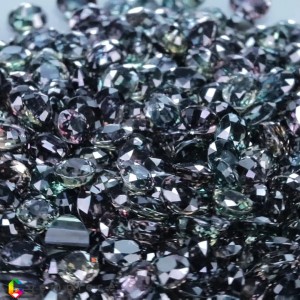
Buy Natural Color Change Sapphire – Blue to Purple Online
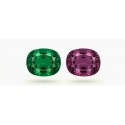
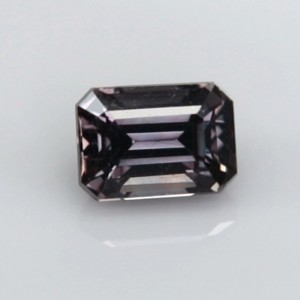
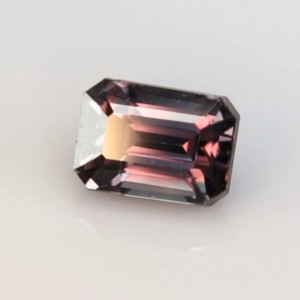
Color change sapphire is one of the most fascinating and scientifically remarkable varieties of corundum — a natural sapphire that shifts color between two distinctly different hues depending on the light source under which it is viewed. In daylight or cool fluorescent light, color change sapphire typically presents as blue, violet-blue, or teal; under warm incandescent light, the same stone shifts to violet, purple, or reddish-purple. This color transformation is entirely natural, requiring no treatment, and occurs in sapphires whose trace element composition includes both chromium and vanadium in proportions that create a unique absorption profile responsive to different light spectra. Combined with corundum's exceptional hardness of 9 on the Mohs scale, color change sapphire offers the durability of a precious gemstone with an optical phenomenon that rivals alexandrite — at a fraction of the price.
Read our complete color change sapphire guide (view collection) covering the color change mechanism, origins in Sri Lanka, Madagascar and Tanzania, value factors, and how color change sapphire compares to alexandrite — or explore our natural color change sapphire collection with full treatment disclosure on every stone.
The Color Change — How It Works
The color change in sapphire is produced by the combined presence of chromium and vanadium as trace elements within the corundum crystal lattice. These elements create two overlapping absorption bands in the visible spectrum — one in the green-yellow region and one in the red region — that interact differently with the spectral composition of the illuminating light source. Daylight and cool fluorescent light are rich in blue and green wavelengths, which the stone transmits preferentially, producing the blue to violet-blue appearance. Incandescent light is rich in red and orange wavelengths, which interact with the chromium component of the absorption profile to produce violet, purple, or reddish-purple. The human eye perceives these as distinctly different colors — the same optical mechanism responsible for alexandrite's color change, operating within a different mineral host.
The strength of the color change varies significantly between individual stones and is the primary value driver in the color change sapphire market. The most desirable stones display a strong, vivid shift between clearly distinct colors — ideally from a clean blue in daylight to a strong purple or violet under incandescent light. Weak or ambiguous shifts reduce value considerably. Always evaluate color change sapphire under both light sources before purchasing.
Color Change Varieties
Color change sapphires display a range of color shift combinations depending on their trace element profile and origin. The most commercially prized shift is blue to violet-purple — a strong, clearly distinct transition that is immediately visible when moving between light sources. Some stones shift from teal or greenish-blue in daylight to brownish-red or reddish-purple under incandescent light — these are less desirable commercially but scientifically interesting. Others display a shift from grey-blue to purplish-pink — a subtler change that is attractive in its own right but commands lower premiums than vivid blue-to-purple. The finest color change sapphires can approach alexandrite-quality color change performance while offering the additional attributes of corundum hardness and the prestige of the sapphire name.
Origins and Sources
Sri Lanka is the most significant and historically important source of color change sapphire, producing material with some of the strongest and most vivid color shifts in the market — particularly the highly prized blue-to-purple transition. Sri Lankan color change sapphires are typically well-crystallized with good transparency and are widely regarded as the benchmark for the variety. Madagascar emerged as a major source in the late 1990s and now produces significant quantities of color change sapphire across a range of shift intensities and color combinations. Tanzania — particularly the Umba Valley and Tunduru deposits — produces color change sapphires with distinctive color shift combinations including teal-to-red changes. Minor quantities also come from Australia, Myanmar, and East Africa.
Treatment Considerations
Color change sapphire, like most sapphires in the commercial market, is commonly heat treated to improve clarity and refine color. Heat treatment of sapphire is a universally accepted and disclosed practice in the gem trade. However, the color change property itself is natural and cannot be created by heat treatment — only naturally color-changing corundum produces a genuine color change effect. Unheated color change sapphires with documented untreated status command significant premiums over heat-treated material of comparable color, particularly in larger sizes above 3 carats. Always request explicit treatment disclosure and laboratory certification when purchasing color change sapphire of significant value.
Hardness and Durability
As a variety of corundum, color change sapphire measures 9 on the Mohs hardness scale — the second hardest natural mineral after diamond. This exceptional hardness makes color change sapphire one of the most durable colored gemstones available for all jewelry applications including daily-wear rings, pendants, earrings, and bracelets. No special protective settings are required, though standard gem-setting care applies. The combination of extreme hardness, natural color change, and the prestige of the sapphire name makes color change sapphire one of the most practically compelling collector gemstones in the market.
Value and Buying Considerations
Color change intensity is the primary value driver — the stronger and more distinct the color shift between daylight and incandescent light, the higher the value. Origin plays a significant role: Sri Lankan color change sapphires typically command premiums for their vivid blue-to-purple shifts. Treatment status is critical — unheated material with laboratory certification commands substantial premiums over heat-treated stones. Clarity, cut quality, and size complete the value assessment. Fine unheated color change sapphire above 3 carats with a strong blue-to-purple shift and Sri Lankan or Madagascar origin is a collector-grade gemstone commanding prices that rival comparable alexandrite.
GemPiece sources color change sapphire from Sri Lanka, Madagascar, and Tanzania with full treatment disclosure and gemological laboratory certification available on all significant stones.
Explore Related Color Change and Corundum Gemstones
Collectors of color change gemstones may also appreciate
diaspore (view collection),
color change garnet (view collection), and
ruby (view collection).
Frequently Asked Questions
What is color change sapphire?
Color change sapphire is a natural variety of corundum that shifts color between light sources — typically from blue or violet-blue in daylight to violet, purple, or reddish-purple under incandescent light. The color change is produced by combined chromium and vanadium trace elements and is entirely natural, requiring no treatment.
How strong is the color change in sapphire?
Color change strength varies significantly between individual stones. The most desirable specimens display a vivid, clearly distinct shift between two well-defined colors. Weak or ambiguous shifts reduce value considerably. Always evaluate color change sapphire under both daylight and incandescent light before purchasing.
Is color change sapphire treated?
The color change property itself is entirely natural and cannot be created by treatment. However, individual stones may have been heat treated to improve clarity or refine color — a universally accepted practice in the sapphire trade. Always request explicit treatment disclosure. Unheated color change sapphires command significant premiums over heat-treated material.
Where does color change sapphire come from?
Sri Lanka is the primary and most prestigious source, producing vivid blue-to-purple shifts. Madagascar and Tanzania are significant secondary sources. Minor quantities come from Australia, Myanmar, and East Africa.
How does color change sapphire compare to alexandrite?
Both display a natural color change driven by different trace elements in different mineral hosts. Alexandrite (chrysoberyl colored by chromium) typically commands higher per-carat prices at fine quality. Color change sapphire offers comparable optical interest with greater availability, corundum's exceptional hardness of 9, and generally more accessible pricing.
Is color change sapphire durable for everyday wear?
Yes. With a Mohs hardness of 9, color change sapphire is one of the most durable gemstones available and is suitable for all jewelry applications including daily-wear rings without special protective settings.
What is the most valuable color shift in color change sapphire?
The most commercially prized shift is a strong blue in daylight transitioning to a vivid violet or purple under incandescent light. Sri Lankan material is particularly noted for this shift. Stones displaying a weak or brownish shift are less valuable.