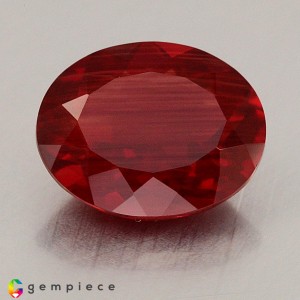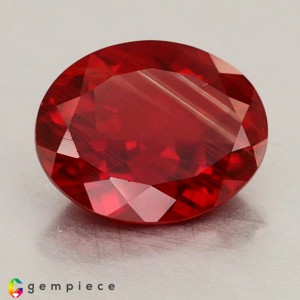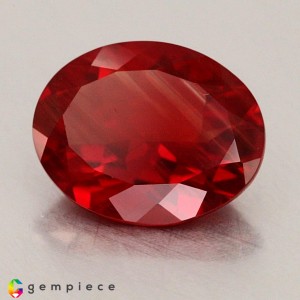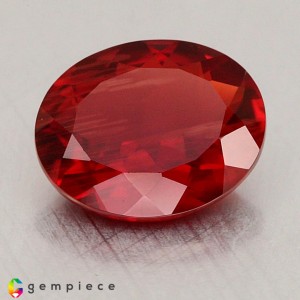

Buy Natural Andesine Gemstones – Red, Orange and Color Change
Andesine is a plagioclase feldspar gemstone that has generated more debate and controversy in modern gemology than almost any other colored stone — a mineral that exists in both genuinely natural untreated form and in a heavily treated commercial form, and where separating the two requires advanced gemological analysis that remains challenging even for specialist laboratories. When natural, untreated andesine is found in its vivid red, orange-red, or color-changing form, it is a genuinely rare and desirable collector gemstone. Understanding the treatment controversy is essential before purchasing any andesine in the market today.
Read our complete andesine gemstone guide (view collection) covering the plagioclase feldspar mineralogy, the treatment controversy, natural sources, color-change varieties, and what to look for when buying — or explore our natural andesine collection with full treatment disclosure on every stone.
Color Range and Varieties
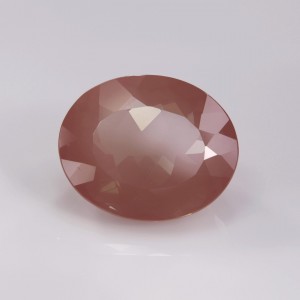
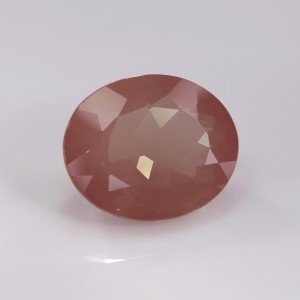
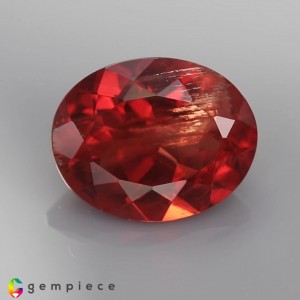
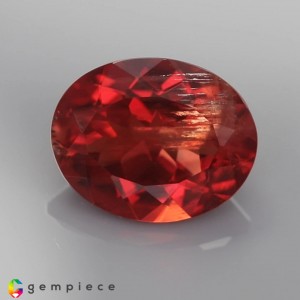
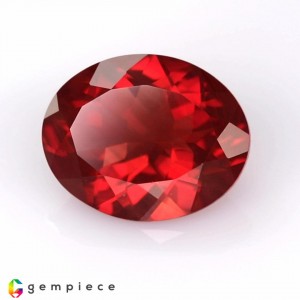
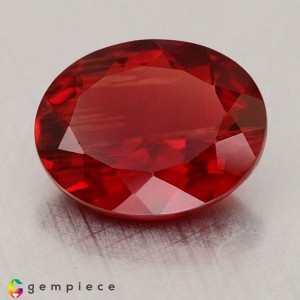
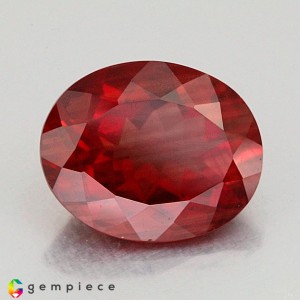
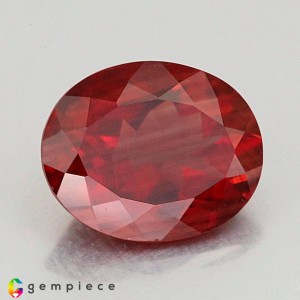
Andesine in its natural, untreated form occurs primarily in pale yellow, white, gray, and green tones — colors that are not commercially significant in the gemstone market. The vivid red, orange-red, and champagne tones for which andesine became known in the early 2000s are the result of copper diffusion treatment applied to pale natural andesine or labradorite feldspar. Natural red andesine does exist — small quantities of genuinely untreated red material have been confirmed from Oregon (USA) where copper occurs naturally in the feldspar — but the vast majority of vivid red andesine in the commercial market is treated material whose color has been artificially enhanced.
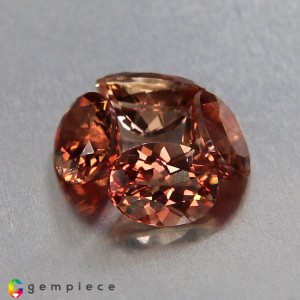
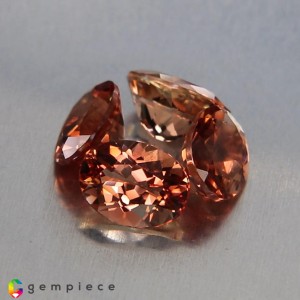
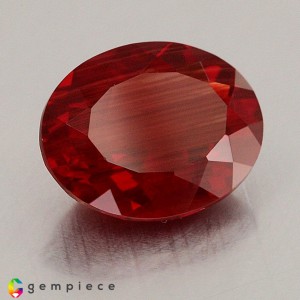
Color-changing andesine is the most desirable natural variety — rare specimens that shift from red or purple under incandescent light to green under daylight or fluorescent light. Natural color-change andesine is genuinely uncommon and represents the collector tier of the species. Some andesine also displays a subtle metallic schiller — a shimmering, reflective effect caused by light reflecting off internal layers — similar to but distinct from the labradorescence seen in labradorite.
The Treatment Controversy — Critical Buyer Awareness
In the early 2000s, large quantities of intensely colored red and green stones appeared in the market labeled as andesine or andesine-labradorite, reportedly from the Congo, Tibet, and China. The vivid colors, combined with attractive pricing, created significant commercial interest. However, investigation by gemologists from multiple independent institutions — including the International School of Gemology and major gemological laboratories — established that the majority of this material was pale andesine or labradorite feldspar that had undergone copper diffusion treatment, in which copper ions are driven into the surface of the stone under high temperature to produce an artificial red color.
The copper diffusion treatment produces a color that is concentrated near the surface of the stone — a characteristic detectable through advanced spectroscopic analysis and careful examination of recut or chipped surfaces where the color distribution can be observed. Natural red andesine, by contrast, has color distributed uniformly throughout the crystal. Separating treated from natural red andesine requires sophisticated laboratory analysis and cannot be done reliably by visual inspection alone.
GemPiece discloses treatment status on every andesine stone in our collection. We do not represent treated material as natural untreated andesine under any circumstances.
Natural Andesine — Oregon Sunstone
The most reliably documented source of natural, untreated red and orange andesine is the Sunstone Butte mine and related deposits in Lake County, Oregon, USA. Oregon sunstone — technically a labradorite-andesine feldspar — contains natural copper inclusions that produce red, orange, and green colors without any treatment. Oregon sunstone with natural red color is the gold standard for untreated red feldspar of this type and is certified as such by reputable gemological laboratories. The Democratic Republic of Congo produced a small quantity of natural red andesine from a find near the Nyiragongo volcano around 2002, but separating this genuine material from treated stones with claimed Congo origin requires laboratory verification.
Andesine-Labradorite
The trade term andesine-labradorite is used for material that falls chemically between andesine and labradorite in the plagioclase series — roughly 50 to 70% albite and 30 to 50% anorthite composition. This material is found in opaque to translucent form in colors including brown, peach, orange, and red, and is sold both in natural form and as copper-diffusion treated material. The hyphenated name reflects the intermediate composition rather than a blend of two separate minerals — it is a single feldspar with a composition straddling the boundary between the two named varieties.
Origins and Sources
Natural gem-quality andesine sources include Oregon, USA (the benchmark for natural untreated red feldspar), the Democratic Republic of Congo (small quantities of confirmed natural red material), and the Andes Mountains of South America where the mineral was first named. China, Tibet, and Mongolia have produced andesine used as the base material for copper diffusion treatment. Most transparent red andesine sold from claimed Chinese, Tibetan, or Congolese origins in the commercial market is treated material.
Hardness and Durability
Andesine measures 6 to 6.5 on the Mohs hardness scale with perfect cleavage in two directions — characteristics shared with other plagioclase feldspars. This moderate hardness and perfect cleavage make andesine suitable for earrings, pendants, and occasionally-worn rings in protective settings. Daily-wear ring applications are not recommended without bezel protection. Avoid exposure to extreme heat, which can affect copper-diffusion treated stones.
Value and Buying Considerations
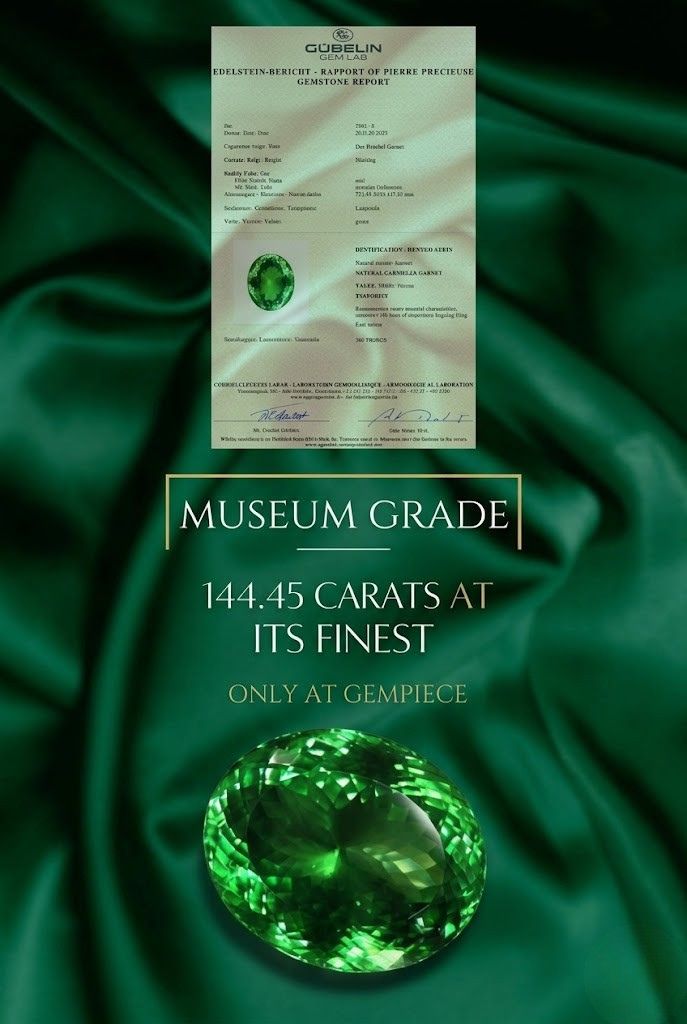
Natural, untreated andesine with confirmed red or color-change character from verified origins commands the highest values — these are genuine collector-grade stones. Treated andesine with disclosed copper diffusion is commercially acceptable at appropriate prices but must not be represented as natural. Laboratory certification from a reputable gemological laboratory is strongly recommended for any significant andesine purchase. Always request explicit treatment disclosure before purchasing.
GemPiece provides full treatment disclosure on every andesine stone and sources material from verified suppliers with documented origin and treatment status.
Explore Related Feldspar and Color-Change Gemstones
Collectors of feldspar gemstones and color-change varieties may also appreciate moonstone (view collection), diaspore (view collection), and color change sapphire (view collection).
Frequently Asked Questions
What is andesine gemstone?
Andesine is a plagioclase feldspar mineral positioned chemically between oligoclase and labradorite. In gem form it is known for vivid red, orange-red, and color-changing varieties. It is named after the Andes Mountains of South America where it was first identified geologically.
Is andesine treated?
Most vivid red andesine in the commercial market is treated — pale andesine or labradorite that has undergone copper diffusion treatment to produce an artificial red color. Natural untreated red andesine does exist but is rare and requires laboratory verification. Always request explicit treatment disclosure before purchasing.
What is the difference between andesine and labradorite?
Both are plagioclase feldspars differing in their albite-anorthite ratio. Andesine contains approximately 70 to 50% albite and 30 to 50% anorthite. Labradorite has a higher anorthite content. Material between the two is sold as andesine-labradorite. The distinction matters commercially because the treatment controversy affects stones sold under both names.
What is natural red andesine?
Natural red andesine contains copper naturally within the crystal structure, producing red and orange colors without any external treatment. The benchmark source for natural untreated red feldspar of this type is Oregon, USA (Oregon sunstone). Laboratory certification is required to confirm natural untreated status for red andesine from other sources.
What is color-change andesine?
Color-change andesine shifts between red or purple under incandescent light and green under daylight or fluorescent light. This is a natural optical phenomenon in genuine color-change specimens and represents the most desirable and rare form of the species in collector terms.
Is andesine durable for jewelry?
With hardness 6 to 6.5 and perfect cleavage in two directions, andesine is best suited for earrings, pendants, and protected ring settings. Daily-wear open prong ring settings are not recommended. Bezel settings provide appropriate protection for ring use.
How do I know if my andesine is natural or treated?
Visual inspection alone cannot reliably distinguish natural from copper-diffusion treated andesine. Laboratory testing using spectroscopy and careful examination of color distribution within the stone is required. Always buy from reputable suppliers who provide explicit treatment disclosure and laboratory documentation.
Clear ✖