

Clear ✖
Explore Our Rare Clinohumite Collection from Tajikistan
Total Products : 23
Rare
SKU: GEM25113981
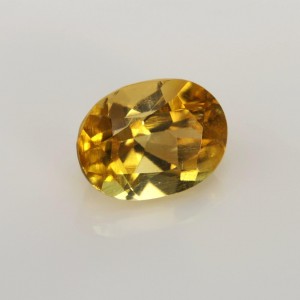
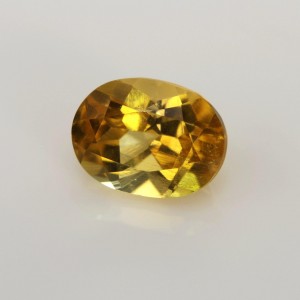
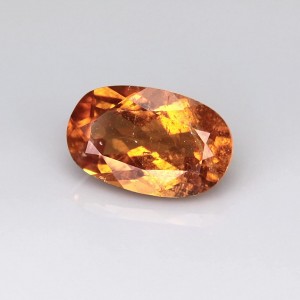
This Clinohumite is finished cleanly enough to sit in a standard jewelry setting without looking out of place. The color remains even from edge to edge, so the stone sets naturally in any orientation. Featuring a Oval cut, this Clinohumite of 0.76 carats displays Golden Yellow with VS clarity, sourc..
$76.00
Rare
SKU: GEM25073828
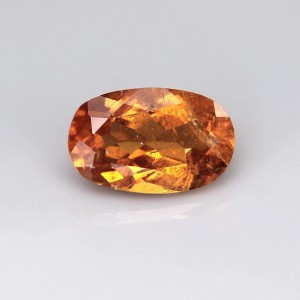
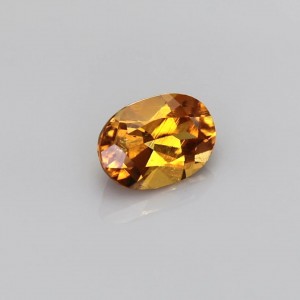
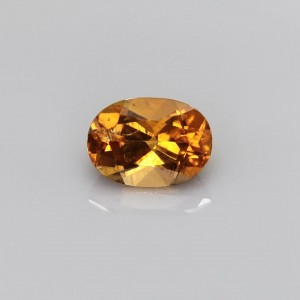
This Clinohumite features a Orange color with even tone and smooth finish. Its natural formation enhances its overall appearance. A gemstone with strong international appeal, suitable for various jewelry uses. This 2.96 carat Clinohumite cut in Oval displays a Orange tone with origin Pakistan and si..
$164.00
Rare
SKU: GEM25043752
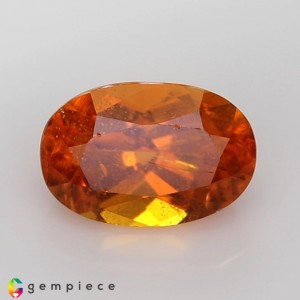
This Clinohumite presents a Fire Orange color with even color distribution and depth. Its natural formation ensures consistent quality across the stone. Appreciated worldwide by collectors and jewelry designers. This natural Clinohumite weighing 1.13 carats is cut in Oval, showing a Fire Orange tone..
$142.00
Rare
SKU: GEM23032918
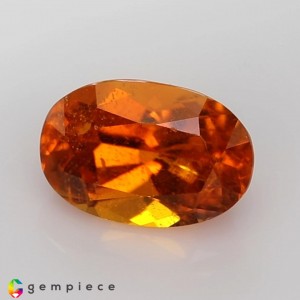
This well-cut Clinohumite reveals a Tangy Orange hue, suited for fine jewelry applications. Reasonable value combined with natural beauty supports regular use. Known across international markets for its steady demand and acceptance. Cut in Oval, this Clinohumite weighing 1.66 carats displays a Tangy..
$153.00
Rare
SKU: GEM22102795
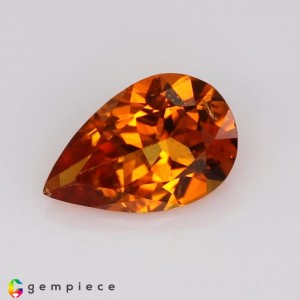
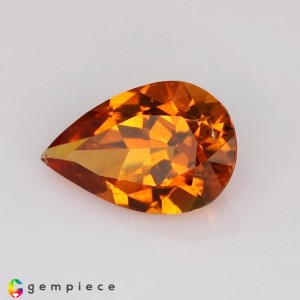
Featuring a Mandarin Orange hue, this Clinohumite reveals a vibrant and lively appearance. Durability and stable color make it reliable for frequent use. Widely accepted in global jewelry trade, this gemstone remains consistently relevant. This natural Clinohumite weighing 1.07 carats in Pear form p..
$164.00
Rare
SKU: GEM22082482
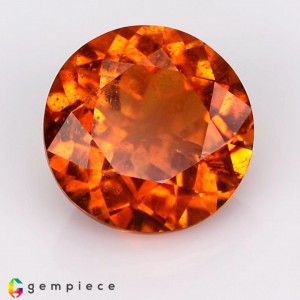
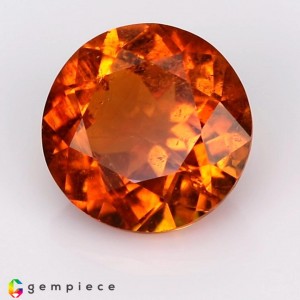
This well-cut Clinohumite reveals a Sunset Orange hue, suited for fine jewelry applications. Its balanced color and clarity support regular wear. A gemstone with strong international presence and wide acceptance. With a Round cut, this Clinohumite weighs 2.54 carats and presents a Sunset Orange tone..
$175.00
Rare
SKU: GEM22082422
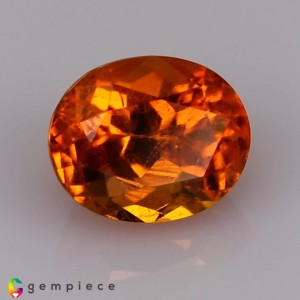
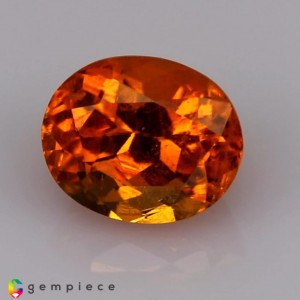
With a Fanta Orange hue, this Clinohumite reflects strong color depth and natural vibrancy. Its blend of color and accessible pricing makes it a versatile choice for everyday wear. A gemstone with strong international presence and wide acceptance. A 1.44 carat Clinohumite cut in Oval displays a Fant..
$175.00
Rare
SKU: GEM22072328
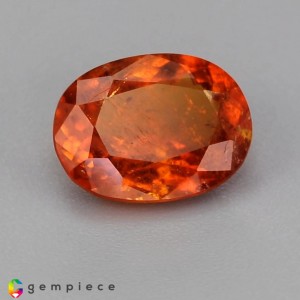
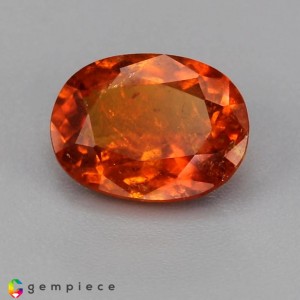
This Clinohumite exhibits a Fiery Orange tone with good transparency and a natural appearance. This gemstone presents a natural look suitable for daily wear. Appreciated by international buyers for its natural beauty and appeal. This Clinohumite weighs 6.63 carats and is cut in Oval, displaying a Fi..
$274.00
Rare
SKU: GEM21031129
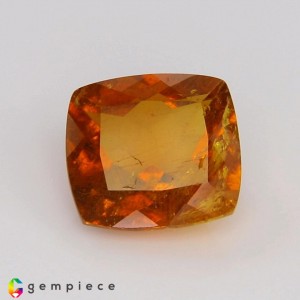
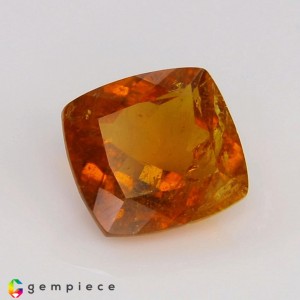
This Clinohumite highlights a Orange color with crisp internal reflections and a clean finish. Natural clarity and color contribute to its overall attractiveness. Appreciated by international buyers for its natural beauty and appeal. At a size of 11.69x10.79x5.99 mm, this Clinohumite weighing 5.88 c..
$199.00 $329.00
Rare
SKU: GEM21021067
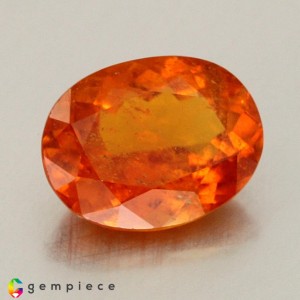
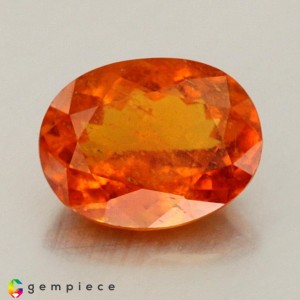
This Clinohumite gemstone shows a Fire Orange color well suited for fine jewelry. Its natural formation enhances its overall appearance. Widely accepted in global jewelry trade, this gemstone remains consistently relevant. This Clinohumite gemstone weighs 3.79 carats and features a Oval cut, display..
$197.00
Rare
SKU: GEM21021055
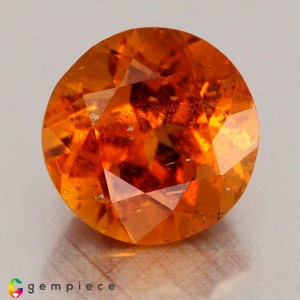
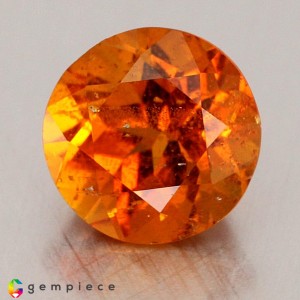
This Clinohumite features a Fire Orange color with even tone and smooth finish. Its natural formation ensures consistent quality across the stone. Recognized across major gemstone markets, it maintains steady demand among global buyers. Cut in Round, this Clinohumite weighing 2.27 carats displays a ..
$219.00
Rare
SOLD - Out Of Stock
SKU: GEM21021038
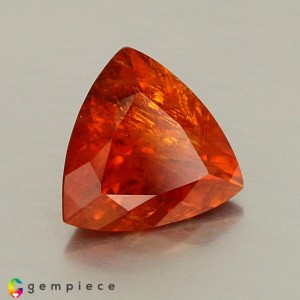
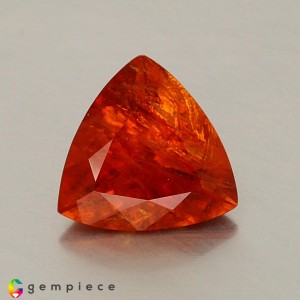
This Clinohumite exhibits a Fire Orange hue with fine scintillation and precise faceting. A strong choice for buyers seeking value and everyday comfort. Known across international markets for its steady demand and acceptance. A 3.99 carat Trilliant Clinohumite displays a Fire Orange tone with clarit..
$219.00