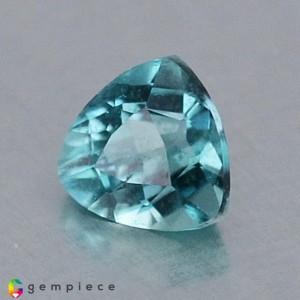
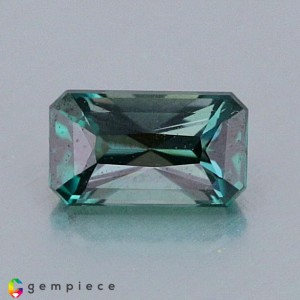
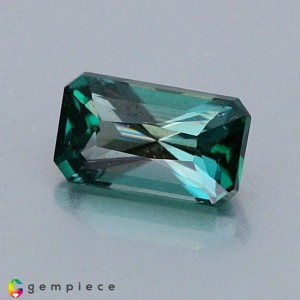
Buy Natural Grandidierite – Rarest Blue-Green Teal Gem Online
Grandidierite is one of the rarest gemstones on Earth — a blue-green to teal mineral of exceptional beauty that was, for most of its known history, virtually absent from the gem market entirely. First described in 1902 from cliffs in southern Madagascar, grandidierite spent over a century as a mineralogical curiosity rather than a commercial gemstone, with fewer than a handful of faceted transparent specimens known to exist worldwide. The discovery of new deposits in southern Madagascar in the 2010s brought limited quantities of faceted material to market for the first time, and grandidierite rapidly established itself among discerning collectors as one of the most compelling rare gemstones available — combining extraordinary color, genuine scarcity, natural untreated status, and a trichroic optical character that sets it apart from every other blue-green gemstone in the world.
Read our complete grandidierite gemstone guide (view collection) covering mineralogy, trichroism, Madagascar origins, rarity, and value — or explore our natural grandidierite collection featuring certified stones with full treatment disclosure.
Color and Trichroism
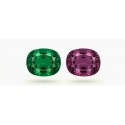
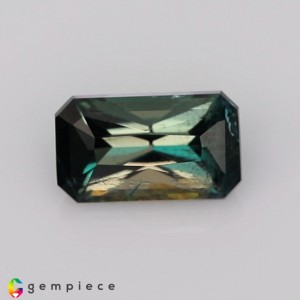
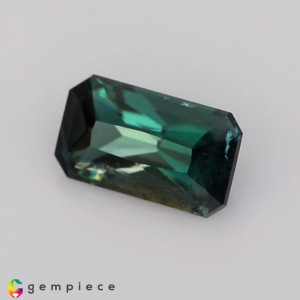
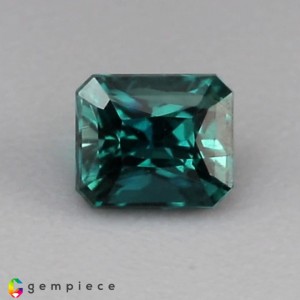
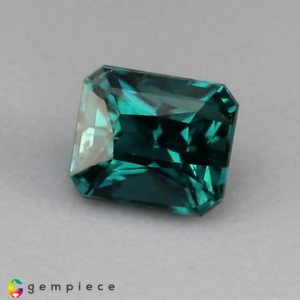
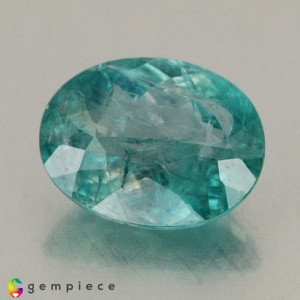
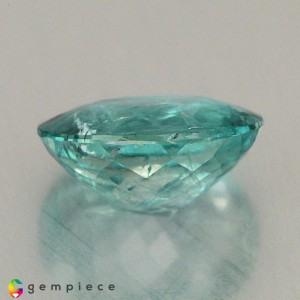
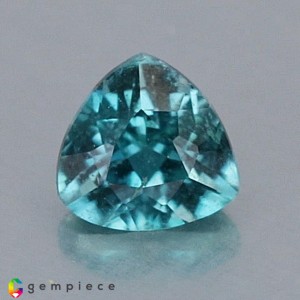
Grandidierite's defining visual characteristic is its extraordinary trichroism — the ability to display three distinct colors when viewed along its three crystallographic axes. A single grandidierite crystal simultaneously shows dark blue-green or teal, pale blue to colorless, and pale green, depending on the viewing direction. This three-color optical character means that a well-cut grandidierite presents a complex, shifting interplay of blue and green tones that is unique among gemstones and cannot be replicated by any other species. No two grandidierites look identical in cut form, because the orientation chosen by the lapidary determines which combination of trichroic colors dominates the face-up appearance.
The overall color impression of fine grandidierite is a rich blue-green to teal — a tone that sits between the blue of fine aquamarine and the green of tsavorite, with a depth and complexity that neither species achieves alone. The iron content within the crystal structure is responsible for this color, and the intensity varies between individual stones from pale and pastel to deeply saturated teal.
Rarity — Among the Rarest Gemstones in the World
Grandidierite consistently appears on professional lists of the rarest gemstones in the world, and for good reason. Prior to the 2010s discoveries in Madagascar, the total number of known faceted transparent grandidierite specimens worldwide could be counted on two hands. Even following the new deposits, the quantity of gem-quality transparent material reaching the market each year remains extraordinarily limited — a fraction of what even other rare collector gemstones such as tanzanite or alexandrite produce annually.
The majority of grandidierite found is translucent to opaque rather than transparent. Transparent faceted grandidierite — the material that shows the trichroism to its full advantage — represents only a very small proportion of total production. Most faceted grandidierite in the market is translucent cabochon material, which is more available but less optically spectacular than transparent faceted stones. Any transparent faceted grandidierite, regardless of size, is a meaningful collector acquisition.
Madagascar — The Primary Source
Southern Madagascar is effectively the only source of gem-quality grandidierite in the world. The mineral was first found near the Andrahomana cliffs in the Toliara region, and subsequent discoveries in the Tranomaro area — particularly around 2016 — produced the transparent faceted-quality material that brought grandidierite to wider collector attention. The geological setting is metamorphic pegmatites and calc-silicate rocks in ancient gneiss terrain — one of the mineralogically richest geological environments on Earth, responsible for a remarkable concentration of rare mineral species unique to Madagascar.
Minor occurrences of grandidierite have been documented in Sri Lanka, Malawi, Antarctica, Australia, Namibia, and Norway, but gem-quality material from these localities is negligible in commercial terms. Madagascar remains the definitive and overwhelmingly dominant source of all faceted grandidierite in the market.
Translucent vs Transparent Grandidierite
The distinction between translucent and transparent grandidierite is commercially significant. Transparent grandidierite — material that can be faceted to show the trichroism in full effect through the depth of the stone — is the premium tier and commands prices that reflect its extraordinary rarity. Translucent grandidierite is more available and is typically cut as cabochons, displaying the blue-green color attractively but without the trichroic depth visible in faceted transparent stones. Both forms are authentic grandidierite and both have collector value, but the price differential between transparent faceted material and translucent cabochon material is substantial.
Hardness and Durability
Grandidierite measures 7 to 7.5 on the Mohs hardness scale — excellent durability for a rare collector gemstone, comparable to tourmaline and above aquamarine. This hardness makes grandidierite genuinely practical for jewelry use in all standard applications including rings, pendants, and earrings. The combination of exceptional rarity, fine color, and practical durability is unusual in the collector gemstone world and makes grandidierite a particularly compelling choice for collectors who also want to wear their acquisitions.
Treatment Status
Grandidierite is naturally untreated. No heat treatment, irradiation, fracture filling, or any other enhancement is applied to natural grandidierite — the color is entirely natural and requires no improvement. This consistent untreated status across the species is a significant collector attribute. Laboratory-synthesized grandidierite has been produced for scientific research but is not commercially distributed in the gem market. GemPiece provides complete treatment disclosure and gemological certification on all grandidierite specimens.
Value and Buying Considerations
Grandidierite is among the highest-value rare gemstones per carat available in the market. Transparent faceted stones with vivid teal to blue-green color command prices from several thousand to over ten thousand dollars per carat at the finest quality — figures that reflect the genuine scarcity of the material and the very limited annual supply from Madagascar. Translucent cabochon material is more accessible but still commands meaningful prices relative to common gemstone species. When purchasing grandidierite, prioritize transparency, color saturation, and laboratory certification. Any transparent grandidierite in fine color and clean cutting above 2 carats represents a significant collector acquisition by any professional standard.
GemPiece sources grandidierite directly from verified Madagascar suppliers with gemological laboratory certification available on all significant stones.
Explore Related Rare Blue-Green Gemstones
Collectors drawn to grandidierite's exceptional teal color may also appreciate
gemsilica (view collection),
kyanite (view collection), and
diaspore (view collection).
Frequently Asked Questions
What is grandidierite?
Grandidierite is an extremely rare magnesium aluminum borosilicate mineral first described in 1902 from southern Madagascar. It is prized for its vivid blue-green to teal color, extraordinary trichroism displaying three distinct colors in one crystal, and its position among the rarest gemstones in the world.
Why is grandidierite so rare?
Grandidierite requires very specific geological conditions to form and is found in gem quality almost exclusively in a small area of southern Madagascar. The vast majority of grandidierite found is opaque or translucent rather than transparent — transparent faceted material represents only a tiny fraction of total production and the annual supply reaching the market is extremely limited.
What color is grandidierite?
Grandidierite's primary color impression is blue-green to teal. It is strongly trichroic — a single crystal displays dark blue-green, pale blue to colorless, and pale green when viewed along its three optical axes. The combination of these trichroic colors in a faceted stone creates a shifting, complex appearance unique to the species.
Is grandidierite treated?
No. Grandidierite is completely untreated. The color is entirely natural, produced by iron within the crystal structure. No heat treatment, irradiation, or any other enhancement is applied. GemPiece provides full treatment disclosure and laboratory certification on all grandidierite.
Where does grandidierite come from?
Southern Madagascar is the primary and overwhelmingly dominant source of all gem-quality grandidierite. Minor occurrences exist in Sri Lanka, Malawi, and several other countries, but commercial gem-quality material from these localities is negligible.
What is the difference between transparent and translucent grandidierite?
Transparent grandidierite can be faceted to display the full trichroic color depth through the stone — this is the premium collector tier commanding the highest prices. Translucent grandidierite is typically cut as cabochons showing the blue-green color attractively but without trichroic depth. The price difference between the two is substantial.
Is grandidierite durable enough for jewelry?
Yes. With a Mohs hardness of 7 to 7.5, grandidierite is genuinely durable for all standard jewelry applications including rings, pendants, and earrings — an unusual practical advantage for such a rare collector gemstone.
How much does grandidierite cost per carat?
Transparent faceted grandidierite in fine quality ranges from several thousand to over ten thousand dollars per carat at the top end, reflecting the genuine scarcity of transparent material from Madagascar. Translucent cabochon material is more accessible in price while still commanding meaningful premiums due to rarity.