

Clear ✖
Explore Our Natural Kunzite Collection
Total Products : 13
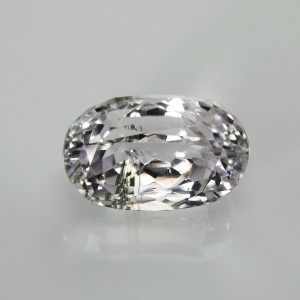
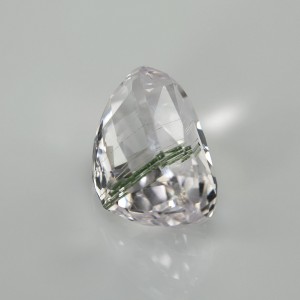
SKU: GEM25113997
This Kunzite presents the delicate appearance expected of fine Very Light Pink material, offering a soft and understated color that remains easy to appreciate in everyday jewelry. Its natural transparency and gentle tone give the gemstone a refined character without relying on strong saturation.Cut ..
$186.00
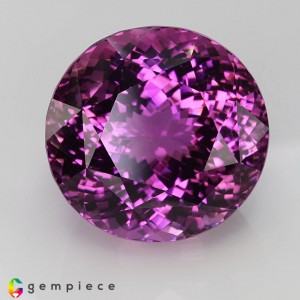
SKU: GEM22112818
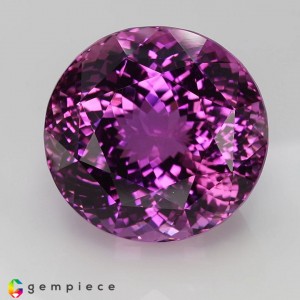
This 264.93-carat Kunzite represents a benchmark rarely achieved in today's high-end gemstone market—a flawless stone at an exceptional and genuinely uncommon scale. This gemstone is distinguished by the consistency of its vivid purplish-pink, a quality highly valued in fine kunzite material, and by..
$27,499.00
SKU: GEM22092545
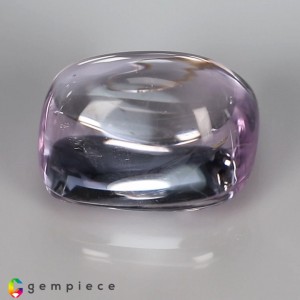
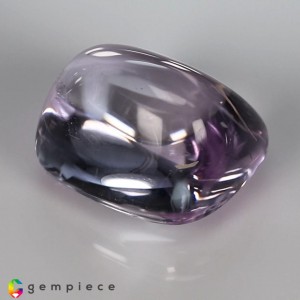
Even under standard display lighting, the Very Light Pink appears more settled and even than usual. The cutting is practical, making efficient use of the material without unnecessary weight or depth. Featuring a Cushion Cabochon cut, this Kunzite of 21.36 carats displays Very Light Pink with Transpa..
$109.00
SKU: GEM22072295
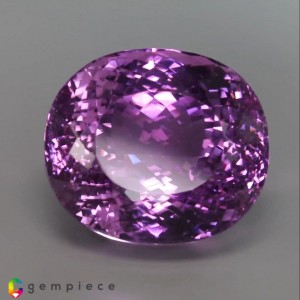
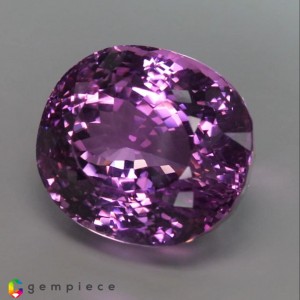
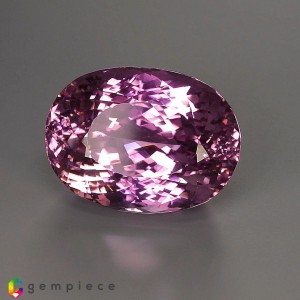
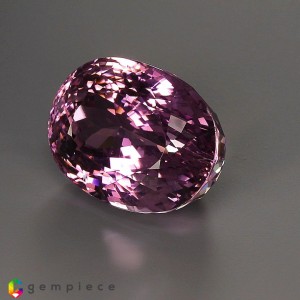
If you're commissioning a bespoke piece of high jewelry, the natural presence of this Kunzite is enough to define the entire design. Material of this size rarely maintains such a rich Bubble Gum Pink color while preserving the transparency and clarity expected from fine kunzite.Cut in an oval cushio..
$12,099.00
Make An Offer
SKU: GEM22052079
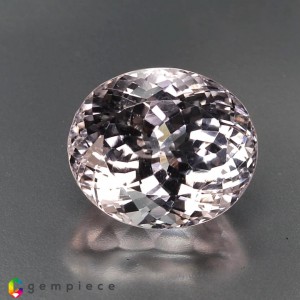
The Rich Bubble Gum Pink displayed by this Kunzite remains remarkably consistent throughout the stone, creating an immediate sense of completeness from the very first glance. Material of this size rarely maintains such a balanced relationship between color, transparency, and overall visual presence...
$7,699.00
SKU: GEM22041949
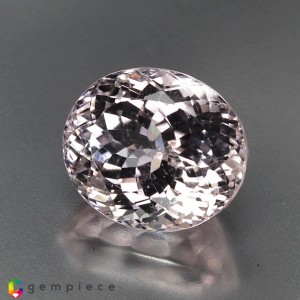
This Kunzite proves that consistent quality can still be achieved in well-balanced jewelry material. This stone works well across different jewelry types because the cutting remains consistent. Displaying a Oval cut, this Kunzite of 41.34 carats presents White with VS clarity, measuring 22.23 x 18.9..
$142.00
SKU: GEM22031911
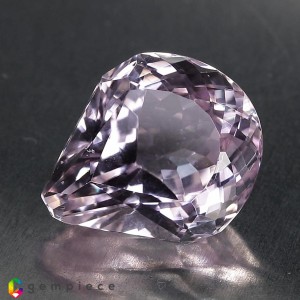
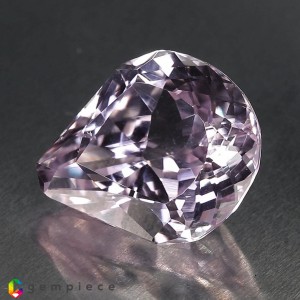
The cutting here allows the Baby Pink to sit close to the surface, so nothing gets buried or lost. This gemstone holds up well under normal wear without requiring heavy settings. A Fancy cut Kunzite weighing 24.72 carats features Baby Pink with VS - copper needles clarity, precisely shaped to suit t..
$197.00
SKU: GEM21081352
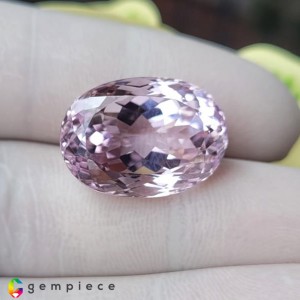
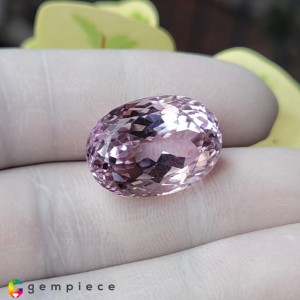
Even under intense lighting, the Pink remains stable without washing out or losing its balance. This gemstone can be worn daily without concern for color fading or surface scratching. Cut in Oval, this Kunzite of 23.34 carats reveals a Pink color, originating from Afghanistan, refined through heat t..
$131.00
SKU: GEM20120554
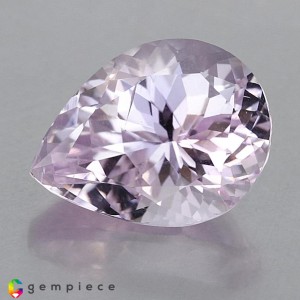
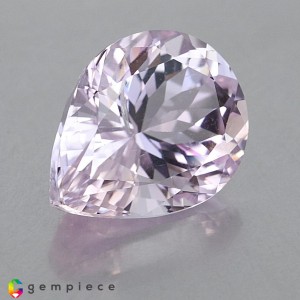
A well-proportioned Kunzite like this one does not need an elaborate design to look complete. Even after regular wear over time, this gemstone maintains its even saturation across the surface. A well-cut Kunzite in Pear form weighing 9.71 carats reveals a Baby Pink tone sourced from Brazil, measurin..
$76.00
SKU: GEM20110370
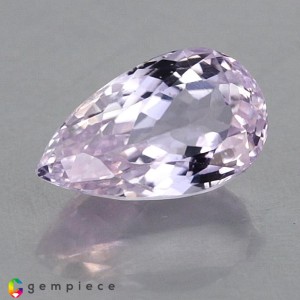
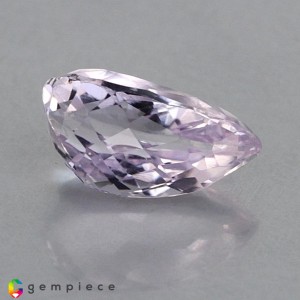
The Baby Pink in this Kunzite is visible without tilting or searching for the right angle — it is present from the first look. The stone's clarity presents naturally at its grade, without needing further explanation. Cut in Pear, this Kunzite weighing 5.61 carats reveals a Baby Pink tone with VVS cl..
$21.00

SKU: GEM20100299
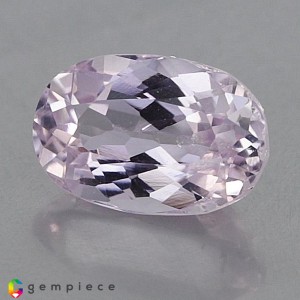
This Kunzite is cut with enough precision to keep the Baby Pink visible even in simpler jewelry settings. The clarity works well for its grade and does not distract from the stone's natural beauty. This Kunzite weighs 6.30 carats and is cut in Oval, featuring a Baby Pink color with VS clarity, measu..
$39.00 $76.00
SKU: GEM20100208
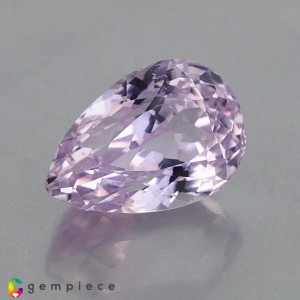
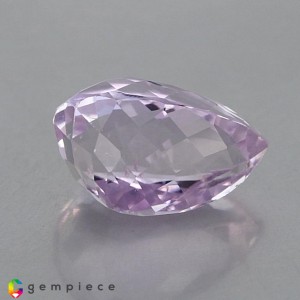
Under direct sunlight or indoor lighting, the Baby Pink stays calm and even without changing its character. Even after extended use, this stone looks as consistent as it did when it was first set. A Pear cut Kunzite weighing 9.24 carats displays Baby Pink with VVS clarity, sourced from Afghanistan, ..
$65.00