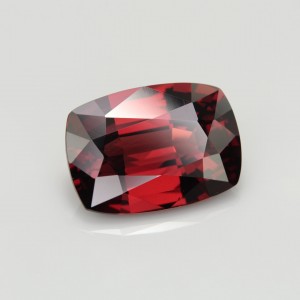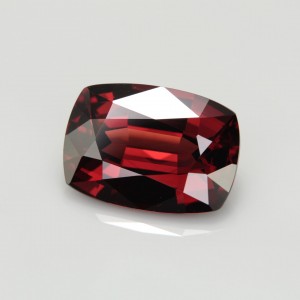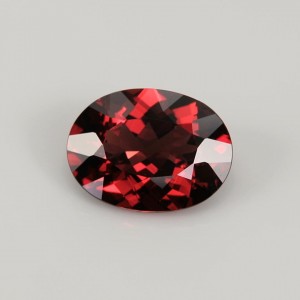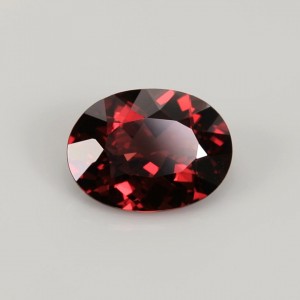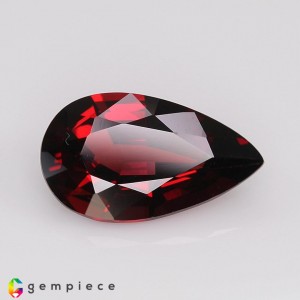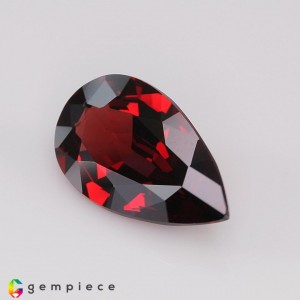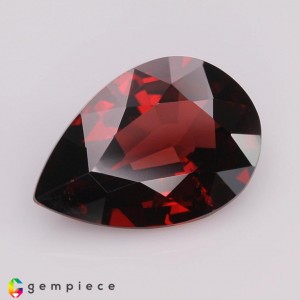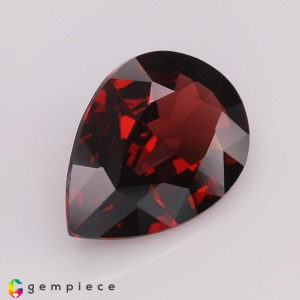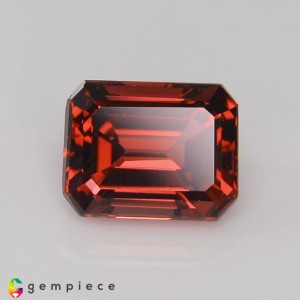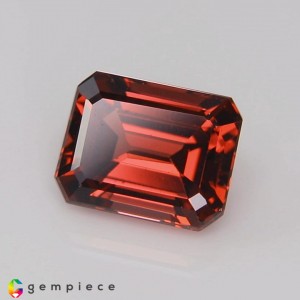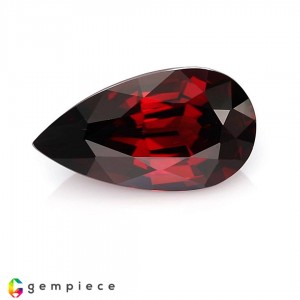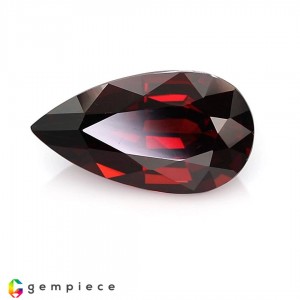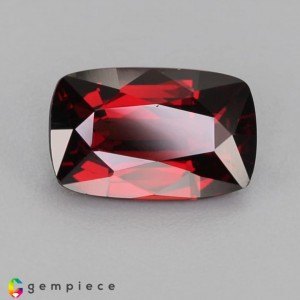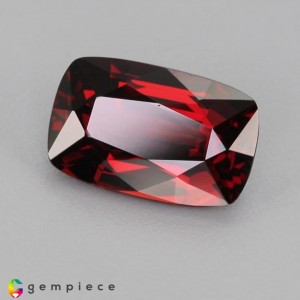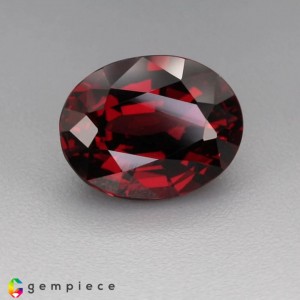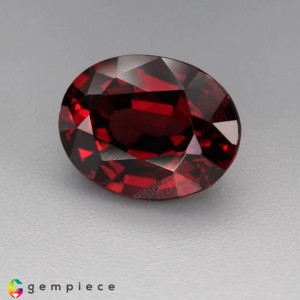

Buy Natural Pyrope Garnet Gemstones Online
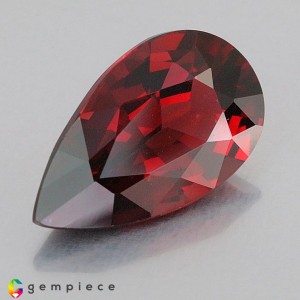
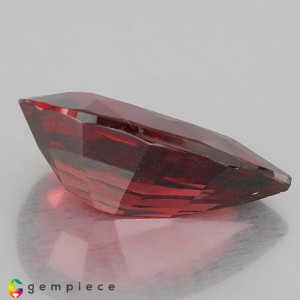
Pyrope garnet is the original red garnet — the gemstone that defined what "garnet" meant to civilizations from ancient Egypt through imperial Rome, through the jeweled courts of medieval Europe, and into the present day. A magnesium-rich member of the pyralspite garnet series, pyrope takes its name from the Greek "pyropos" meaning fiery-eyed, a vivid description of the intensely glowing deep red color that has made it one of the most continuously used gemstones in human history. While the garnet family has expanded dramatically in collector consciousness to include green, orange, and color-change varieties, pyrope's deep, clean red remains one of the most classically beautiful natural colors a gemstone can display.
What sets pyrope apart from the other red garnet — almandine — is its magnesium-dominant composition, which produces a brighter, cleaner red without the brownish overtone that higher iron content introduces into almandine. Pure pyrope red is often described as blood red, wine red, or crimson: a saturated, vivid, deeply warm color that reads immediately as precious and significant. Most commercial pyrope is actually a pyrope-almandine mixture, but the pyrope character dominates wherever magnesium is the primary cation in the crystal lattice.
Pyrope Garnet Varieties
Standard pyrope is the classic deep red variety that defined Bohemian garnet jewelry in the 18th and 19th centuries and continues to be widely used in commercial jewelry today. Czech Republic (historically Bohemia) material set the international benchmark for pyrope color and remains associated with the finest traditional red garnet aesthetic. South Africa produces pyrope in superb blood-red color from kimberlite and eclogite associations — sometimes occurring with diamonds — though typically in small sizes.
Chrome pyrope is colored by chromium substituting for aluminum in the crystal lattice, producing a distinctive violet-red color that can rival fine ruby in saturation. The most celebrated chrome pyrope comes from the Navajo Nation lands in the Four Corners area of Arizona, USA, where the stones are famously known as "anthill garnets." Ants building their colonies bring these gem-quality garnets to the surface from underground kimberlite deposits, creating surface concentrations that have been collected by Navajo people for centuries — historically even used as bullets in the 1800s. Chrome pyropes have also been found in Tanzania, producing larger stones with similar vivid color.
Rhodolite is the pyrope-almandine mixture that occurs when pyrope and almandine combine in roughly two parts pyrope to one part almandine, lightening the deep red toward pink- purple tones. Rhodolite has developed its own strong commercial identity and collector following. Browse our rhodolite garnet collection and read the Rhodolite Garnet Guide.
For detailed gemological information on pyrope, read our Pyrope Garnet Gemopedia Guide.
Pyrope Garnet Properties
Hardness: 7 to 7.5 Mohs — excellent durability for all jewelry types
Refractive Index: 1.714 to 1.742
Specific Gravity: 3.65 to 3.80
Crystal System: Isometric (cubic)
Cleavage: None
Luster: Vitreous
Treatment: None — entirely natural
Pyrope as a Diamond Indicator Mineral
Pyrope garnet has a remarkable scientific application beyond jewelry: it is one of the most important indicator minerals in diamond exploration. Pyrope forms in the same deep mantle environments (peridotite, eclogite, kimberlite) as diamonds, and when diamond-bearing kimberlite pipes erode, pyrope crystals are dispersed into surrounding soils and stream sediments. Geologists searching for diamond deposits systematically sample soils and alluvial deposits, and the presence of pyrope garnet — particularly chromium-rich, calcium-poor "G10" pyrope — is one of the strongest signals of a potentially diamondiferous kimberlite source upstream or upslope. The calcium and chromium composition of kimberlitic pyrope garnets is analyzed by electron microprobe to assess the diamond potential of the associated kimberlite.
Price and Value
Common pyrope garnet is among the most accessible gemstones available, typically ranging from $5 to $100 per carat in standard commercial quality. Chrome pyrope in fine vivid violet-red from Arizona or Tanzania commands $40 to $200 per carat. The Bohemian pyrope tradition, while historically significant, does not command major premiums for loose stones in the current market — the premium for Bohemian material lies in antique set pieces and the historical jewelry tradition rather than the loose stones themselves. Pyrope is entirely untreated.
Browse our complete pyrope garnet collection or explore the full natural garnet gemstone range.
Frequently Asked Questions
What is pyrope garnet?
Pyrope is a magnesium-rich red garnet, one of the six main garnet species. Its name comes from the Greek for fiery-eyed, describing its intense deep red color. It is the classic red garnet used in jewelry for thousands of years and the foundation of the famous Bohemian garnet tradition.
What are anthill garnets?
Anthill garnets are chromium-rich pyrope garnets from the Four Corners area of Arizona, USA, brought to the surface by ants building their colonies from underground kimberlite deposits. They display an intense vivid red to violet-red color and have been collected by Navajo people for centuries. Their small size makes them particularly suited to close-set traditional jewelry designs.
What is the Bohemian garnet tradition?
Bohemian garnet refers to the jewelry tradition centered on small, intensely red pyrope garnets mined in Bohemia (now Czech Republic) since the 16th century. Bohemian garnet jewelry typically features clusters of small, close-set pyropes in characteristic settings and reached peak popularity in 18th and 19th century European courts. Authentic antique Bohemian garnet pieces are collected today as significant historical jewelry.
How does pyrope differ from almandine?
Both are red garnets but with different compositions and visual characters. Pyrope is magnesium-rich and produces a cleaner, brighter red without brownish overtone. Almandine is iron-rich and tends toward deeper red-brown tones. Most commercial red garnets are pyrope-almandine mixtures with one species dominant.
Is pyrope garnet treated?
No. Pyrope is entirely natural and untreated.
Where is pyrope garnet found?
Major sources include Czech Republic (Bohemia), South Africa, Tanzania, Madagascar, Sri Lanka, India, China, and the United States (Arizona and other states). Chrome pyrope is specifically associated with kimberlite environments and found in Arizona, South Africa, Tanzania, and Russia.
Clear ✖