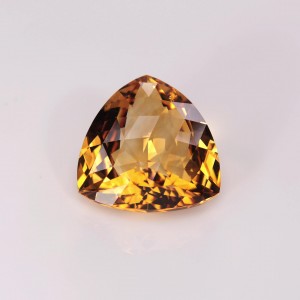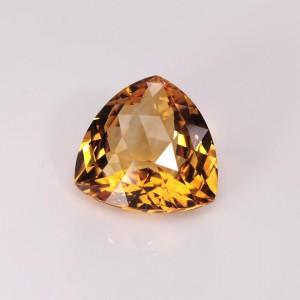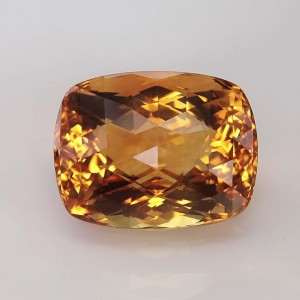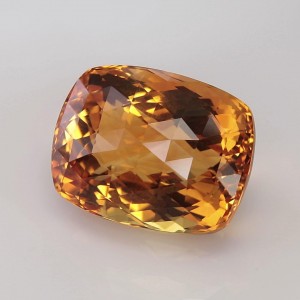
Buy Natural Citrine Gemstones – Yellow, Golden and Madeira
Citrine is the yellow to golden-orange variety of quartz — the November birthstone, one of the most commercially popular and widely available colored gemstones in the world, and a stone whose identity in the modern market requires careful understanding to navigate correctly. Natural citrine forms when quartz crystals containing trace iron develop their color through natural geological heating processes deep within the Earth. However, the vast majority of citrine sold commercially today is heat-treated amethyst or smoky quartz — purple or grey quartz that has been artificially heated to produce yellow, orange, or reddish-orange tones that resemble natural citrine. Both forms are genuine quartz, but they differ in rarity, collector significance, and visual character in ways that every informed buyer should understand.
Read our complete citrine gemstone guide (view collection) covering natural vs heat-treated citrine, color varieties, Brazil and Bolivia sources, clarity, and value — or explore our natural citrine collection with full treatment disclosure on every stone.
Natural Citrine vs Heat-Treated Citrine
Natural citrine is rare. It forms when iron-bearing quartz crystals are subjected to natural radioactive irradiation and low-level geological heat over millions of years, producing a pale to medium yellow or golden color that is distributed evenly throughout the crystal. Because the natural process that produces genuine citrine is uncommon relative to the abundance of amethyst and smoky quartz, truly natural citrine represents a small fraction of all yellow quartz in the market. Natural citrine typically presents in pale to medium yellow tones, rarely in deep orange — the intense oranges and reddish-oranges commonly sold as citrine are almost always heat-treated material. Natural citrine also exhibits weak pleochroism — a subtle color shift when viewed from different angles — while heat-treated material typically does not.
Heat-treated citrine is produced by heating amethyst or smoky quartz to temperatures above 500 degrees Celsius, which converts the purple or grey iron-bearing color centers into yellow, orange, or reddish-orange ones. The resulting color can range from pale yellow to deep reddish-orange depending on the starting material and heating conditions. Heat-treated citrine is stable, permanent, and widely accepted in the gem trade — but it must be disclosed and should be priced accordingly as treated material rather than at premiums appropriate for natural citrine.
Color Varieties and Trade Names
The citrine market uses several trade names for color varieties. Lemon citrine describes pale yellow material with a clean, bright tone — typically natural or lightly treated. Golden citrine refers to warm, medium yellow to golden stones — the most commercially standard color. Madeira citrine is a trade name for deep reddish-orange to brownish-orange material named after the color of Madeira wine — almost always heat-treated amethyst. Palmeira or fire citrine refers to vivid orange material. These trade names are widely used in the industry but carry no standardized grading definitions — always verify treatment status and actual color independently of marketing names.
Ametrine — a naturally occurring combination of amethyst and citrine in a single crystal, produced in significant quantities from the Anahi mine in Bolivia — is a related variety that deserves separate consideration. The zones of purple amethyst and yellow citrine within a single ametrine crystal are natural and untreated, making ametrine a naturally bicolored collector's stone of genuine interest.
Origins and Sources
Brazil is the world's dominant source of citrine — both natural material and the amethyst rough used for heat-treated production. The Rio Grande do Sul state produces significant quantities. Bolivia's Anahi mine is the world's primary source of natural ametrine and also produces natural citrine. Madagascar, Russia, and several African localities produce natural citrine in smaller quantities. Spain (the Salamanca region) and the United States also have natural citrine occurrences. The November birthstone designation has sustained strong commercial demand for citrine across all quality levels globally.
Clarity and Crystal Quality
Citrine is generally a clean gemstone. Natural citrine typically shows excellent transparency and minimal inclusions — the iron-bearing color centers that produce the yellow color do not require inclusions to develop. Heat-treated material may occasionally show white zones or uneven color distribution, particularly at crystal tips where the color saturation during heat treatment is greatest. Eye-clean material is the commercial standard for faceted citrine across all color varieties. Large, eye-clean citrine in fine natural yellow is available and represents good value at accessible price points.
Hardness and Durability
Citrine shares the physical properties of all macrocrystalline quartz: Mohs hardness of 7, specific gravity of 2.65, and refractive index of 1.544 to 1.553. This hardness makes citrine a practical everyday gemstone suitable for rings, pendants, earrings, and bracelets. No cleavage — quartz fractures conchoidally — means citrine is tough as well as hard. The combination of durability, availability, and affordability makes citrine one of the most commercially versatile colored gemstones in the market.
Value and Buying Considerations
Natural citrine commands higher prices than heat-treated material of similar appearance — the rarity premium for genuinely natural yellow quartz is real and meaningful in the collector market. For commercial jewelry, heat-treated citrine at disclosed pricing offers excellent value. The most important consideration for any citrine purchase is treatment disclosure — always confirm whether material is natural or heat-treated before paying prices appropriate for natural stones. For collector-grade material, pale to medium natural yellow or golden citrine from verified Brazilian or Bolivian origins with laboratory confirmation of natural status represents the premium tier.
GemPiece provides full treatment disclosure on every citrine stone — natural and heat-treated material are clearly distinguished in our collection.
Explore Related Quartz and Yellow Gemstones
Collectors of quartz varieties and yellow gemstones may also appreciate quartz varieties (view collection), amethyst (view collection), ametrine (view collection), and danburite (view collection).
Frequently Asked Questions
What is citrine?
Citrine is the yellow to orange-yellow variety of macrocrystalline quartz, colored by iron impurities within the silicon dioxide crystal structure. It is the November birthstone and one of the most commercially popular colored gemstones globally. Natural citrine forms through geological processes; most commercial citrine is heat-treated amethyst or smoky quartz.
Is most citrine heat-treated?
Yes. The vast majority of citrine in the commercial market — estimated at over 90% — is produced by heat-treating amethyst or smoky quartz. This produces stable, permanent yellow, orange, or reddish-orange colors. Natural citrine is genuine but rare and typically paler in tone than heat-treated material.
How can I tell natural citrine from heat-treated?
Natural citrine is typically pale to medium yellow with a gentle, even color distribution and exhibits weak pleochroism. Heat-treated material often shows deeper orange to reddish-orange tones with color concentrated at crystal tips and no pleochroism. Laboratory testing provides definitive identification. Purchase from suppliers who provide explicit treatment disclosure.
What is Madeira citrine?
Madeira citrine is a trade name for deep reddish-orange to brownish-orange citrine — named after the color of Madeira wine. It is almost invariably heat-treated amethyst. It is a legitimate and attractive product when properly disclosed but should not be priced as natural citrine.
What is ametrine?
Ametrine is a naturally bicolored quartz gemstone containing zones of both amethyst (purple) and citrine (yellow) in the same crystal. The color zoning is entirely natural and untreated, produced in the Anahi mine in Bolivia where specific geological conditions create the temperature gradient needed for both colors to form in one crystal.
Is citrine the November birthstone?
Yes. Citrine is the primary birthstone for November, alongside topaz. Its warm golden and yellow tones are associated with November across most modern birthstone lists.
Is citrine durable for everyday jewelry?
Yes. Mohs hardness 7 with no cleavage makes citrine a practical, durable gemstone suitable for all jewelry applications including everyday rings, pendants, earrings, and bracelets.
Clear ✖