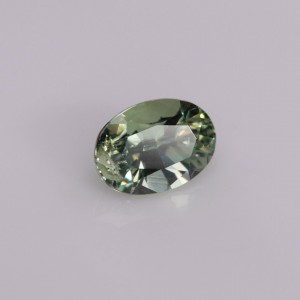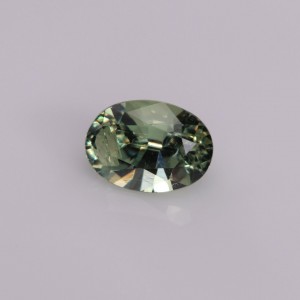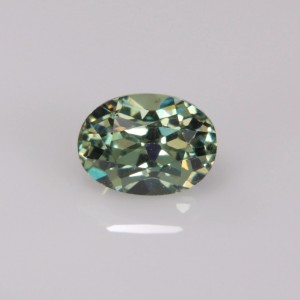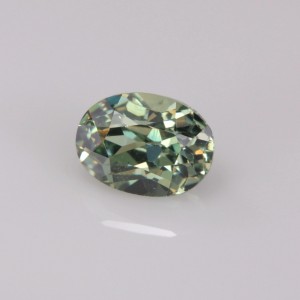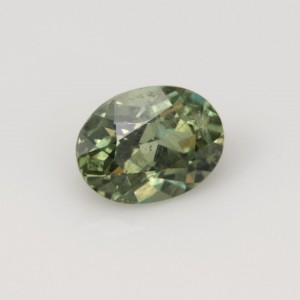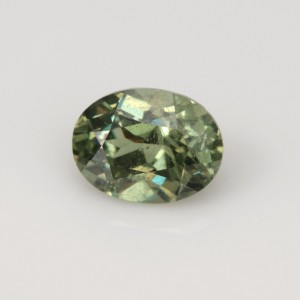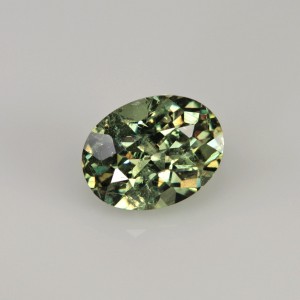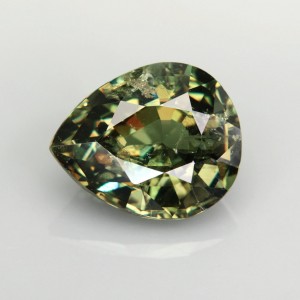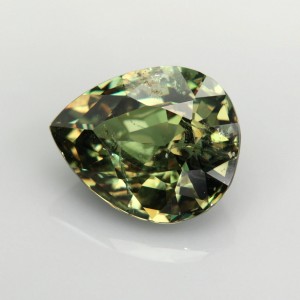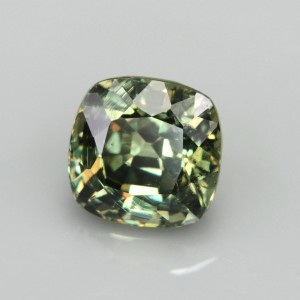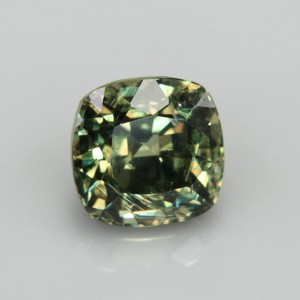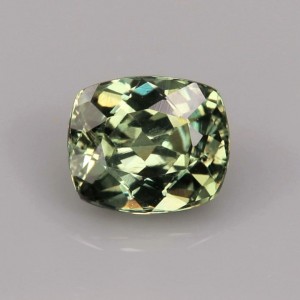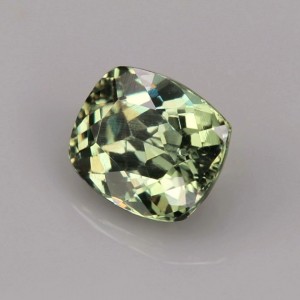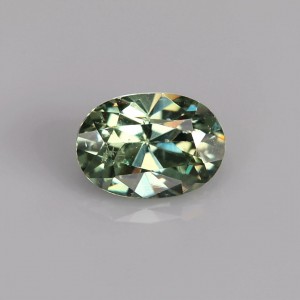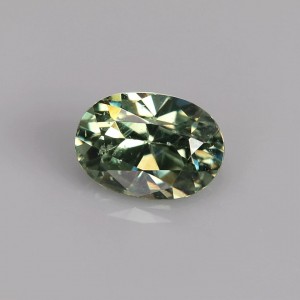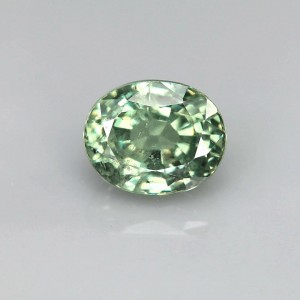
Buy Natural Demantoid Garnet Stones Online
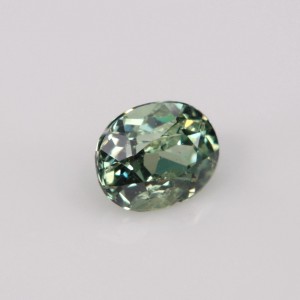
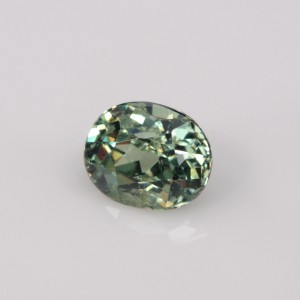
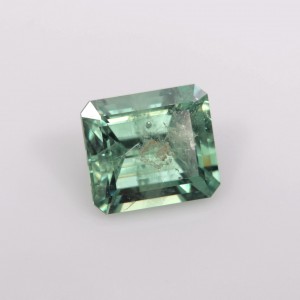
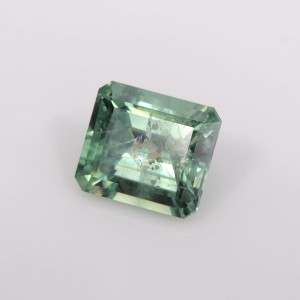
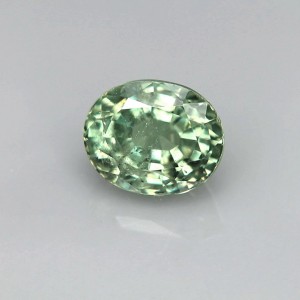
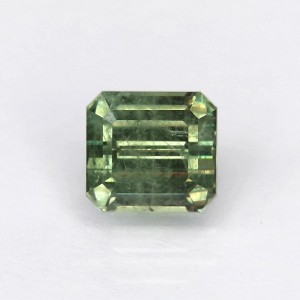
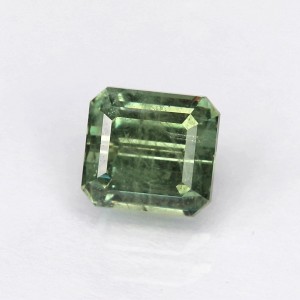
Demantoid garnet is one of the most coveted gemstones on earth. The finest examples command prices that rival top ruby and sapphire, yet among the general buying public it remains relatively unknown — which creates an extraordinary opportunity for collectors and investors who understand what they are looking at. A green variety of andradite garnet, demantoid takes its name from the Dutch word "demant," meaning diamond, a tribute to its diamond-like fire. And that fire is not marketing language: demantoid's measured dispersion value of 0.057 actually exceeds diamond's 0.044, meaning it generates more spectral color flashes, more fire, than any other natural silicate gemstone on earth.
Combine that extraordinary fire with a vivid emerald-like green color, complete absence of treatment, an extraordinary and unique inclusion type that increases rather than decreases value, and a global supply so constrained that fine stones above one carat are genuinely difficult to find — and you begin to understand why every serious colored gemstone collector considers demantoid garnet essential to their collection.
The Story of Demantoid
Demantoid was discovered in 1853 along the Bobrovka River in the Ural Mountains of Russia, near the city of Nizhny Tagil. The Finnish mineralogist Nils Gustaf Nordenskiöld formally identified it as a distinct variety of andradite garnet in 1854 and recognized its exceptional optical properties. Within decades, demantoid had become the gemstone of the Russian imperial court and the signature stone of Carl Fabergé, who used it extensively in his jeweled creations for the Romanov family and European aristocracy. The warm, vivid green stones set against gold became an icon of imperial Russian jewelry.
Russian production declined through the first half of the 20th century, and by mid-century demantoid was so scarce in the market that it appeared almost exclusively in antique jewelry. For a generation of buyers, demantoid was something you found in Victorian and Edwardian pieces, not something you could buy fresh-cut. This changed in 1996 when a major deposit was discovered at the Green Dragon Mine in Namibia, and again in 2009 when significant material emerged from the Antetezambato deposit in northern Madagascar. These new sources have reintroduced demantoid to the contemporary market, though the finest quality material remains genuinely scarce from all origins.
Demantoid by Origin
Understanding demantoid properly requires understanding its sources, because origin is more significant for this variety than for almost any other garnet. The three main commercial origins produce stones with distinct characteristics, and the price differences between them are substantial.
Russian demantoid from the Ural Mountains remains the historical gold standard. Russian stones are known for their warm green color with subtle yellow overtones and their characteristic horsetail inclusions, which are unique to this origin and command a collector premium. Russian demantoid is the most expensive by origin, with laboratory-verified Russian provenance adding meaningful value at all size levels. The Bobrovka River area and surrounding Ural deposits have been mined for over 150 years, and while production continues with renewed commercial activity in recent decades, the finest material in larger sizes is increasingly rare.
Namibian demantoid from the Green Dragon Mine and other Erongo region deposits offers exceptional face-up clarity, vivid cool green color, and more consistent availability in sizes above one carat than Russian material. Namibian stones generally do not display the classic horsetail inclusions, but they compensate with outstanding transparency and a slightly cooler, more purely green tone that many buyers prefer for jewelry applications. They represent outstanding value for buyers seeking maximum visual quality per dollar spent.
Madagascar demantoid from the Antetezambato deposit in the Antsiranana Province has produced exceptional material since 2009, including some of the largest gem-quality demantoid crystals ever found. Madagascar stones range from yellow-green to deep green in tone and occasionally display horsetail-like inclusion patterns, making them particularly interesting for collectors seeking Russian-style characteristics without Russian-level pricing.
Additional sources including Iran (Belqeys Mountain, West Azerbaijan), Italy (Val Malenco, Ala in Piedmont), and Pakistan produce demantoid in limited quantities with varying characteristics. Iranian demantoid has gained recognition in recent years for vivid color and occasional horsetail inclusions.
For full gemological detail on andradite, read our Andradite Garnet Gemopedia Guide. See also our andradite garnet collection and tsavorite garnet collection, with the guide at Tsavorite Garnet Guide.
Horsetail Inclusions
Demantoid garnet is one of the very few gemstones in the world where a specific inclusion type increases rather than decreases value. Horsetail inclusions are fine, fibrous radiating patterns visible under magnification that emerge from a central nucleus inside the stone, resembling the flowing tail of a horse. The fibers are composed of chrysotile, a fibrous serpentine mineral, and the central nucleus is typically a chromite crystal. Both formed from the same hydrothermal fluid system that crystallized the surrounding andradite host — they are geologically contemporaneous with the garnet itself.
Horsetail inclusions are most strongly associated with Russian origin and are considered a premium feature in Russian demantoid. A well-developed horsetail inclusion in a Russian-origin demantoid can add a meaningful premium to the stone's value on top of the already significant Russian origin premium. However, horsetails have also been documented in Iranian, Italian, and occasionally Madagascar stones. A 2018 gemological study found horsetail inclusions in non-demantoid brown andradite as well, which means their presence alone is no longer diagnostically conclusive for Russian origin — laboratory verification remains essential for premium origin claims.
Demantoid Garnet Properties
Hardness: 6.5 Mohs — the lowest of any commercial garnet variety. Protective settings strongly recommended for daily-wear rings
Refractive Index: 1.880 to 1.889 — highest of any garnet species
Dispersion: 0.057 — exceeds diamond (0.044)
Specific Gravity: approximately 3.84
Crystal System: Isometric (cubic)
Cleavage: None
Luster: Adamantine to resinous
Treatment: Predominantly none; occasional gentle heat treatment to reduce brownish tones must be disclosed
Demantoid Garnet Price and Value
Demantoid is the most valuable garnet variety and commands prices that can exceed fine sapphire and ruby on a per-carat basis for exceptional material. Pricing is driven by origin, size, color saturation, clarity, cutting quality, and the presence or absence of horsetail inclusions in Russian material.
Russian demantoid with horsetail inclusions: 0.5 to 1 carat — $500 to $2,000 per carat; 1 to 3 carats — $2,000 to $15,000 per carat; 3 to 5 carats — $8,000 to $30,000 per carat; above 5 carats — extraordinary premiums, museum-quality pieces. Namibian and Madagascar demantoid without horsetails: 0.5 to 1 carat — $200 to $900 per carat; 1 to 3 carats — $300 to $2,000 per carat; above 3 carats — $800 to $5,000 per carat depending on quality.
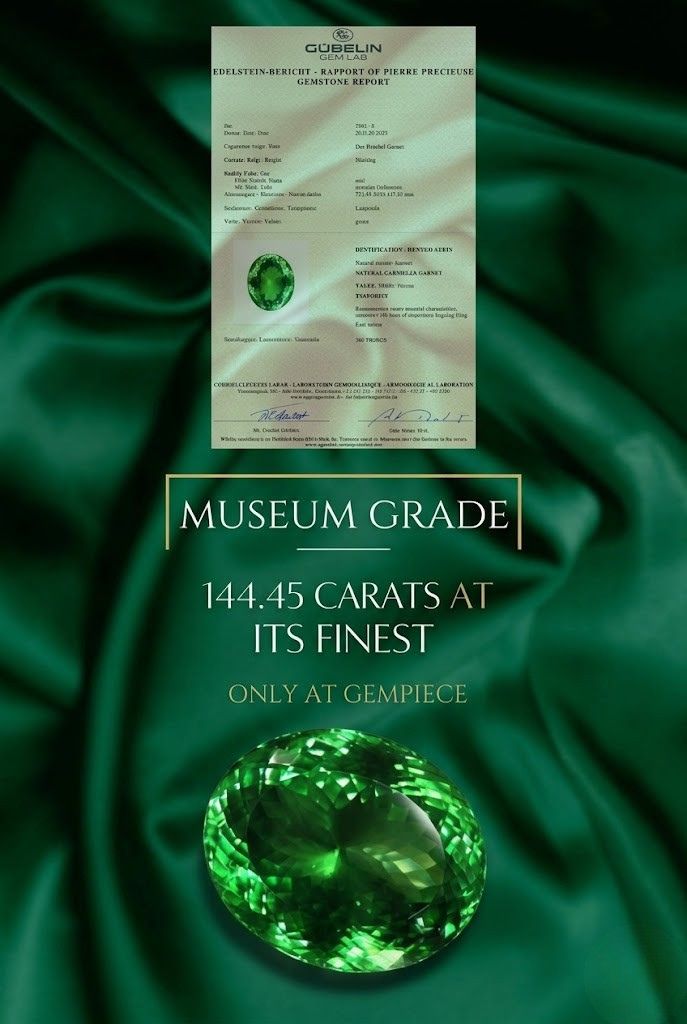
At GemPiece, all demantoid origin claims are accurately represented and backed by laboratory documentation where applicable. We maintain strict transparency — no stone is sold as Russian without verification. Browse our complete demantoid garnet collection or explore the full natural garnet gemstone range.
Demantoid in Jewelry
Demantoid is used in all jewelry types: rings, earrings, pendants, brooches, and bracelets. Its association with Fabergé and imperial Russian jewelry has given it an inherent prestige that no amount of contemporary marketing could manufacture. For jewelry designers and collectors who want a green gemstone with extraordinary fire and complete natural integrity, demantoid has no equal.
The 6.5 Mohs hardness requires thoughtful setting choices for ring use. Bezel settings, halo constructions, and recessed prong settings that protect the girdle and crown reduce abrasion risk significantly. Earrings, pendants, and brooches present no practical durability concern. Demantoid works beautifully in both yellow gold (which complements the warm yellow-green of Russian stones) and white gold or platinum (which enhances the cool vivid green of Namibian material).
Frequently Asked Questions
What makes demantoid garnet so special?
Demantoid combines three extraordinary qualities: vivid green color comparable to fine emerald, dispersion exceeding diamond that produces spectacular fire, and a characteristic inclusion type (horsetail) that increases rather than decreases value. No other gemstone combines these three properties.
What are horsetail inclusions in demantoid?
Horsetail inclusions are fine, radiating chrysotile fiber inclusions around a chromite nucleus inside the stone. They form simultaneously with the garnet during geological crystallization. Most commonly found in Russian demantoid, they are one of the very few inclusion types in all of gemology that add commercial value to a gemstone.
Is Russian demantoid always better than Namibian?
Russian demantoid commands the highest market premiums, particularly for stones with horsetail inclusions, due to historical prestige and the warm characteristic green tone. However, Namibian demantoid often offers better clarity, equally vivid color, and larger sizes at substantially lower prices. Both represent exceptional gemstones. The best choice depends on whether you prioritize horsetail inclusions and Russian provenance or maximum visual clarity and value.
Why is demantoid so rare?
Demantoid forms in serpentinized ultramafic rocks under specific hydrothermal conditions requiring calcium, silica, iron, and trace chromium to coincide precisely. This geological environment is genuinely uncommon globally. Even within known deposit areas, facetable crystals of gem quality are found in small sizes, and stones above one carat in fine color are rare from every origin.
Is demantoid garnet heat treated?
Demantoid is predominantly untreated. It occasionally receives gentle heat treatment to reduce brownish undertones, improving color toward a purer green. This treatment must always be disclosed and is detectable by gemological laboratory analysis. At GemPiece, treatment status is fully disclosed on every stone.
What setting is best for demantoid garnet in a ring?
Given its 6.5 Mohs hardness, bezel settings and halo constructions that protect the stone's circumference are strongly recommended for daily-wear rings. Recessed prong settings also provide good protection. For occasional-wear rings, standard four or six prong settings are acceptable with mindful wear.
How does demantoid compare to tsavorite?
Both are rare green garnets commanding premium prices. Demantoid (andradite species) has higher dispersion and produces more fire. Tsavorite (grossular species) has greater hardness (7 to 7.5 Mohs) and is more durable in daily jewelry use. Demantoid commands higher peak prices for Russian material; tsavorite commands higher prices for stones above two carats in vivid clean quality. Both are outstanding and the choice is personal.
Clear ✖