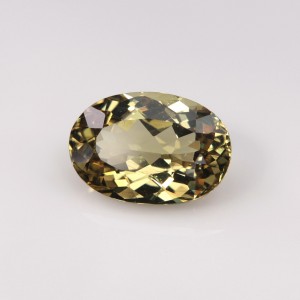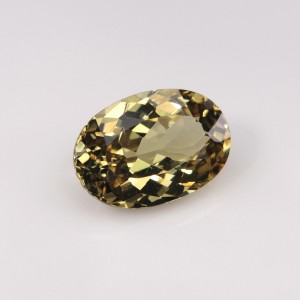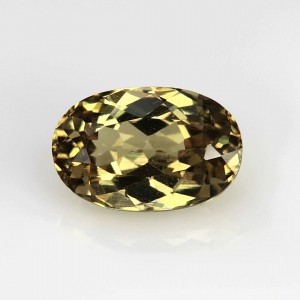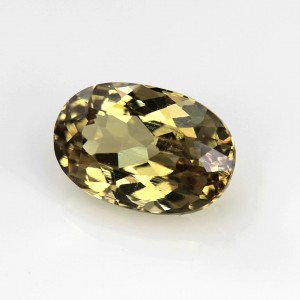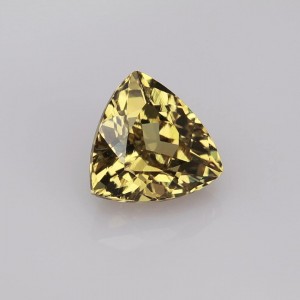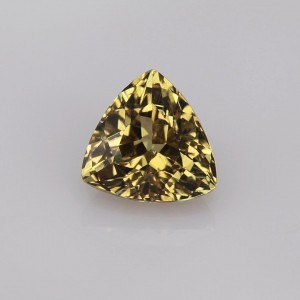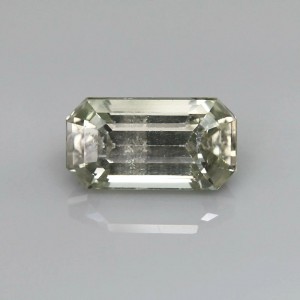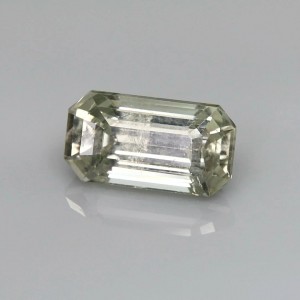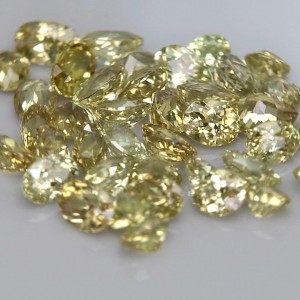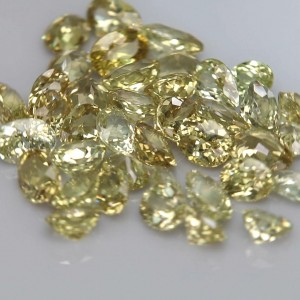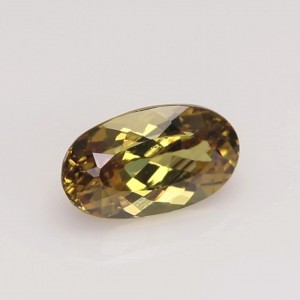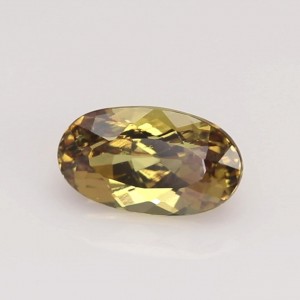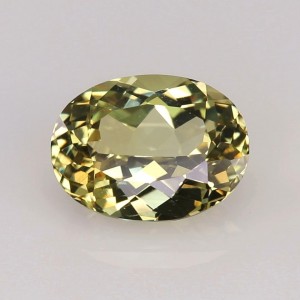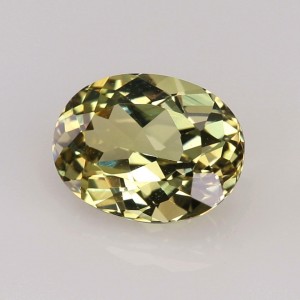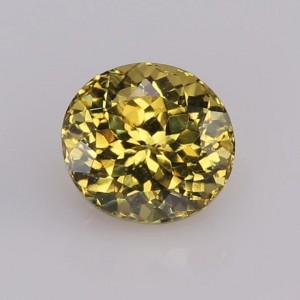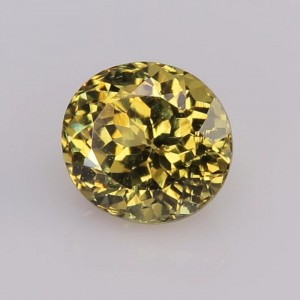
Buy Natural Grossular Garnet Gemstones Online
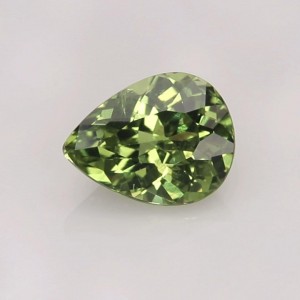
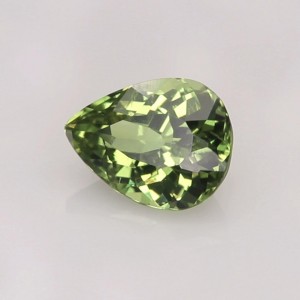
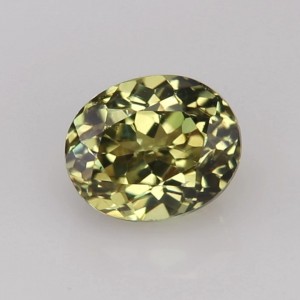
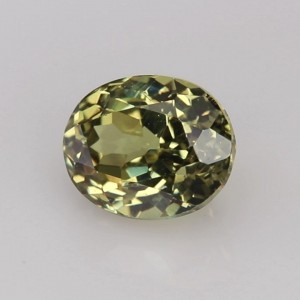
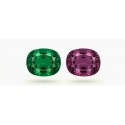
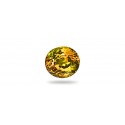
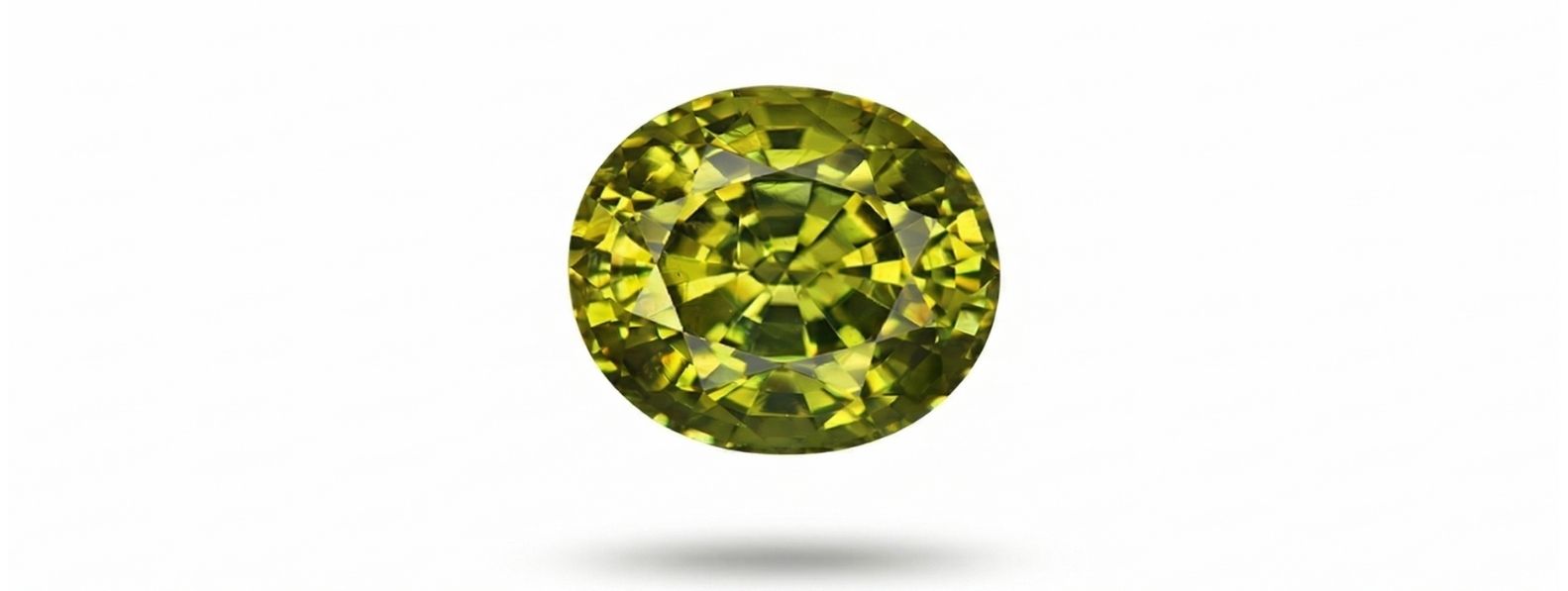
Grossular garnet is the most colorfully diverse species in the entire garnet family. While most garnet species produce a relatively predictable color range, grossular spans virtually the full palette from colorless through yellow, orange, brown, and multiple shades of green, including some of the most intense and vivid greens available in the entire gemstone kingdom. This extraordinary range is not accidental — it is a direct consequence of grossular's calcium-aluminum silicate chemistry, which accepts a wider variety of trace element substitutions than most other garnet species, producing dramatically different visual results from essentially the same crystal framework.
Most buyers know grossular through its commercial trade names rather than its species name. Tsavorite, hessonite, and mint garnet are all grossular garnet — each a variety within the same mineral species, each with a distinct color, distinct source geography, and distinct market position. Understanding grossular as a unified species helps buyers appreciate the full range of what this remarkable calcium garnet family offers.
Grossular Garnet Varieties
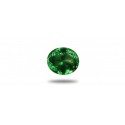
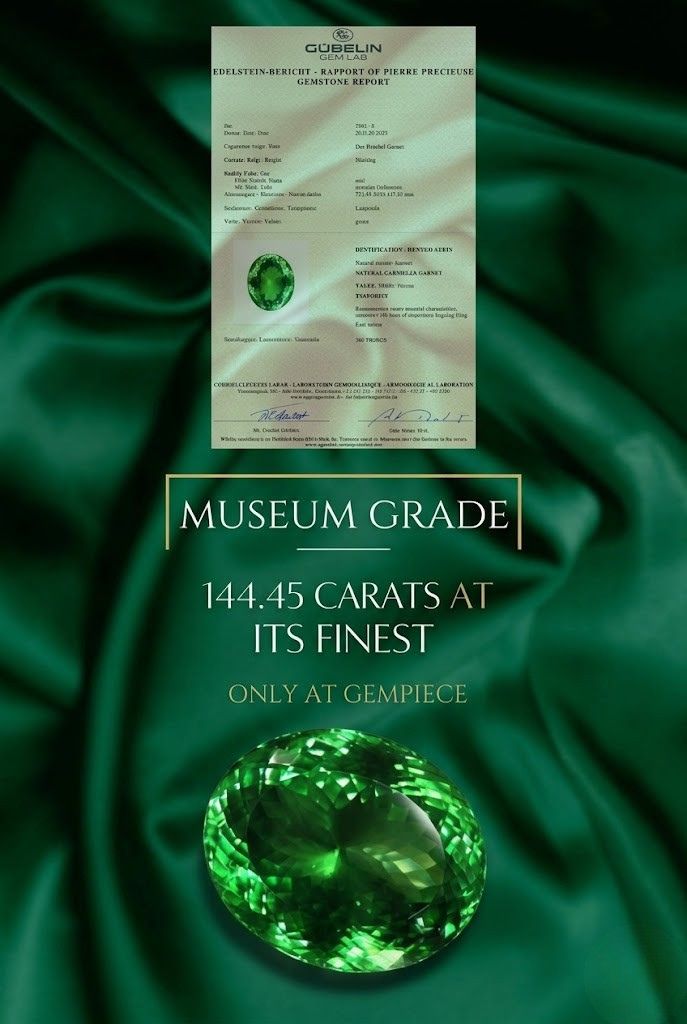
Tsavorite is the most commercially important and most valuable grossular variety. Its vivid green color, produced by trace vanadium and chromium within the calcium-aluminum lattice, rivals fine emerald in saturation while consistently exceeding emerald in brilliance, clarity, and durability. Found primarily in Kenya and Tanzania within the ancient Mozambique Belt metamorphic terrain, tsavorite is entirely untreated and genuinely scarce in fine quality above two carats. The combination of rarity, natural integrity, and extraordinary visual appeal places tsavorite among the most compelling gemstones available in today's market. Browse our tsavorite garnet collection and read the Tsavorite Garnet Guide for complete detail.
Hessonite is the orange to cinnamon-brown variety of grossular, one of the most visually distinctive gemstones in the orange color family. Known for centuries as "cinnamon stone," hessonite displays a warm, glowing color and a unique internal heat-wave texture that gives it visual depth unlike any other gemstone. The finest hessonites come from Sri Lanka, where gem-grade material in large sizes with rich color and strong luster has been mined from ancient alluvial gravels for millennia. Browse our hessonite garnet collection and read the Hessonite Garnet Guide.
Mint grossular, also called merelani mint garnet, is a soft pale-to-medium green variety from the Merelani Hills of Tanzania, the same deposit that produces tanzanite. Lighter in tone than tsavorite, merelani mint offers a fresh, contemporary green that has become popular with jewelry designers seeking a delicate alternative to the more intensely saturated tsavorite green. It is entirely untreated and typically achieves excellent clarity.
Leuco garnet is a rare colorless variety of grossular. Facetable gem-quality material in the colorless form is extremely uncommon, making clean cut leuco garnet a collector's item rather than a commercial commodity.
Mali garnet, while technically a grossular-andradite hybrid, falls within the grossular species framework. Explore our mali garnet collection and the Mali Garnet Guide for its full story.
For comprehensive gemological information on the grossular species, read our Grossular Garnet Gemopedia Guide.
Grossular Garnet Properties
Grossular is a calcium aluminum silicate garnet belonging to the ugrandite series of the garnet group. Its chemical formula is Ca₃Al₂(SiO₄)₃, with calcium in the X-site and aluminum in the Y-site of the garnet crystal lattice. It crystallizes in the isometric (cubic) system, forming characteristic dodecahedral crystals, and is singly refractive.
Hardness: 6.5 to 7.5 Mohs
Refractive Index: 1.690 to 1.760 (varies by variety and trace element content)
Specific Gravity: 3.49 to 3.61
Dispersion: 0.028
Crystal System: Isometric (cubic)
Cleavage: None
Luster: Vitreous to greasy
Treatment: Predominantly none — all varieties are entirely natural
What Drives Grossular's Color Range
The extraordinary color diversity within grossular results from different trace element substitutions within the same calcium-aluminum framework. Chromium and vanadium substituting for aluminum in the Y-site produce the intense greens of tsavorite, with higher chromium driving color toward deeper, cooler greens and higher vanadium producing brighter, slightly warmer greens. Iron in the ferric state produces the orange, yellow, and brown tones of hessonite and yellow grossular. Manganese contributes to deeper orange tones particularly in hessonite. A pure calcium-aluminum composition with minimal trace element content produces colorless leuco garnet. Mint grossular reflects a lower concentration of the same vanadium-chromium chromophores that color tsavorite, producing a paler, more pastel green.
Grossular Garnet Sources
Grossular garnet is found on multiple continents with different varieties dominating different regions. Kenya and Tanzania's Mozambique Belt terrain is the source of the world's finest tsavorite and also produces mint grossular from the Merelani Hills. Sri Lanka's ancient gem gravels are the benchmark source for hessonite, producing large material with vivid cinnamon color and exceptional luster that sets the quality standard for the variety. Madagascar produces multiple grossular varieties. Canada (particularly Quebec) has produced excellent hessonite material including large well-cut stones. Italy, Mexico, Pakistan, and Russia contribute additional grossular material in various forms.
Grossular Garnet Price and Value
Value varies dramatically across grossular varieties. Fine tsavorite with vivid green color and good clarity commands $400 to $4,200 per carat with stones above two carats rising steeply. Mint green grossular (merelani mint) ranges from $140 to $1,020 per carat for well-saturated stones. Yellow and orange grossular typically ranges from $8 to $120 per carat. Hessonite in fine Sri Lankan quality with rich cinnamon color and good luster ranges from $15 to $200 per carat, with larger exceptional stones commanding higher prices. All grossular varieties are entirely untreated — their colors are fully natural.
Browse our complete grossular garnet collection or explore the full natural garnet gemstone range.
Why Choose Grossular Garnet
Grossular garnet offers something that almost no other single gemstone species can match: genuine versatility across color, price, and application. A buyer seeking the finest investment-grade green gemstone finds tsavorite within the grossular family. A buyer seeking an affordable, distinctive, and entirely natural orange gem finds hessonite. A jewelry designer seeking a contemporary pale green for a specific aesthetic finds merelani mint. All from the same mineral species, all untreated, all carrying the garnet group's inherent durability and resistance to cleavage. This combination of range, integrity, and accessibility is what makes grossular one of the most rewarding gemstone families to explore and collect.
Frequently Asked Questions
What is grossular garnet?
Grossular is a calcium aluminum silicate garnet species producing the widest color range of any garnet — from colorless through yellow, orange, brown, pale green (mint), vivid green (tsavorite), and occasionally near-red. Its name comes from the Latin for gooseberry, after the pale green color of the first specimens described. Tsavorite and hessonite are the two most commercially important varieties.
Is tsavorite a type of grossular garnet?
Yes. Tsavorite is a vivid green variety of grossular garnet, colored by trace vanadium and chromium. It is entirely natural and untreated, found primarily in Kenya and Tanzania, and is considered one of the finest and most valuable garnets in the world.
What is mint grossular garnet?
Mint grossular, also called merelani mint garnet, is a pale to medium green variety of grossular from the Merelani Hills of Tanzania. Lighter in color than tsavorite, it provides a fresh, delicate green at a more accessible price point and has become popular with contemporary jewelry designers.
Is grossular garnet treated?
No. All commercially available grossular garnet varieties — tsavorite, hessonite, mint grossular, and leuco garnet — are entirely natural and untreated. Their color is purely a product of natural chemical composition.
Where is grossular garnet found?
Kenya and Tanzania for tsavorite and mint grossular. Sri Lanka for the finest hessonite. Madagascar, Canada, Italy, Pakistan, Mexico, and Russia produce additional material across various varieties.
What is the difference between grossular and tsavorite?
Grossular is the mineral species name. Tsavorite is the trade name for the vivid green variety of grossular colored by vanadium and chromium. All tsavorite is grossular; not all grossular is tsavorite. Hessonite, mint garnet, and leuco garnet are also grossular varieties.
What makes hessonite different from other orange gems?
Hessonite has a unique internal optical character called the heat-wave or treacly texture — a swirled, roiled internal appearance that gives the stone a warm, glowing depth unlike any other orange gemstone. This texture is natural to the variety and is considered part of its identity and appeal rather than a flaw.
Clear ✖