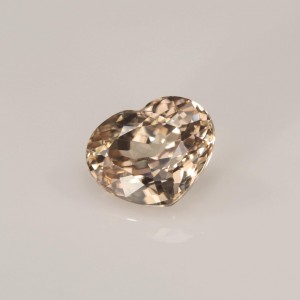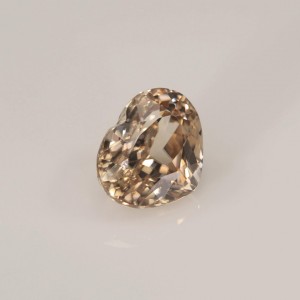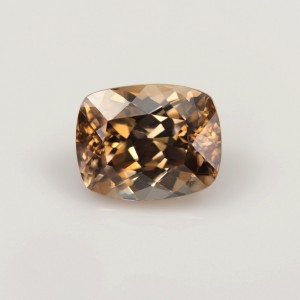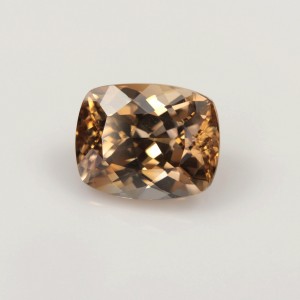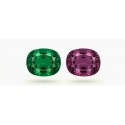
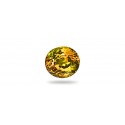
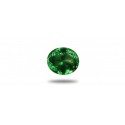
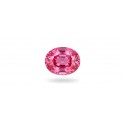
Buy zircon Gemstones Online
Zircon is the oldest mineral on earth. A crystal from the Jack Hills region of Western Australia has been dated to 4.374 billion years old, making it older than any other known mineral specimen and predating the formation of the earth's crust itself. This geological distinction is not merely trivia: it means that when you hold a fine natural zircon, you are holding material that formed in the earliest moments of our planet's existence. No other gemstone you can wear carries this age. And beyond its extraordinary geological provenance, natural zircon is also one of the most optically brilliant colored gemstones available, with a refractive index approaching diamond, high dispersion producing vivid fire, and a wide color range covering blue, red, orange, yellow, colorless, and green.
Natural zircon is frequently and unfairly confused with cubic zirconia, a cheap synthetic diamond simulant made from zirconium oxide. The two materials share nothing beyond a similar-sounding name. Zircon is a completely natural gemstone composed of zirconium silicate (ZrSiO₄), formed over billions of years in geological processes that no laboratory has replicated. Cubic zirconia is a man-made product. The confusion has damaged natural zircon's market reputation significantly, making it one of the most undervalued natural gemstones available today relative to its actual optical quality and geological significance.
Natural Zircon vs Cubic Zirconia: The Critical Distinction
Every buyer of natural zircon deserves a clear explanation of this distinction because the name confusion is widespread even among educated buyers. Natural zircon (ZrSiO₄) is a mineral that has formed in geological environments across billions of years. It is found in gem gravels, pegmatites, and metamorphic rocks on every continent. It has been used in jewelry since ancient times. It is December's oldest birthstone. It contains trace uranium and thorium that allow it to be dated with extraordinary precision using radiometric methods. It displays strong double refraction visible to the naked eye. It has a refractive index approaching diamond. It is entirely natural.
Cubic zirconia (ZrO₂) is a synthetic material manufactured in industrial furnaces since the 1970s as an affordable diamond simulant. It is made from zirconium oxide, a different chemical compound. It does not exist in nature. It has no geological history. It sells for a few dollars per stone and is used as a cheap diamond imitation in mass-market jewelry.
The only connection between natural zircon and cubic zirconia is that both contain the element zirconium. This shared element created a name collision that the synthetic industry has never adequately addressed. At GemPiece, every stone in our collection is natural zircon, fully documented as a natural mineral gemstone of geological origin.
For full gemological detail read our Zircon Gemstone Guide. Browse our rare gemstone collection for exceptional collector-grade zircon. See related gemstones including blue tourmaline, spessartite garnet, and peridot, with guides at Blue Tourmaline Guide, Garnet Guide, and Peridot Guide.
Blue Zircon: The Most Popular Variety
Blue zircon is the most commercially important and widely purchased variety of natural zircon. The vivid, medium to deep blue of fine blue zircon has genuine brilliance and fire that no other blue gemstone at a comparable price point can match, making it one of the strongest value propositions in the blue gemstone market.
Most blue zircon is produced through controlled heat treatment of naturally brown or reddish-brown zircon rough. Heating in specific atmospheric conditions causes a structural and electronic change that produces the characteristic blue color. This is a permanent treatment that is widely accepted and disclosed in the trade. Cambodia is the world's benchmark source for fine blue zircon, producing material in a range from sky blue through vivid medium blue to deep teal blue that is recognized globally as the finest commercial quality.
Fine blue zircon is cut deeper than many other gemstones to maximize the richness of the blue color. This cutting practice produces stones that appear slightly smaller face-up relative to their carat weight compared to shallower-cut gems of equivalent carat. This is correct cutting practice for blue zircon and should be understood as a quality indicator rather than a limitation.
Red Zircon: Exceptionally Rare
Red zircon from Tanzania is among the rarest and most collectible natural zircon varieties. Tanzanian red zircon displays vivid reddish tones with the characteristic brilliant fire of zircon, producing a visual impact that challenges the finest red garnets and approaches the intensity of ruby at a fraction of the price. Tanzania's specific deposits producing gem-quality red zircon are limited in extent and production has been declining, making fine red zircon increasingly difficult to source. Stones above 2 carats in vivid red with good clarity command significant collector premiums. At GemPiece, we source red zircon directly from trusted Tanzanian suppliers and offer it with full origin documentation.
Colorless Zircon: The Matura Diamond
Colorless zircon, historically known as the Matura Diamond (named after the Sri Lankan town of Matara), rivals diamond in brilliance and fire more closely than any other natural colorless gemstone. With a refractive index of approximately 1.93 to 1.98 and high dispersion, well-cut colorless zircon produces spectral fire that is noticeably more vivid than sapphire, topaz, or white spinel in equivalent settings. Sri Lanka has historically been the primary source of fine colorless zircon. Buyers seeking a natural diamond alternative with genuine geological character and outstanding brilliance at a fraction of diamond cost should seriously evaluate fine colorless zircon.
Other Natural Zircon Colors
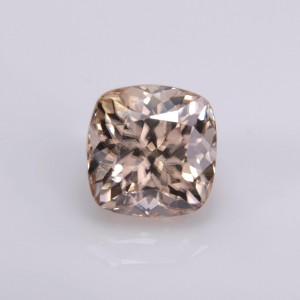
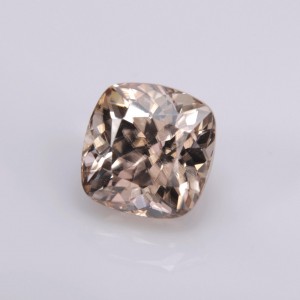
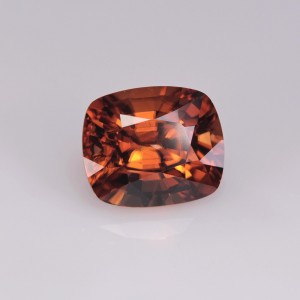
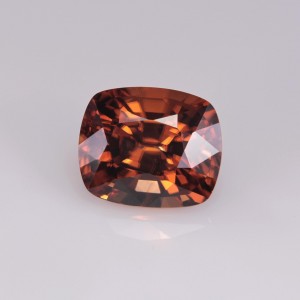
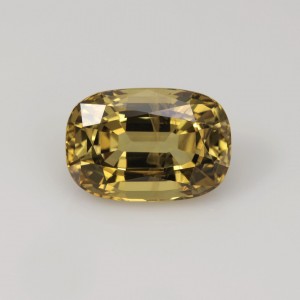
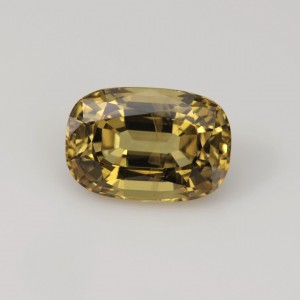
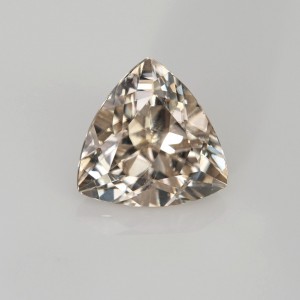
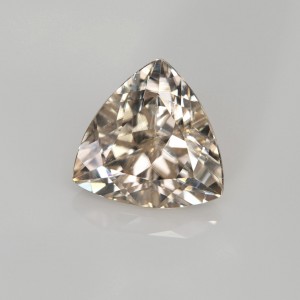
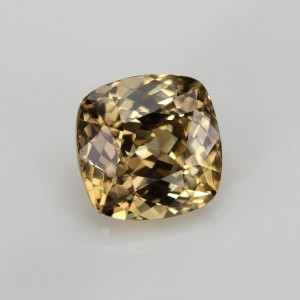
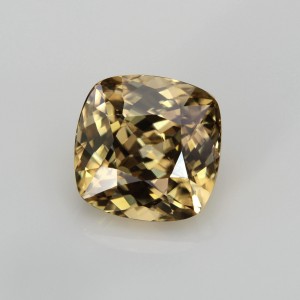
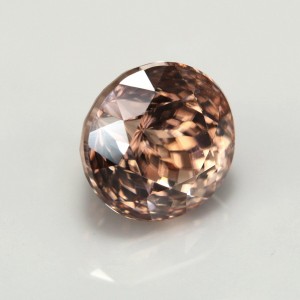
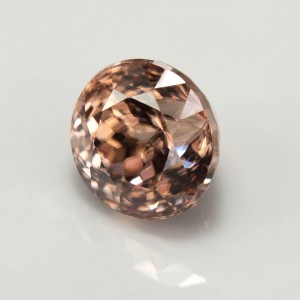
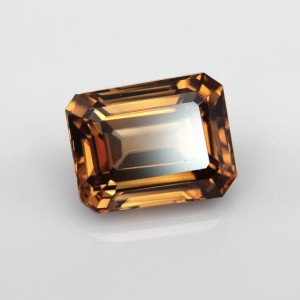
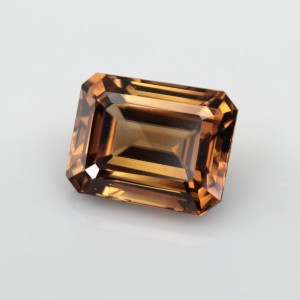
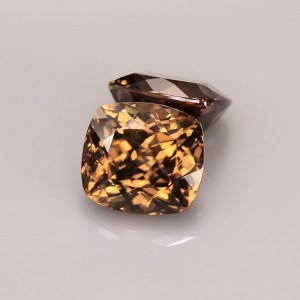
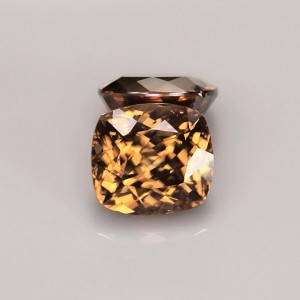
Orange and yellow zircon from African sources are often naturally colored without heat treatment, displaying warm golden to deep orange tones with exceptional brilliance. Green zircon is the rarest variety, produced by natural radiation effects on the crystal structure, and is highly sought by collectors. Brown and champagne zircon occurs widely across Southeast Asian sources and is used both in natural form and as heat treatment feedstock for blue production.
Zircon as the December Birthstone
Natural zircon is one of three official December birthstones, alongside tanzanite and blue topaz. Its ancient history as a valued gemstone, its geological distinction as the oldest known mineral, its association with wisdom and prosperity in historical traditions, and the vivid blue of heat-treated material all make it a compelling birthstone choice for December. The name zircon is believed to derive from the Persian "zargun" meaning gold-colored, or from the Arabic "zarkun" meaning cinnabar, reflecting the warm-toned material that was most familiar to early traders. Historical trade names include hyacinth (red-brown), jacinth, jargoon (light-colored), and starlite (blue), all of which referred to zircon under different names before the gemstone was systematically classified.
Zircon Properties
Chemical Formula: ZrSiO₄, zirconium silicate
Crystal System: Tetragonal
Hardness: 6 to 7.5 Mohs (varies with metamict damage)
Refractive Index: 1.810 to 1.984 (high; approaches diamond)
Dispersion: 0.039 (high; produces vivid fire)
Specific Gravity: 3.93 to 4.73 (varies with uranium content and metamict state)
Birefringence: Strong; back facet doubling visible to naked eye (diagnostic)
Cleavage: Indistinct
Treatment: Blue zircon typically heat treated; orange/yellow often natural; disclosed per stone
Birthstone: December (alongside tanzanite and blue topaz)
Zircon Price Per Carat and Value
Natural zircon is significantly undervalued relative to its optical quality, primarily because of the cubic zirconia name confusion. Fine blue zircon from Cambodia: $50 to $500 per carat depending on color quality and size; fine large blue above 5 carats in vivid color: $500 to $1,000 per carat. Rare red zircon from Tanzania: $200 to $800 per carat for fine quality. Fine colorless zircon (Matura Diamond): $30 to $200 per carat. Orange and yellow natural zircon: $30 to $150 per carat. As collector awareness of natural zircon's genuine optical quality and geological significance grows, prices are strengthening from a historically undervalued base. Browse our complete natural zircon collection and our rare gemstone collection.
From Our Gemologist in Bangkok
Usually blue zircon's are faceted with heavy bottom, to maintain its color. The lesser the bottom the more the loss in color. Some, blue zircons when exposed under light for a longer period, may slowly fade to light color from vivid saturation. We and many local sellers here in Thailand have personally experienced this effect particularly in stones sourced from Cambodia, that have undergone strong treatment. This is the reason we tell our buyers to keep blue zircon away from long exposure to direct sunlight or any indoor light.
Frequently Asked Questions
Is natural zircon the same as cubic zirconia?
No. Natural zircon (ZrSiO₄) is a genuine mineral gemstone that forms over billions of years in geological environments. The oldest known zircon crystal is 4.374 billion years old. Cubic zirconia (ZrO₂) is a synthetic man-made material manufactured in laboratories since the 1970s as a cheap diamond simulant. They share the element zirconium but are completely different materials. Natural zircon is a valuable and beautiful gemstone; cubic zirconia is a mass-produced imitation.
Is blue zircon treated?
Yes, most blue zircon is heat treated from naturally brown or reddish-brown rough. The heat treatment produces a permanent, stable blue color and is widely accepted and disclosed in the trade. Some natural blue zircon specimens exist without treatment but are uncommon. All treatment information is fully disclosed at GemPiece.
What is the rarest zircon color?
Green zircon is the rarest variety, produced by natural radiation effects on the crystal structure. Red zircon from Tanzania is also exceptionally rare and commands the highest collector premiums among colored zircon varieties. Fine clean red zircon above 2 carats is genuinely scarce in the market.
Why is natural zircon undervalued?
The primary reason is the name confusion with cubic zirconia. Many buyers avoid natural zircon believing it to be synthetic, when in fact it is a natural gemstone of extraordinary age and optical quality. This confusion has suppressed natural zircon prices significantly below what its optical performance and geological significance would justify. As buyer education improves, natural zircon prices are gradually strengthening from a historically undervalued base.
What is the Matura Diamond?
The Matura Diamond is the historical trade name for colorless zircon from Sri Lanka, named after the town of Matara (Matura). It refers to high-quality colorless zircon that rivals diamond in brilliance and fire due to its high refractive index (1.93 to 1.98) and strong dispersion. It is the closest natural gemstone to diamond in optical properties available at a fraction of diamond pricing.
Is zircon a December birthstone?
Yes. Natural zircon is one of three official December birthstones alongside tanzanite and blue topaz. Its vivid blue color, ancient history, and geological significance as the oldest known mineral make it a meaningful and distinctive birthstone choice for December.
Which country produces the best blue zircon?
Cambodia is the world's benchmark for fine blue zircon, producing material in sky blue through vivid medium blue to deep teal that is recognized globally as the finest commercial quality. Sri Lanka produces golden and colorless varieties. Tanzania produces exceptionally rare red zircon. Myanmar, Vietnam, and Australia also contribute commercial material.
Clear ✖