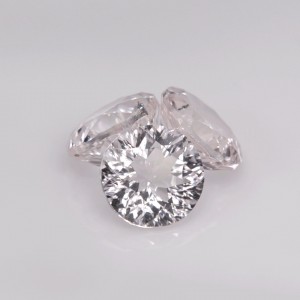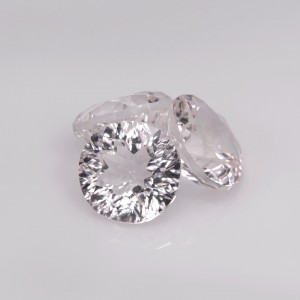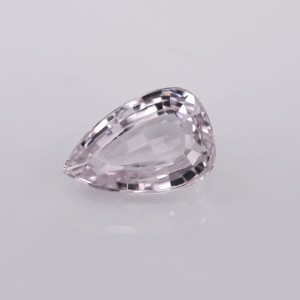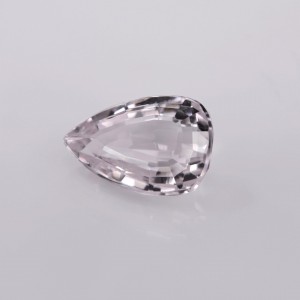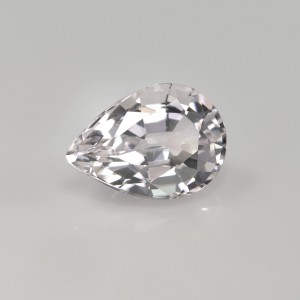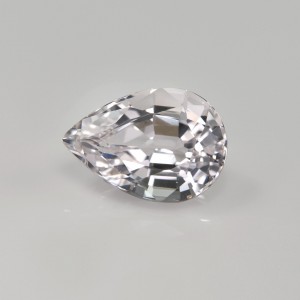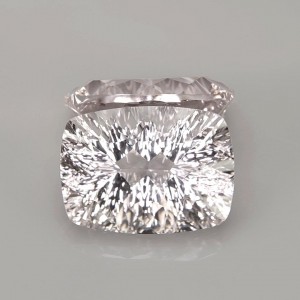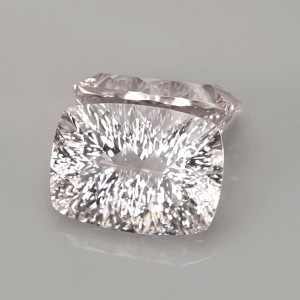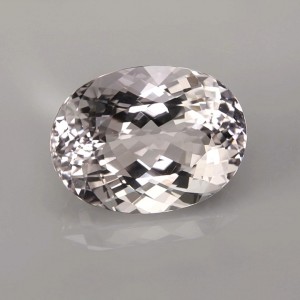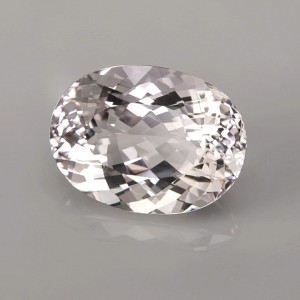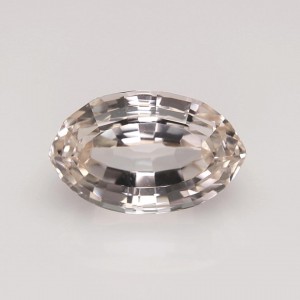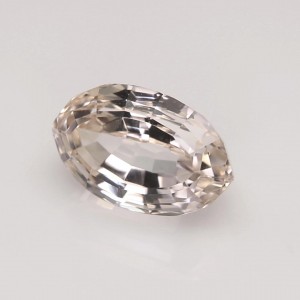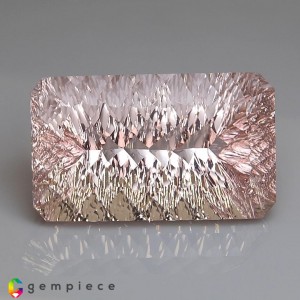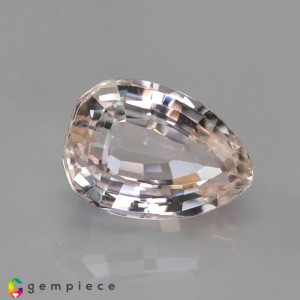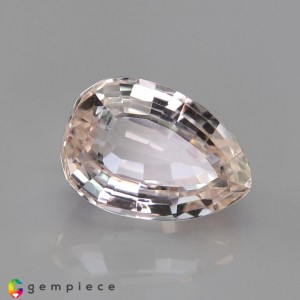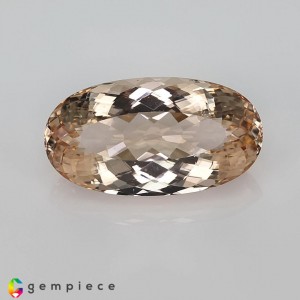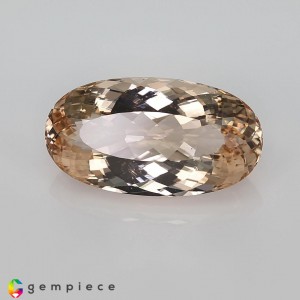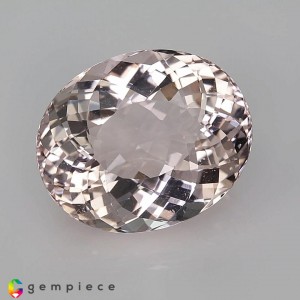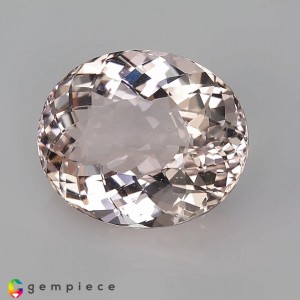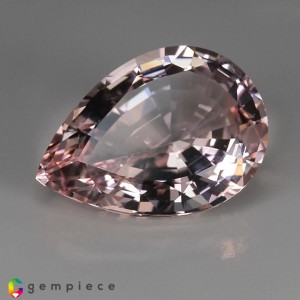
Buy Natural Morganite – Pink Beryl from Brazil and Afghanistan
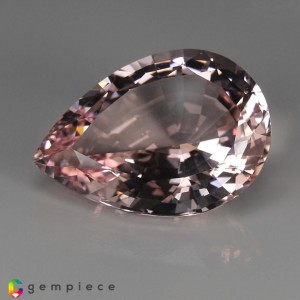
Morganite is the pink to peach-pink variety of beryl — the same mineral family as emerald and aquamarine — and has become one of the most commercially significant pink gemstones in the luxury jewelry market over the past decade. Colored by manganese within the beryl crystal structure, morganite produces a soft, romantic color range from the palest blush and pastel pink through warm peach and salmon to deeper rose and occasionally vivid pink tones that approach the intensity of fine pink sapphire. Combined with beryl's outstanding hardness of 7.5 to 8, excellent natural clarity, strong brilliance, and the accessibility of its pricing relative to ruby or sapphire, morganite represents one of the most compelling pink gemstone options in the fine jewelry market today.
Read our complete morganite gemstone guide (view collection) covering color grading, manganese chemistry, Brazil and Afghanistan sources, heat treatment, and value — or browse our natural morganite collection with full treatment disclosure on every stone.
Color Range and Quality Grading
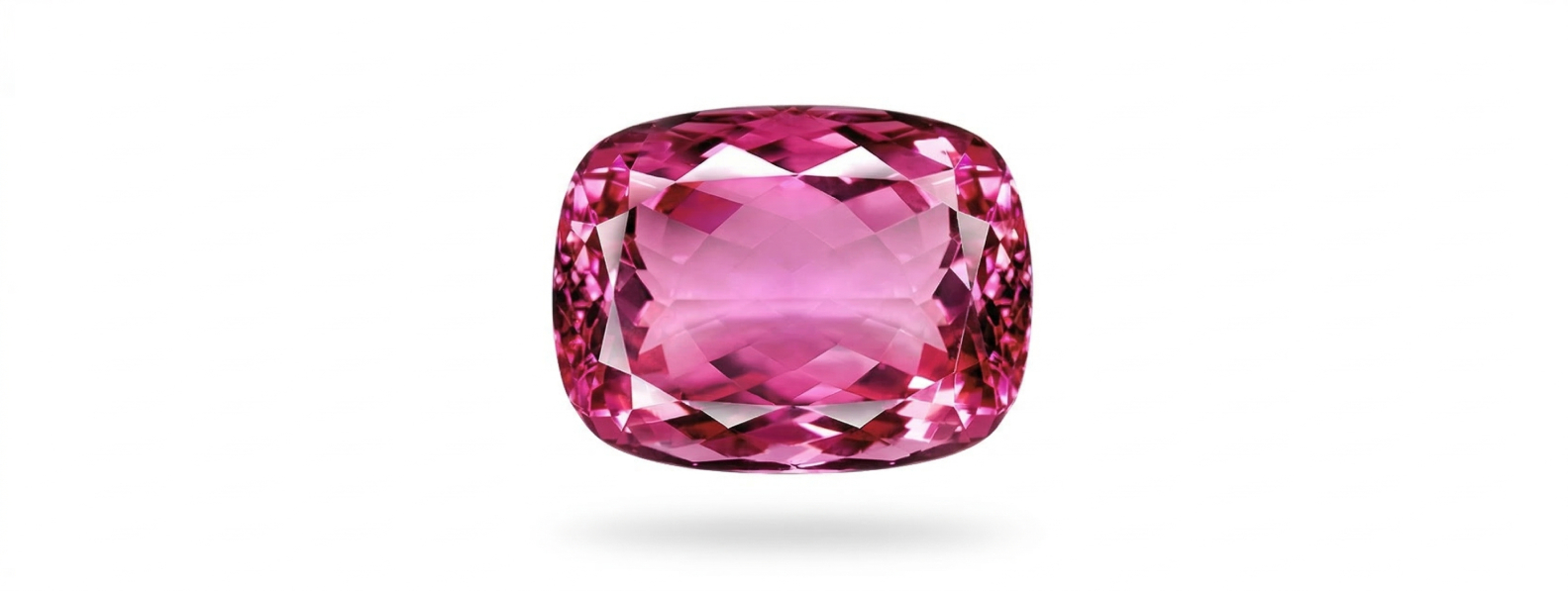
Morganite's color range is one of its most commercially important characteristics. The gemstone spans from the palest barely-there blush and pastel pink — appealing for its delicate, feminine character — through warm peach and salmon-pink tones to medium-strong rose pink and, in the finest specimens, a deep, vivid pink that commands significant collector premiums. The most commercially desirable morganite displays a pure, clean pink without strong orange or yellow modifiers — a pink that is saturated enough to read strongly in jewelry without appearing washed out, but clean enough in hue to be clearly identified as pink rather than peach or orange.
Heat treatment is widely used in the morganite market to eliminate yellow-orange color components and produce a purer, more stable pink — an accepted and standard practice that should be disclosed. Fine deep pink morganite in untreated form from Afghanistan represents the collector premium tier. Most commercial morganite from Brazil is heat treated.
Origins and Sources
Morganite was first described in 1910 from pegmatite deposits in Madagascar and named in honor of the American financier and gem enthusiast John Pierpont Morgan, who contributed significantly to the American Museum of Natural History's gem collection. Brazil — particularly the Minas Gerais state — remains the world's largest commercial source of morganite by volume, producing material across the full color range including the fine rose-pink that has driven global demand. Afghanistan is the source of some of the finest deeply colored morganite, with vivid pink material from the Nuristan Province particularly prized. Madagascar, Mozambique, Namibia, Nigeria, and the United States (California — the Himalaya Mine) are additional important sources.
Clarity and Crystal Quality
Morganite is a Type I gemstone — inclusions are not expected and eye-clean material is the commercial standard. Most morganite in the market displays excellent transparency with minimal visible inclusions. Common inclusions when present include fingerprints, fluid inclusions, and growth tubes. Eye-clean material with strong pink color and good cutting commands the highest market premiums. Large, eye-clean morganite above 10 carats in fine pink is genuinely attractive and available at price points significantly below comparable pink sapphire — a compelling value proposition for collectors and jewelry designers.
Hardness and Durability
Morganite shares beryl's hardness of 7.5 to 8 — excellent durability for all jewelry applications. Unlike emerald, which tends to be heavily included and brittle, morganite's typical eye-clean clarity means it is a practically robust jewelry stone suitable for rings, pendants, earrings, and bracelets with standard care. The combination of excellent hardness, good clarity, attractive pink color, and accessible pricing has made morganite one of the most popular choices for rose gold engagement rings in the current market.
Treatment Status
Heat treatment of morganite to improve and stabilize the pink color is standard practice in the commercial market. The treatment eliminates yellow-orange components to produce a purer pink and is stable under normal conditions. Untreated morganite with fine natural deep pink color from Afghanistan commands collector premiums. GemPiece provides full treatment disclosure on every morganite stone — heat-treated and natural untreated material are clearly distinguished.
Value and Buying Considerations
Color intensity and purity are the primary value drivers. Deep, vivid pink morganite with a clean, pure hue commands the highest premiums within the species. Untreated material with natural color documentation adds significant collector value. Size is commercially accessible — large morganite above 10 carats in fine pink is available at meaningful prices but far below comparable pink sapphire. Fine deep pink untreated morganite from Afghanistan above 5 carats with laboratory certification represents a collector-grade acquisition.
Explore Related Beryl Varieties
Beryl family guide (view collection), emerald (view collection), aquamarine (view collection), pezzottaite (view collection), and goshenite.
Frequently Asked Questions
What is morganite?
Morganite is the pink to peach-pink variety of beryl, the same mineral family as emerald and aquamarine. Colored by manganese within the crystal structure, it produces a romantic range from pale blush to vivid pink. Named in 1910 in honor of gem enthusiast J.P. Morgan, it is one of the most popular pink gemstones in fine jewelry today.
Is morganite a good engagement ring stone?
Yes. Morganite's hardness of 7.5 to 8, excellent typical clarity, attractive pink color, and accessible pricing make it a popular and practical choice for engagement rings. Protective settings are recommended for daily-wear ring use, as with all beryl varieties.
Is morganite treated?
Most commercial morganite is heat treated to produce a purer, more stable pink by eliminating yellow-orange color components. This is a universally accepted and disclosed treatment. Untreated deep pink morganite from Afghanistan commands collector premiums. GemPiece discloses treatment on every stone.
What is the most valuable morganite color?
Deep, vivid pink with a pure hue — free of strong orange or yellow modifiers — commands the highest premiums. Untreated natural deep pink from Afghanistan is the collector benchmark. Pale blush and peach are more accessible and widely available.
Where does morganite come from?
Brazil (Minas Gerais) is the largest commercial source. Afghanistan (Nuristan) produces some of the finest deeply colored material. Madagascar, Mozambique, Namibia, Nigeria, and California (USA) are additional sources.
What is the difference between morganite and pink sapphire?
Both are natural pink gemstones but from different mineral species. Morganite is pink beryl (hardness 7.5–8, colored by manganese). Pink sapphire is corundum (hardness 9, colored by chromium and iron). Pink sapphire generally commands higher per-carat prices, especially in fine quality. Morganite offers comparable visual appeal at significantly more accessible pricing.
Clear ✖