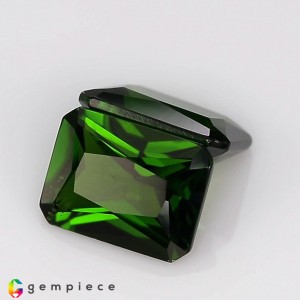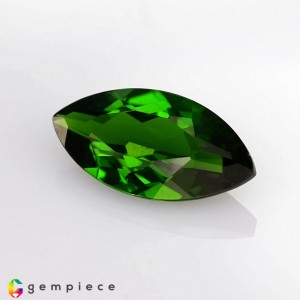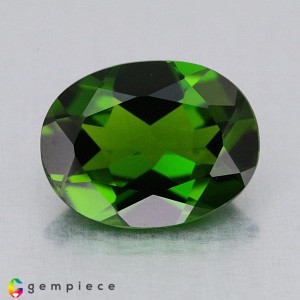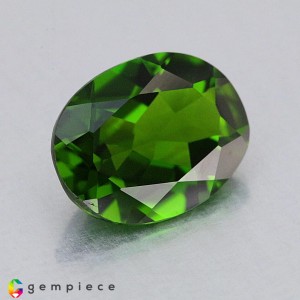
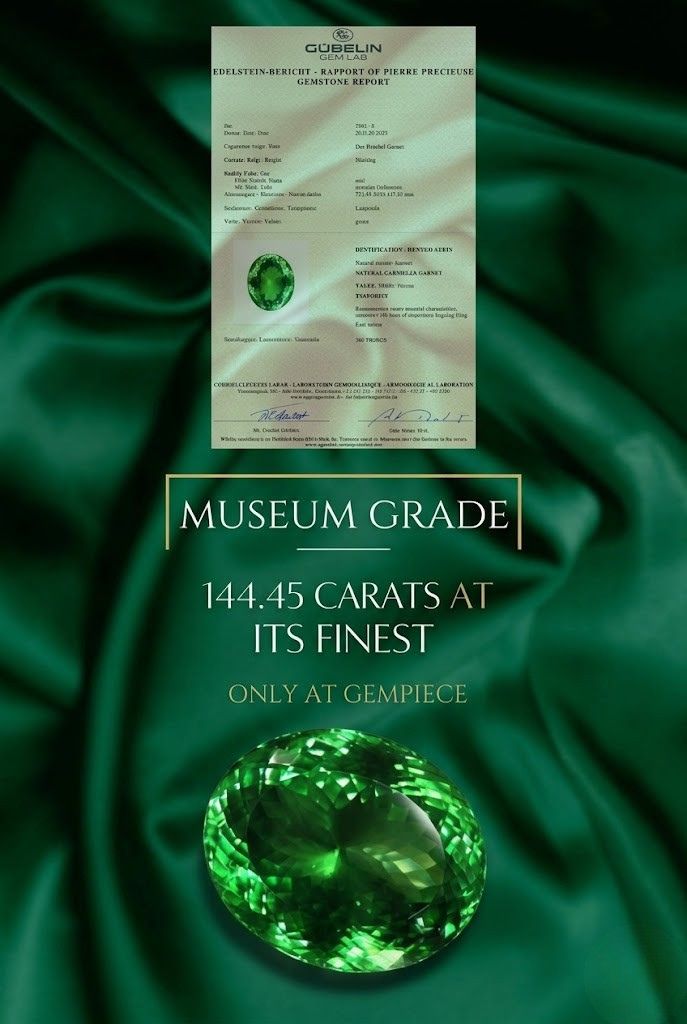

Buy Natural Chrome Diopside Gemstones – Siberian Green
Chrome diopside is one of the most vivid and commercially accessible green gemstones in the natural world — a chromium-colored pyroxene mineral from the frozen wilderness of Siberian Russia whose rich, saturated green rivals emerald in color intensity while remaining available at a fraction of the price. First discovered in commercial quantities in 1988 in the Republic of Sakha in eastern Siberia, chrome diopside quickly attracted global attention for its extraordinary natural green color, complete absence of treatment, and the dramatic mining story that comes with extracting gemstones from one of the world's most extreme environments.
Read our complete chrome diopside gemstone guide (view collection) covering Siberian origins, chromium coloring, sizing limitations, and value — or browse our natural chrome diopside collection with full treatment disclosure.
Color — The Siberian Green
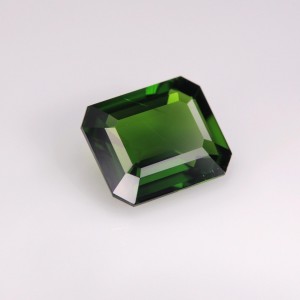
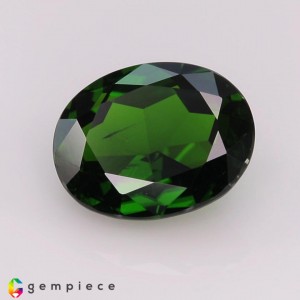
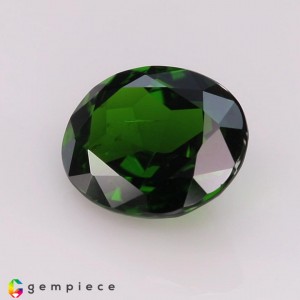
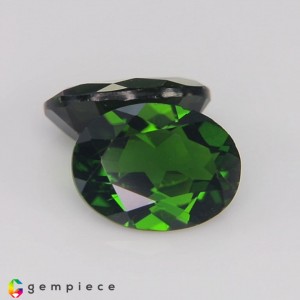
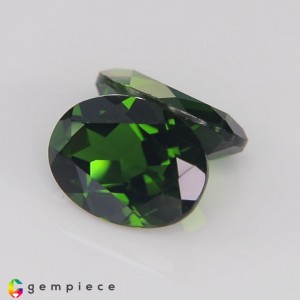
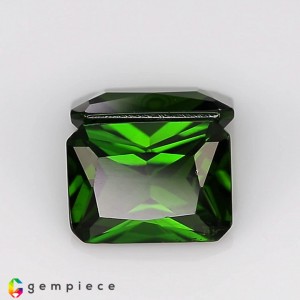
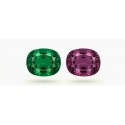
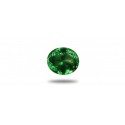
Chrome diopside's color is driven entirely by chromium — the same trace element responsible for the green of emerald and tsavorite garnet. The result is a rich, deeply saturated forest green to vivid emerald green that represents one of the most naturally beautiful greens available in any affordable gemstone. Lighter-toned chrome diopside shows the color most vividly with good transparency; darker stones — typically above 2 carats — can appear excessively dark or nearly black when viewed face-up, which is the primary limitation of the species. This "over-darkening" in larger sizes is an inherent characteristic of the chromium coloring mechanism and is managed through careful shallow cutting by experienced lapidaries.
The Siberian Exclusivity
The only known commercial deposit of gem-quality chrome diopside in the world is the Inagli mine in the Republic of Sakha (Yakutia) in eastern Siberia, Russia. Yakutsk — the capital of this region — is the coldest major city on Earth, with winter temperatures routinely reaching minus 40 to minus 60 degrees Celsius. Mining is physically possible only during the brief Siberian summer, creating a seasonally constrained supply that cannot be expanded regardless of market demand. This combination of single-source origin and seasonal mining restriction places chrome diopside in a supply category similar to tanzanite and diaspore — gemstones whose long-term availability cannot be assumed.
Size Limitations
Chrome diopside's most significant commercial limitation is its behavior at larger sizes. Stones above approximately 2 carats tend to become too dark to show their green attractively in standard face-up viewing — the depth of chromium saturation overwhelms the transmitted light in stones with significant crown depth. Eye-clean, bright, attractive chrome diopside is most commercially available in the 0.50 to 2.00 carat range. Stones above 2 carats can be cut with shallower crown angles to preserve brightness, but this requires skilled cutting and produces fewer perfectly calibrated shapes. Any chrome diopside above 3 carats with strong color and good transparency is notable and commands collector premiums.
Treatment Status — Naturally Untreated
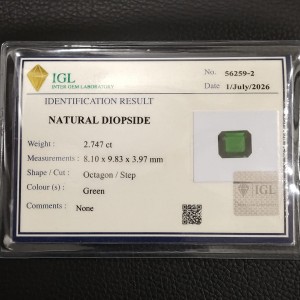
Chrome diopside is naturally untreated. The vivid green color requires no heat treatment, irradiation, fracture filling, or any other enhancement. This complete absence of treatment is one of chrome diopside's most important attributes for collectors and buyers who prioritize natural gemstones. In a market where the majority of colored gemstones are routinely treated, chrome diopside stands out as an exceptional value proposition for those who want vivid green color without compromise.
Clarity
Chrome diopside typically contains inclusions — black needle-like magnetite inclusions, metallic-like inclusions, liquid inclusions, gas inclusions, two-phase inclusions, and healed fractures are all common. Eye-clean chrome diopside exists and commands premiums, but lightly included material with good color is the norm for the species and is commercially acceptable. The vivid color is the primary attribute — buyers should prioritize color intensity over perfect clarity.
Origins and Sources
The Republic of Sakha in eastern Siberia remains the only commercial source of gem-quality chrome diopside. The mineral also occurs in Pakistan, Italy, Austria, Finland, Tanzania, Madagascar, and Myanmar, but none of these localities produce the commercial volumes of vivid chrome green material associated with Siberia. Minor quantities of green diopside have emerged from Pakistan, but the Siberian Inagli deposit remains the defining source for the species.
Hardness and Durability
Chrome diopside measures 5.5 to 6.5 on the Mohs hardness scale — moderate hardness that makes it suitable for earrings, pendants, and protected ring settings. It is not recommended for daily-wear rings in open prong settings due to scratch susceptibility. Protective bezel settings or occasional-wear ring designs are more appropriate for preserving the stone's surface quality over time.
Value and Buying Considerations
Chrome diopside represents extraordinary value for its color quality. The combination of a natural, vivid emerald-like green, completely untreated status, and a single Siberian source at an accessible price point makes it one of the most compelling green gemstones for jewelry designers and collectors on any budget. When purchasing chrome diopside, prioritize stones in the 0.50 to 2.00 carat range where the color is brightest, and verify untreated natural status through reputable suppliers.
Explore Related Green Gemstones
Buyers drawn to vivid green gemstones may also appreciate chrome sphene (view collection), kornerupine (view collection), and andalusite (view collection).
Frequently Asked Questions
What is chrome diopside?
Chrome diopside is a chromium-colored variety of the pyroxene mineral diopside, producing a vivid emerald-like green color. It is sourced almost exclusively from the Inagli mine in Siberia, Russia, is naturally untreated, and is considered one of the best-value vivid green gemstones available.
Is chrome diopside treated?
No. Chrome diopside is completely untreated. The vivid green color is entirely natural, produced by trace chromium in the crystal structure. No heat treatment, irradiation, or any other enhancement is applied.
Where does chrome diopside come from?
The only known commercial source of gem-quality chrome diopside is the Inagli mine in the Republic of Sakha (Yakutia) in eastern Siberia, Russia. Mining is possible only during the brief summer due to extreme winter conditions.
Why does large chrome diopside appear dark?
Above approximately 2 carats, the high chromium concentration in chrome diopside absorbs enough light that the stone appears very dark or nearly black in face-up view. Skilled lapidaries cut larger stones with shallower crowns to preserve brightness, but this limitation is inherent to the chromium coloring mechanism.
Is chrome diopside durable for jewelry?
Chrome diopside has a Mohs hardness of 5.5 to 6.5. It is suitable for earrings, pendants, and protected ring settings. Daily-wear open prong ring settings are not recommended due to moderate scratch susceptibility.
Is chrome diopside the same as Siberian emerald?
Chrome diopside is sometimes called "Siberian emerald" due to its emerald-like green color and Siberian origin, but it is a completely different mineral. Emerald is a variety of beryl; chrome diopside is a pyroxene. Chrome diopside is significantly more affordable than emerald of comparable color saturation.
What is the best size for chrome diopside?
Chrome diopside shows its color best in the 0.50 to 2.00 carat range, where the chromium saturation creates a vivid, bright green without over-darkening. Stones above 2 carats require shallower cutting to retain color attractiveness.
Clear ✖