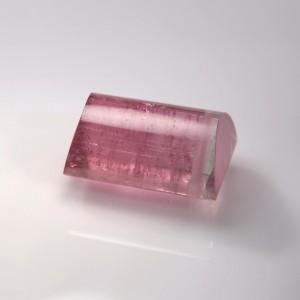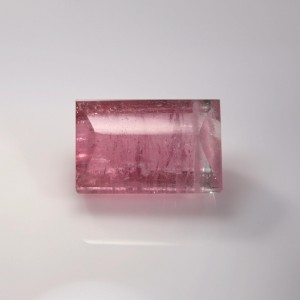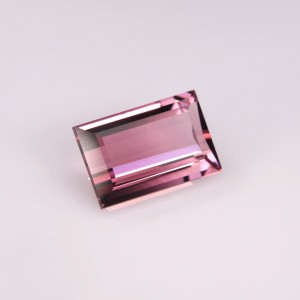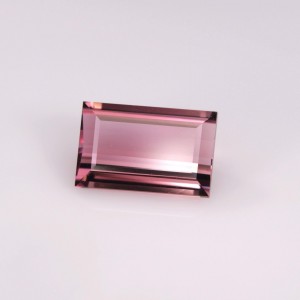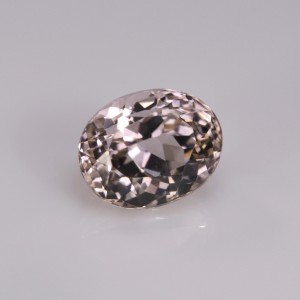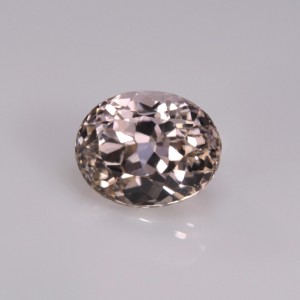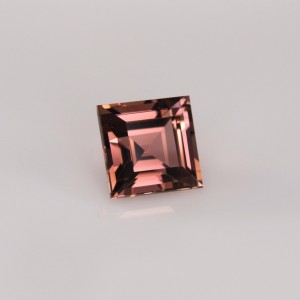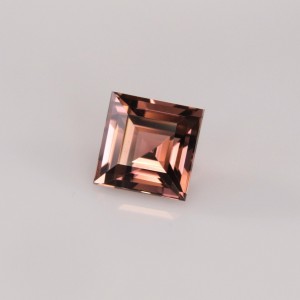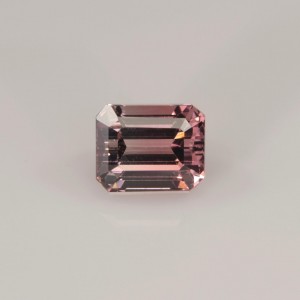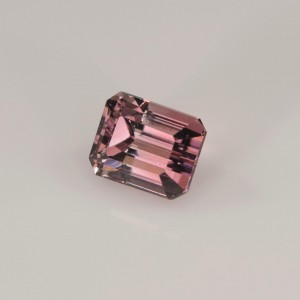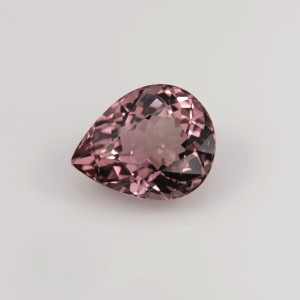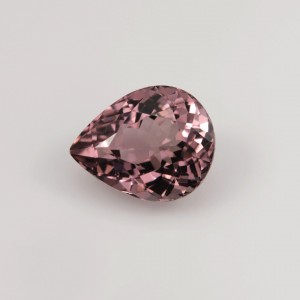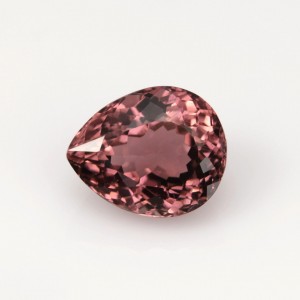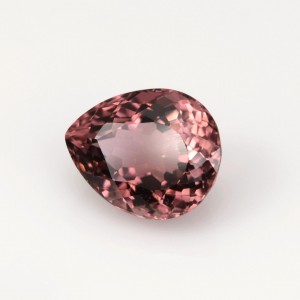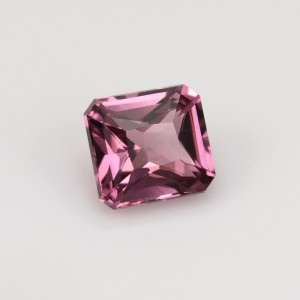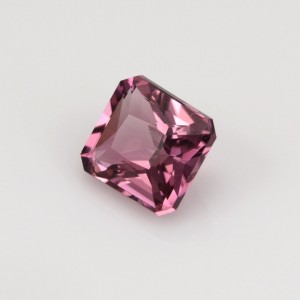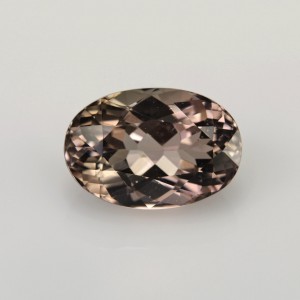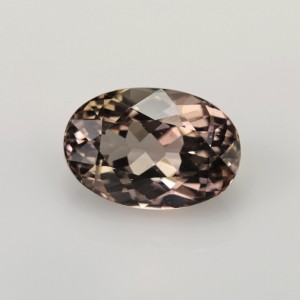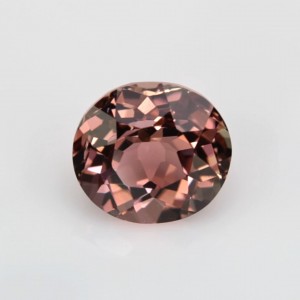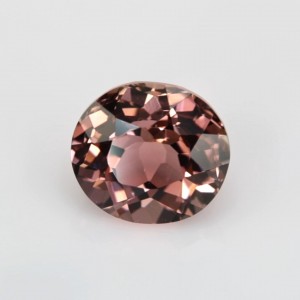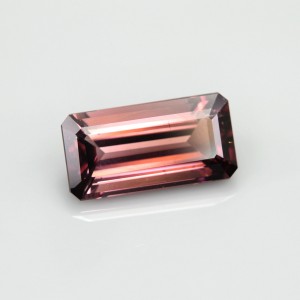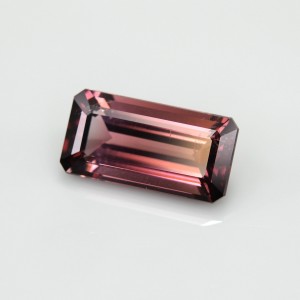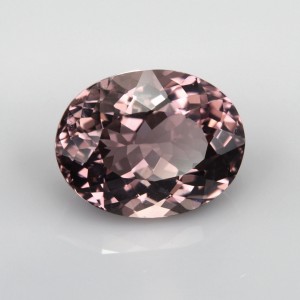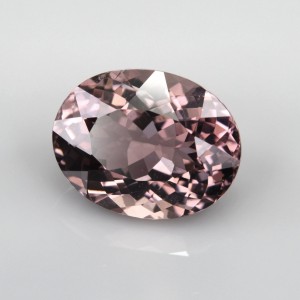
Buy Natural Pink Tourmaline – Certified Pink Tourmaline Gemstones
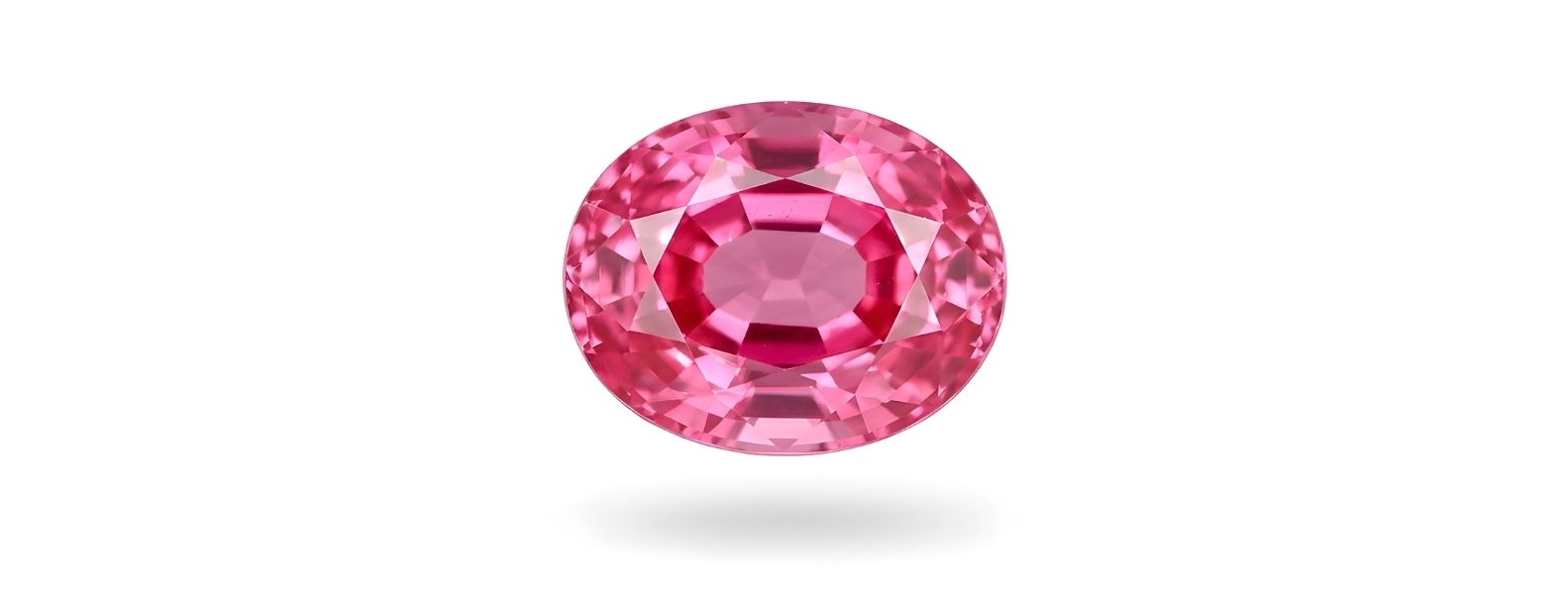
Pink tourmaline is one of the most commercially important and widely worn of all colored gemstones, offering a color range from the most delicate soft blush through vivid rose, saturated magenta, and deep purplish-pink that no other gem family can match in variety and quality simultaneously. It is versatile enough to satisfy both buyers seeking subtle everyday elegance and collectors seeking intense, saturated gemstones that make a statement. The finest pink tourmalines from Nigeria and Mozambique achieve a vividness and saturation that rivals pink sapphire and pink spinel at a fraction of the price, making pink tourmaline one of the best value propositions in fine colored gemstones today.
At GemPiece, we source pink tourmaline rough directly from key African mining regions including Nigeria, Mozambique, and Congo, as well as Brazil. Each stone is individually evaluated, heated when appropriate, and cut in-house in our Bangkok workshop to ensure optimal color performance and proportion in the finished gem.
Pink Tourmaline vs Rubellite: Understanding the Distinction
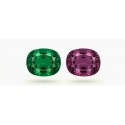
Not all pink tourmaline is rubellite, and the distinction matters significantly for pricing and buyer expectations. Pink tourmaline is the broad category covering elbaite tourmaline from pale blush through vivid saturated pink. Rubellite is a specific subset within this range, defined by a critical performance criterion: rubellite must maintain its red or deep purplish-red color under both daylight and incandescent light without shifting to pink or brownish tones under the warmer incandescent spectrum.
This lighting stability test is the practical line between pink tourmaline and rubellite. A stone that looks deep red-pink under daylight but shifts to brownish-pink under incandescent light is not rubellite by trade standards, regardless of how saturated it appears in daylight. Only approximately 3% of mined tourmalines qualify as true rubellite, reflecting the specific Mn³⁺ content required for lighting stability at red saturation levels. Rubellite is priced significantly higher than standard pink tourmaline, with fine vivid material ranging from $300 to $3,000 per carat.
For full gemological information, read our Pink Tourmaline Gemopedia Guide. Browse related varieties including Paraiba tourmaline, green tourmaline, and bi-color tourmaline, with guides at Paraiba Tourmaline Guide, Green Tourmaline Guide, and Bi-color Tourmaline Guide. See the complete Tourmaline Gemstone Guide and browse our full natural tourmaline collection.
Sources and Origin Characteristics
The finest pink tourmalines available today come primarily from Africa. Nigeria (Oyo State and surrounding pegmatite belts) produces some of the most vivid and intensely saturated pink tourmalines in the commercial market. Nigerian pink tourmalines are known for strong color with excellent saturation. In their natural state, some Nigerian stones appear deeper or more closed than their potential. Controlled heating opens the color and reveals a vivid, bright pink of exceptional appeal. Not all Nigerian material is heated; the decision is made per stone.
Mozambique produces beautiful purplish-pink tourmalines with excellent brightness and visual appeal. Mozambique material typically comes in larger sizes with better clarity than Nigerian stones, making it a preferred source for fine jewelry applications requiring clean calibrated stones above 3 carats. The purplish-pink character of Mozambique material is distinctive and highly sought after by designers working in modern jewelry aesthetics.
Congo produces pink tourmaline in available sizes, though this material can be more challenging during cutting due to its internal crystal structure. At GemPiece, our in-house cutting expertise allows us to successfully process Congo rough that less experienced lapidaries find difficult to work with profitably.
Brazil (Minas Gerais and other states) has historically been the most important source of rubellite, particularly from the Jonas Mine in Conselheiro Pena, Minas Gerais, which produced famous cranberry-red crystals of extraordinary size and quality in the 1970s and 1980s. Brazilian rubellite from Jonas Mine specimens represents some of the most historically significant pink tourmaline material. Madagascar, Afghanistan, and Russia's Transbaikal region also contribute important pink and rubellite material.
Color Range and Quality
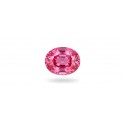
Pink tourmaline displays an extraordinarily wide range of pink tones. Pale blush and baby pink represent the lightest end, prized by buyers seeking subtle elegance and feminine softness. Rose pink and medium pink represent the central commercial range, accounting for the majority of production volume. Hot pink and vivid saturated magenta represent the premium category, where color intensity approaches or achieves rubellite territory. Deep purplish-pink and reddish-pink at the upper saturation end represent rubellite and near-rubellite material commanding collector premiums.
The most important quality criterion is color openness combined with saturation. A stone that appears vivid and saturated while also remaining bright and lively is more valuable than either a pale stone lacking presence or an overly dark stone that appears closed under normal lighting. Buyers evaluating pink tourmaline should always assess the stone under natural daylight and under incandescent light. If color performance drops significantly under incandescent light, the stone is not rubellite regardless of its daylight appearance.
Heating and GemPiece Processing
Controlled heating is a standard and widely accepted practice for pink tourmaline. The heating mechanism involves oxidation of Mn²⁺ toward Mn³⁺ in manganese-bearing pink tourmaline, which deepens and intensifies the red component of the pink color. Brownish-pink tourmalines that appear undesirably dark or muted in their natural state can respond dramatically to heating, revealing a vivid, open, commercially attractive pink.
At GemPiece, each piece of pink tourmaline rough is evaluated individually before any processing decision is made. Stones with naturally optimal color are cut without heating. Stones that show undesirable undertones or color that would benefit from heating undergo the process before or after preforming, depending on the internal structure. This stone-by-stone approach, based on experience rather than blanket policy, consistently produces better results than systematic treatment of all material. All treatment decisions are fully disclosed.
Pink Tourmaline Properties
Species: Elbaite
Primary Chromophore: Manganese (Mn²⁺ and Mn³⁺)
Hardness: 7 to 7.5 Mohs
Refractive Index: 1.624 to 1.644
Specific Gravity: 3.02 to 3.20
Cleavage: None
Pleochroism: Distinct; darker and more saturated along c-axis
Clarity: Type II to III; lighter pinks usually cleaner than deep rubellite
Treatment: Some heated; some natural; disclosed per stone
Certification: GIA, GRS, AIGS, GIT available upon request
Value and Market Pricing
Pale to light commercial pink tourmaline: $5 to $50 per carat. Standard vivid pink with good color and clarity: $30 to $300 per carat. Fine vivid hot pink or magenta in good clarity above 3 carats: $100 to $500 per carat. True rubellite maintaining red-pink under incandescent light: $300 to $3,000 per carat for vivid eye-clean material. Rubellite prices have increased by more than 15% year-on-year in 2025, driven by recognition that only 3% of tourmalines qualify as true rubellite. Browse our complete pink tourmaline collection or the full natural tourmaline range.
Frequently Asked Questions
What is the difference between pink tourmaline and rubellite?
Pink tourmaline covers the full range from pale blush through vivid saturated pink. Rubellite is a specific premium subset defined by maintaining rich red or purplish-red color under both daylight and incandescent light. A stone that shifts to brownish-pink under incandescent light is pink tourmaline, not rubellite. Only approximately 3% of tourmalines qualify as true rubellite.
What causes pink color in tourmaline?
Pink and red colors in tourmaline are caused by manganese (Mn²⁺ and Mn³⁺) in the elbaite crystal structure. Higher Mn³⁺ content produces deeper, more red-toned saturation that is more stable under different lighting conditions. Lower manganese concentrations produce lighter, more pink tones. The ratio of Mn²⁺ to Mn³⁺ determines both the specific hue and the lighting stability that distinguishes rubellite from standard pink tourmaline.
Which country produces the best pink tourmaline?
Nigeria and Mozambique are the most important current sources for vivid pink tourmaline. Nigeria is known for strong color saturation. Mozambique produces larger sizes with better clarity and attractive purplish-pink tones. Brazil, particularly the Jonas Mine in Minas Gerais, is historically the most important source of fine rubellite. Madagascar, Afghanistan, and Russia also produce important material.
Are pink tourmalines treated?
Some are heated to improve color; many are completely natural. Heating is stable, permanent, and widely accepted. At GemPiece, the decision is made per stone and fully disclosed. Certification from GIA, GRS, AIGS, and GIT is available upon request and will indicate treatment status.
Is pink tourmaline suitable for engagement rings?
Yes. At 7 to 7.5 Mohs with no cleavage, pink tourmaline is durable for engagement ring use. Protective settings such as bezels or halos are recommended for daily wear to prevent surface scratching. The absence of cleavage makes it more resistant to impact than many other engagement ring alternatives at similar price points.
Can pink tourmaline be certified?
Yes. Certification is available from Bangkok laboratories including AIGS and GIT, and from international laboratories including GIA and GRS, upon request at GemPiece. Certification confirms natural origin, species, and treatment status.
Clear ✖