

Clear ✖
Explore Our Natural Danburite Collection
Total Products : 12
Rare
SKU: GEM25023642
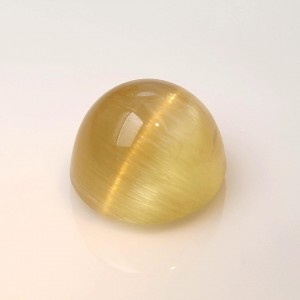
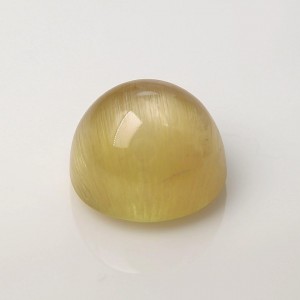
This Danburite Cats Eye displays a Yellow color with good clarity and strong reflection. A good option for budget-conscious buyers seeking both value and appearance. Known across international markets for its steady demand and acceptance. This Danburite Cats Eye gemstone weighing 10.59 carats is cut..
$439.00


Rare
SKU: GEM25023571
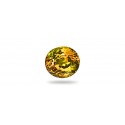
This Danburite gemstone shows a Golden Yellow color well suited for fine jewelry. Its natural formation enhances its overall appearance. Known across international markets for its steady demand and acceptance. This natural Danburite weighing 15.98 carats is cut in Oval, showing a Golden Yellow tone ..
$494.00

Rare
SKU: GEM24023372
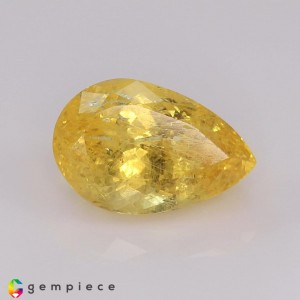
This Danburite gemstone is carefully selected, featuring a distinctive Canary Yellow hue with strong collector appeal. A well-balanced gemstone suited for collectors seeking value. Valued across multiple regions for its balanced color and clarity. At 12.59 carats, this Danburite cut in Pear shows a ..
$604.00
Rare
SKU: GEM22102741
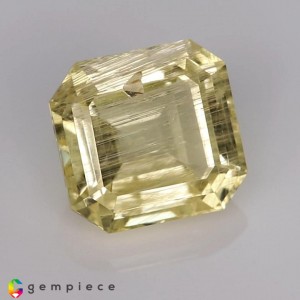
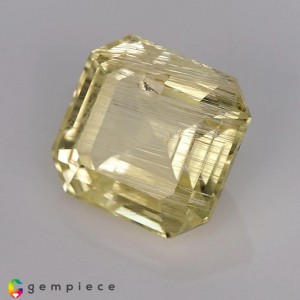
With a Baby Yellow hue, this Danburite reflects strong color depth and natural vibrancy. A strong choice for buyers seeking value and everyday comfort. Appreciated globally for its natural characteristics and visual appeal. This 2.44 carat Danburite cut in Octagon displays a Baby Yellow tone with or..
$109.00
Rare
SKU: GEM22092604
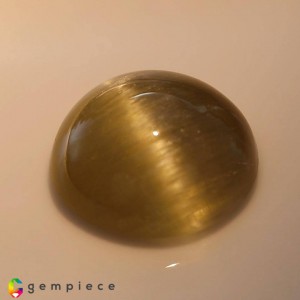
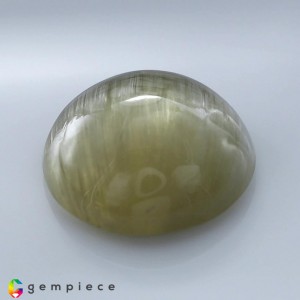
This Danburite Cats Eye reveals a Pastel Yellow hue with a soft and pleasing visual effect. Natural clarity and color contribute to its overall attractiveness. Used globally in jewelry, reflecting its broad demand. Cut in Round Cabochon, this Danburite Cats Eye weighing 16.45 carats displays a Paste..
$549.00
Rare
SKU: GEM22072338
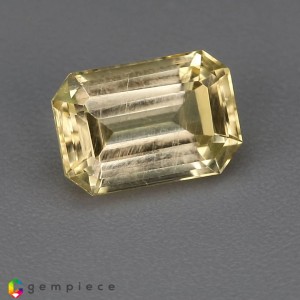
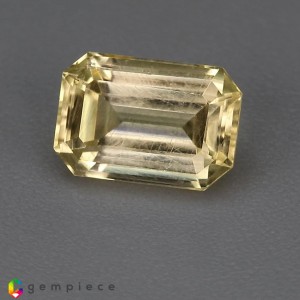
With a Baby Yellow hue, this Danburite shows an even color spread with a natural appearance. Its consistent color supports everyday wear. Widely accepted in global jewelry trade, this gemstone remains consistently relevant. This Emerald Cut Danburite weighing 1.98 carats displays a Baby Yellow tone ..
$109.00
Rare
SOLD - Out Of Stock
SKU: GEM22072313
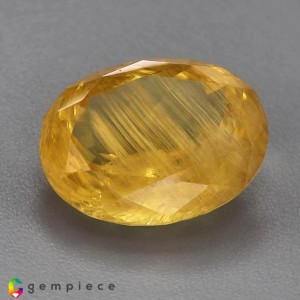
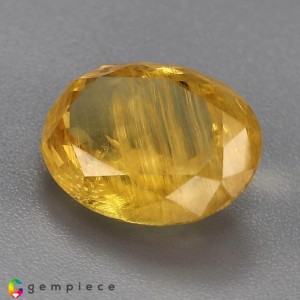
With a Lemon yellow hue, this Danburite reflects strong color depth and natural vibrancy. Its natural beauty makes it a good choice for regular use. Appreciated worldwide by collectors and jewelry designers. With a Oval cut, this Danburite weighs 11.90 carats and presents a Lemon yellow tone with cl..
$384.00
Rare
SOLD - Out Of Stock
SKU: GEM22062211
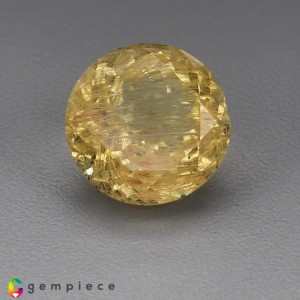
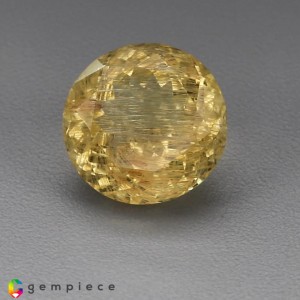
With a Yellow hue, this Danburite reflects strong color depth and natural vibrancy. Balanced color and clarity support its everyday suitability. Appreciated by international buyers for its natural beauty and appeal. This Danburite gemstone weighs 3.38 carats and features a Round cut, displaying a Ye..
$175.00
Rare
SKU: GEM22021853
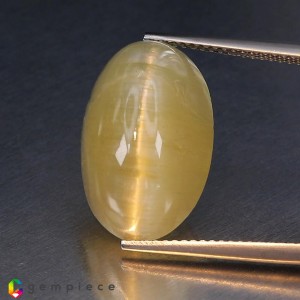
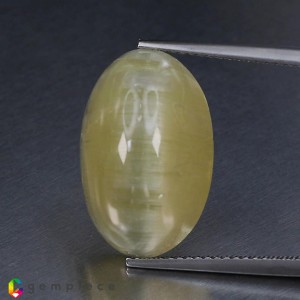
This Cats Eye offers a Light Pastel Yellow tone with natural brilliance, suited for regular wear. Its balanced color and clarity support regular wear. Valued across multiple regions for its balanced color and clarity. This Oval Cabochon Cats Eye weighing 14.92 carats displays a Light Pastel Yellow t..
$439.00


Rare
SOLD - Out Of Stock
SKU: GEM21081342
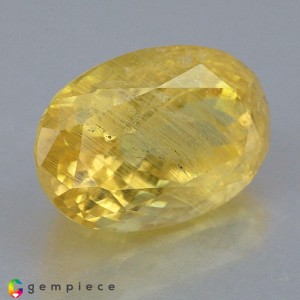
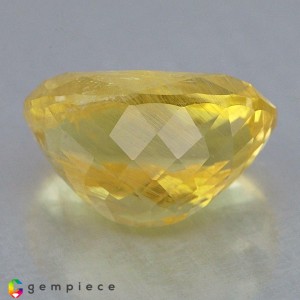
This Danburite is appreciated for its Canary Yellow color, highlighting its natural origin. Refined appearance and natural formation contribute to its collector relevance. Valued across different countries, it holds strong presence in gemstone trade. A well-cut Oval Danburite weighing 15.98 carats s..
$758.00
Rare
SKU: GEM20110469
This natural Danburite shows a Yellow hue, suited for versatile jewelry designs. Its natural formation ensures consistent quality across the stone. Recognized globally for its quality and presence in established gemstone markets. This 3.33 carat Danburite cut in Oval displays a Yellow tone with orig..
$186.00


Rare
SKU: GEM20100132
This Danburite presents a Yellow color with strong depth and clear definition. Balanced color and clarity support its everyday suitability. A gemstone with strong international appeal, suitable for various jewelry uses. This Antique Cushion Danburite weighing 10.15 carats displays a Yellow tone with..
$549.00
Showing 1 to 12 of 12 (1 Pages)