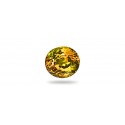
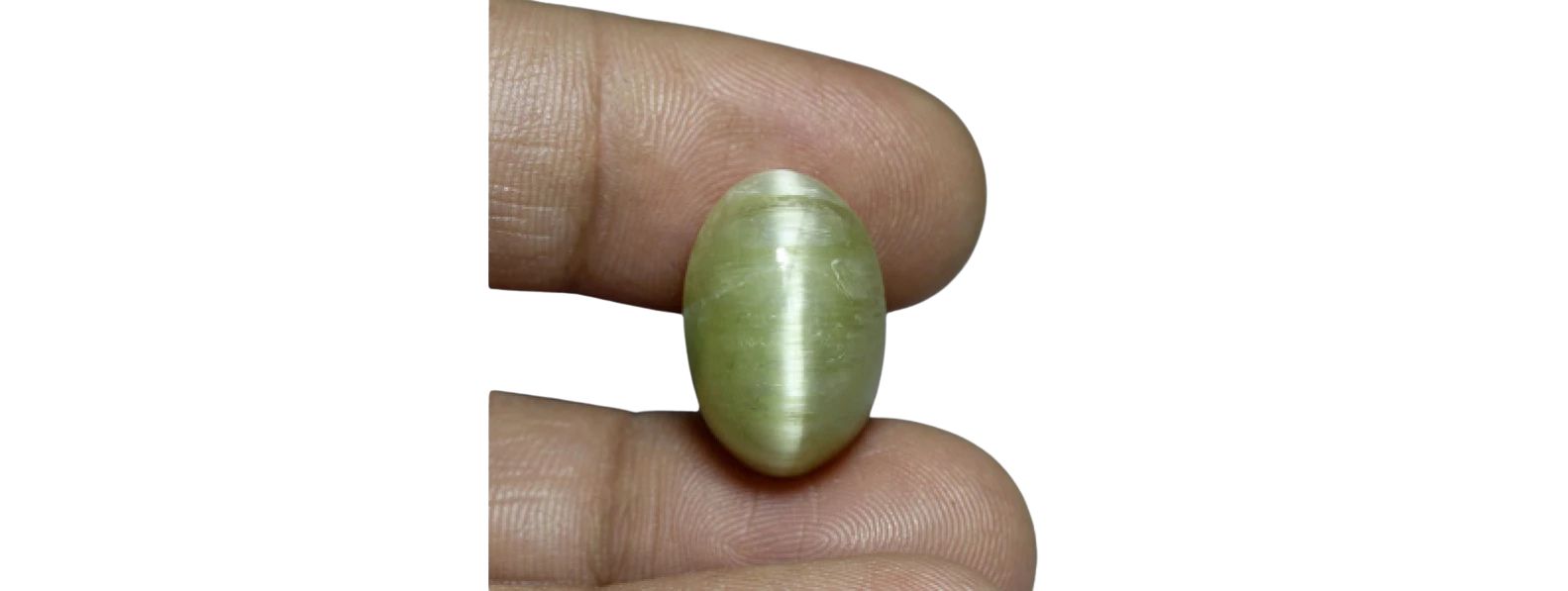
Danburite Cat's Eye – Rare Chatoyant Optical Phenomenon
Danburite cat's eye represents the intersection of two rarities — an uncommon gemstone species displaying an optical phenomenon that requires very specific internal conditions to occur. While danburite is recognized among specialist collectors for its diamond-like brilliance and natural pink variety, the chatoyant version of danburite is even further removed from commercial availability, appearing in the market only when a specific combination of crystal growth conditions, inclusion type, and inclusion alignment converges to produce a gemstone capable of displaying a genuine cat's eye. This guide explains the science of chatoyancy in danburite, the characteristics of quality specimens, and what makes danburite cat's eye one of the most distinctive collector acquisitions in optical-phenomenon gemology.
Explore our danburite cat's eye collection or read our full danburite guide (view collection) for complete species information.
The Science of Chatoyancy in Danburite
Chatoyancy — from the French chatoyer, meaning "to shine like a cat's eye" — is an optical effect produced when a gemstone contains sufficient numbers of parallel, aligned fibrous inclusions, hollow tubes, or needle-like crystals that collectively reflect light as a single concentrated band across the surface of a cabochon-cut stone. In danburite, the mineral's typical clarity means that the inclusion density required for chatoyancy is uncommon. When it does occur, the chatoyant inclusions in danburite are believed to be aligned growth tubes or fibrous inclusion channels parallel to specific crystallographic directions within the orthorhombic crystal.
The quality of the cat's eye effect depends on three factors: the density of the parallel inclusions, the precision of their alignment, and the quality of the cabochon cut — specifically, the height and curvature of the dome, which must be correctly proportioned relative to the inclusion depth to produce a sharp, well-centered eye.
Physical Properties
Danburite cat's eye shares all the physical properties of faceted danburite: Mohs hardness 7 to 7.5, poor cleavage, specific gravity 2.97 to 3.02, refractive index 1.630 to 1.636. These properties are consistent regardless of whether the stone is faceted or cut as a cabochon for chatoyancy. The hardness of 7 to 7.5 makes danburite cat's eye more durable than many other chatoyant gemstones including chrysoberyl cat's eye (8.5) is harder, but danburite outperforms chatoyant tourmaline (7–7.5) and chatoyant scapolite (5.5–6) in scratch resistance.
Treatment Status and Authenticity
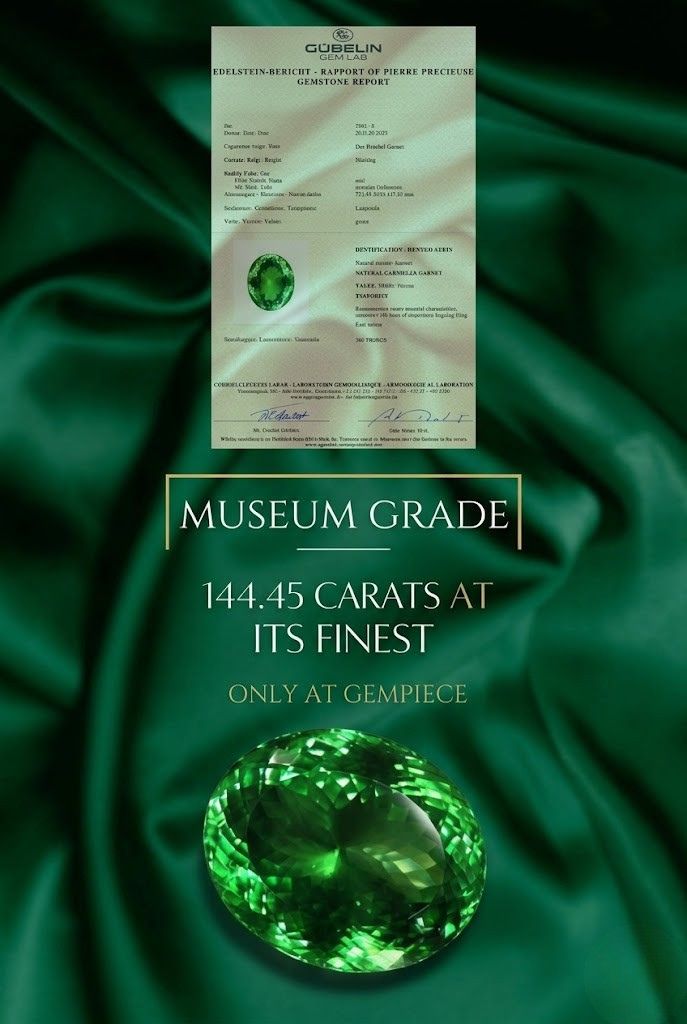
Danburite cat's eye is entirely natural. The chatoyant effect is produced by natural inclusions within unenhanced crystals. No treatment creates or mimics chatoyancy in danburite — the effect is either present in the natural crystal or it is not. Every danburite cat's eye at GemPiece is natural and untreated with full documentation.
Collector Value
The primary value determinants for danburite cat's eye are the sharpness and definition of the eye, the body color and clarity of the host stone, and the size of the finished cabochon. A sharp, well-centered cat's eye band against a clean, translucent yellow or honey-toned body represents the premium tier. The extreme rarity of supply means that well-documented danburite cat's eye specimens command prices driven by scarcity as much as by gem quality standards.
Explore Related Optical Phenomenon Gemstones
Danburite (view collection), moonstone cat's eye (view collection), and scapolite cat's eye (view collection).