
Clear ✖
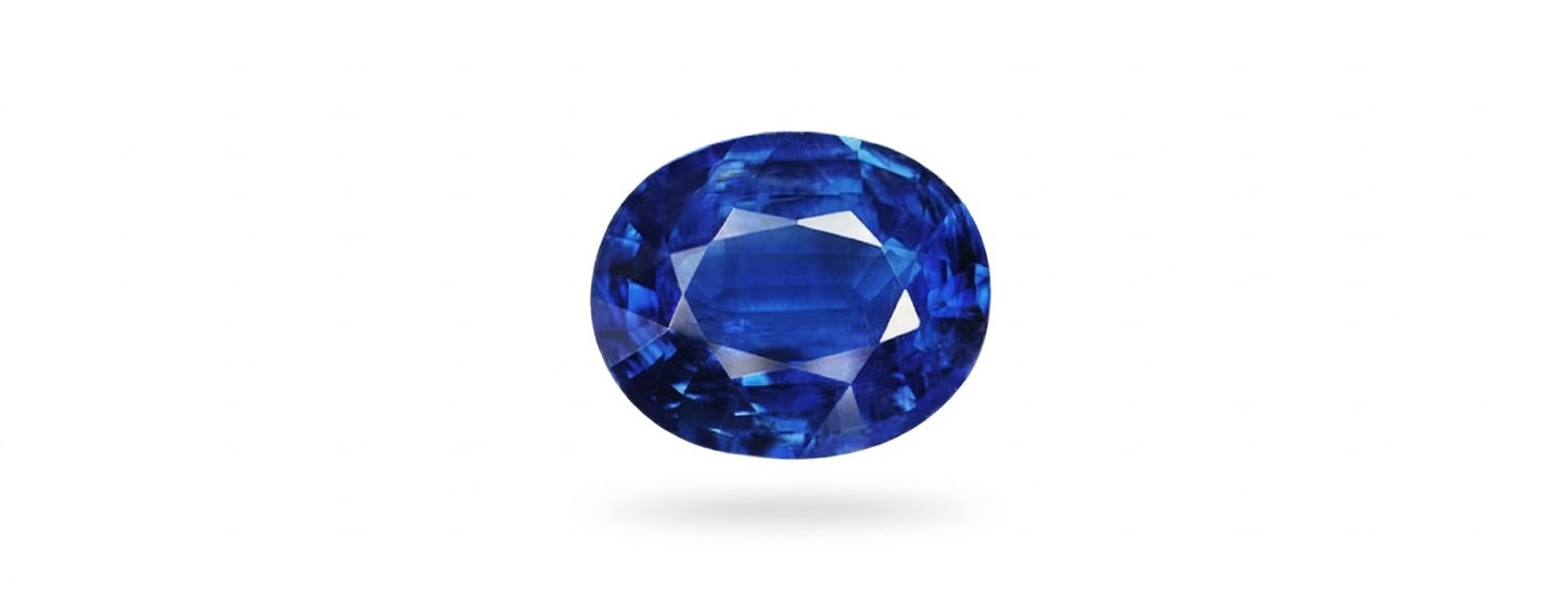
Explore Our Natural Kyanite Collection
Total Products : 12
SKU: GEM25013546
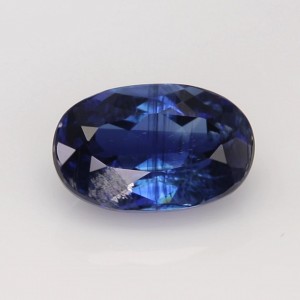
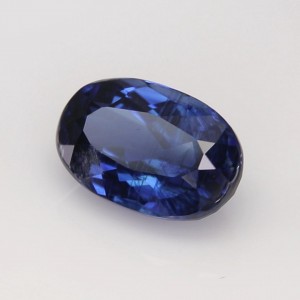
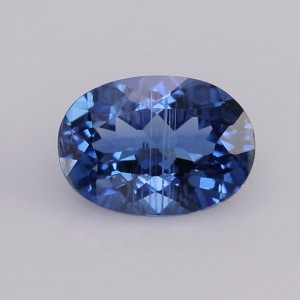
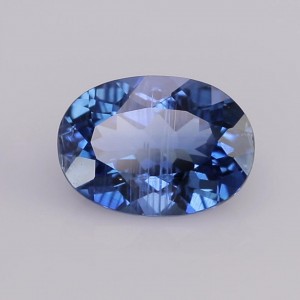
This well-cut Kyanite reveals a Cornflower Blue hue, suited for fine jewelry applications. Natural clarity and color contribute to its overall attractiveness. Valued across different countries, it holds strong presence in gemstone trade. This Oval Kyanite weighing 4.00 carats displays a Cornflower B..
$76.00
SKU: GEM24083498
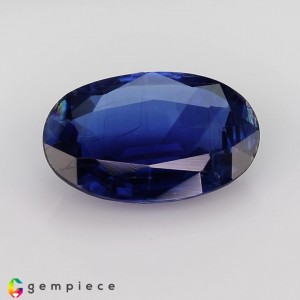
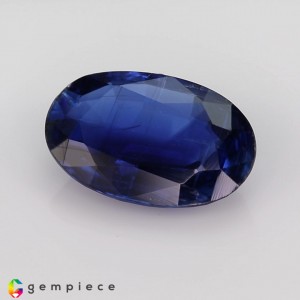
This Kyanite highlights a Cornflower Blue color with crisp internal reflections and a clean finish. Well suited for frequent use, combining durability with natural characteristics. This gemstone is widely traded across international markets, reflecting strong global demand and recognition. At 3.02 c..
$142.00
SKU: GEM22092596
This Kyanite reveals a Cornflower Blue color with a lively and eye-catching presence. Reasonable value combined with natural beauty supports regular use. Commonly used in jewelry worldwide, it holds relevance in both local and international trade. With 3.62 carats and a Oval cut, this Kyanite presen..
$65.00


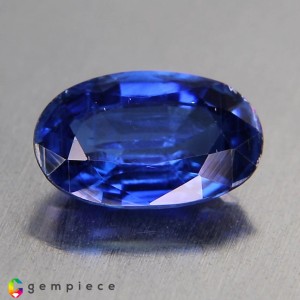
SKU: GEM22082440
This Kyanite offers a Teal Blue tone with natural brilliance, suited for regular wear. A versatile gemstone with consistent color and clarity. Traded across multiple countries, it reflects strong acceptance worldwide. With a Oval cut, this Kyanite weighs 2.67 carats and presents a Teal Blue tone wit..
$87.00

SOLD - Out Of Stock
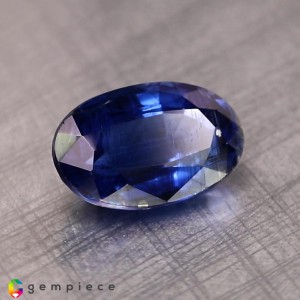
SKU: GEM22011744
With a Cornflower Blue hue, this Kyanite reflects strong color depth and natural vibrancy. Color stability maintains its natural appearance. Recognized within the gemstone industry, it maintains a steady presence among buyers. This natural Kyanite weighing 2.15 carats in Oval form presents a Cornflo..
$43.00
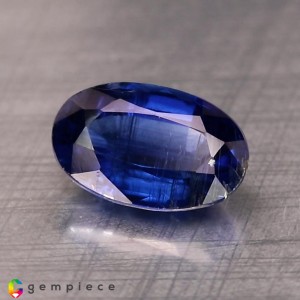
SKU: GEM21101432
With a Blue hue, this Kyanite shows a refined finish and natural depth. Durability and stable color make it reliable for frequent use. Appreciated globally for its natural characteristics and visual appeal. This 1.85 carat Kyanite in Oval displays a Blue tone with clarity VS - SI and size 9.44x5.95x..
$32.00
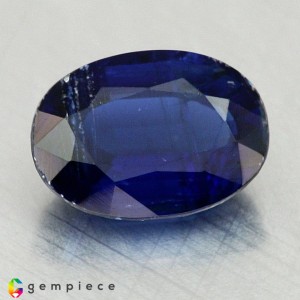

SKU: GEM21031224
Characterized by a Cornflower Blue hue, this Kyanite displays natural brilliance and depth. Its balanced color and clarity support regular wear. A gemstone with strong international presence and wide acceptance. A well-cut Oval Kyanite weighing 2.56 carats shows a Cornflower Blue tone with origin Ne..
$43.00
SKU: GEM21031152
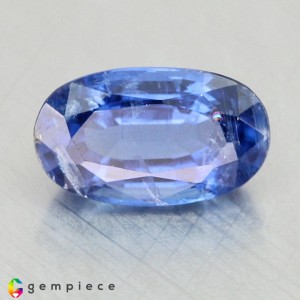
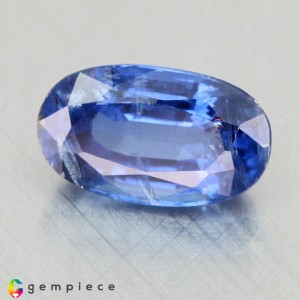
With a Cornflower Blue hue, this Kyanite reflects strong color depth and natural vibrancy. A reliable gemstone choice for regular use. Recognized globally for its quality and presence in established gemstone markets. With a Oval cut, this Kyanite weighs 2.37 carats and presents a Cornflower Blue ton..
$54.00
SKU: GEM21020987
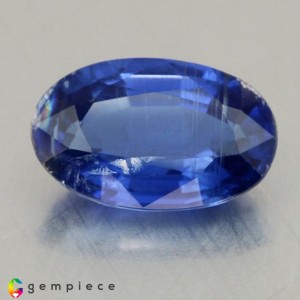
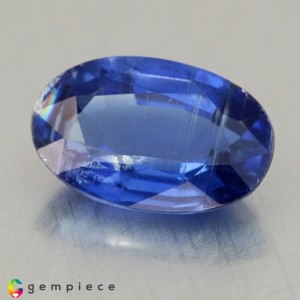
Characterized by a Cornflower Blue hue, this Kyanite displays natural brilliance and depth. Its consistent color supports everyday wear. Valued across different countries, it holds strong presence in gemstone trade. This natural Kyanite weighing 2.11 carats in Oval form presents a Cornflower Blue to..
$54.00

SKU: GEM21020922
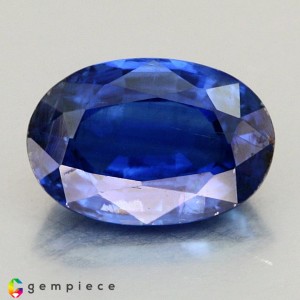
With a Cornflower Blue hue, this Kyanite reflects strong color depth and natural vibrancy. Its natural beauty makes it a good choice for regular use. Used globally in jewelry, reflecting its broad demand. This Oval Kyanite weighing 2.54 carats displays a Cornflower Blue tone with clarity VS - SI and..
$87.00
SOLD - Out Of Stock
SKU: GEM20100227
This Kyanite exhibits a Cornflower Blue hue with fine scintillation and precise faceting. Natural clarity and color contribute to its overall attractiveness. A gemstone known across worldwide markets for its steady demand. This Kyanite weighs 2.83 carats and is cut in Oval, displaying a Cornflower B..
$109.00
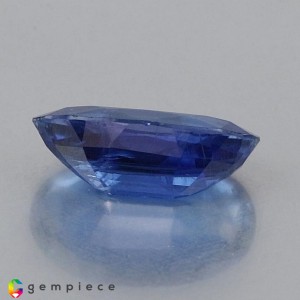
SKU: GEM20100198
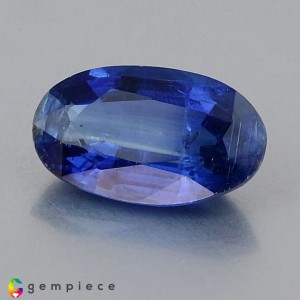
This natural Kyanite features a Cornflower Blue color with even distribution and refined depth. A good option for budget-conscious buyers seeking both value and appearance. Appreciated by international buyers for its natural beauty and appeal. This Kyanite weighing 2.99 carats in Oval displays a Cor..
$109.00
Showing 1 to 12 of 12 (1 Pages)