Buy Natural Multi Color Tourmalines Including Achroite, Honey, Cognac and Rare Colors
The tourmaline family is far larger and more diverse than the five or six varieties that dominate commercial awareness. Beyond the well-known pink, green, blue, Paraiba, and chrome categories lies a full spectrum of collector-significant varieties that are rarer, more unusual, and in some cases more scientifically interesting than the mainstream varieties. This category brings together the full range of those lesser-known but genuinely important tourmalines: achroite (colorless), honey, champagne, cognac, canary yellow, brown dravite, black schorl, purple siberite, and the complex multi-color liddicoatite from Madagascar.
Each of these varieties has its own distinct geological origin, chemical character, and collector market. The unifying thread is that all of them fall outside the standard commercial categories, which means they are often undervalued relative to their genuine rarity and scientific interest. For buyers who evaluate gemstones on objective criteria rather than marketing familiarity, these varieties represent some of the most compelling opportunities in the entire tourmaline family.
Achroite: The Rarest Tourmaline of All
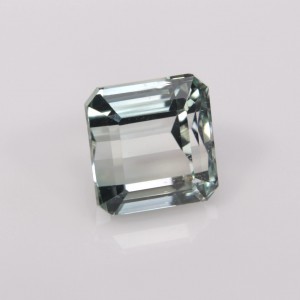
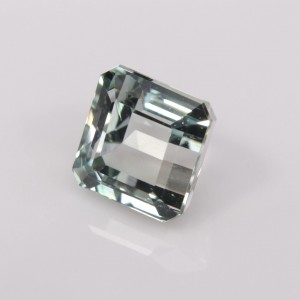
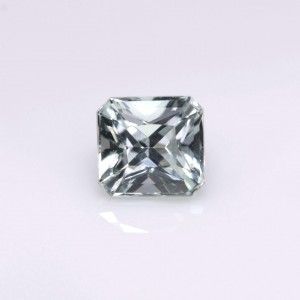
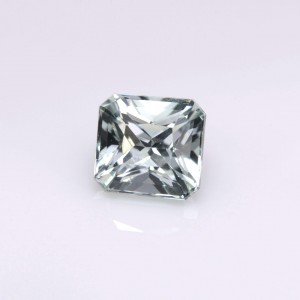
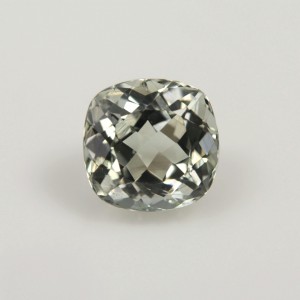
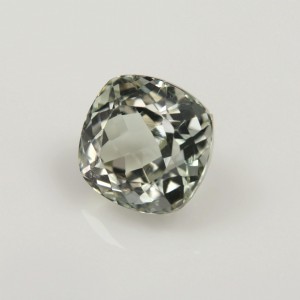
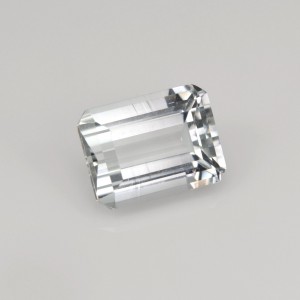
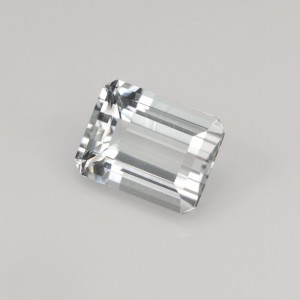
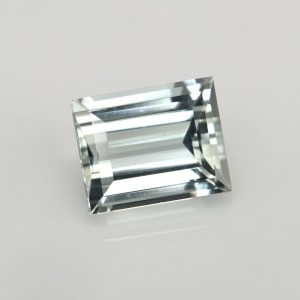
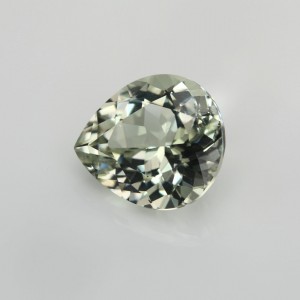
Achroite is the colorless variety of tourmaline and is one of the rarest gemstone forms within the entire mineral group. The name comes from the Greek "achroos" meaning colorless, and it describes elbaite that has formed without the trace elements responsible for color in other tourmaline varieties. For elbaite to be truly colorless, it must grow in a pegmatite environment where manganese, iron, copper, and chromium are all essentially absent from the crystallizing fluid. This combination of absence is geologically uncommon, which is why true achroite is genuinely rare.
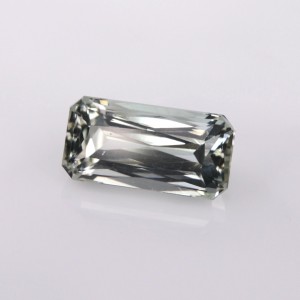
Achroite tourmalines are typically found in smaller sizes, most commonly ranging from 1 to 5 carats in faceted form. Stones with high clarity and strong brilliance are considered highly valuable and attract strong collector demand. Achroite is particularly popular among collectors from Japan and the United States, where colorless collector gems with exceptional rarity appeal to buyers who understand what they are acquiring. Fine achroite from Brazil and California commands premiums that most buyers do not expect from a colorless stone.
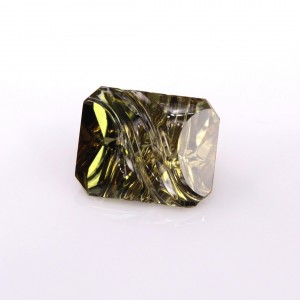
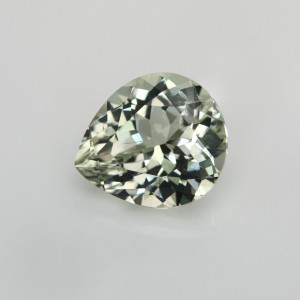
Even clean stones of achroite are sometimes cut into fancy shapes to highlight their individuality, because the rarity of the material itself justifies artistic cutting that would be uneconomical in more common gem varieties.
For full gemological information on the full range of tourmaline varieties, read our Other Tourmalines Gemopedia Guide. Browse related varieties including green tourmaline, pink tourmaline, and blue tourmaline, with guides at Green Tourmaline Guide, Pink Tourmaline Guide, and Blue Tourmaline Guide. See the complete Tourmaline Gemstone Guide and browse our full natural tourmaline collection.
Honey, Champagne, and Cognac Tourmalines
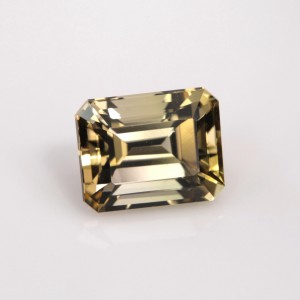
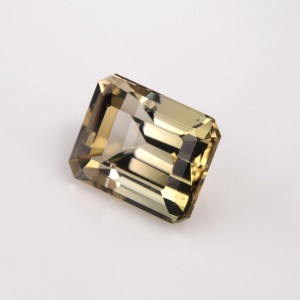
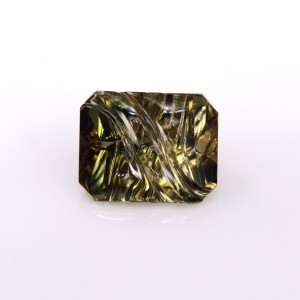
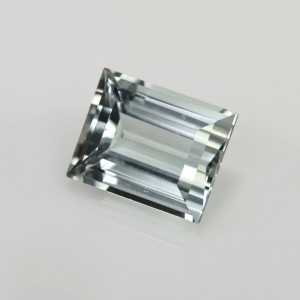
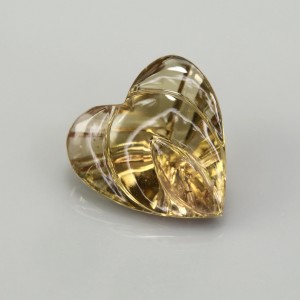
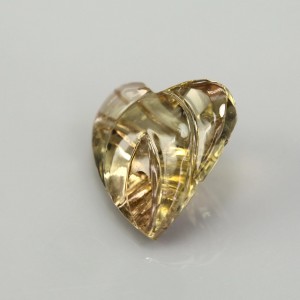
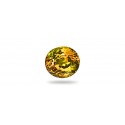
Warm-toned tourmalines in honey, champagne, and cognac shades occupy a niche but enthusiastic collector market. These colors are produced by iron in its trivalent state (Fe³⁺), which absorbs in the blue-violet region and transmits warm yellow, golden, and brownish tones. The specific shade depends on iron concentration and the presence of additional trace elements: lower iron produces pale champagne or golden yellow; moderate iron produces honey-orange; higher iron with some additional absorption produces cognac and brownish tones.
These warm tourmalines are particularly valued by jewelry designers working with yellow gold settings, where the warm body color of honey or cognac tourmaline creates a harmonious combination. They are also popular as alternatives to citrine and smoky quartz, offering better optical properties (higher refractive index, stronger brilliance) and the appeal of genuinely rare material in colors that appear common but are actually uncommon in clean, well-faceted tourmaline form.
At GemPiece, honey, champagne, and cognac tourmalines are often encountered in the mixed parcels we source from African and Brazilian suppliers. Each piece is individually evaluated for color quality and clarity before cutting. Even clean stones in these colors are sometimes fashioned into fancy cuts because the warmth and individuality of the material justify creative lapidary work beyond standard oval and cushion forms.
Canary Tourmaline: The Electric Yellow
Canary tourmaline is one of the most visually striking collector varieties in the entire tourmaline family. Its vivid neon yellow color with green secondary hues creates a visual impact comparable in its own way to Paraiba's neon blue-green, offering an electric yellow presence that no other yellow gemstone replicates. The color is produced by manganese and iron in a specific combination that produces an unusual transmission window in the bright yellow spectral region.
The primary commercial source of canary tourmaline is Malawi in southern Africa, where specific pegmatite deposits have produced gem-quality yellow elbaite with the distinctive neon quality that defines this variety at its finest. Canary tourmaline from Malawi is typically found in smaller sizes, most commonly under 5 carats in fine quality. The combination of strong neon yellow color, small available sizes, and limited production makes fine canary tourmaline a genuinely sought-after collector variety despite its low commercial profile.
Dravite: Brown Tourmaline
Dravite is the sodium-magnesium species of tourmaline, chemically distinct from elbaite and typically producing brown, yellow-brown, dark red, and occasionally greenish or nearly colorless material. Named after the Drava River district of Carinthia in Austria, where it was first formally described, dravite forms preferentially in metamorphic and metasomatic environments where magnesium is abundant rather than in the lithium-rich granitic pegmatites that produce elbaite.
Gem-quality dravite in transparent brown to honey-brown tones has a small but dedicated collector following. Faceted dravite at $50 to $100 per carat for better quality pieces represents genuine rarity at accessible prices. The warm brown tones of faceted dravite work well in earth-toned jewelry designs and provide an alternative to more commonly known brown gems including smoky quartz and andalusite.
Schorl: Black Tourmaline
Schorl is the iron-rich black tourmaline species and is by far the most abundant form of tourmaline in nature, estimated to make up approximately 95% of all tourmaline on earth. Despite this abundance, gem-quality schorl in transparent or translucent form with sufficient clarity for attractive faceting is less common. Most schorl is opaque and used in decorative carving, mineral specimen collections, and as a metaphysical stone.
Faceted schorl in semi-transparent form with visible crystal structure is a collector variety at affordable prices of $25 to $60 per carat for interesting quality. Black tourmaline was historically used in Victorian mourning jewelry, where its deep opaque black complemented jet and black glass in memorial pieces.
Siberite and Liddicoatite
Siberite is a lavender to violet-purple variety of elbaite from Siberia's Transbaikal region. Its distinctive cool purple-pink to violet tones distinguish it from standard pink tourmaline (which trends toward warm pink) and from indicolite (which is blue). Siberite from the Mursinka and Shaytanka deposits in Russia's Ural region represents some of the finest purple tourmaline available and commands collector premiums for well-colored, clean material in good sizes.
Liddicoatite is a calcium-rich tourmaline species from Madagascar, formally distinct from elbaite by having calcium rather than sodium in the X-crystallographic site. It is named after Richard T. Liddicoat, president of GIA and often called the "Father of Modern Gemology." Liddicoatite is particularly prized by collectors for its complex triangular color zoning visible in crystal cross-sections, where different crystallographic sectors of the crystal show different colors in a pinwheel or triangular pattern. Polished slices of zoned liddicoatite crystals from Madagascar are among the most remarkable natural gemstone art forms available, showing intricate patterns of pink, green, brown, and black in geometrically precise natural arrangements.
Properties
All tourmaline varieties in the "other tourmalines" category share the fundamental tourmaline group properties. Hardness ranges from 7 to 7.5 Mohs across species, with no cleavage in any variety. Refractive index ranges from 1.624 to 1.644 for elbaite-based varieties (achroite, siberite, canary, honey, champagne, cognac) and may vary slightly for dravite and schorl. Specific gravity varies by species: elbaite varieties at 3.02 to 3.20; dravite at 2.90 to 3.20; schorl at 3.15 to 3.25. All varieties are natural and untreated unless specifically disclosed.
Value and Rarity
Achroite represents the rarest and most valuable within this category at $50 to $500 per carat for fine faceted material. Canary tourmaline in fine neon yellow ranges from $100 to $400 per carat. Siberite in good lavender-purple quality commands $50 to $300 per carat. Honey and champagne tourmaline ranges from $30 to $150 per carat for attractive faceted material. Dravite in gem quality: $50 to $100 per carat. Liddicoatite polished slices are priced by individual piece rather than per carat, with especially striking examples commanding collector prices. All GemPiece stones in this category are 100% natural, and certification from AIGS, GIT, GIA, and GRS is available upon request. Browse our complete other tourmaline collection or explore the full natural tourmaline range.
Frequently Asked Questions
What is achroite tourmaline?
Achroite is the colorless variety of tourmaline and one of the rarest forms within the mineral group. It forms when elbaite crystallizes in a pegmatite environment essentially free of all coloring trace elements. Typically found in sizes from 1 to 5 carats, it is highly valued by collectors, particularly in Japan and the United States, for its extreme rarity among an already diverse gem family.
What is canary tourmaline?
Canary tourmaline is a vivid neon yellow variety of elbaite, primarily from Malawi in Africa. Its electric yellow color with green secondary hues is produced by a specific manganese-iron combination that creates an unusually bright transmission window in the yellow spectral region. It is considered one of the most visually striking collector varieties in the tourmaline family and is typically found in small sizes.
What is dravite tourmaline?
Dravite is the sodium-magnesium tourmaline species, typically producing brown, yellow-brown, and occasionally greenish material. Named after the Drava River in Austria, it forms in metamorphic environments rather than the lithium-rich pegmatites that produce elbaite. Gem-quality faceted dravite in warm brown tones is a collector variety at accessible prices.
What is siberite?
Siberite is a lavender to violet-purple variety of elbaite from Siberia's Transbaikal region, Russia. Its cool purple-pink to violet tones distinguish it from standard pink tourmaline and from blue indicolite. Fine siberite from Russia's Mursinka and Shaytanka deposits commands collector premiums for well-colored clean material.
What is liddicoatite tourmaline?
Liddicoatite is a calcium-rich tourmaline species from Madagascar, named after GIA president Richard T. Liddicoat. It is particularly prized for its complex triangular color zoning visible in crystal cross-sections, where different crystallographic sectors display different colors in geometrically precise natural patterns. Polished liddicoatite slices are among the most remarkable natural gemstone art forms available.
Are other tourmalines treated?
Most varieties in this category are untreated. Achroite has no treatment applied. Canary tourmaline is typically natural. Dravite and schorl are generally untreated. Some honey and champagne material may have been heated, which is disclosed. At GemPiece, treatment status is fully disclosed for every stone.
Clear ✖