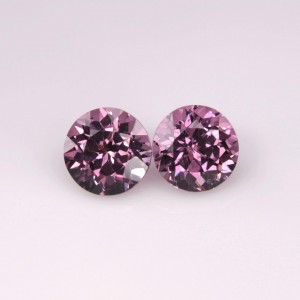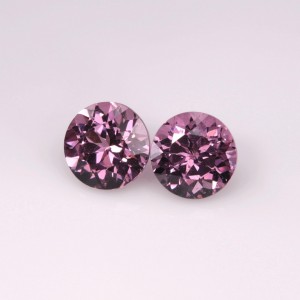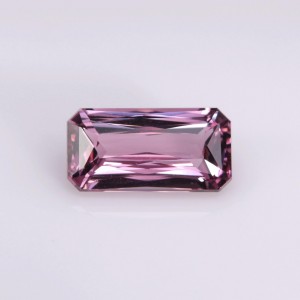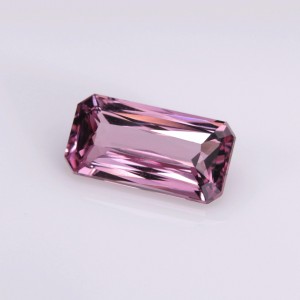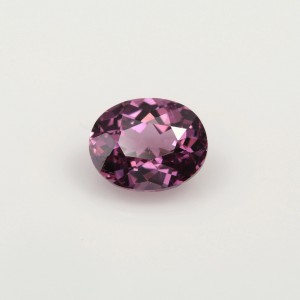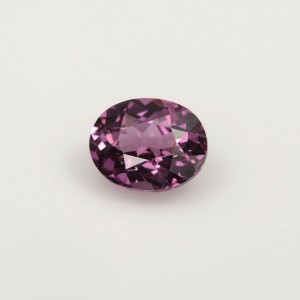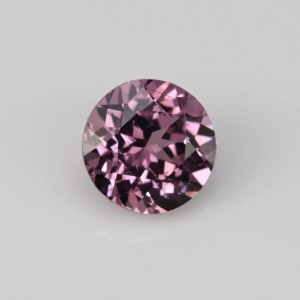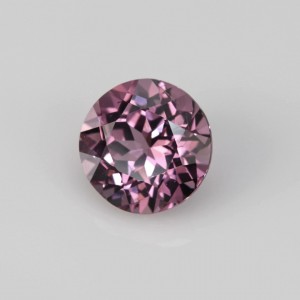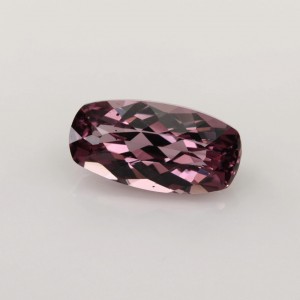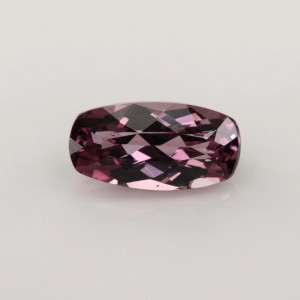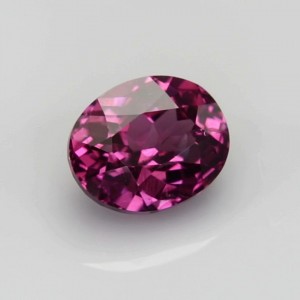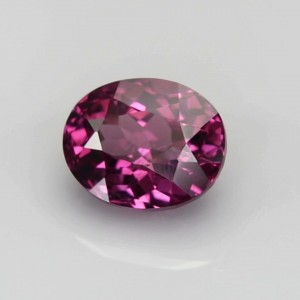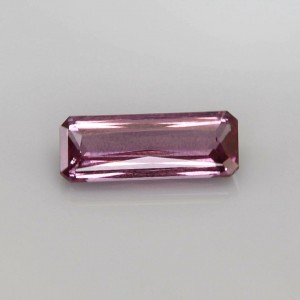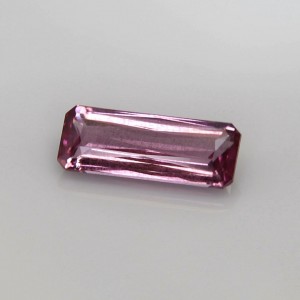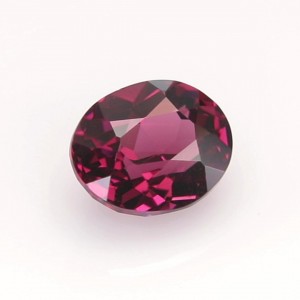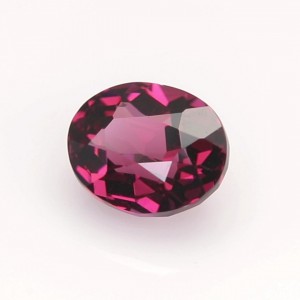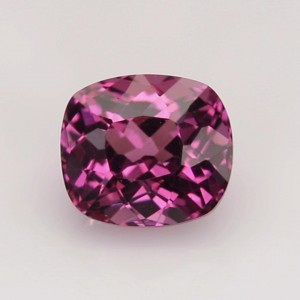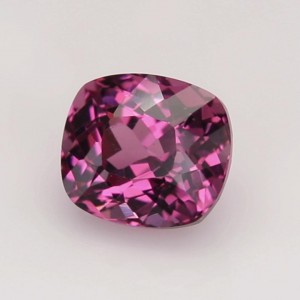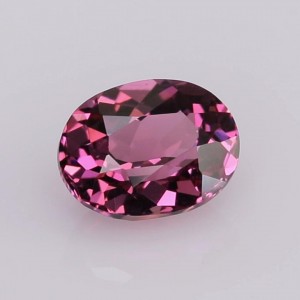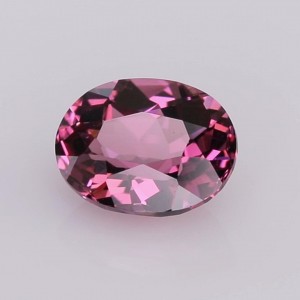
Buy Natural Malaya Garnet Gemstones Online
Malaya garnet is one of the most unusual gemstones in the world, not just for its rare color range but for how it entered the gem trade: literally rejected and discarded by the miners who first found it. In the 1960s, miners working the Umba River Valley on the Tanzania-Kenya border were being paid to extract rhodolite garnet. When they encountered pink and orange stones that did not match the violet-red rhodolite they were searching for, they set them aside. The stones did not fit any known garnet variety, so the miners gave them the Swahili name "malaya" — meaning outcast or out of the family — and moved on.
When Western gem dealers encountered malaya garnet in the 1970s, the outcast quickly became a prize. The unusual palette of peach, pinkish-orange, reddish-orange, and salmon tones that the stone displayed was unlike anything else available in the garnet family, and collectors who recognized its distinctiveness responded immediately. Today, malaya garnet is one of the most sought-after of the rarer garnet varieties, with supply consistently limited and demand driven by collectors and designers who understand what they are looking at.
What Makes Malaya Garnet Unique
Malaya garnet is defined not by a fixed chemical composition but by a color range that falls between the red of pyrope and the orange of spessartite, occupying a visual space that no single-species garnet variety can reach. Gemological analysis has confirmed that malaya is a complex mixture: primarily pyrope and spessartite, with variable almandine and occasional grossular content. The IGS analysis documents malaya compositions ranging from 0 to 83% pyrope, 2 to 78% almandine, 2 to 94% spessartite, and up to 24% grossular — a compositional flexibility that makes malaya one of the most chemically variable named garnet varieties in existence.
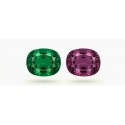
This variable composition is precisely what produces malaya's distinctive visual range. Higher pyrope content pushes color toward pinkish-red; higher spessartite content drives color toward orange; the presence of chromium or vanadium in trace amounts can produce scintillating red flashes when the stone is viewed face-up, and in some stones produces a genuine color change effect. The most commercially prized malaya stones display bright, vivid pinkish-orange or pure peach tones — a color that many buyers describe as "sunset" and that cannot be found in any other widely available natural gemstone.
Malaya Garnet Color Range and Named Subtypes
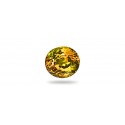
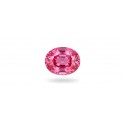
The malaya color range is broader and more complex than most buyers realize. Moving from most to least commercially prized: vivid pinkish-orange (the most desired and often called "Imperial Malaya" or "Malaya Orange" in trade), clean peach and salmon, bright reddish-orange, light orange-pink, and finally brownish-orange tones, which are the least commercially desirable.
Several named subtypes have emerged from specific deposits. Mahenge garnet describes peach-to-pink malaya material from the Mahenge area of Tanzania, first appearing commercially around 2015, known for exceptionally vivid and saturated pinkish-orange color that represents some of the finest malaya ever seen. Umbalite is an older trade name for red malaya material from the Umba Valley, characterized by red to reddish- orange tones often with a hint of orange mixed into the red. The term has been applied inconsistently in the trade and is less commonly used today. Some malaya garnets display a genuine color change — appearing pink, salmon, or magenta in daylight and shifting to reddish-pink, light purple, or pinkish-orange under incandescent light, driven by trace chromium or vanadium in the composition.
For comprehensive gemological information, read our Malaya Garnet Gemopedia Guide. See also our spessartite garnet collection and color change garnet collection, with guides at Spessartite Garnet Guide and Color Change Garnet Guide.
Malaya Garnet Properties
Hardness: 7 to 7.5 Mohs — excellent for all jewelry types
Refractive Index: 1.740 to 1.800 (varies with composition)
Specific Gravity: 3.75 to 3.95
Crystal System: Isometric (cubic)
Cleavage: None
Luster: Vitreous
Treatment: None — entirely natural and untreated
Sources and Availability
Malaya garnet is found primarily in the Umba River Valley on the Tanzania-Kenya border, with the Tanzania side historically the more productive. The Mahenge area of Morogoro Region in Tanzania, which began producing exceptional pinkish-orange material around 2015, has become one of the most important current sources. Madagascar's Bekily region also produces malaya- composition material. Supply from all sources is sporadic and dependent on mining conditions — malaya is not a commodity gem with predictable continuous supply, which is part of what maintains its collector value.
Price and Value
Fine malaya garnet with vivid pinkish-orange or peach color and good clarity typically ranges from $120 to $500 per carat for accessible sizes. Imperial Malaya quality with exceptional vivid orange-pink and eye-clean clarity commands $500 to $2,000 per carat or more for sizes above two carats. Mahenge material in the finest colors commands premium pricing reflecting its recent discovery and strong demand. Stones with a genuine color change effect add significant premiums. Malaya is entirely untreated.
Browse our complete malaya garnet collection or explore the full natural garnet gemstone range.
Frequently Asked Questions
What is malaya garnet?
Malaya garnet is a rare pyrope-spessartite garnet mixture producing peach, pinkish-orange, reddish-orange, and salmon colors. Its name comes from the Swahili word for outcast, reflecting how it was literally set aside by miners in the 1960s because it did not match any known garnet variety. It is found primarily in Tanzania and Kenya.
What is the most valuable malaya garnet color?
Bright vivid pinkish-orange, often called Imperial Malaya or Malaya Orange, is the most prized color. Clean peach and salmon tones are the next most desirable. Brownish-orange tones are the least commercially sought after. Stones with a color change effect also command significant premiums regardless of their base color.
What is Mahenge garnet?
Mahenge garnet is a trade name for exceptionally vivid pinkish-orange malaya garnet from the Mahenge area of Tanzania, which began producing this material around 2015. Mahenge stones are known for particularly saturated and clean peach-to-pink-orange color and represent some of the finest malaya garnet currently available.
Is malaya garnet the same as rhodolite?
No. Rhodolite is a pyrope-almandine mixture producing purplish-red tones found in the same East African region. Malaya is a pyrope-spessartite mixture producing orange, peach, and pink-orange tones. Both are East African garnets but they are chemically and visually distinct varieties.
Can malaya garnet change color?
Some malaya garnets display a genuine color change effect, typically shifting from pink, salmon, or magenta in daylight to reddish-pink, light purple, or pinkish-orange under incandescent light. This is caused by trace chromium or vanadium in the composition and affects a minority of malaya stones. Color change malaya commands significant premiums.
Is malaya garnet treated?
No. Malaya garnet is entirely natural and untreated. Its color is purely a product of its natural pyrope-spessartite chemical composition.
Where is malaya garnet found?
Primarily the Umba River Valley on the Tanzania-Kenya border, the Mahenge area of Tanzania, and Madagascar's Bekily region. Supply is limited and sporadic from all sources.
Clear ✖