Buy Rare Natural Triplite Gemstones Online
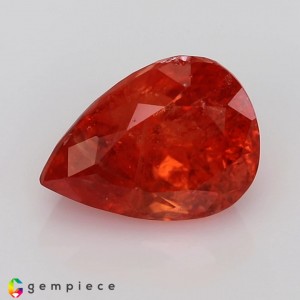
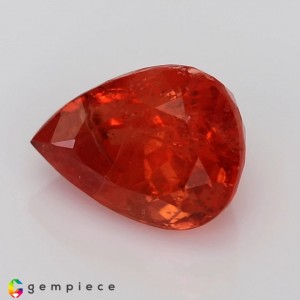
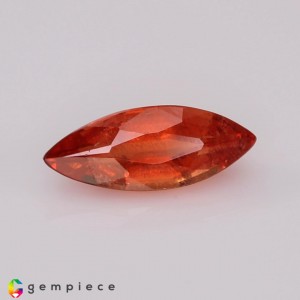
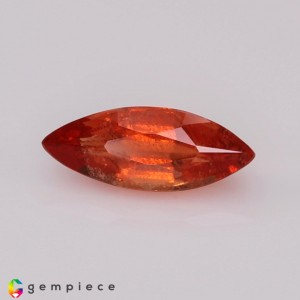
Triplite is among the rarest phosphate minerals ever faceted as a gemstone — a species so uncommon in transparent form that it exists in the collections of only a handful of specialist dealers and serious collectors worldwide. When gem-quality transparent triplite does appear in the market, typically from Pakistan, it presents as a distinctive reddish-brown to orange-brown gemstone with notable birefringence, pleochroism, and the quiet rarity that defines the most exclusive tier of collector gemstones.
Read our detailed triplite gemstone guide (view collection) covering mineralogy, optical properties, origins, and what makes this phosphate mineral one of the most exclusive collector stones available — or explore our natural triplite gemstone collection.
Color and Appearance
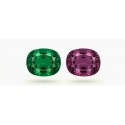
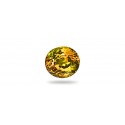
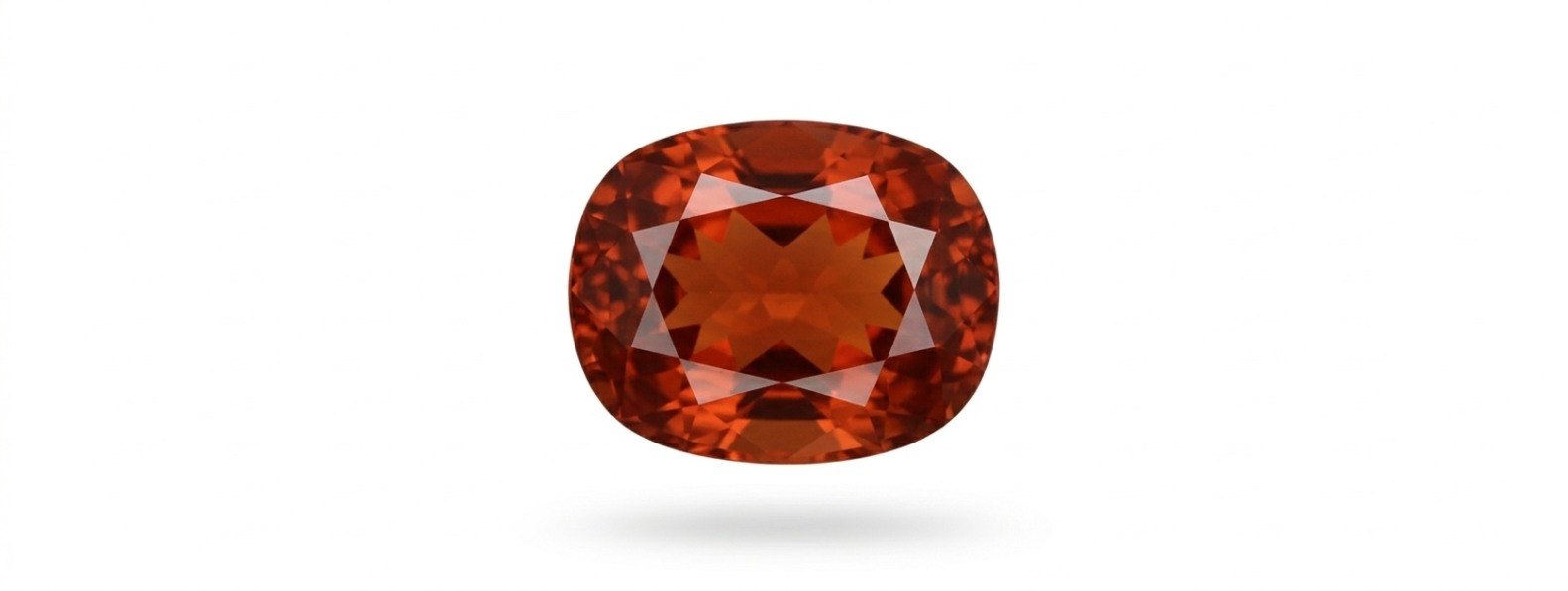
Triplite's color range in gem-quality specimens spans reddish-brown, brownish-red, deep orange-brown, and occasionally orange or yellowish-brown tones. The most desirable faceted specimens display a warm, glowing orange-brown with good transparency. The stone has a vitreous to resinous luster on polished surfaces and can show a subtle internal depth and warmth that is characteristic of the species. Some specimens display minor pleochroism — subtle color shifts when viewed from different directions under polarized light.
Triplite's birefringence is notable — facet doubling can be seen in some specimens under magnification, a characteristic diagnostic feature shared with sphene and a small number of other highly birefringent gemstones. Chatoyancy (cat's eye effect) and asterism are occasionally reported in triplite, though these optical phenomena are rare and represent exceptional specimens when encountered.
Rarity and Collector Significance
Transparent faceted triplite is among the rarest gemstones in the world by any measure. The mineral itself is not uncommon in pegmatite and hydrothermal vein deposits, but it almost never occurs in the transparent, cuttable form required for faceting. The three pronounced cleavage directions in triplite present significant challenges during the cutting process — even when suitable transparent rough is found, transforming it into a finished faceted gemstone requires exceptional lapidary skill and patience. The result is a finished gem of genuine scientific and collector interest with an extremely limited market supply.
Origins
Gem-quality triplite suitable for faceting has been found primarily in Pakistan, which produces the most commercially significant transparent material. Triplite also occurs as a mineral in lithium-bearing pegmatites across Europe, North America, and parts of Asia, but gem-quality transparent specimens are rarely if ever recovered from most of these localities. Pakistan currently stands as the most reliable source of cuttable triplite for collector specimens and faceted gemstones.
Hardness and Durability
Triplite has a Mohs hardness of approximately 5 to 5.5, placing it in the softer range of facetable gemstones. Combined with its three cleavage directions, triplite requires protective settings and careful handling. It is best considered a collector gemstone — appropriate for earrings, pendants, and display rather than everyday ring wear. The stone's fragility is one of the reasons faceted examples are so rarely encountered; even after a skilled cutter successfully facets the rough, careful handling is required throughout the stone's life.
Value and Buying Considerations
Triplite is valued primarily for its exceptional rarity rather than its optical brilliance. Transparent specimens with warm orange-brown color and acceptable clarity represent the highest tier of value. Given the extreme scarcity of faceted material, any well-cut transparent triplite is a notable collector acquisition regardless of size. Triplite is not commercially treated, and natural untreated specimens are standard for the species.
GemPiece offers certified triplite from verified sources — each stone documented for authenticity and origin. Contact our team for availability, as triplite supply is extremely limited.
Explore Related Ultra-Rare Collector Gemstones
Collectors of rare phosphate and silicate minerals may also appreciate
clinohumite (view collection),
grandidierite (view collection), and
sphene (view collection).
Frequently Asked Questions
What is triplite gemstone?
Triplite is an extremely rare phosphate mineral belonging to the triplite group, composed primarily of manganese, iron, phosphorus, and oxygen. In the rare instances when it occurs in transparent form, it is faceted as a collector gemstone displaying reddish-brown to orange-brown colors with notable birefringence.
Why is triplite so rare as a gemstone?
While triplite as a mineral occurs in various geological settings, it almost never occurs in the transparent, cuttable form needed for faceting. Its three pronounced cleavage directions also make cutting extremely challenging. The combination of rare transparent rough and difficult cutting makes faceted triplite exceptionally uncommon.
Where does gem-quality triplite come from?
Pakistan is the primary source of gem-quality transparent triplite suitable for faceting. Triplite occurs mineralogically in lithium-bearing pegmatites across multiple countries, but transparent cuttable material is almost exclusively associated with Pakistani deposits.
What color is triplite?
Triplite in gem-quality form typically displays reddish-brown, brownish-red, deep orange-brown, or warm orange tones. The most desirable specimens show a glowing orange-brown with good transparency and vitreous luster.
Is triplite treated?
No. Triplite is not commercially treated. Natural untreated status is standard for the species. GemPiece provides full treatment disclosure on every stone.
Is triplite a good investment gemstone?
Triplite's extreme rarity makes it inherently interesting as a collector gemstone. Fine faceted specimens are genuinely scarce and not widely available in the market. As with all rare collector minerals, value appreciation is possible but not guaranteed — triplite should be purchased primarily for collector interest rather than pure investment.