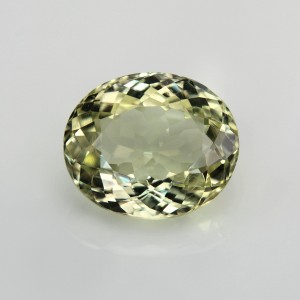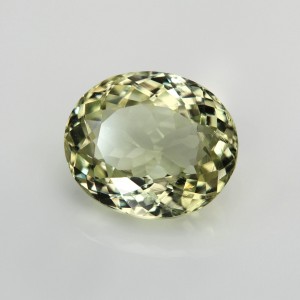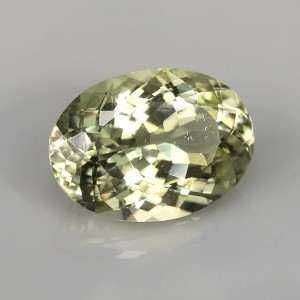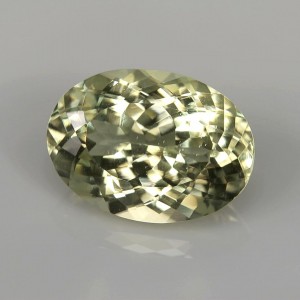
Buy Natural Sillimanite – Cat's Eye and Fibrous Variety
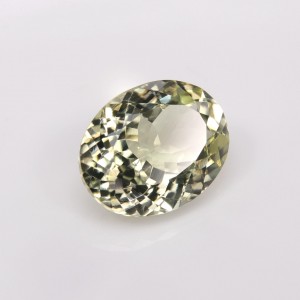
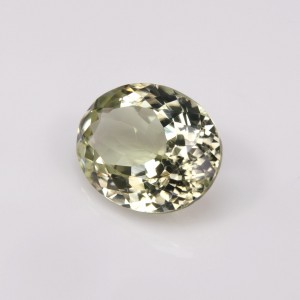
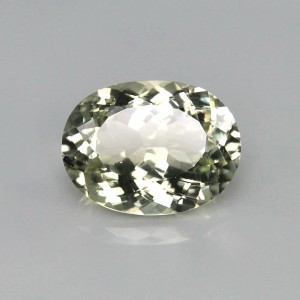
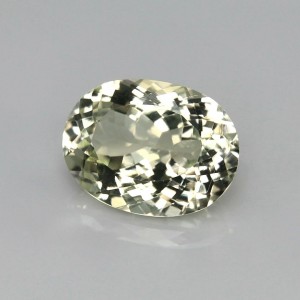
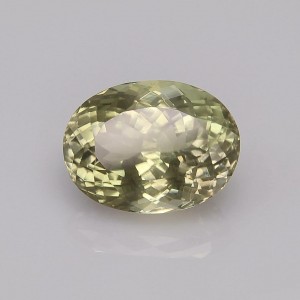
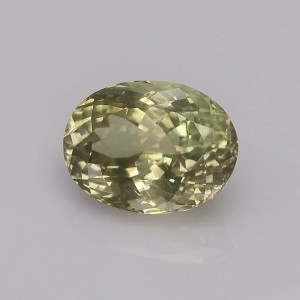
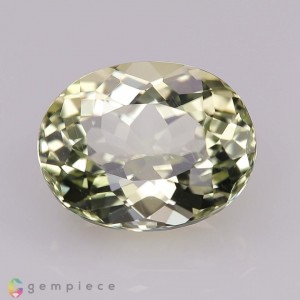
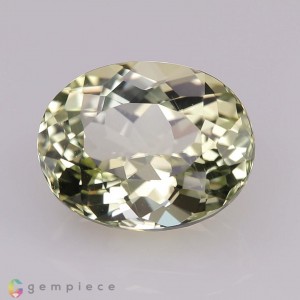
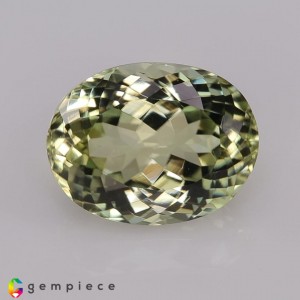
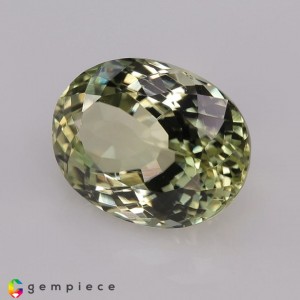
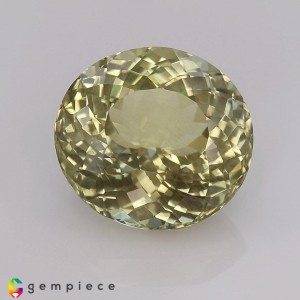
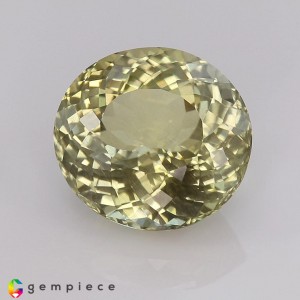
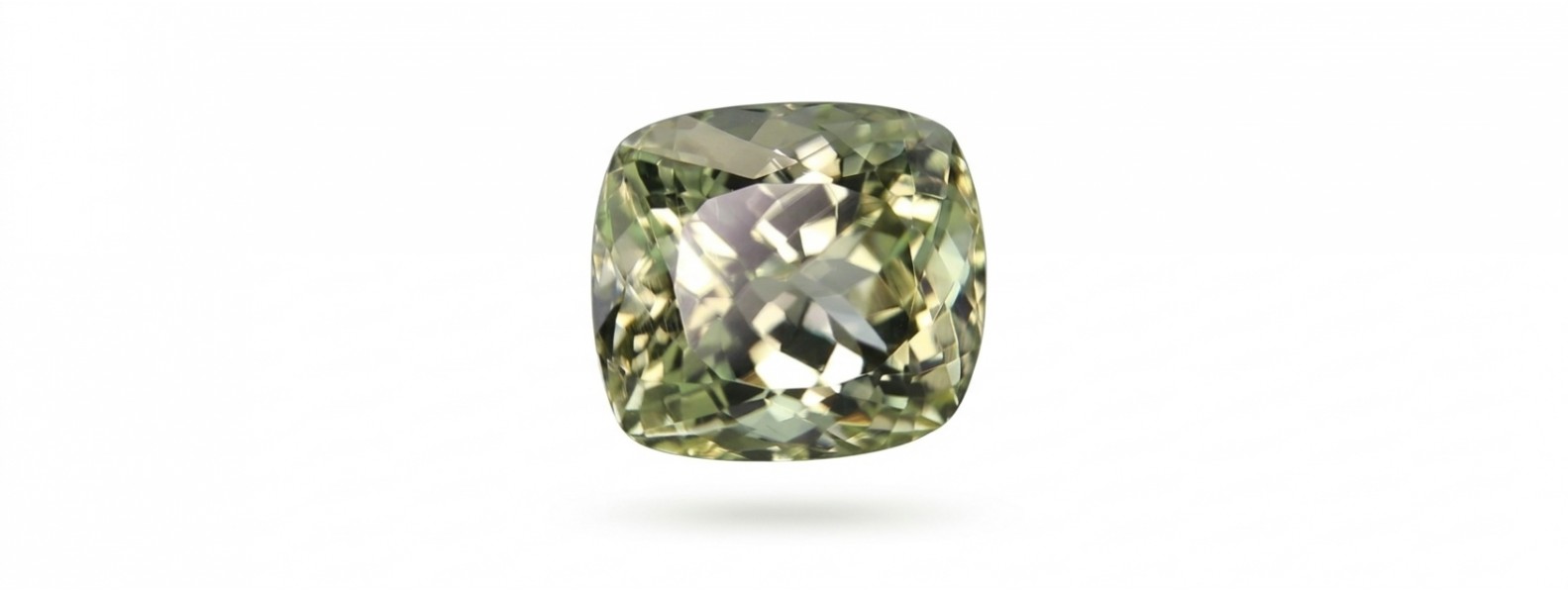
Faceted sillimanite is among the rarest transparent gemstones available in the collector market today. Sillimanite as a mineral is widely distributed in metamorphic terrains worldwide, but gem-quality transparent crystals suitable for faceting occur only at specific geological localities and in genuinely limited quantities. The same fibrous crystal habit that makes sillimanite a naturally chatoyant mineral for cat's eye production is the very reason transparent single crystals suitable for faceting are so uncommon. When transparent facetable sillimanite does occur, the resulting gemstone displays a vitreous luster, strong birefringence, and a clean, understated beauty that places it firmly in the collector category rather than the commercial mainstream.
Read our complete sillimanite gemstone guide covering mineralogy, polymorphism, optical properties, and value factors, or explore our natural sillimanite facet collection. We also offer a separate collection of sillimanite cat's eye for those seeking the chatoyant cabochon variety.
Why Faceted Sillimanite Is Rare
Sillimanite most commonly forms as fibrolite, a densely packed aggregate of fine parallel fibrous crystals rather than a single large transparent crystal. This fibrous habit is structurally ideal for cat's eye cabochon production but entirely unsuitable for faceting. Gem-quality transparent single crystals of sillimanite require very specific geological conditions during formation, and even when they occur, they are typically small, heavily included, or affected by the same cleavage and directional hardness variation that characterizes the species. Commercial quantities of faceting-grade transparent sillimanite are not available from any single source, and most faceted sillimanite in the trade arrives as individual collector specimens rather than regular commercial supply.
Color Range
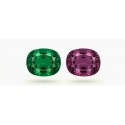
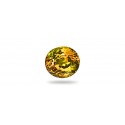
Faceted sillimanite occurs in colorless, pale yellow, pale green, pale blue, grey, and brown tones. Colorless and pale yellow are the most commonly encountered faceted colors in available material. Pale blue and pale green faceted sillimanite is rarer and carries collector interest for the combination of delicate color and scarcity. Brown and grey faceted material is less desirable and primarily of mineralogical interest. No strongly saturated color varieties are commercially available in faceted form, and the color saturation of even the finest pieces remains gentle and understated compared to other colored gemstone categories.
Optical Properties
Faceted sillimanite displays a vitreous to subvitreous luster on polished surfaces and exhibits strong birefringence that is visible to the naked eye as doubling of facet edges when the stone is viewed through the table. The refractive index ranges from 1.659 to 1.683, biaxial positive. This strong birefringence gives faceted sillimanite an optical character entirely distinct from other colorless and pale-colored collector gemstones of similar appearance. Light return is clean and even in well-cut material, and the transparency in fine specimens approaches the optical purity of high-clarity glass. The dispersion is moderate and does not produce strong fire, so the primary optical appeal comes from the combination of transparency, luster, and the diagnostically strong birefringence.
Hardness and Durability
Sillimanite has a hardness ranging from 6 to 7.5 on the Mohs scale, and this range reflects a real directional variation rather than a simple uncertainty. Hardness reaches its maximum perpendicular to the crystal fibers and drops toward 6 along the fiber direction. Perfect cleavage in one direction parallel to the crystal length further limits the durability of faceted pieces under impact. These properties make faceted sillimanite appropriate for pendants, earrings, brooches, and display pieces. Daily-wear ring use is not recommended. The directional hardness variation means some facet orientations may be more susceptible to abrasion than others, and protective settings are advisable for pieces intended for regular wear.
Sources
Sri Lanka is the most consistent commercial source of transparent facetable sillimanite, producing small quantities of clean pale-colored material from alluvial gem gravels alongside sapphire, chrysoberyl, and other gem species from the Ratnapura and Elahera districts. Myanmar produces sillimanite primarily in the fibrous cat's eye form from the Mogok gem region, but occasional transparent crystals suitable for faceting have been documented from Myanmar sources. India is the dominant global source for sillimanite cat's eye from the states of Odisha and Bihar but is not a significant commercial source of faceting-grade transparent crystals. The United States has produced mineralogically important transparent sillimanite specimens from metamorphic localities in Connecticut, Pennsylvania, and other Appalachian regions, though not in gem trade volumes.
Treatment Status
Faceted sillimanite is not treated. Color, clarity, and optical properties are entirely natural. The untreated status is standard for the species and applies universally to all sillimanite in the market, both faceted and cat's eye varieties. No heat treatment, irradiation, coating, or other enhancement is applied or required.
Value and Collector Appeal
Faceted sillimanite is valued primarily for the rarity of the transparent faceted form rather than for color saturation or optical brilliance. Transparency and absence of visible inclusions are the primary quality drivers, as faceted material with significant inclusions loses collector appeal considerably. Size adds meaningful value: most commercial faceted sillimanite is under 5 carats, and clean transparent pieces above 10 carats represent genuinely uncommon collector material. Color contributes to value within the pale tone range, with pale blue and pale green faceted pieces commanding premiums over colorless and pale yellow material. The strongly visible birefringence is a positive attribute that collectors familiar with the species recognize and value. Pricing for faceted sillimanite remains moderate relative to its actual rarity, reflecting the specialist rather than broad nature of collector demand for the faceted form.
Sillimanite Cat's Eye
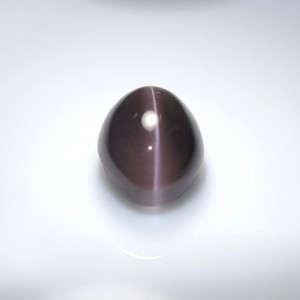
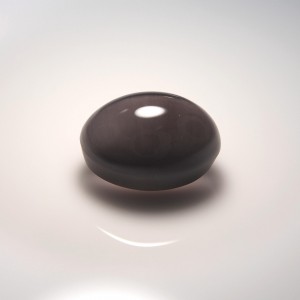
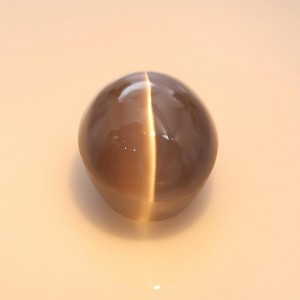
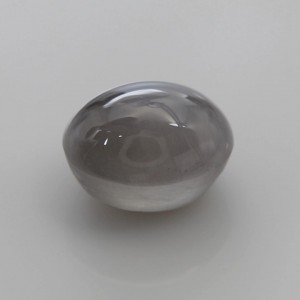
The commercially and collector-significant gem form of sillimanite is the cat's eye variety, produced from fibrolite cabochons displaying a sharp, well-defined chatoyant band against a silky body color. Sillimanite cat's eye from Myanmar in distinctive blue-grey body color with a crisp, bright eye is among the finest cat's eye gemstones available at its price point. GemPiece offers sillimanite cat's eye as a dedicated separate category. Explore our sillimanite cat's eye collection for certified specimens from India and Myanmar.
Explore Related Gemstones
Kyanite (view collection), andalusite (view collection), and sillimanite cat's eye (view collection).
Frequently Asked Questions
What is faceted sillimanite?
Faceted sillimanite is the transparent single-crystal form of the aluminum silicate mineral Al₂SiO₅, cut and polished into faceted gemstones. It is exceptionally rare compared to the far more common fibrous cat's eye variety and is valued primarily as a collector gemstone for its mineralogical significance, strong visible birefringence, and the genuine scarcity of clean transparent material in the market.
Why is faceted sillimanite so rare?
Sillimanite most commonly forms as fibrolite, a fibrous aggregate crystal structure that produces cat's eye effects in cabochon form but is unsuitable for faceting. Gem-quality transparent single crystals require specific geological formation conditions and occur only in limited quantities from a small number of localities worldwide, primarily Sri Lanka.
How is faceted sillimanite different from sillimanite cat's eye?
Faceted sillimanite is cut from rare transparent single crystals and displays vitreous luster and strongly visible birefringence. Sillimanite cat's eye is cut from fibrous aggregate material (fibrolite) as a cabochon and displays a chatoyant eye band against a silky body rather than faceted brilliance. They are two entirely different gem expressions of the same mineral species.
Is sillimanite treated?
Faceted sillimanite is not treated. Color and clarity are natural properties of the crystal. Untreated status is universal and standard for all sillimanite in the market, including both the faceted transparent form and the cat's eye variety.
Clear ✖