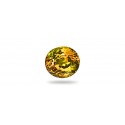
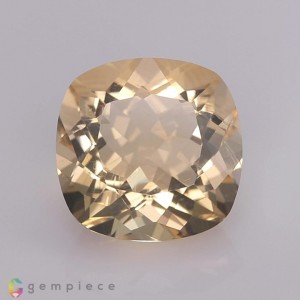
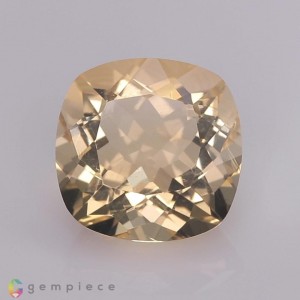
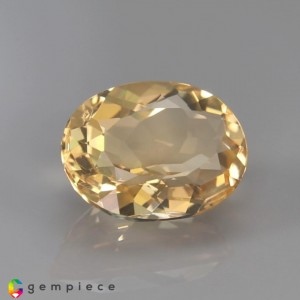
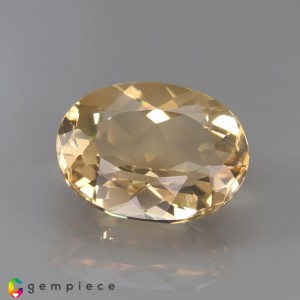
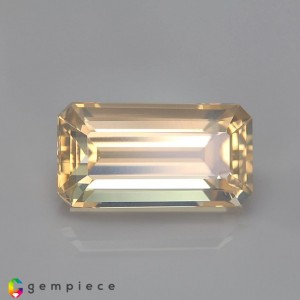
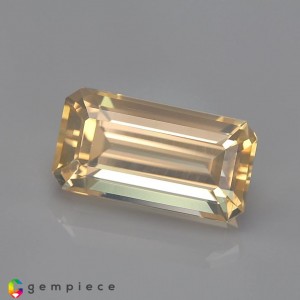
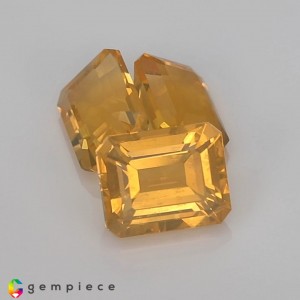
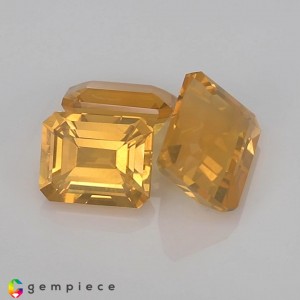
Buy Natural Yellow Opal Stones Online – Smooth Golden Opal Collection
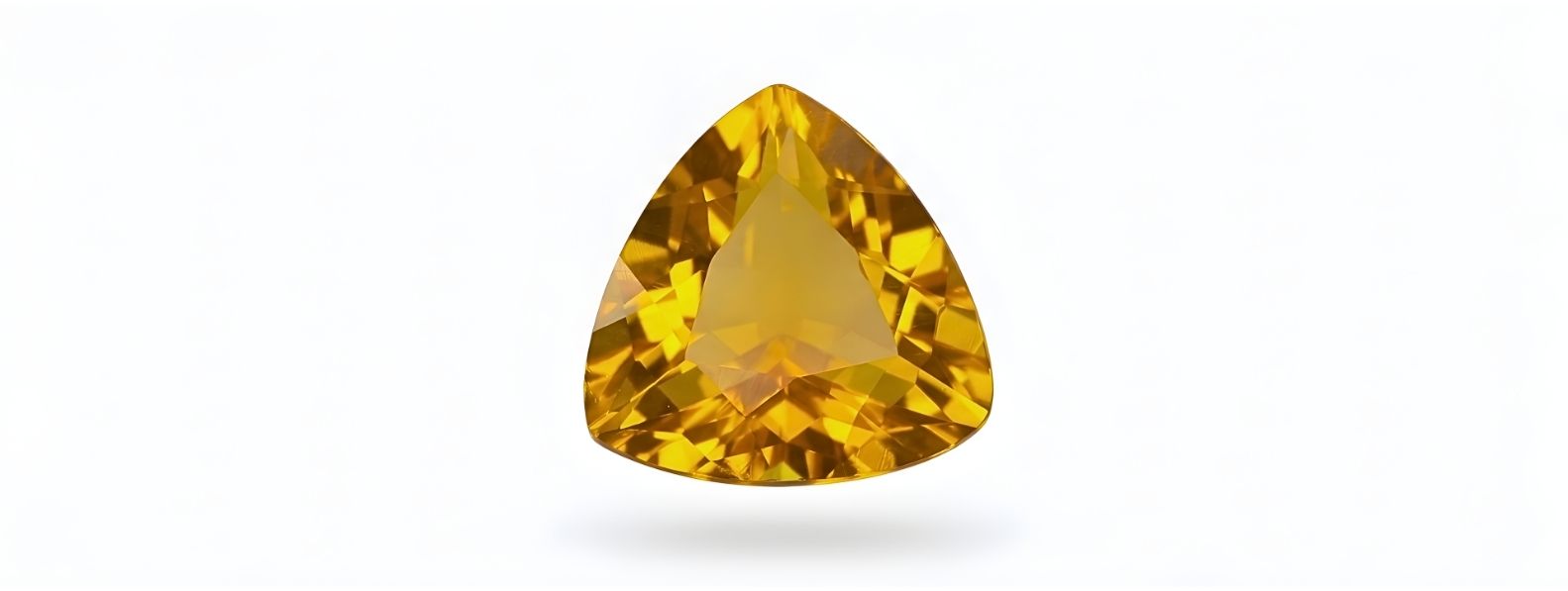
Yellow opal carries warmth in a way that few gemstones achieve — a soft, luminous golden
quality that ranges from the palest canary yellow through rich honey-gold to warm amber tones,
glowing with an inner light that is more gentle than the electric orange of mandarin spessartite
and more immediately warm than the cool blue-green of Peruvian blue opal. It is a gemstone
for golden afternoon light, for yellow gold settings, for jewelry that feels warm and
optimistic rather than dramatic.
Yellow opal's dual identity — it occurs as both precious opal with a yellow body tone and
play of color, and as common yellow opal with body color alone — gives it unusual versatility
within the opal family. The precious yellow opal from Ethiopia, where a warm golden background
hosts vivid play of color in red, green, and blue, represents one of the most visually complex
expressions of yellow in any gemstone. The common yellow opal, including the Canary Opal
from the Canary Islands and Australian material, offers clean, consistent warmth without
the complexity of spectral display. Both have their devoted following.
Yellow Opal: Precious and Common Forms
Yellow opal occurs in two distinct commercial forms, and buyers benefit from understanding
the difference clearly. Precious yellow opal has a yellow body tone (typically
N6 to N8 on the body tone scale) against which play of color flashes appear. Australian
precious yellow opal from Coober Pedy and Lightning Ridge occasionally produces material with
a golden yellow base color hosting vivid spectral play. Ethiopian precious yellow opal from
the Welo Province produces warm amber-orange to honey-golden stones with strong, vivid play
of color in multiple spectral directions — Jewelers Mutual documents that precious yellow opal
can show green, blue, red, and orange play of color against its warm golden background.
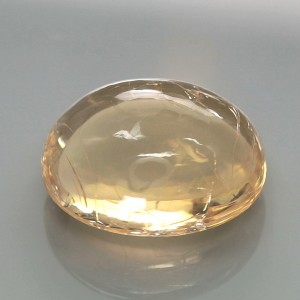
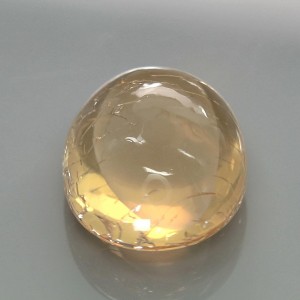
Common yellow opal has yellow body color without play of color. The most
distinctive subset is the Canary Opal — a nickname with a double meaning, since both the
canary bird's color (vivid yellow) and the gemstone's documented occurrence in the Canary
Islands of Spain contribute to the name. Common yellow opal typically displays a smooth,
clean yellow to golden tone with a waxy to vitreous luster. While lacking play of color,
fine common yellow opal has an attractive warmth that makes it a practical choice for
jewelry where consistent color rather than optical complexity is desired.
For comprehensive gemological information, read our
Yellow Opal Gemopedia Guide. Browse related opal
varieties including water opal,
fire opal, and
rainbow opal, with guides at
Water Opal Guide,
Fire Opal Guide, and
Rainbow Opal Guide.
See the complete Opal Gemstone Guide and browse our full
natural opal collection.
Yellow Opal vs Fire Opal
Yellow opal occupies the cool end of the fire opal-yellow opal spectrum. Fire opal is
defined by orange to reddish-orange body color with transparency; pale yellow fire opal
transitions into yellow opal at the lighter, cooler end of the color range. In the trade,
pale to medium yellow opals without transparency and without play of color are called yellow
opal; transparent yellow material with fire opal clarity and color approaching the orange
spectrum is often sold as yellow fire opal. The distinction reflects both color temperature
and transparency: standard yellow opal is opaque to translucent; yellow fire opal is
transparent. Both are natural and untreated.
Yellow Opal Properties
Hardness: 5.5 to 6.5 Mohs
Refractive Index: approximately 1.37 to 1.47
Specific Gravity: 1.98 to 2.25
Transparency: Opaque to translucent (common yellow opal); transparent in
yellow fire opal overlap
Body Tone: N6 to N8 yellow for precious yellow opal; uniform yellow body
for common yellow opal
Treatment: Natural and untreated
Sources
Yellow opal sources are globally distributed. Australia (particularly Coober Pedy and
Lightning Ridge) produces precious yellow opal as a byproduct of the primary white and black
opal deposits. Ethiopia's Welo Province produces precious yellow opal with warm amber-to-
honey body tones and vivid play of color. Mexico produces common yellow opal from its volcanic
opal fields alongside fire opal. Brazil produces common yellow opal. The Canary Islands of
Spain produce the material known as Canary Opal. Additional sources include Austria, France,
Hungary, Italy, New Zealand, Oregon (USA), Peru, and Russia. All sources are natural and
untreated.
Price and Value
Common yellow opal (without play of color) is among the most accessible opal varieties
commercially, typically ranging from $5 to $50 per carat for standard quality and up to
$100 per carat for fine translucent material with vivid, clean color. Precious yellow opal
with play of color ranges more widely: good quality Ethiopian precious yellow with vivid
color play ranges from $80 to $500 per carat. Australian precious yellow opal is priced
with the standard Australian opal premium. All yellow opal is entirely natural and untreated.
Browse our complete yellow opal collection
or explore the full natural opal gemstone range.
Frequently Asked Questions
What is yellow opal?
Yellow opal is a variety of opal with a warm golden to canary yellow body color. It
occurs as both precious yellow opal (with play of color on a yellow background) and common
yellow opal (body color only, no play of color). Also called Canary Opal due to both the
color and its occurrence in the Canary Islands of Spain. Sources include Australia, Ethiopia,
Mexico, Brazil, and the Canary Islands.
What is Canary Opal?
Canary Opal is a nickname for yellow opal with a dual meaning: the vivid canary-yellow
color, and the actual geological occurrence of yellow opal in the Canary Islands of Spain.
The name is used commercially for common yellow opal, particularly the more vivid, clean
canary-yellow material. Most commercial yellow opal sold as Canary Opal today comes from
multiple sources including Australia, Ethiopia, and Mexico, not exclusively the Canary Islands.
Does yellow opal show play of color?
Some yellow opals do — precious yellow opal has a yellow body tone with play of color.
Ethiopian precious yellow opal can show vivid green, blue, red, and orange color play on a
warm golden background. Common yellow opal does not display play of color; it is valued for
body color alone. The type of yellow opal determines whether play of color is present.
Is yellow opal the same as fire opal?
Not exactly. Pale transparent yellow fire opal at the light end of the fire opal color
range overlaps with yellow opal. Standard yellow opal is opaque to translucent with yellow
body color without fire opal transparency. Both are natural and untreated. The distinction
is primarily one of transparency and color temperature.
Is yellow opal treated?
No. Yellow opal's body color is entirely natural. No dyeing, heating, or coating is
used or required.