












Understanding Bi-Color Tourmaline Formation, Watermelon Variety, Color Zoning and Value
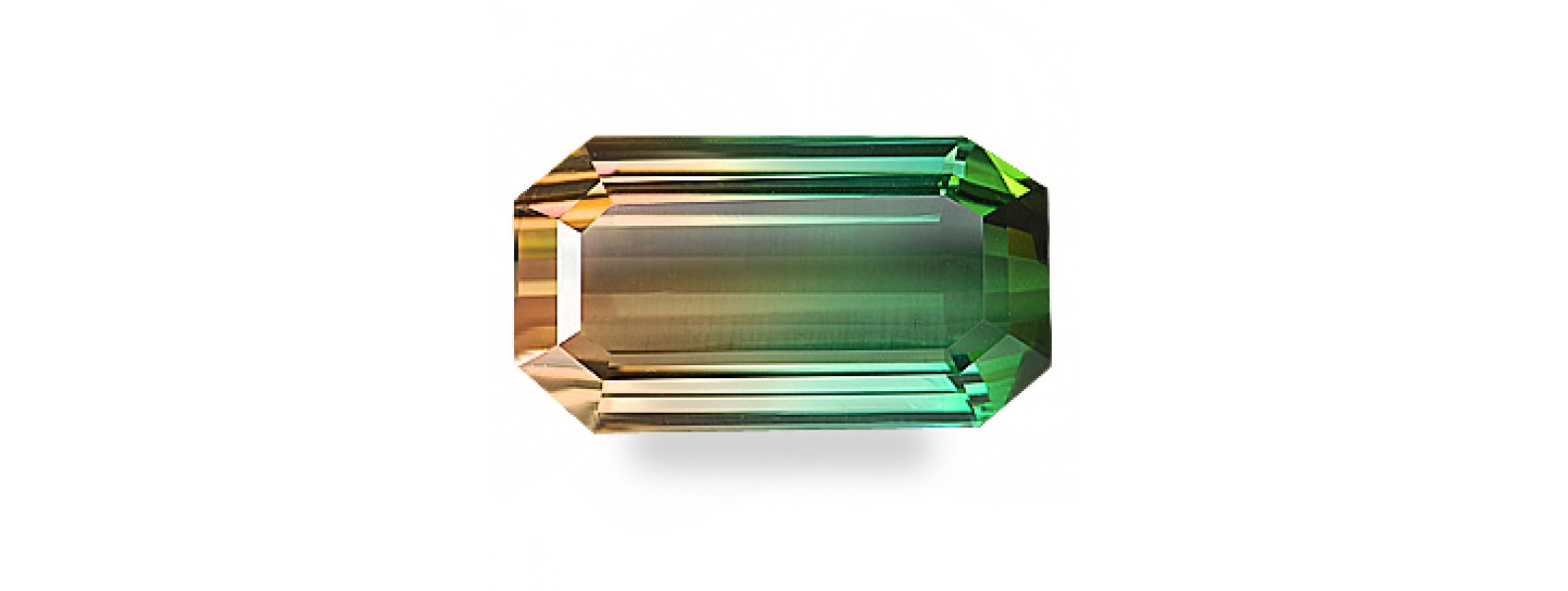
Bi-color tourmaline is a unique and visually striking variety of tourmaline that displays two distinct colors within a single crystal. This natural color zoning occurs during the crystal’s growth process, making each gemstone one-of-a-kind.
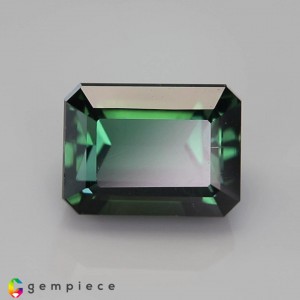
Unlike single-color tourmalines, bi-color stones often show a clear transition between colors such as green tourmaline (view green tourmaline collection) and pink tourmaline (view pink tourmaline collection), blue and green, or yellow and brown. These natural color combinations create exceptional visual appeal and make bi-color tourmaline highly desirable among collectors and gemstone enthusiasts.
Bi-color tourmaline is part of the broader tourmaline family, which is known for its wide range of colors and complex chemical composition influenced by trace elements.
Explore available stones in our bi-color tourmaline collection.
Formation and Color Zoning
Bi-color tourmaline forms when the chemical environment changes during the growth of the crystal. Variations in trace elements such as iron, manganese, and lithium cause different colors to develop in separate zones within the same crystal.
This process results in natural color zoning, where the transition between colors can appear either sharply defined or gradually blended depending on how the crystal formed.
Origins and Crystal Characteristics
Bi-color tourmalines are found in multiple regions, including Mozambique, Nigeria, Congo, Madagascar, Brazil, Afghanistan, and Pakistan. Among these, African sources, particularly Mozambique and Nigeria, play a significant role in the supply of high-quality material.
Mozambique is known for producing large-sized and relatively clean crystals, often with well-defined color zoning. These crystals are typically elongated and can display excellent transparency and strong natural color separation.
Nigeria produces bi-color tourmalines with vivid and saturated colors, although larger sizes are less commonly available compared to Mozambique material. Brazilian stones are also known for their balanced color combinations and good clarity.
Color Combinations and Watermelon Tourmaline
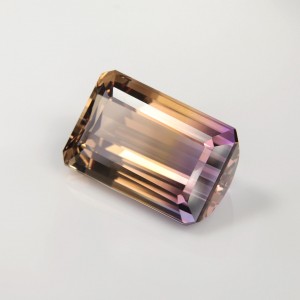
Bi-color tourmaline can display a wide variety of color combinations depending on the trace elements present during formation. While many combinations exist, the most recognized and widely known is the green and pink combination.
This combination is commonly referred to as watermelon tourmaline, due to its resemblance to the fruit, typically showing green tourmaline (view green tourmaline collection) on the outer layer and pink tourmaline (view pink tourmaline collection) or purplish pink in the center.
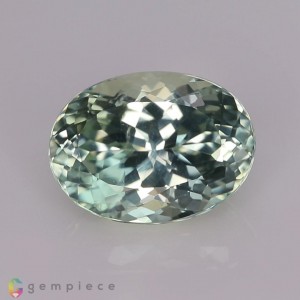
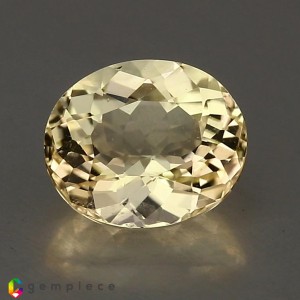
Although watermelon tourmaline is the most popular, bi-color tourmalines are not limited to this combination. Other variations such as blue-green, yellow-green, and mixed tonal combinations are also naturally occurring.
Color Ratio and Distribution
One of the most important visual characteristics of bi-color tourmaline is the proportion of each color within the stone. Crystals that show a balanced distribution, particularly close to a 50-50 ratio, are considered rare and highly desirable.
Other ratios such as 60-40 or 70-30 are also common and still visually appealing. The exact distribution depends entirely on natural crystal growth and cannot be artificially controlled.
The clarity of separation between the two colors, along with overall brightness and transparency, plays a significant role in how the gemstone is perceived.
Natural Formation and Treatment
Bi-color tourmalines are generally not subjected to heating or enhancement processes, as they naturally form with distinct color zones and open color. The inherent beauty of the stone lies in its natural color contrast, which typically does not require modification.
Unlike some other tourmaline varieties, where heating is used to improve color, bi-color tourmalines often display desirable characteristics directly from the crystal.
Cutting and Orientation
Cutting bi-color tourmaline requires careful planning to preserve and highlight both colors within the stone. The orientation of the cut determines how the color zoning is displayed in the final gemstone.
A well-cut stone can either emphasize a clear division between colors or create a smooth gradient effect, depending on how the cutter chooses to orient the crystal.
Clarity and Structural Features
Tourmaline crystals are often well-formed, and bi-color stones can exhibit good clarity. However, inclusions may sometimes be present near the transition zone between colors, as this is where changes in crystal growth occurred.
Market Demand and Global Appeal
Bi-color tourmaline is widely appreciated in global markets, including the United States, China, and Europe. Its natural uniqueness and visually distinctive appearance make it highly attractive for both collectors and jewelry designers.
Because each gemstone is naturally different, bi-color tourmaline holds a special position among colored gemstones as a truly individual and non-repetitive material.
Related Tourmaline Varieties
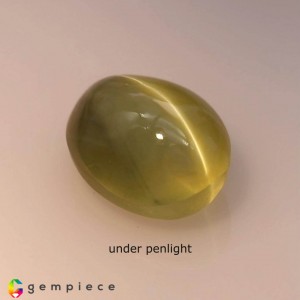
Explore a wider range of tourmaline varieties including green tourmaline (view green tourmaline collection), Paraiba tourmaline (view Paraiba tourmaline collection), pink tourmaline (view pink tourmaline collection), blue tourmaline (view blue tourmaline collection), bi-color tourmaline (view bi-color tourmaline collection), cat’s eye tourmaline (view cat’s eye tourmaline collection), and multi color tourmalines (view multi color tourmaline collections).