











Green Tourmaline Color, Composition and Sources
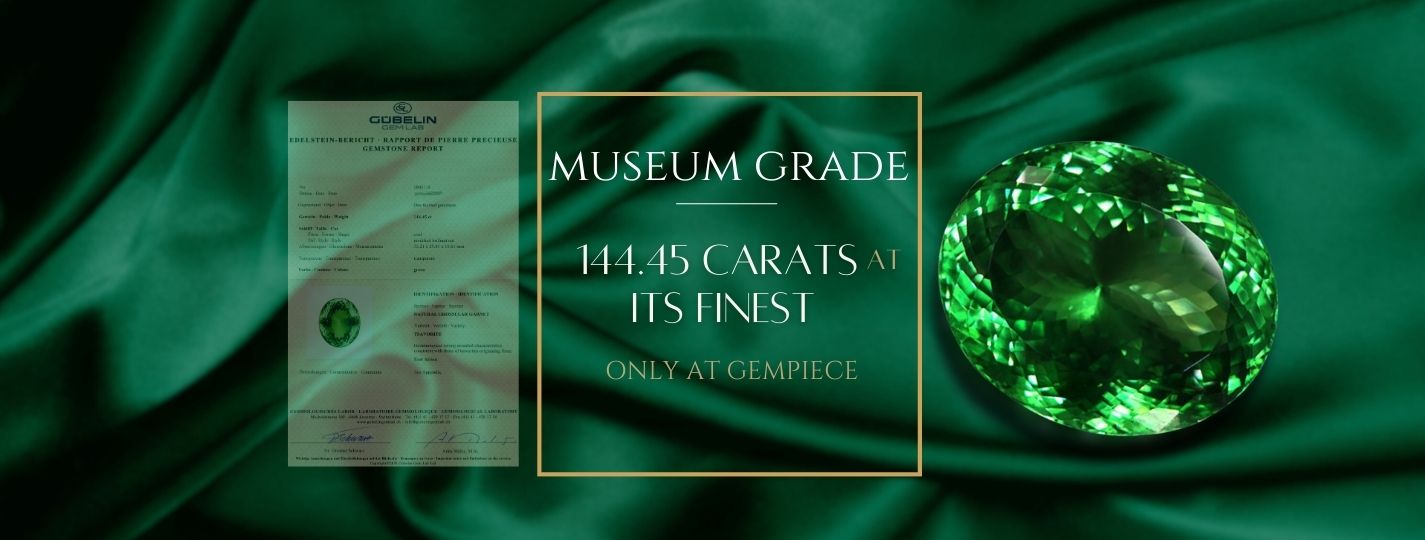
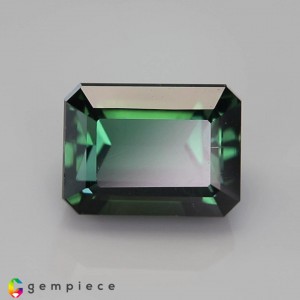
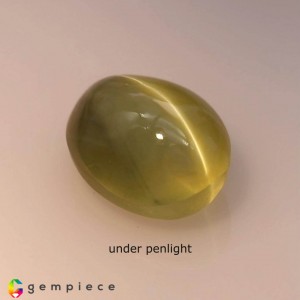
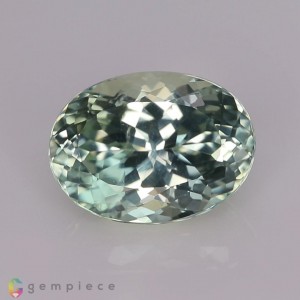
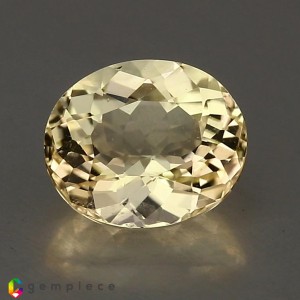
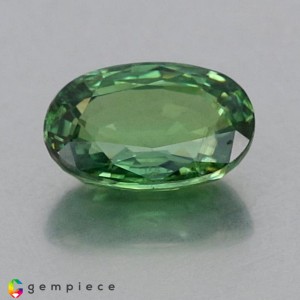
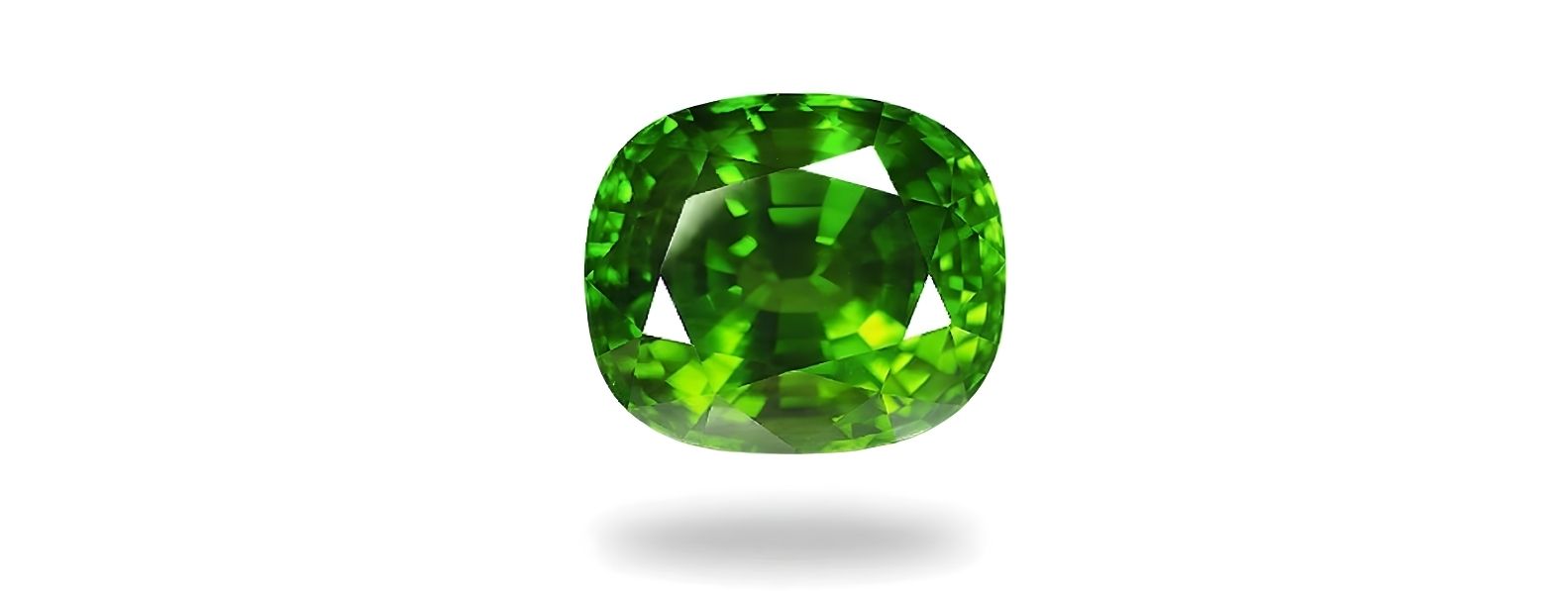
Green tourmaline, also known as verdelite, is one of the most diverse and widely appreciated varieties of tourmaline, displaying a remarkable range of green shades from soft mint and pastel tones to deep forest and vivid saturated greens.
Unlike many gemstones that are defined by a single color range, green tourmaline offers exceptional variation, making each stone unique in appearance and character. It is one of the few gemstones where a single color category can include a wide spectrum of tones, from light and fresh mint greens to deep and intense forest greens.
Understanding green tourmaline requires careful evaluation of color quality, origin, and clarity. Stones with well-balanced color, good transparency, and strong light return are generally considered more desirable in the market.
Green tourmaline is part of the broader tourmaline family, which includes a wide range of colors and varieties formed under different geological conditions.
Explore our green tourmaline collection to view available stones, or learn more about related varieties such as Paraiba tourmaline (view Paraiba tourmaline collection) and chrome tourmaline (view chrome tourmaline collection).
Chemical Composition and Basic Properties
Green tourmaline belongs to the complex borosilicate mineral group, with a general chemical structure that includes elements such as aluminum, boron, silicon, and oxygen. The green color is primarily influenced by trace elements such as iron, which is the most common coloring agent in standard green tourmaline.
Iron (Fe²⁺ and Fe³⁺) is the primary coloring agent in most green tourmalines, while chromium (Cr³⁺) and vanadium (V³⁺) can produce more intense and saturated green tones in certain varieties.
In some cases, additional elements like chromium or vanadium may be present, resulting in more intense and saturated green tones. However, most natural green tourmaline in the market is iron-bearing, which gives it a wide and natural range of green shades.
Tourmaline has a hardness of approximately 7 to 7.5 on the Mohs scale and is known for good durability, making it suitable for various types of jewelry.
Color Range and Visual Characteristics
Green tourmaline is unique for its wide spectrum of green shades, including mint green, baby green, leaf green, meadow green, forest green, and vivid green tones. This variation allows buyers to choose stones based on personal preference, design, and intended use.
The most desirable stones display bright and open color with strong light return. Stones that are overly dark or highly saturated may appear closed and less lively, reducing their overall visual appeal.
Color balance plays a crucial role in value. A well-balanced green with strong light return and clarity is always preferred over stones that lack brightness or appear dull.
Origins and Global Sources
Green tourmaline is mined in several regions worldwide, with most production coming from Africa, including Mozambique, Nigeria, Congo, and Madagascar. These African sources produce a wide range of material in different sizes and qualities.
Afghanistan is known for producing light mint green tourmalines with good clarity and attractive crystal formation, while Brazil produces balanced and well-colored material. Nigerian stones are often known for strong and vivid green tones, making them highly desirable.
Relation to Chrome and Paraiba Tourmaline
When chromium or vanadium is present in higher concentrations, green tourmaline may be classified as chrome tourmaline, which typically displays more intense and saturated green color. These stones may also show a red reaction under a Chelsea filter, which is a diagnostic feature.
If copper and manganese are present, the material may belong to the Paraiba tourmaline group, known for its neon blue to green glow. These are chemically distinct and significantly rarer compared to standard green tourmaline.
While all these varieties belong to the same tourmaline family, their color origin and market value differ significantly when compared to pink tourmaline and blue tourmaline.
Heating and Color Optimization
Some green tourmalines are heated under controlled conditions to improve color and brightness. Stones that appear slightly dark or muted can be enhanced to achieve a more open and visually attractive tone.
This process is stable and widely accepted in the gemstone industry. When properly performed, heating enhances appearance without affecting durability or long-term stability.
GemPiece Expertise and Processing
At GemPiece, green tourmaline is sourced as rough material from key regions including Africa and Afghanistan. Each piece is carefully evaluated based on its color potential, clarity, and internal structure before deciding the best approach for cutting.
Depending on the nature of the rough, some stones are cut directly without any heating, while others may undergo controlled heating to improve color openness and overall appearance. This decision is made individually for each stone based on experience and expected outcome.
All stones are cut in-house, allowing full control over proportions, brilliance, and final appearance. This hands-on approach ensures that each gemstone achieves its best possible visual result, whether it is a natural green tourmaline or a carefully processed stone prepared for fine jewelry.
Durability and Wearability
Green tourmaline has a hardness of approximately 7 to 7.5 on the Mohs scale, making it suitable for most types of jewelry including rings, pendants, and earrings.
However, due to its value and structure, proper setting and careful handling are recommended, especially for larger or high-value stones.
Birthstone and Significance
Tourmaline is recognized as one of the birthstones for October. Green tourmaline is often associated with balance, growth, and vitality, making it a meaningful gemstone for both personal use and gifting.
Related Tourmaline Varieties
Explore other tourmaline types including pink tourmaline (view pink tourmaline collection), blue tourmaline (view blue tourmaline collection), bi-color tourmaline (view bi-color tourmaline collection), and multi color tourmalines (view multi color tourmaline collections).