









Ruby Gemstone Guide – History, Value, Treatments & Buying Advice
Ruby is one of the most legendary and valuable gemstones in human history. Ranging in colour from light pinkish red to deep blood red, ruby is the red variety of the mineral corundum. Throughout history, it has been associated with power, protection, passion and wealth. In ancient India, ruby was known as the “King of Gemstones.”
Unlike many gemstones, fine rubies are rarer than diamonds of similar size. In some cultures, they are valued even above diamonds due to their rarity and rich colour. Today, ruby remains one of the most important precious gemstones in the world.
Explore our curated selection of natural ruby gemstones at Gempiece, individually photographed and recorded using macro video for complete transparency.
This guide is part of our Gemopedia gemstone encyclopedia, where you can explore detailed guides on gemstone quality, treatments and buying advice.
What Is Ruby?
Ruby is the red variety of corundum. When corundum appears in any other colour, it is classified as sapphire.
- Mineral Family: Corundum
- Hardness: 9 on Mohs scale
- Durability: Excellent for everyday jewelry
- Birthstone: July
- Anniversary Stone: 40th wedding anniversary
Its intense red colour comes primarily from the presence of chromium.
History & Royal Significance
Rubies have adorned royalty and warriors for centuries. They symbolized strength, vitality and divine protection. Many ancient rulers believed ruby could protect them in battle.
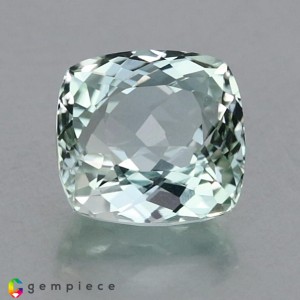
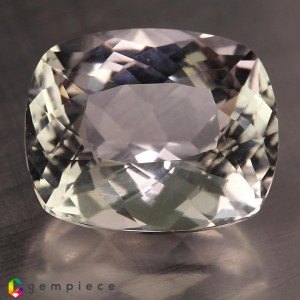
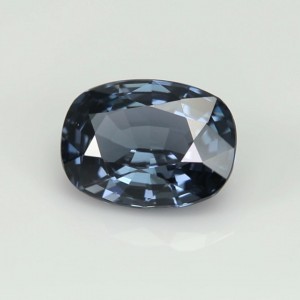
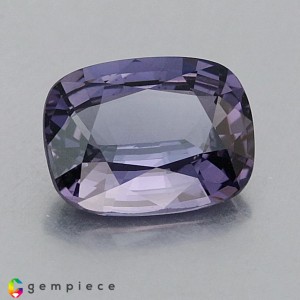
Interestingly, several famous historic “rubies” were later identified as spinel gemstones, highlighting how visually similar these two gemstones can be.
“The fiery glow of a fine ruby is like a beacon of light, drawing the eye and capturing the heart.” – Gemological Institute of America (GIA)
Major Ruby Sources
Important ruby-producing regions include:
- Myanmar (Burma) – Famous for vivid pigeon blood red rubies
- Mozambique – Major modern source of high-quality rubies
- Sri Lanka – Produces lighter pinkish-red stones
- Thailand – Known for darker red rubies
- Madagascar, Vietnam, Afghanistan, Tajikistan and Africa
Burmese rubies historically command premium value due to their intense colour and natural fluorescence.
Ruby Quality Factors (4Cs + Origin)
Color
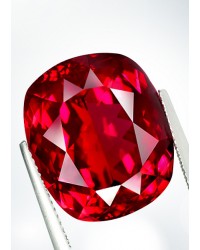
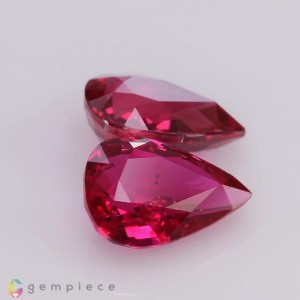
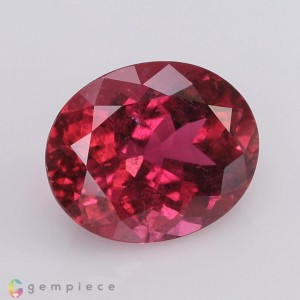
The most valuable rubies display vivid red to slightly purplish red. The finest colour is often referred to as pigeon blood red. The richer and more saturated the red, the higher the value.
Clarity
Natural inclusions are common in ruby. Completely clean rubies are extremely rare. Silk inclusions can sometimes produce the star effect (asterism) seen in star rubies.
Cut
A well-cut ruby maximizes brilliance and red reflections. Common shapes include oval, cushion, emerald, pear, round and marquise.
Carat Weight
Large rubies above 3–5 carats are extremely rare and increase significantly in price per carat.
Origin
Origin can influence value, especially Burmese rubies.
Ruby Treatments Explained (Important for Buyers)
Most rubies in the global market undergo heat treatment to enhance colour and clarity. This is a permanent and accepted industry practice.
However, not all treatments are equal:
- Heat Treatment – Standard and accepted.
- Beryllium Treatment – Alters colour; lower value than standard heated stones.
- Lead Glass Filling – Fills fractures with glass; low durability and low value.
Gempiece does not sell glass-filled rubies.
Untreated (unheated) rubies are extremely rare and highly valuable.
Ruby in Jewelry
Ruby is ideal for rings, earrings, necklaces and bracelets due to its durability. It pairs beautifully with diamonds, gold, platinum and even emeralds.
Metaphysical & Symbolic Beliefs
Ruby has long been associated with vitality, courage and prosperity. It is believed to activate the Root Chakra, promoting grounding and confidence.
- Symbol of passion and love
- Believed to attract success and wealth
- Associated with solar energy and vitality
- Believed to strengthen emotional balance
Who Can Wear Ruby?
Traditionally associated with Leo, Aries and Sagittarius, ruby is believed to enhance leadership and confidence. However, anyone attracted to ruby’s beauty can wear it.
Which Finger to Wear Ruby
- Ring finger – passion and love
- Index finger – prosperity and growth
- Little finger – communication
- Middle finger – emotional balance
In Vedic astrology, ruby is commonly worn on the ring finger of the right hand.
Ruby Care Guide
Ruby ranks 9 on the Mohs scale and is highly durable, but proper care is essential:
- Avoid harsh chemicals
- Clean with warm water and mild soap
- Store separately from softer gemstones
Why Buy Ruby from Gempiece?
- Natural gemstones only
- No glass-filled rubies
- Transparent treatment disclosure
- Expert consultation available
- Competitive pricing without compromising quality
- Over 20 years of gemstone industry experience
Explore Natural Ruby Gemstones
If you are looking to buy ruby gemstones online, browse our carefully curated collection of loose rubies available in various colours, sizes and qualities.