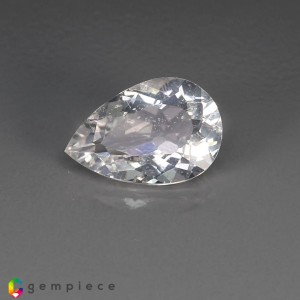
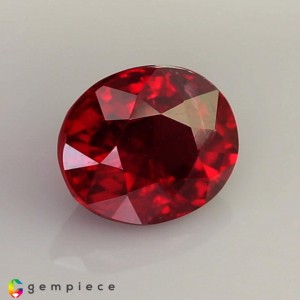
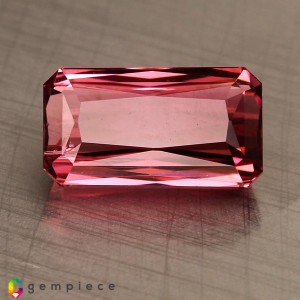
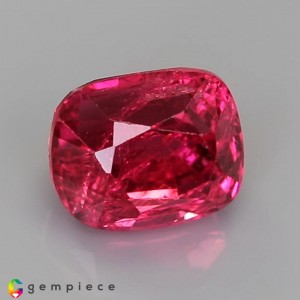
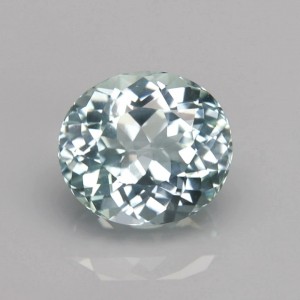

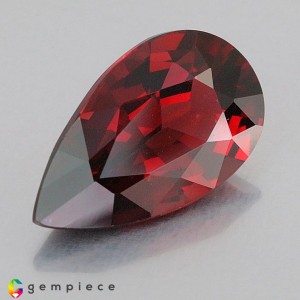
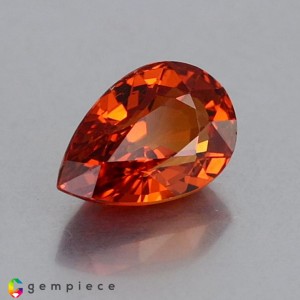

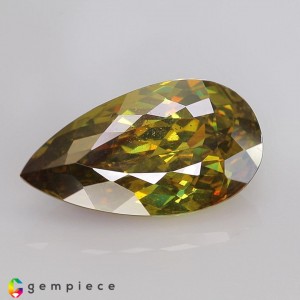
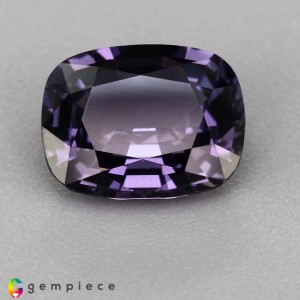
Buy Natural Amblygonite Gemstones Online
Amblygonite is among the most quietly extraordinary gemstones available to serious collectors, a rare lithium phosphate mineral that most of the world's jewelry buyers have never encountered, yet one that rewards those who do find it with a combination of genuine geological rarity, exceptional natural transparency, and a softly luminous pastel beauty that no more familiar gem can replicate. The name comes from the Greek for blunt angle, a reference to the distinctive oblique cleavage planes that define the mineral's crystal character, and amblygonite earns that name at every stage: from the challenging work of the lapidary who must navigate those cleavages to produce a clean faceted stone, to the collector who understands that acquiring one represents a genuine achievement in rare gem sourcing. Sourced primarily from the pegmatite districts of Minas Gerais, Brazil, with important material from the USA, Namibia, Pakistan, and historically documented localities across Europe and Australia, amblygonite at GemPiece is 100% natural, untreated, and individually disclosed, bringing one of the gem world's true rarities directly to buyers who know the difference between collecting by name recognition and collecting by knowledge.
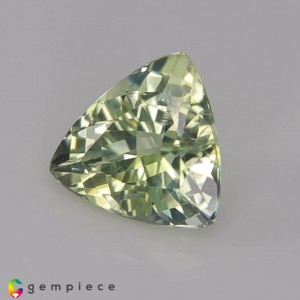
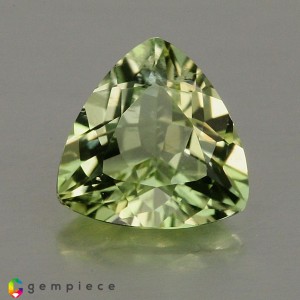
What distinguishes amblygonite most immediately from other pale collector gems is the quality of its light. Faceted amblygonite glows. The combination of high transparency, a refractive index meaningfully higher than its hardness class would suggest, and the soft interplay between vitreous and resinous luster on the stone's polished faces produces a warm inner luminosity that photographers, jewelers, and collectors consistently describe as unlike anything else in the pastel gem spectrum. It is not the high-contrast flash of a zircon or a white sapphire. It is softer, more intimate, more like a beam of late afternoon light held inside a pale yellow or green crystal. This is precisely the aesthetic that a certain kind of collector, one who has moved beyond spectacle and into subtlety, finds irresistible. Amblygonite belongs to the amblygonite-montebrasite solid-solution series alongside its companion mineral montebrasite, which shares the same geological settings, physical properties, and collector identity with a slightly different chemical composition. GemPiece is one of the very few commercial sources that lists both minerals separately with accurate identification. See our montebrasite collection and montebrasite guide for the companion variety.
Read our complete amblygonite gemstone guide for the full scientific and collector picture, covering mineralogy, color mechanisms, geological sources, gemological property data, identification against similar gems, and value factors. Explore other rare gemstones at GemPiece for further collector-grade minerals of comparable rarity and distinction.
Why Choose Amblygonite?
Amblygonite is not a gemstone for every buyer, and that is precisely the point. For the collector who has already worked through the well-known species and is looking for what comes next, amblygonite offers something that fame-driven gemstones simply cannot: the combination of genuine scarcity in facetable quality, a color and optical character that belong entirely to itself, and a scientific story as one of Earth's primary lithium minerals that connects the stone directly to the most strategically important element of twenty-first-century energy technology. Owning a fine faceted amblygonite in a protective setting is a statement not of wealth but of knowledge. It says the owner has gone looking beyond the expected, found something real, and understood what they found. GemPiece offers amblygonite in both rough and faceted forms, with certification available on request, and with the hands-on sourcing expertise that comes from working directly with this material across multiple Brazilian production runs and international acquisitions.
Color Range and Appearance: What to Expect
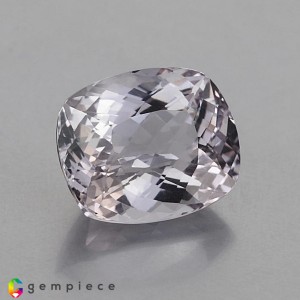
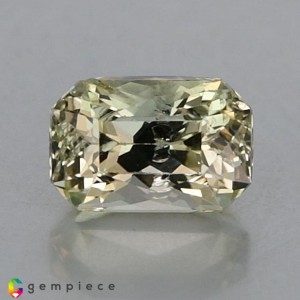
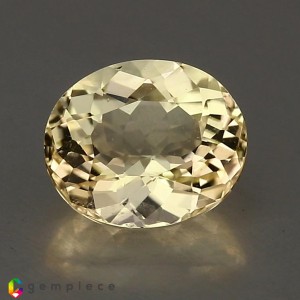
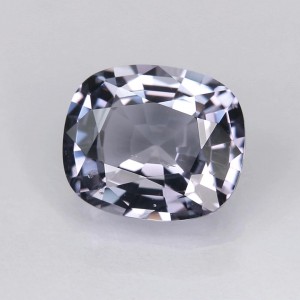
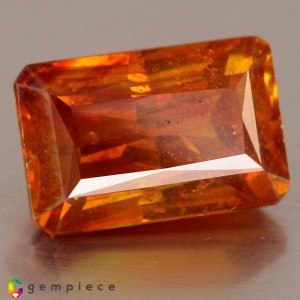
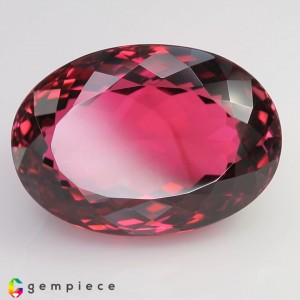
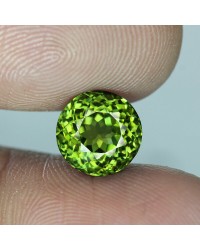
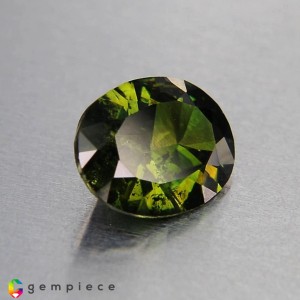
The color palette of gem-quality amblygonite is defined by softness and subtlety. This is not a gem of bold, saturated color but of the kind of delicate, luminous pastels that photograph like natural light and wear like quiet confidence. The most commercially available and widely appreciated color is pale yellow to yellowish-green, a warm, clean tone produced by trace iron within the crystal lattice that gives the stone an almost honeyed quality in natural daylight and a soft warmth under incandescent light. Material in this color range forms the core of GemPiece's amblygonite offering and represents the variety that most collectors encounter first.
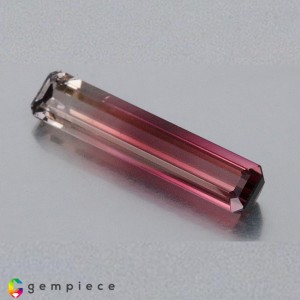
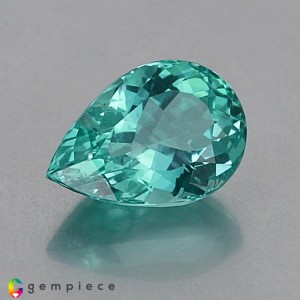
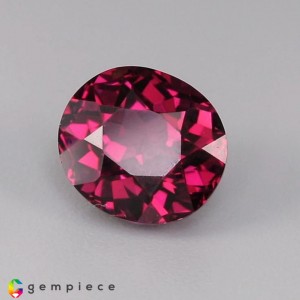
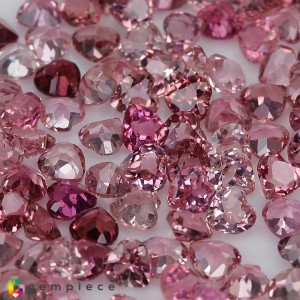
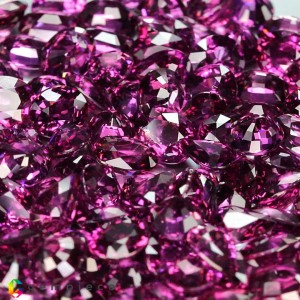
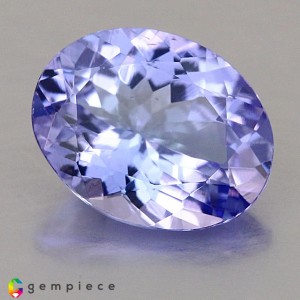
Near-colorless and very light green amblygonite is also available from Brazilian and American sources, particularly Maine, USA, and appeals to collectors and designers who want the gem's distinctive luster and transparency in a neutral tone that works like a sophisticated alternative to white topaz or colorless beryl. At the rarer end of the spectrum, pale pink and faint lilac amblygonite, produced by trace manganese within the lattice, are genuine collector rarities that command premium pricing when found in clean, well-faceted material. The rarest color discovery in recent gemological history for this species is pale blue, formally documented by GIA researchers in 2023 from the Buranga pegmatite in Rwanda. The blue color is produced by scorzalite inclusions within a near-pure montebrasite host, a scientifically extraordinary color mechanism that makes the Rwanda material among the most unusual collector gems identified anywhere in the world in the last decade.
Across all color variants, faceted amblygonite is typically transparent to near-transparent with eye-clean to near-eye-clean clarity in commercial-grade material. Natural inclusions including liquid inclusions and parallel haze bands along cleavage planes may be present and are characteristic of the species. They do not diminish the stone's identity but should be assessed individually in each stone, which GemPiece does as standard practice.
Amblygonite vs. Montebrasite: Knowing What You Are Buying
One of the most practically important things any amblygonite buyer should understand is the relationship between amblygonite and its companion mineral montebrasite, because the gem trade has historically handled this relationship with less precision than collectors deserve. Both minerals belong to the same solid-solution series, differing only in whether fluorine or hydroxyl dominates the same structural site in the crystal. Amblygonite is the fluorine-rich endmember; montebrasite is the hydroxyl-rich endmember. In most practical settings they are visually identical and can only be properly distinguished by Raman spectroscopy or chemical analysis, which the trade almost never performs. The result is that a significant proportion of stones sold as amblygonite are actually compositionally closer to montebrasite, and GIA researchers alongside mineralogists at Mindat.org have documented this explicitly.
GemPiece's approach is different. We identify and list both minerals separately where our sourcing and identification work supports it, and we apply the practical color-based distinction, with amblygonite tending toward warmer yellow tones and montebrasite toward cooler greenish and colorless tones, as a working guide while acknowledging it is an approximation. For buyers who want to understand the full picture of both minerals, comparing our amblygonite collection with our montebrasite collection side by side, supported by both the amblygonite guide and the montebrasite guide, gives the most complete and accurate picture available from any commercial source.
Amblygonite in Jewelry: Settings That Do the Stone Justice
Working with amblygonite in jewelry requires the same informed, protective approach that the stone demands from its lapidary, and the jewelers and collectors who understand this produce pieces of remarkable distinction. The gem's Mohs hardness of 5.5–6 and its multiple perfect cleavage directions mean that open-prong settings exposing the stone to impact, and daily-wear ring applications that generate repeated abrasion, are genuinely unsuitable. This is not a weakness to apologize for. It is the nature of the stone, and designing around it produces jewelry that is more thoughtfully constructed than most mainstream pieces.
Bezel settings, where a continuous metal collar wraps the full perimeter of the stone, are the ideal protective application for amblygonite in rings and pendants, eliminating the impact exposure that prong settings create. Flush settings and closed-back settings serve the same protective function in earrings and brooch applications. Pendants are the single most practical amblygonite jewelry form, providing full display of the stone's color and transparency with minimal mechanical risk. Drop earrings in protective settings are equally excellent. The stone moves freely and catches light beautifully without contact risk. For collectors who wear amblygonite rings, deep bezel settings on stones reserved for special occasions rather than daily wear are the appropriate approach.
In terms of metal pairing, amblygonite's warm pale yellow material is at its most harmonious in yellow gold settings, which amplify the stone's warmth and give the combination a rich, vintage character. Near-colorless and light green material works beautifully in white gold and platinum settings, where the cool metal tones enhance the stone's clarity and subtle color. Rose gold provides a warm, contemporary pairing for any amblygonite color variant and has become a particularly popular choice among collectors commissioning bespoke amblygonite pendants.
Amblygonite as a Lithium Mineral: A Gem With a Bigger Story
Very few gemstones carry a story that extends beyond the jewelry box and into the laboratories, battery factories, and electric vehicle production lines of the modern economy, but amblygonite is one of them. As one of the world's primary lithium-bearing minerals, recognized alongside spodumene and lepidolite by the American Chemical Society as a major lithium ore of economic importance, amblygonite is a direct geological connection to the lithium that powers rechargeable batteries in smartphones, laptops, electric vehicles, and grid-scale energy storage systems worldwide. The strategic race to secure lithium resources, driving major mining investment from South America to Africa to Australia, centers precisely on the same LCT pegmatite environments that produce gem-quality amblygonite crystals.
For the collector who values contextual significance alongside beauty, this dual identity is genuinely compelling. A fine faceted amblygonite is simultaneously a rare and beautiful gemstone, a mineralogical specimen of a strategically critical earth resource, and a physical link to one of the most consequential geological story lines of the twenty-first century. No other collector gem occupies this specific intersection of aesthetic beauty and contemporary scientific relevance.
Sources and Origin: Where GemPiece Sources Amblygonite
Brazil, and specifically the complex LCT pegmatite districts of Minas Gerais, is the foundation of GemPiece's amblygonite supply, providing the widest color range, the largest available crystal sizes, and the most consistent supply of facetable material that reaches the international market. Our hands-on experience working with Brazilian amblygonite from rough selection through finished faceted stones gives us a direct understanding of how individual crystals behave under cutting, which is essential knowledge for a mineral where cleavage risk makes lapidary assessment critical to stone quality.
Beyond Brazil, historically and scientifically significant amblygonite material originates from Oxford County, Maine, USA, where the Newry and Nevel Quarry localities produce transparent colorless to pale yellow gems from some of North America's finest LCT pegmatites; South Dakota's Black Hills; Namibia; Sweden; Australia's Greenbushes district in Western Australia; Pakistan's Gilgit-Baltistan region; Germany's Ehrenfriedersdorf district in Saxony, the original locality where the species was first scientifically described in 1817; and France's Montebras district in Creuse, the type locality for the companion mineral montebrasite. The Buranga pegmatite near Gatumba, Rwanda, source of the extraordinary blue material confirmed by GIA in 2023, has most recently joined this list as a source of exceptional collector significance. Each origin brings its own geological character, provenance premium, and rarity profile to the collector market.
Treatment Disclosure and Certification
All amblygonite at GemPiece is 100% natural and entirely untreated. No heat treatment, irradiation, fracture filling, surface coating, or any other form of artificial enhancement is applied to any stone in the collection. The color and clarity of every amblygonite are wholly the product of natural geological formation in the pegmatite environments described above, with no laboratory intervention of any kind. This natural status is confirmed and individually disclosed on every stone. Certification from an independent gemological laboratory can be arranged on request for buyers who require formal written documentation of natural status and origin. Contact GemPiece with your stone details to discuss available certification options.
Durability and Care at a Glance
Amblygonite has a Mohs hardness of 5.5–6 and perfect cleavage in multiple directions. These properties require specific care practices that differ from harder, cleavage-free gemstones. Never clean amblygonite with ultrasonic or steam cleaners. Ultrasonic vibration transmits directly into cleavage planes and can cause internal fracturing, while steam pressure and thermal shock exploit existing fractures and cleavage boundaries. Clean exclusively with warm water, a small amount of mild soap, and a very soft brush used with light pressure. Rinse gently and dry with a soft lint-free cloth. Store amblygonite in individual padded compartments, always separated from harder gemstones. Even common quartz at Mohs 7 will scratch the surface of amblygonite under abrasion. Avoid dropping or striking the stone. In jewelry, use protective bezel or flush settings and reserve amblygonite pieces for occasions where impact risk is low. See our complete amblygonite gemstone guide for the full care and durability section.
Frequently Asked Questions — Amblygonite
What is amblygonite?
Amblygonite is a rare lithium aluminum fluorophosphate mineral (LiAlPO₄F) that produces facetable gem-quality crystals in pale yellow, greenish-yellow, near-colorless, very light green, and, rarely, pale blue, pink, and lilac. It forms in lithium- and phosphate-rich granite pegmatites worldwide and is prized by serious collectors for its extraordinary rarity in facetable quality, distinctive soft luminous luster, and exceptional transparency. It is part of the amblygonite-montebrasite solid-solution series, with montebrasite as its hydroxyl-rich companion mineral.
How rare is amblygonite as a gemstone?
As a mineral, amblygonite is relatively widespread in lithium-rich pegmatites globally. As a facetable, gem-quality gemstone, transparent, clean, well-colored, and of sufficient size for cutting, it is genuinely rare and essentially unknown to mainstream jewelry consumers. It is a specialist collector gem encountered almost exclusively in the collections of serious gem enthusiasts, rare mineral dealers, and museums of natural history.
What colors does amblygonite come in?
Pale yellow and yellowish-green are the most commercially available colors. Near-colorless and very light green material is also found, particularly from Brazilian and American sources. In rare occurrences: pale blue (documented from Rwanda's Buranga pegmatite by GIA researchers in 2023), pale pink, and faint lilac. Each color variant is determined by specific trace element conditions in the host pegmatite.
Does amblygonite have good brilliance?
Yes. Well-cut amblygonite displays excellent brilliance and light reflection, with a refractive index of 1.578–1.611 that is notably higher than most comparable-hardness collector minerals. The characteristic luster is soft, vitreous to resinous, producing a warm, luminous inner glow rather than high-contrast flash. This is the defining optical quality of fine amblygonite and the characteristic that collectors most often describe as unlike any other pastel gem.
What is the difference between amblygonite and montebrasite?
Amblygonite (LiAlPO₄F) is the fluorine-rich endmember and montebrasite (LiAlPO₄OH) is the hydroxyl-rich endmember of the same mineral series. They are virtually indistinguishable without Raman spectroscopy or chemical analysis. As a practical guide, amblygonite tends toward warmer yellow tones while montebrasite tends toward cooler greenish and colorless tones, though this is an approximation. GemPiece lists both separately for gemological accuracy. See our montebrasite guide for the full comparison.
Is amblygonite suitable for jewelry?
Yes, with appropriate protective settings. Mohs hardness 5.5–6 and perfect cleavage in multiple directions make amblygonite best suited for pendants, drop earrings, brooches, and bezel or flush settings where the stone is protected from direct impact and daily abrasion. It is not recommended for everyday open-prong ring settings. In protective applications, amblygonite produces extraordinary collector jewelry of a rarity and distinction that no mainstream gem can match.
Where is amblygonite found?
Primary commercial source: Minas Gerais, Brazil. Other important localities include Oxford County, Maine (USA); the Black Hills of South Dakota (USA); Namibia; Sweden; Greenbushes, Western Australia; Gilgit-Baltistan, Pakistan; Ehrenfriedersdorf, Saxony, Germany (original type locality, 1817); Montebras, Creuse, France (type locality for companion mineral montebrasite); and the Buranga pegmatite near Gatumba, Rwanda (source of rare blue material, GIA 2023).
Is amblygonite treated or enhanced in any way?
No. All amblygonite at GemPiece is entirely natural and untreated. No heat treatment, irradiation, filling, surface coating, or any other form of enhancement is applied. Color and clarity are wholly the product of natural geological formation. Treatment status is individually confirmed and disclosed on every stone in the collection.
What makes amblygonite valuable to collectors?
Amblygonite's collector value rests on genuine rarity in facetable quality, a distinctive soft luminous pastel beauty unlike any mainstream gem, extraordinary transparency relative to its hardness class, scientific identity as a primary lithium mineral of economic and strategic importance, and the specific satisfaction of owning a correctly identified stone that the vast majority of even experienced gem buyers have never seen. It is a gem for collectors who value knowledge over name recognition.
Can amblygonite be certified?
Yes. Laboratory certification can be arranged on request, providing independent written confirmation of natural status and origin. Contact GemPiece with your stone details to discuss available certification options and laboratory choices.
How do I care for amblygonite?
Clean only with warm water, mild soap, and a very soft brush. Never use ultrasonic or steam cleaners. Store in individual padded compartments, separated from all harder gemstones including quartz. Avoid impact and temperature shock. In jewelry, use protective bezel or flush settings in low-impact applications only.
Clear ✖