

Clear ✖
Explore Premium Apatite Gemstone Collection
Total Products : 359


SKU: GEM26074127
1.63 carats paraiba blue green natural apatite oval 8x7 mm madagascar..
$48.00


SKU: GEM26074119
2.24 carats paraiba blue green natural apatite pair antique cushion 6x6 mm madagascar..
$79.00
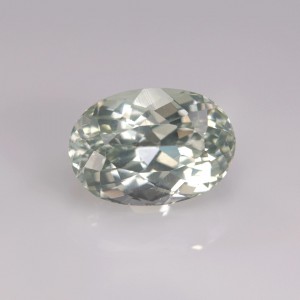
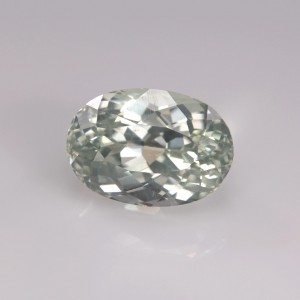
SKU: GEM26074113
5.42 carats very light baby green natural apatite oval 12x9 mm madagascar..
$59.00
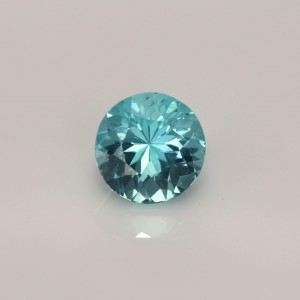
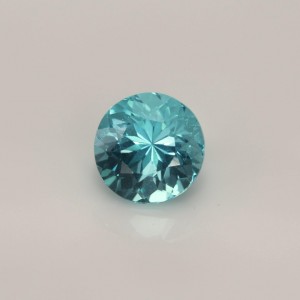
SKU: GEM26064096
The beautiful Paraiba Blue Green color gives this gemstone an eye-catching appearance, complemented by a bright brilliance and a well-executed round cut. It is an excellent example of fine material offered at an exceptional value.Weighing 1.87 carats and measuring 7.20 x 6.14 mm, this round-cut gems..
$59.00
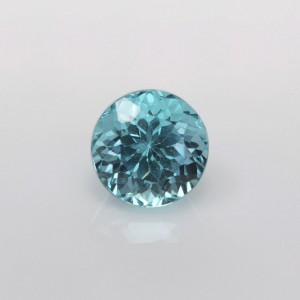
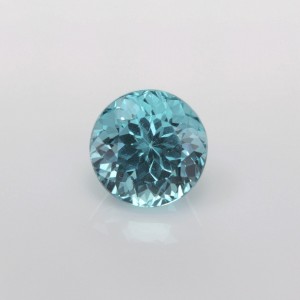
SKU: GEM26024087
Designers appreciate this Apatite because the Paraiba Blue Green holds steady across different layouts. This stone works naturally in jewelry designed for regular wear. At 1.87 carats, this Apatite cut in Round presents Paraiba Blue Green, originating from Madagascar, offered as single, with a polis..
$48.00
SKU: GEM26014073
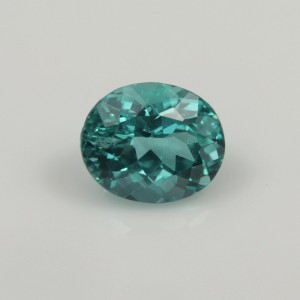
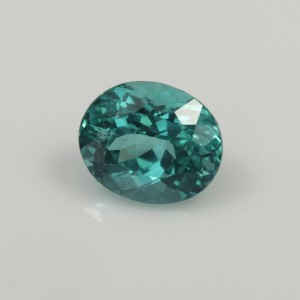
This Apatite is cut with enough precision to keep the Paraiba Blue Green visible even in simpler jewelry settings. The color is steady, the cutting is clean, and the stone is well suited for everyday jewelry. Shaped in Oval, this Apatite of 1.96 carats reveals Paraiba Blue Green with VS clarity, wit..
$65.00
SKU: GEM26014066
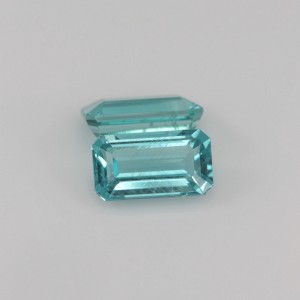
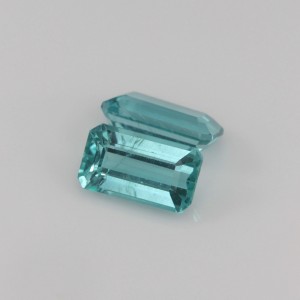
This Apatite reflects a Paraiba Blue Green color with even distribution and visual richness. Its balanced color and clarity support regular wear. Appreciated by international buyers for its natural beauty and appeal. A carefully cut Emerald Cut Apatite weighing 3.82 carats shows a Paraiba Blue Green..
$54.00
SKU: GEM25124039
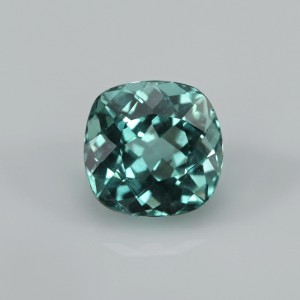
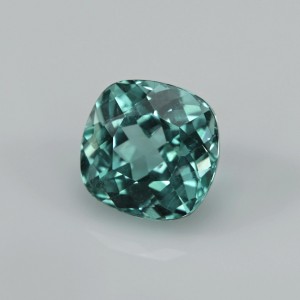
With a Paraiba Blue Green hue, this Apatite shows an even color spread with a natural appearance. Durability and stable color make it reliable for frequent use. Valued by jewelers across different regions, this gemstone is suitable for various jewelry styles. This 2.10 carat Apatite in Antique Cushi..
$76.00
SKU: GEM25114020
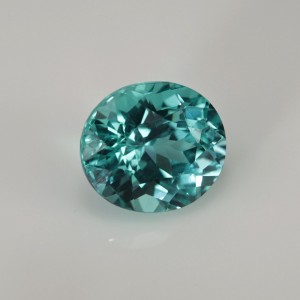
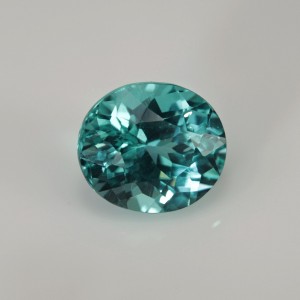
This natural Apatite features a Paraiba Blue Green color with even distribution and refined depth. Its natural beauty makes it a good choice for regular use. Valued by jewelers across different regions, this gemstone is suitable for various jewelry styles. With 1.69 carats and a Oval cut, this Apati..
$48.00


SKU: GEM25114010
This Apatite presents a Very Light Purple color with strong depth and clear definition. Its natural formation ensures consistent quality across the stone. A globally recognized gemstone with steady presence in the jewelry industry. A 5.69 carat Cushion Apatite displays a Very Light Purple tone with ..
$65.00
SKU: GEM25114004
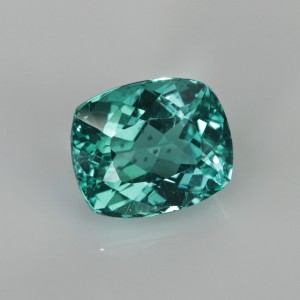
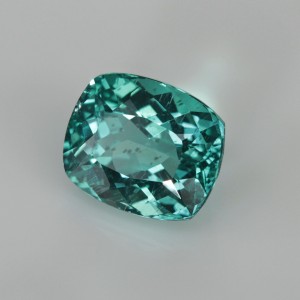
This Apatite reveals a Paraiba Blue Green color with a lively and eye-catching presence. Its blend of color and accessible pricing makes it a versatile choice for everyday wear. Appreciated worldwide by collectors and jewelry designers. This Apatite gemstone weighs 2.24 carats and features a Cushion..
$54.00

SKU: GEM25113992
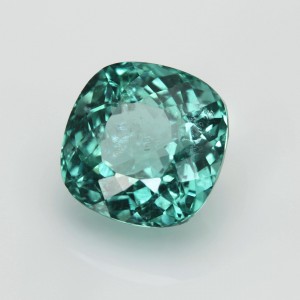
This Apatite gemstone shows a Paraiba Blue Green color well suited for fine jewelry. A dependable gemstone option for those seeking accessible quality. Used globally in jewelry, reflecting its broad demand. At 3.89 carats, this Antique Cushion cut Apatite presents a Paraiba Blue Green tone with clar..
$65.00