

Buy Natural Topaz Gemstones Online
Topaz is one of the most versatile and widely recognized gemstones in the world, valued across a broad spectrum — from the affordable brilliance of blue and white topaz to the genuine rarity and collector significance of imperial topaz. With a hardness of 8 on the Mohs scale, strong clarity, and an impressive range of natural and treated colors, topaz holds a unique position in both the commercial jewelry market and the serious collector space.
Read our detailed topaz gemstone guide or explore our natural topaz gemstone collection, featuring carefully selected stones across all major varieties with full treatment disclosure on every stone.
Varieties and Color Range
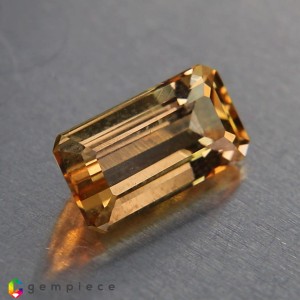
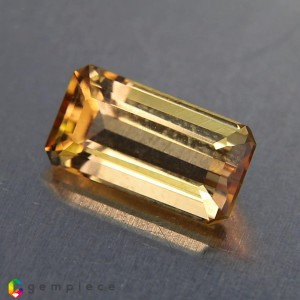
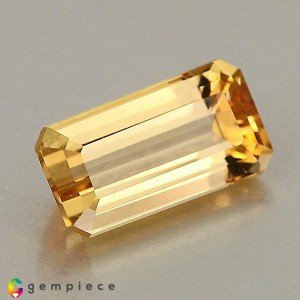
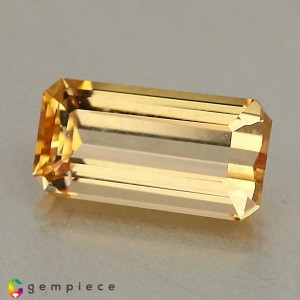
Topaz occurs in a remarkable range of colors. Colorless (white) topaz is the most abundant natural form. Imperial topaz — in golden orange, reddish-orange, champagne, pink, and rare red — is the most valuable and collectible variety. Blue topaz, available in sky blue, Swiss blue, and London blue intensities, is the most commercially popular variety in the global market. Natural yellow, golden, and sherry topaz also occur and are valued for their warm, attractive tones.
Natural pink and red topaz are exceptionally rare and command significant premiums when found in untreated form. Most commercial pink topaz on the market is coated colorless topaz — visually appealing but not permanent, as the coating wears over time.
Imperial Topaz — The Collector's Variety
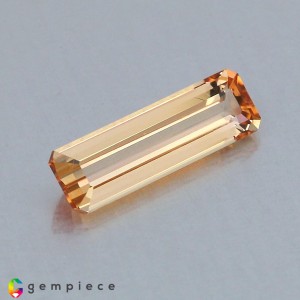
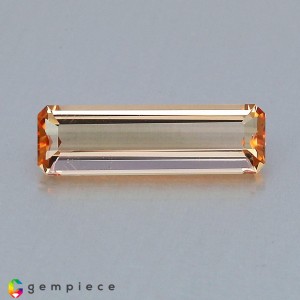
Imperial topaz is the rarest and most valuable variety of topaz, distinguished by its vivid golden-orange to reddish-orange color, sometimes with pink or champagne tones. The finest imperial topaz comes almost exclusively from the Ouro Preto region of Minas Gerais, Brazil, which has been the primary source of collector-grade material for over a century.
Unlike blue topaz, imperial topaz is generally valued for its natural, untreated color. Stones displaying a strong reddish or pink component are the most desirable and command the highest prices in the market. Some imperial topaz does undergo heat treatment to enhance or shift color, but untreated material with vivid natural saturation is considered the most collectible. Some large imperial topaz specimens have also been sourced from African deposits, producing beautiful material in significant sizes.
Imperial topaz value increases dramatically with size. Fine reddish-orange material above five carats is genuinely scarce, and top-quality stones can command prices well in excess of a thousand dollars per carat — a price range that surprises many buyers who associate topaz with affordable gemstones.
Blue Topaz — Treatment and Safety Awareness
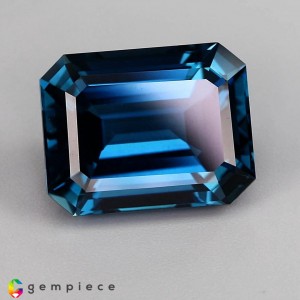
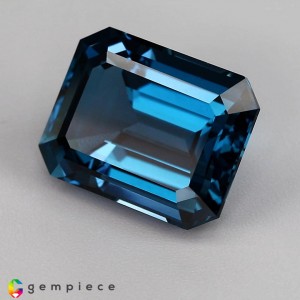
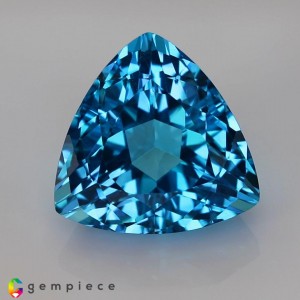
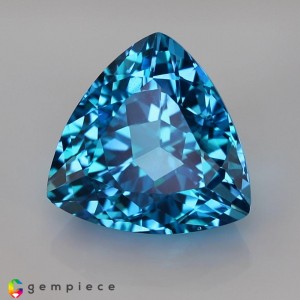
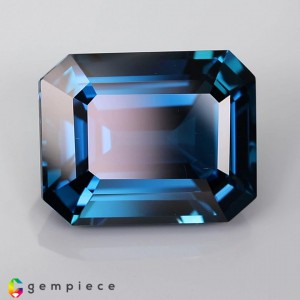
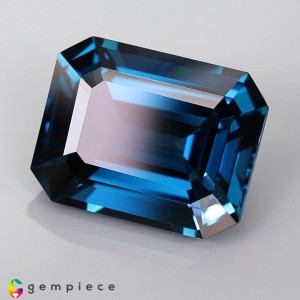
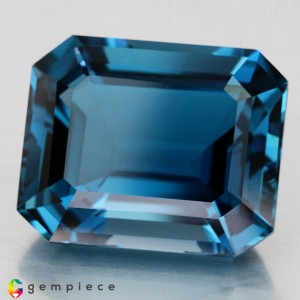
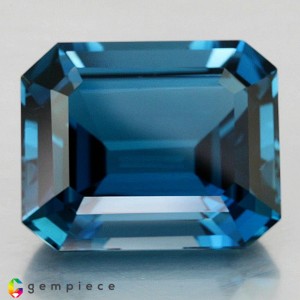
Blue topaz is the most commercially popular variety and is available across three recognized intensity levels. Sky blue is the lightest tone — soft and pastel. Swiss blue is a vivid, bright medium blue with strong visual impact. London blue is the deepest and most saturated — a rich, dark blue with a slightly steely or inky character.
Virtually all blue topaz in the market is treated. The natural rough is typically colorless or very pale ice blue, and the vivid blue colors are achieved through a combination of irradiation and heat treatment. This treatment is stable and permanent, and the practice is universally accepted in the gem trade.
However, there is a critical safety consideration that buyers should be aware of. After irradiation, blue topaz requires a minimum cooling period of six months before it is safe for handling and wear. This cooling period allows residual radiation levels to diminish to safe thresholds. In the current market, some suppliers significantly shorten this cooling period — to as little as a few weeks or one to two months — to speed up production and reduce costs. Material released prematurely can pose a health risk to the wearer through prolonged skin contact.
At GemPiece, we source blue topaz exclusively from trusted, verified suppliers who observe the full six-month cooling period after irradiation. We do not sell commercial-grade blue topaz from sources where the cooling time is shortened or unverified. Buyer safety is a non-negotiable standard in every stone we offer.
White (Colorless) Topaz
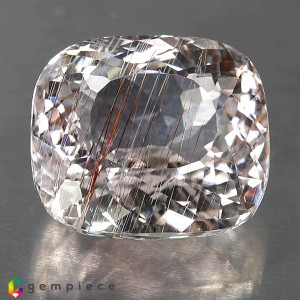
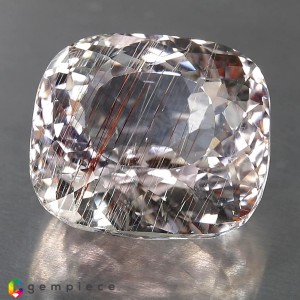
Colorless topaz, commonly known as white topaz, is the most abundant natural form of topaz. It offers strong clarity and good brilliance, making it a popular and affordable alternative to diamond in jewelry. White topaz is naturally occurring and does not require treatment.
Clarity and Crystal Quality
Topaz is generally an eye-clean gemstone. Unlike many colored gemstone species where inclusions are expected and accepted, topaz typically occurs with excellent transparency and minimal visible inclusions. Visible flaws in topaz reduce its value. This clean, transparent quality is a natural characteristic of the mineral across all color varieties, making well-cut topaz particularly brilliant and visually striking.
Size and Availability
Topaz is available across an exceptionally wide size range. Blue and white topaz are readily available from small calibrated stones to very large specimens. Topaz crystals are naturally elongated, which is why pear, oval, and emerald cuts are commonly used to maximize yield from the rough. Imperial topaz in fine color is available in smaller sizes but becomes genuinely scarce above five carats in collector-grade quality.
Origin and Sources
Brazil is the world's most important source of topaz, particularly for imperial topaz from the Ouro Preto region of Minas Gerais. Brazil also produces significant quantities of colorless and treatable rough for the blue topaz market. Other sources include Sri Lanka, Nigeria, Pakistan (known for fine pink topaz from Katlang), Russia, and various African localities. African sources have produced beautiful large-sized topaz material in recent years.
Hardness, Durability and Cleavage
Topaz measures 8 on the Mohs hardness scale, making it one of the harder gemstones available and well suited for most jewelry applications. However, topaz has perfect basal cleavage — meaning it can split along a single plane if subjected to a sharp, direct impact. This is the one vulnerability in an otherwise highly durable gemstone. Protective settings are recommended for ring use, and care should be taken to avoid sharp blows during wear.
Value and Buying Considerations
The value of topaz varies enormously by variety. Blue topaz and white topaz are affordable and widely available. Imperial topaz — particularly in vivid reddish-orange and pink — is significantly more valuable, with top-quality material commanding strong prices per carat. Natural untreated pink and red topaz are the rarest and most expensive forms. When purchasing blue topaz, always confirm the source observes proper radiation safety protocols. When purchasing imperial topaz, untreated material with vivid natural color commands the highest premiums.
GemPiece sources topaz directly from trusted origins, ensures full safety compliance for treated material, and provides complete treatment disclosure for every stone.
Explore Related Lustrous Gemstones
Explore other gemstones with similar color appeal including citrine (view collection), aquamarine (view collection), and spinel (view collection).
Frequently Asked Questions
What is the most valuable type of topaz?
Imperial topaz in vivid reddish-orange and natural pink is the most valuable variety. Natural untreated red topaz is the rarest of all and commands the highest prices per carat.
Is blue topaz natural?
Natural blue topaz exists but is extremely pale and rare. Virtually all vivid blue topaz in the market — sky blue, Swiss blue, and London blue — is produced through irradiation and heat treatment of colorless topaz. This treatment is permanent and universally accepted in the trade.
Is irradiated blue topaz safe to wear?
Yes, provided the proper cooling period of at least six months has been observed after irradiation. Some market sources shorten this period, which can pose a health risk. At GemPiece, all blue topaz is sourced exclusively from suppliers who observe the full six-month cooling period.
Where does imperial topaz come from?
The finest imperial topaz comes from the Ouro Preto region of Minas Gerais, Brazil. This has been the primary source of collector-grade imperial topaz for over a century. Some material also comes from African sources and Pakistan.
Is topaz suitable for everyday jewelry?
Yes. Topaz has a hardness of 8 on the Mohs scale, making it suitable for most jewelry types. However, topaz has perfect basal cleavage, so protective settings are recommended for rings to prevent damage from sharp impacts.
What is the difference between sky blue, Swiss blue, and London blue topaz?
Sky blue is the lightest and most pastel tone. Swiss blue is a vivid, bright medium blue. London blue is the deepest and most saturated, with a rich, slightly steely character. All three are produced through irradiation and heat treatment of colorless topaz.
Does GemPiece sell safe blue topaz?
Yes. All blue topaz at GemPiece is sourced from verified suppliers who observe the full six-month cooling period after irradiation. We do not sell commercial-grade material from sources where the cooling time is shortened or unverified.
Is white topaz a good diamond alternative?
White topaz offers good clarity and brilliance at a fraction of the cost of diamond. It is a popular choice for budget-friendly jewelry, though it does not match diamond in hardness or fire.
Clear ✖