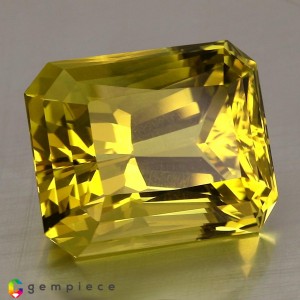
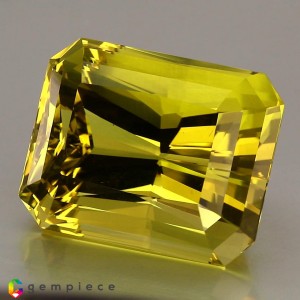
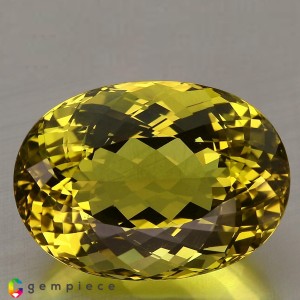
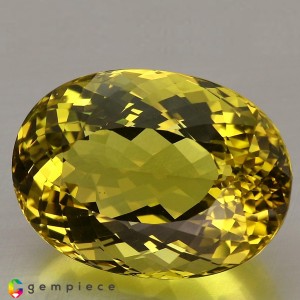
Buy Natural Prasiolite (Green Quartz) Online
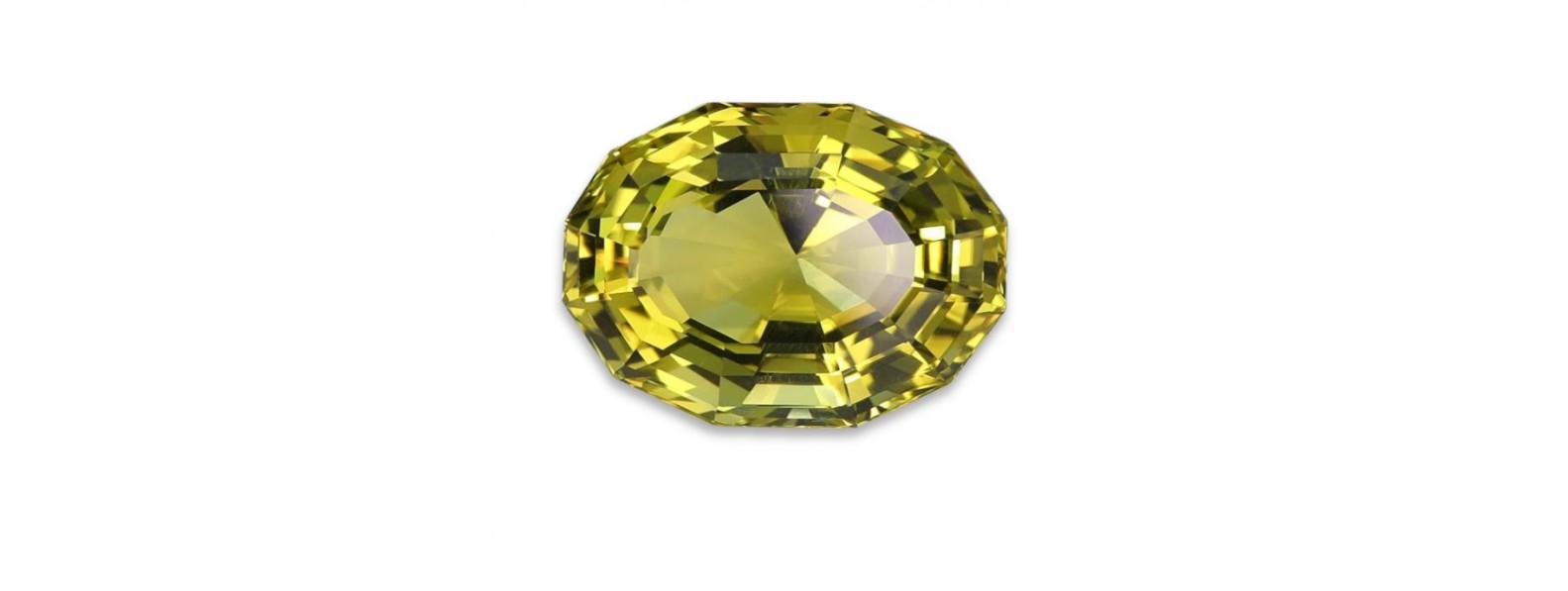
Prasiolite is the green variety of macrocrystalline quartz — a pale to medium yellowish-green to leek-green gemstone of growing commercial significance, valued for its fresh, distinctive color, excellent transparency, outstanding brilliance when faceted, and remarkable accessibility in large, clean stones at prices that no other green gemstone of comparable visual impact can match. The name prasiolite comes from the Greek words prason (leek) and lithos (stone) — a precise description of the stone's characteristic soft, cool, leek-green to honeydew-green color that sits in a unique position within the spectrum of green gems: warmer and more yellow-green than emerald, lighter and cooler than tsavorite garnet, and distinctly different from the warmer olive-yellow of peridot. Prasiolite is commercially produced by heat-treating specific iron-bearing amethyst from Brazil at approximately 500 degrees Celsius — a well-established, stable, and fully disclosed treatment that converts the purple Fe³⁺ color centers of amethyst to the green Fe²⁺ configuration characteristic of prasiolite. Natural prasiolite — formed without artificial treatment by geological heating or irradiation of amethyst in specific rare deposit types — exists in very small quantities from Poland and a small locality near Montezuma in Minas Gerais, Brazil, and is a genuine rarity in the gemstone market. At GemPiece, treatment status is disclosed explicitly and individually on every prasiolite stone — so every buyer understands precisely what they are purchasing.
Prasiolite has achieved considerable popularity in contemporary fine jewelry design, particularly in designer and fashion-forward collections where its fresh, spring-green color provides an alternative aesthetic to the darker, more expensive green gems traditionally used in fine jewelry. Prasiolite is increasingly recognized as an outstanding affordable alternative to peridot, tsavorite, and light emerald for buyers who want vivid green in large, transparent, brilliantly faceted stones — and it is the only green gem in the quartz family, giving it a unique position that no other treatment-produced quartz variety occupies. The stone facets exceptionally well in all standard cuts and rewards large-format creative cuts — emerald cuts, cushion cuts, large ovals, concave cuts, checkerboard cuts — where its high transparency and distinctive color can develop full visual presence.
You may also see prasiolite sold under trade names including green amethyst, vermarine, and amegreen — terms that are technically inaccurate (the US Federal Trade Commission has stated that "green amethyst" is misleading since amethyst by definition is purple) but widely used in the commercial market. The correct gemological name is prasiolite, and GemPiece uses this accurate terminology throughout. Read our complete prasiolite gemstone guide for the full scientific and commercial picture — or return to the complete quartz gemstone guide (view all quartz). Explore related quartz varieties: amethyst collection (amethyst guide), lavender quartz collection (lavender quartz guide), lemon quartz collection (lemon quartz guide), and rose quartz collection (rose quartz guide).
Color, Appearance, and Character
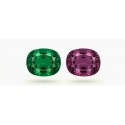
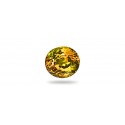
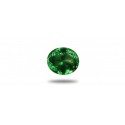
Prasiolite ranges in color from the palest, almost-mint honeydew green through soft, fresh leek-green to a medium celery green — a cool, slightly yellowish-green with a distinctly fresh, botanical quality that evokes spring foliage, new leaves, and the understated greens of nature at its most delicate. The color is neither the intense, blue-tinted green of fine emerald nor the warm, strongly yellow-green of peridot, but occupies its own distinctive register: soft, translucent, luminous, and modern. The most valued prasiolite displays a clean, evenly distributed medium-light green with no brownish, greyish, or muddy modifiers — a pure, cool green that reads clearly across a range of lighting conditions from natural daylight to artificial indoor light.
Faceted prasiolite is typically transparent to near-transparent, with excellent clarity — the quartz rough selected for heat treatment into prasiolite is specifically chosen for high purity, yielding stones that are eye-clean to near-loupe-clean in most commercial material. This combination of clean transparency and fresh green color gives prasiolite a light, airy quality under light that heavier, more included green gems cannot replicate. The vitreous luster of polished quartz produces a clean, bright finish that enhances the delicate green color and maximizes the stone's soft brilliance.
Natural Prasiolite vs. Heat-Treated Prasiolite
Understanding the distinction between natural and heat-treated prasiolite is essential for any serious buyer, and GemPiece provides explicit disclosure on every stone. The vast majority of commercial prasiolite — including virtually all prasiolite sold in the global gem market — is heat-treated material: natural amethyst from specific iron-bearing deposits (primarily Montezuma, Minas Gerais, Brazil) heated to approximately 500°C in controlled laboratory conditions, converting the purple Fe³⁺ color centers to the green Fe²⁺ configuration of prasiolite. This treatment is stable, accepted, and universally practiced in the gem trade when properly disclosed.
Natural prasiolite — where the green color developed through geological heating or natural irradiation of amethyst in situ, without artificial treatment — is genuinely rare. The two historically documented localities for natural prasiolite are the Lower Silesia region of Poland (where natural prasiolite was first identified in the early 19th century) and a small deposit near Montezuma, Minas Gerais, Brazil, where geological proximity to volcanic intrusions provided the natural heat conditions that replicate the artificial treatment process. Small quantities of natural prasiolite have also been reported from parts of Canada and Namibia. Natural prasiolite commands a premium over heat-treated material and requires laboratory testing to confirm natural color origin.
Prasiolite as a Green Gemstone Alternative
Prasiolite's most significant commercial role is as an accessible, transparent, facetable green gemstone for buyers who want green in their jewelry without the prices of the major green gems. In this context, prasiolite competes directly with — and provides a compelling alternative to — several more expensive green species. Against peridot, prasiolite offers a cooler, softer, less yellow-green color in a more transparent material that rewards large precision cuts. Against tsavorite garnet, prasiolite provides a much larger, cleaner stone at dramatically lower cost — tsavorite of 5 carats and above is extremely expensive and rare, while prasiolite of 20 carats in excellent clarity is commercially accessible. Against light-toned emerald, prasiolite offers greater transparency (emerald is almost always heavily included and oil-treated) and far greater affordability, though at the cost of emerald's distinctive deep green and its unmatched prestige. For buyers whose priority is a fresh, luminous, transparent green gemstone in a large, well-cut stone, prasiolite is the definitive recommendation within the affordable gemstone market.
Prasiolite in Jewelry: Cuts, Sizes, and Settings
Prasiolite is one of the quartz varieties that most rewards ambitious, large-format cutting. Its excellent transparency, consistent color, and Mohs 7 hardness support the full range of standard and creative cuts — from precision calibrated rounds and ovals through large emerald cuts, cushion cuts, and pear shapes to highly individualistic concave cuts, checkerboard-top cuts, and artistic fantasy cuts that showcase the stone's clarity and color to maximum advantage. Only approximately 30% of the amethyst rough treated in the prasiolite conversion process yields the characteristic leek-green color — the remainder produces off-green, yellowish, or insufficiently saturated results — meaning that well-colored prasiolite rough is more selective than it might appear, and quality matters.
In jewelry settings, prasiolite's cool green is most enhanced by white gold and platinum settings, which keep the color cool and clean. Yellow gold settings create a warm, vintage-inspired aesthetic that gives prasiolite a deeper, more saturated visual impression. Rose gold settings complement prasiolite's soft green with a warm, contemporary contrast. Prasiolite is used extensively in cocktail rings, statement pendants, large drop earrings, and designer fine jewelry where its fresh green, large available sizes, and excellent clarity make it a natural center stone choice.
Treatment Stability and Color Care
The heat-treated color of prasiolite is stable under normal indoor wear and lighting conditions. However, prolonged exposure to strong direct sunlight — particularly sustained outdoor UV exposure over extended periods — can cause the green color to fade or revert toward the original amethyst purple in extreme cases. This is not a risk under normal everyday jewelry wear but is a relevant consideration for pieces worn outdoors for sustained periods or stored in direct sunlight. Avoid prolonged direct sunlight and intense UV sources as a precaution. Natural prasiolite color is similarly light-sensitive, as both natural and treated prasiolite color is iron-dependent and UV-reactive at sufficient exposure intensities. Store prasiolite jewelry away from prolonged direct light and away from stronger gemstones that could scratch the Mohs 7 surface.
Frequently Asked Questions — Prasiolite
What is prasiolite?
Prasiolite is the green variety of macrocrystalline quartz (SiO₂), characterized by a pale to medium yellowish-green to leek-green color, excellent transparency, and high brilliance when faceted. The name comes from the Greek for leek-green stone. Most commercial prasiolite is produced by heat-treating iron-bearing amethyst from Brazil at approximately 500°C, which converts the purple color to green. Natural prasiolite exists but is rare.
Is prasiolite the same as green amethyst?
The terms prasiolite and "green amethyst" refer to the same material — green quartz produced by treating amethyst. However, "green amethyst" is technically a misnomer: amethyst is by definition purple, and the US Federal Trade Commission has stated that calling prasiolite "green amethyst" is misleading to consumers. The correct gemological name is prasiolite. GemPiece uses accurate terminology and discloses treatment status on every stone.
Is prasiolite natural or treated?
Both forms exist. Most commercial prasiolite is heat-treated — natural amethyst heated to approximately 500°C to convert the color to green. This treatment is stable and standard when disclosed. Natural prasiolite — where green color developed through geological processes without artificial treatment — is rare, found primarily in Poland and a small locality in Minas Gerais, Brazil. GemPiece explicitly discloses treatment status on every prasiolite stone in the collection.
Where does prasiolite come from?
The primary source for commercial heat-treated prasiolite is the Montezuma mine in Minas Gerais, Brazil — the only amethyst deposit known to contain the specific iron chemistry that converts reliably to green upon heating. Natural prasiolite is found in the Lower Silesia region of Poland and a small Brazilian locality. Minor quantities have also been reported from Arizona (USA), parts of Canada, and Namibia.
Is prasiolite a good alternative to emerald or peridot?
Yes — for buyers seeking an affordable, transparent, facetable green gem in large sizes, prasiolite is one of the best alternatives in the market. It offers greater transparency than most emerald (which is heavily included and almost always oil-treated), a distinctive cool leek-green that differs from the warm olive-yellow of peridot, and dramatic cost savings relative to both. Prasiolite's Mohs 7 hardness also makes it more durable than emerald (7.5–8 but cleavage-prone and heavily included) in practical ring and pendant use. For buyers specifically comparing green gems, see our prasiolite guide for a full gemstone comparison section.
Does prasiolite fade?
Under normal everyday indoor wear conditions, prasiolite color is stable. Prolonged sustained exposure to strong direct sunlight or intense UV sources can cause fading over time — this is a precautionary concern rather than a risk under normal wear. Avoid storing prasiolite jewelry in direct sunlight and protect from prolonged outdoor UV exposure.
What jewelry is prasiolite used for?
Prasiolite is used across the full range of fine jewelry — rings (including cocktail rings and statement rings), pendants, drop earrings, and designer pieces. Its Mohs hardness 7 and lack of cleavage make it practical and durable for all applications including everyday wear. Its transparency and available large sizes make it particularly popular for bold center-stone designs and artistic creative cuts.
Is prasiolite durable enough for everyday rings?
Yes. Mohs hardness 7 and absence of cleavage give prasiolite excellent toughness for everyday ring use. It is more resistant to chipping than cleavage-prone gems like topaz, and harder than gems like opal, fluorite, and moonstone. Avoid sustained direct sunlight and clean with warm soapy water.
What other names does prasiolite go by?
Prasiolite is also marketed as green amethyst (a misnomer), vermarine, and amegreen. The correct gemological term is prasiolite. It is also called green quartz, though this broader term covers any green quartz variety. GemPiece uses the accurate term prasiolite on all stones.
How does prasiolite compare to other quartz varieties?
Prasiolite is the only green member of the macrocrystalline quartz family — unique within the quartz gem spectrum. It shares the physical properties of all quartz (Mohs 7, SiO₂, no cleavage) but differs from amethyst (purple, typically untreated), citrine (yellow-orange, heat-treated), lavender quartz (pale violet, untreated), and rose quartz (pink, translucent, untreated) in color, treatment origin, and aesthetic character. See our quartz family guide for the complete variety comparison.