
Clear ✖
Explore Latest Pink Tourmaline Gemstone Collections
Total Products : 265
SKU: GEM22092638
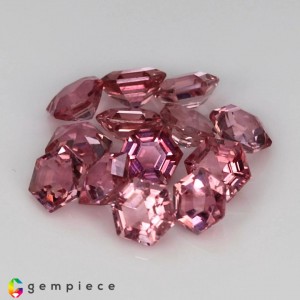
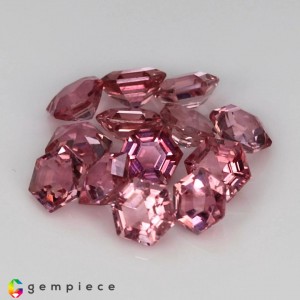
With a Sweet Baby Pink hue, this Pink Tourmaline reflects strong color depth and natural vibrancy. A reliable gemstone choice for regular use. Traded across multiple countries, it reflects strong acceptance worldwide. A well-cut Hexagon Pink Tourmaline weighing 12.40 carats shows a Sweet Baby Pink t..
$307.00
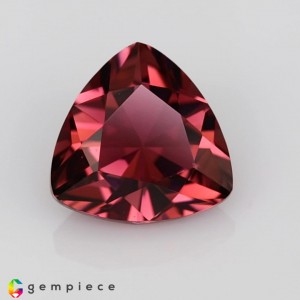

SKU: GEM22092626
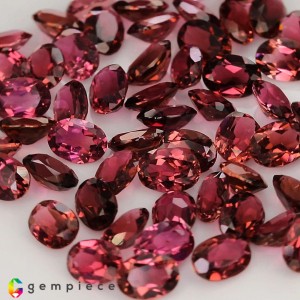
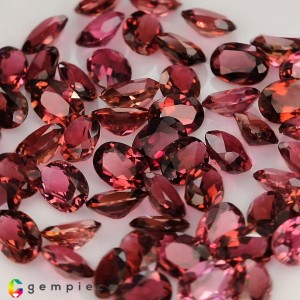
With a Imperial Pink color, this Pink Tourmaline maintains an even tone and smooth finish. Balanced color and clarity support its everyday suitability. Appreciated globally for its natural characteristics and visual appeal. This natural Pink Tourmaline weighing 1.83 carats is cut in Trilliant , show..
$76.00
SKU: GEM22092621
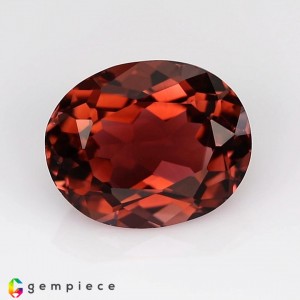
This collectible-grade Pink Tourmaline showcases a Pink hue with clarity and balance. Strong presence and natural characteristics enhance its appeal as a collectible stone. Appreciated by international buyers for its natural beauty and appeal. This natural Pink Tourmaline weighing 43.85 carats in Ov..
$879.00
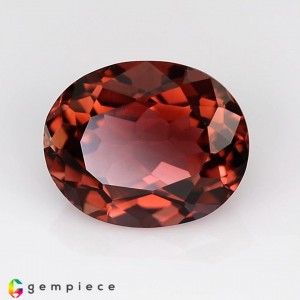
SKU: GEM22092617
This Pink Tourmaline reflects a Pink color with even distribution and visual richness. Its blend of color and accessible pricing makes it a versatile choice for everyday wear. A gemstone known across worldwide markets for its steady demand. This natural Pink Tourmaline weighing 3.70 carats in Oval f..
$164.00
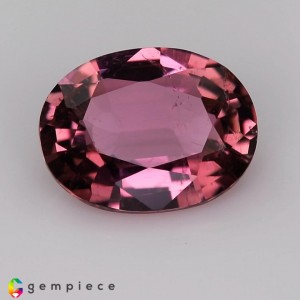
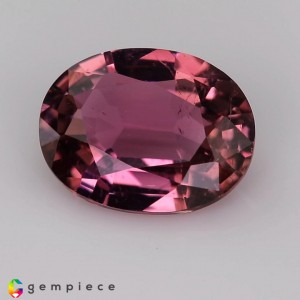
SKU: GEM22092588
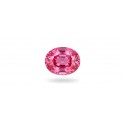
With a Sweet Purplish Pink hue, this Pink Tourmaline shows a refined finish and natural depth. Natural clarity and color contribute to its overall attractiveness. A gemstone with strong international appeal, suitable for various jewelry uses. With a Oval cut, this Pink Tourmaline weighs 1.73 carats ..
$32.00
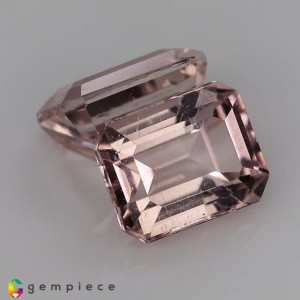
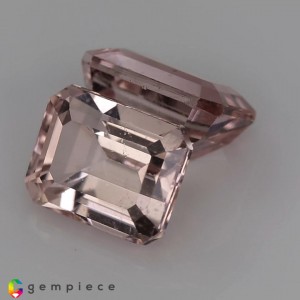
SKU: GEM22092586
Presenting a Light Baby Pink hue, this Pink Tourmaline reflects a rich and well-defined appearance. This gemstone offers natural visual quality suitable for regular wear. Known across international markets for its steady demand and acceptance. This natural Pink Tourmaline weighing 5.77 carats in Eme..
$186.00

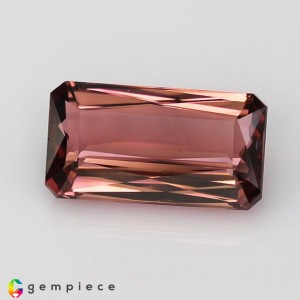
SKU: GEM22092584
This Pink Tourmaline offers a Pink tone with natural brilliance, suited for regular wear. A good option for budget-conscious buyers seeking both value and appearance. A gemstone with strong international presence and wide acceptance. This 7.62 carat Pink Tourmaline cut in Emerald Cut displays a Pink..
$274.00

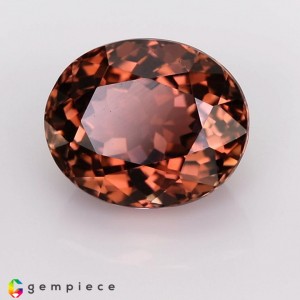
SKU: GEM22092548
This Pink Tourmaline reveals a Padparadscha Pink color with a lively and eye-catching presence. Durability and stable color make it reliable for frequent use. A globally recognized gemstone with steady presence in the jewelry industry. A Oval cut defines this Pink Tourmaline of 3.20 carats, featurin..
$109.00

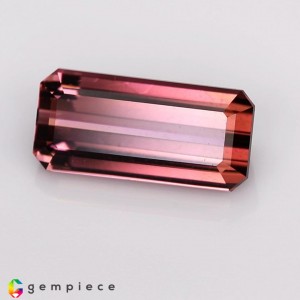
SKU: GEM22092544
Featuring a Sweet Pink color, this Pink Tourmaline gemstone maintains a clean face-up appearance. A dependable gemstone option for those seeking accessible quality. Appreciated by international buyers for its natural beauty and appeal. A Emerald Cut cut defines this Pink Tourmaline of 2.78 carats, f..
$109.00


SKU: GEM22092529
Carrying a deep Pink color, this exceptional natural Pink Tourmaline offers refined presence. Its refined appearance enhances long-term desirability. Used globally in jewelry, reflecting its broad demand. A Marquise cut Pink Tourmaline weighing 75.84 carats shows a Pink tone with clarity VVS - VS an..
$1,429.00


SKU: GEM22092523
This Pink Tourmaline gemstone shows a Pink color well suited for fine jewelry. An accessible option for buyers seeking attractive natural gemstones. A globally recognized gemstone with steady presence in the jewelry industry. Cut in Octagon, this Pink Tourmaline weighing 1.89 carats displays a Pink ..
$87.00
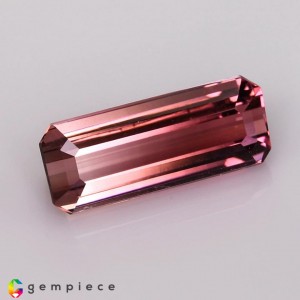
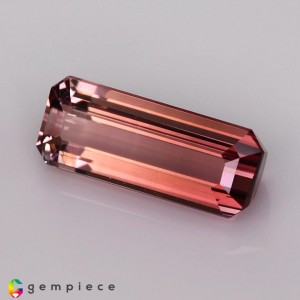
SKU: GEM22082512
This Pink Tourmaline gemstone shows a Sweet Pink color well suited for fine jewelry. Color stability maintains its natural appearance. Valued by jewelers across different regions, this gemstone is suitable for various jewelry styles. With a Emerald Cut cut, this Pink Tourmaline weighs 2.76 carats an..
$87.00