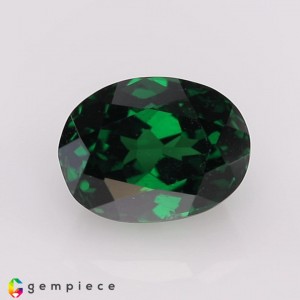
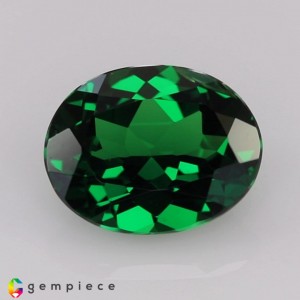


Buy High Quality Paraiba Tourmaline Stones Online
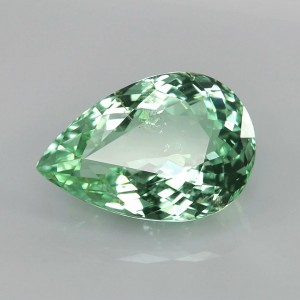
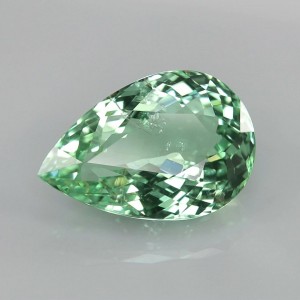
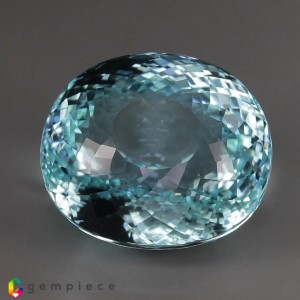
Buy natural Paraiba tourmaline gemstones online, known for their vivid neon blue to green colors and exceptional brilliance. Explore rare and high-quality Paraiba tourmalines sourced from Brazil, Mozambique, and Nigeria, carefully selected for color, clarity, and overall value.
Paraiba tourmaline is one of the most valuable and highly sought-after gemstones in the world, admired for its unique glow caused by copper and manganese. Due to its rarity and exceptional appearance, it is considered a premium gemstone suitable for collectors, investors, and fine jewelry.
Explore our Paraiba tourmaline collection to discover available stones and learn more about this extraordinary gemstone. You can also explore other tourmaline gemstones or compare with green tourmaline (view green tourmaline collection) and chrome tourmaline (view chrome tourmaline collection).
Learn more about this gemstone in our Paraiba Tourmaline Guide.
Origins and Market Value
Paraiba tourmalines originate primarily from Brazil, Mozambique, and Nigeria. Brazilian Paraibas are considered the finest and rarest. Nigerian Paraibas are known for strong and deep color tones but are extremely difficult to source today.
Mozambique Paraibas have become highly important in the market due to their availability in larger sizes and better clarity, often offering excellent value while still displaying the desirable neon color.
The value of Paraiba tourmaline is mainly determined by color intensity, clarity, origin, and overall visual appeal, with vivid neon blue to green stones commanding the highest prices.
In the global gemstone market, Paraiba tourmaline is often positioned alongside high-value gemstones such as ruby, sapphire, and spinel due to its rarity and strong collector demand.
Natural Color and Heating Process
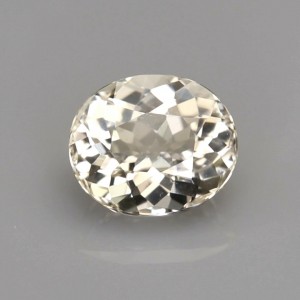
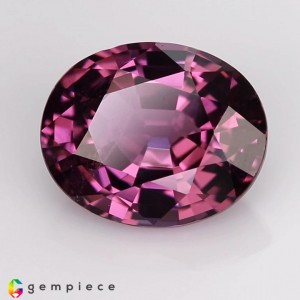
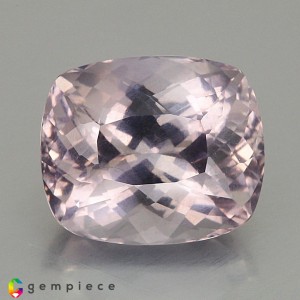
Most Paraiba tourmalines in the market are heated, which is a standard and accepted practice. In their natural state, these stones typically show purplish, pinkish, or slightly bluish tones rather than the well-known Paraiba color.
Through controlled heating at specific temperatures and durations, these original colors transform into the vivid neon blue to green shades that define Paraiba tourmaline. This is not a simple enhancement but a complete color transformation.
When performed correctly, heating improves the color while maintaining the stability and durability of the gemstone.
The presence of copper (Cu²⁺) along with manganese (Mn²⁺ and Mn³⁺) plays a key role in this transformation, allowing the gemstone to display its characteristic neon glow after heating.
GemPiece Experience and Private Collection
At GemPiece, we work directly with rough Paraiba tourmaline and have extensive hands-on experience in sourcing, cutting, and heating to achieve the best possible color. Each stone is carefully assessed before deciding whether it should be cut first or preformed and then heated.
The heating process requires precise control of temperature and timing, and the approach varies depending on the nature of the rough material. This level of control allows us to achieve optimal color results.
Due to the rarity and high value of fine Paraiba tourmalines, most premium stones are not listed online. These are reserved for private clients and investors and are available upon request.
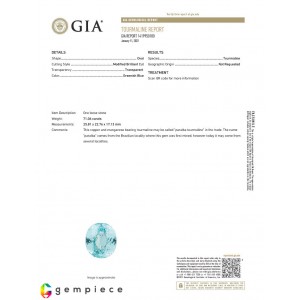
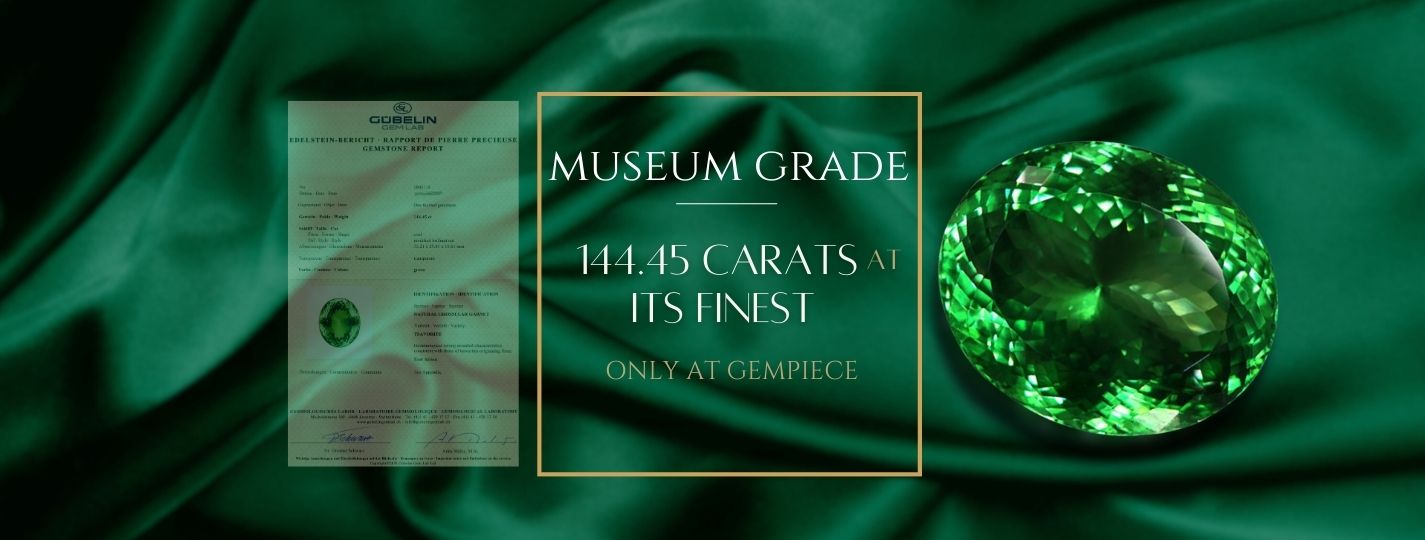
We have supplied Paraiba tourmalines ranging from small sizes to exceptional collector-grade stones, including rare pieces exceeding 100 carats. Certified stones from reputable laboratories such as GIA and GRS are available for serious buyers.
Color Characteristics and Optical Effect
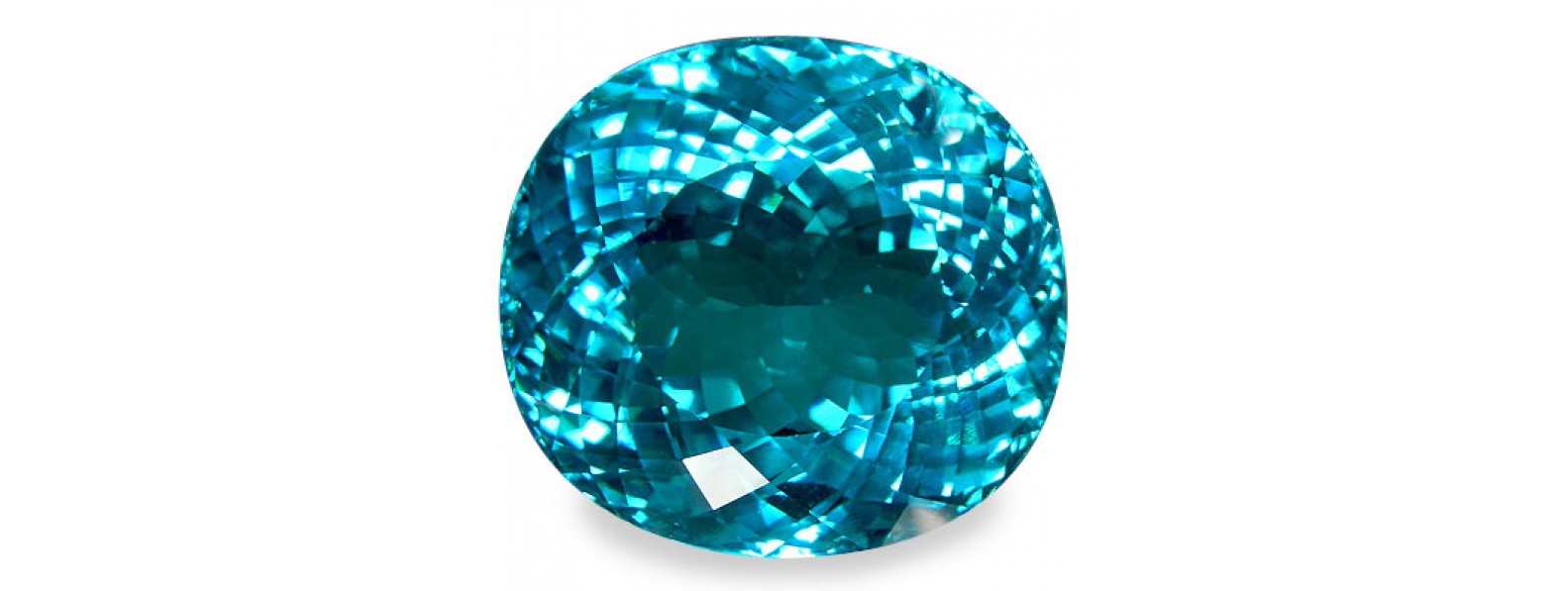
The defining feature of Paraiba tourmaline is its neon blue to green color, often described as electric or glowing. This effect is caused by copper within the crystal structure, which interacts with light to produce exceptional brightness and color intensity.
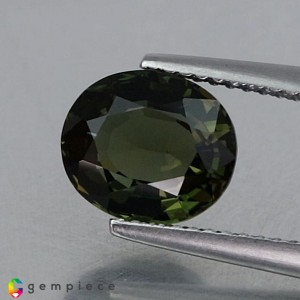
Unlike iron-bearing tourmalines, which tend to appear darker, Paraiba tourmaline displays a vivid and open color even in smaller sizes, making it highly desirable for both collectors and jewelry use. This contrasts strongly with green tourmaline and chromium-rich chrome tourmaline.
Cutting and Color Optimization
Due to its strong color saturation and optical properties, cutting plays a critical role in Paraiba tourmaline. Proper orientation is essential to maximize brightness and maintain the neon effect.
If not properly cut, stones may appear slightly dark or uneven in color. Skilled cutting ensures that the gemstone maintains its brilliance while preserving color intensity.
Investment and Buying Considerations
Paraiba tourmaline is considered an investment-grade gemstone due to its rarity, strong demand, and limited supply. Buyers should focus on color intensity, clarity, origin, and certification when selecting high-value stones.
Well-cut stones with strong neon color and good transparency are the most desirable. Larger stones with fine quality are extremely rare and command premium prices in the market.
For private inquiries and premium stones, serious buyers can contact us directly to access exclusive inventory and detailed information.
Explore Related Tourmaline Categories
You may also explore related varieties such as chrome tourmaline (view chrome tourmaline collection), green tourmaline (view green tourmaline collection), pink tourmaline (view pink tourmaline collection), blue tourmaline (view blue tourmaline collection), bi-color tourmaline (view bi-color tourmaline collection), cat’s eye tourmaline (view cat’s eye tourmaline collection), and multi color tourmalines (view multi color tourmaline collections).
Frequently Asked Questions
Is Paraiba tourmaline natural?
Yes, Paraiba tourmaline is a natural gemstone known for its unique neon blue to green color caused by copper and manganese.
Are Paraiba tourmalines heated?
Yes, most Paraiba tourmalines in the market are heated. In their natural state, these stones typically display purplish, pinkish, or slightly bluish tones rather than the well-known Paraiba color. Through controlled heating, this original color transforms into the vivid neon blue to green shades that define Paraiba tourmaline.
Is heating considered treatment?
Heating is a standard and accepted practice in the gemstone industry. When done correctly, it does not affect the durability or long-term stability of the gemstone.
Which origin is best for Paraiba tourmaline?
Brazilian Paraibas are considered the finest and rarest. Nigerian Paraibas are known for strong colors but are very limited in availability. Mozambique Paraibas are highly valued for their larger sizes, better clarity, and consistent supply.
Why is Paraiba tourmaline so expensive?
Paraiba tourmaline is rare and displays a unique neon color that is not commonly found in other gemstones. Its limited availability and high demand make it one of the most expensive gemstones in the market.
Can Paraiba tourmaline be an investment?
Yes, high-quality Paraiba tourmaline is considered an investment-grade gemstone due to its rarity, increasing demand, and long-term value potential.
Are all Paraiba tourmalines the same?
No, Paraiba tourmalines vary significantly based on origin, color intensity, clarity, and size. High-quality stones with strong neon color and good clarity are much rarer and more valuable.
Clear ✖