












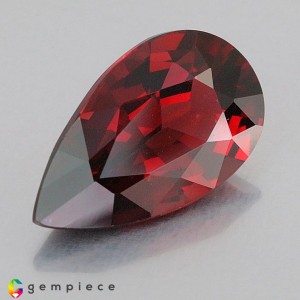

Chrome Tourmaline Guide – Chromium Color, Properties and Value
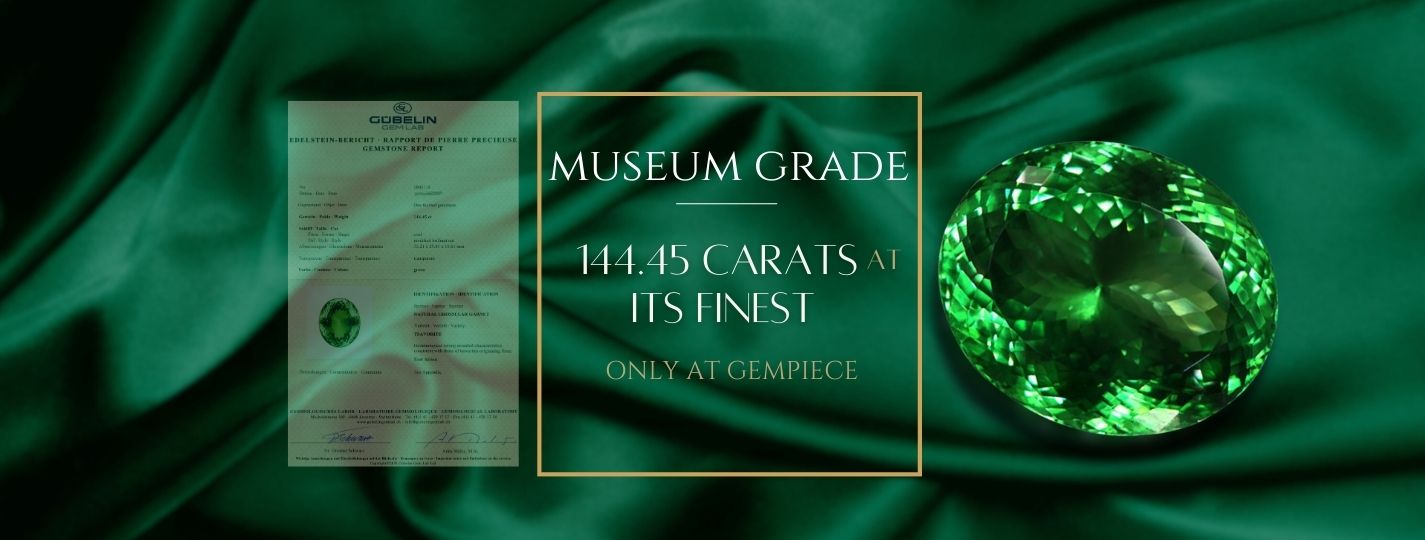
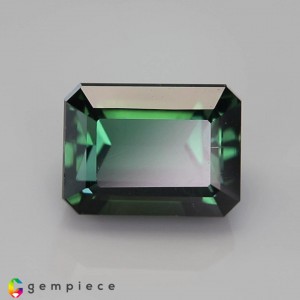
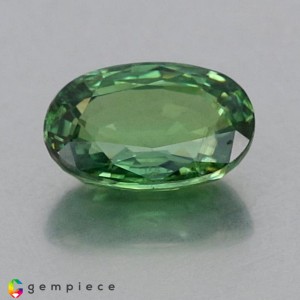
Chrome tourmaline is a rare variety of green tourmaline distinguished by its deep and vivid green color caused by chromium. It is one of the most saturated green gemstones in the tourmaline family and is often compared to tsavorite garnet due to its intense color.
Chrome tourmaline is part of the broader tourmaline family, which includes a wide range of chemically diverse and color-rich varieties such as green tourmaline, Paraiba tourmaline, and other unique forms.
Chemical Composition and Color Mechanism
Chrome tourmaline belongs to the complex borosilicate mineral group. Its green color is produced by chromium ions (Cr³⁺) within the crystal lattice. This distinguishes it from most green tourmalines, which are typically colored by iron (Fe²⁺ and Fe³⁺).
Chromium causes strong absorption in the red and blue regions of the visible spectrum, resulting in the transmission of rich green color. In some cases, chromium can also produce red reflections under certain lighting conditions, particularly under warm or yellow light.
Under a Chelsea filter, chrome tourmaline typically shows a red reaction, which is a diagnostic feature indicating chromium presence.
Color Characteristics
Chrome tourmaline is known for its strong saturation and depth of color. Compared to standard green tourmaline, it typically appears more vivid and concentrated in tone.
However, due to its strong saturation, achieving an open and bright appearance can be challenging. Stones with both vivid color and good brightness are considered exceptional.
Sources and Formation
Chrome tourmaline is primarily sourced from East Africa, especially Kenya and Tanzania. These deposits are known for producing high-quality chromium-rich tourmaline crystals.
Optical Properties and Identification
Chrome tourmaline exhibits pleochroism, showing variations in color intensity when viewed from different directions. Proper orientation during cutting is essential to optimize its appearance.
The presence of chromium also contributes to its distinctive optical behavior, including occasional red flashes and Chelsea filter response.
Cutting Considerations and Color Balance
Due to its strong saturation, chrome tourmaline requires careful cutting to achieve optimal brightness. Improper orientation can result in stones appearing overly dark or closed.
Experienced cutters focus on balancing tone and light return to maintain vivid color while ensuring the stone remains lively. This makes cutting an important factor in the overall visual quality of chrome tourmaline.
Clarity and Size
Chrome tourmaline is generally found in smaller sizes compared to other tourmalines. Clean stones are less common, and high-clarity stones are therefore more valuable.
Market Value and Demand
The value of chrome tourmaline depends on color saturation, brightness, clarity, and size. Stones with vivid green color and good transparency are considered premium.
Due to its chromium-based color and limited availability, chrome tourmaline is highly sought after by collectors and jewelry designers.
Related Tourmaline Varieties
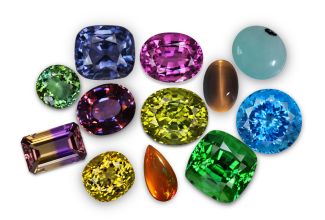
Explore other tourmaline types including green tourmaline (view green tourmaline collection), pink tourmaline (view pink tourmaline collection), bi-color tourmaline (view bi-color tourmaline collection), multi color tourmalines (view multi color tourmaline collections).