












Understanding Paraiba Tourmaline Gemstone
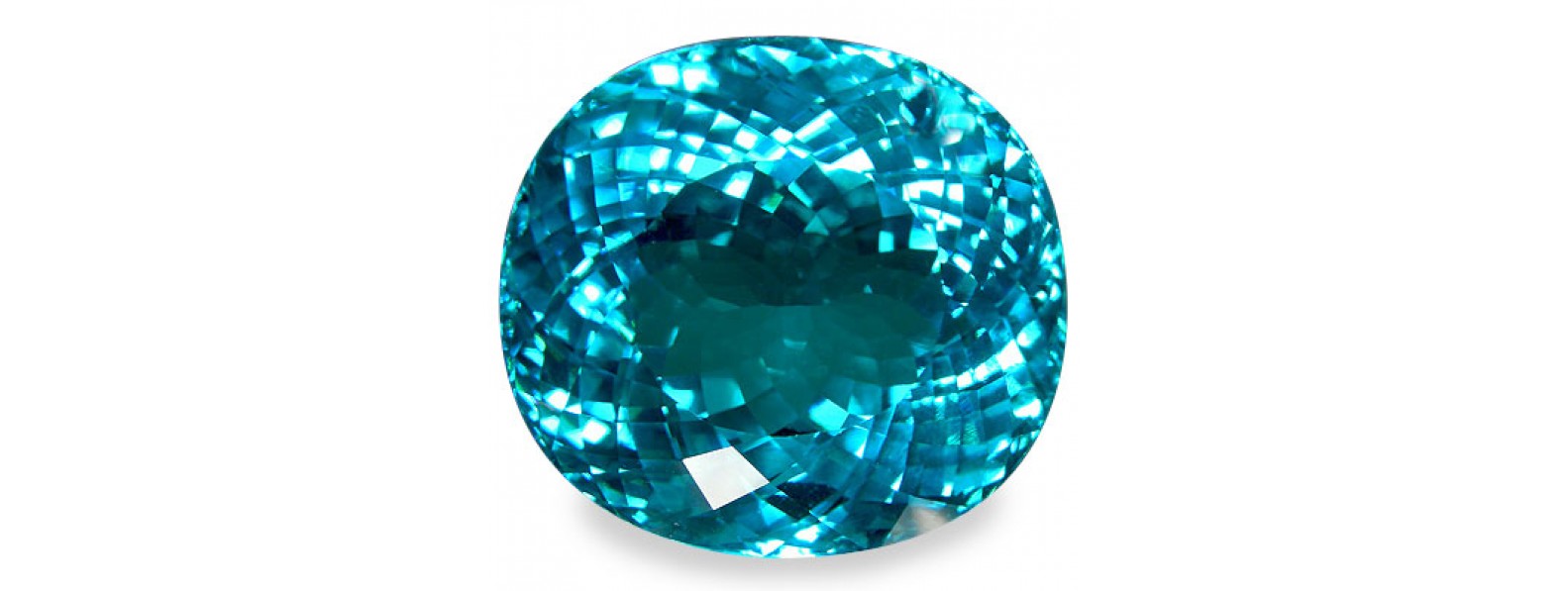
Paraiba tourmaline is one of the most exceptional and valuable gemstones in the world, recognized for its vivid neon blue to green color and unmatched brilliance. Unlike traditional tourmalines, this gemstone displays a unique glowing effect caused by the presence of copper and manganese, making it instantly recognizable even to non-experts.
This guide explains how paraiba tourmaline forms, its physical and optical properties, sources, color zoning characteristics, and the key factors that determine its value.
Among all tourmaline varieties, Paraiba tourmaline stands at the top in terms of rarity, demand, and market value. Its unique color and limited availability make it one of the most sought-after gemstones for collectors, investors, and high-end jewelry.
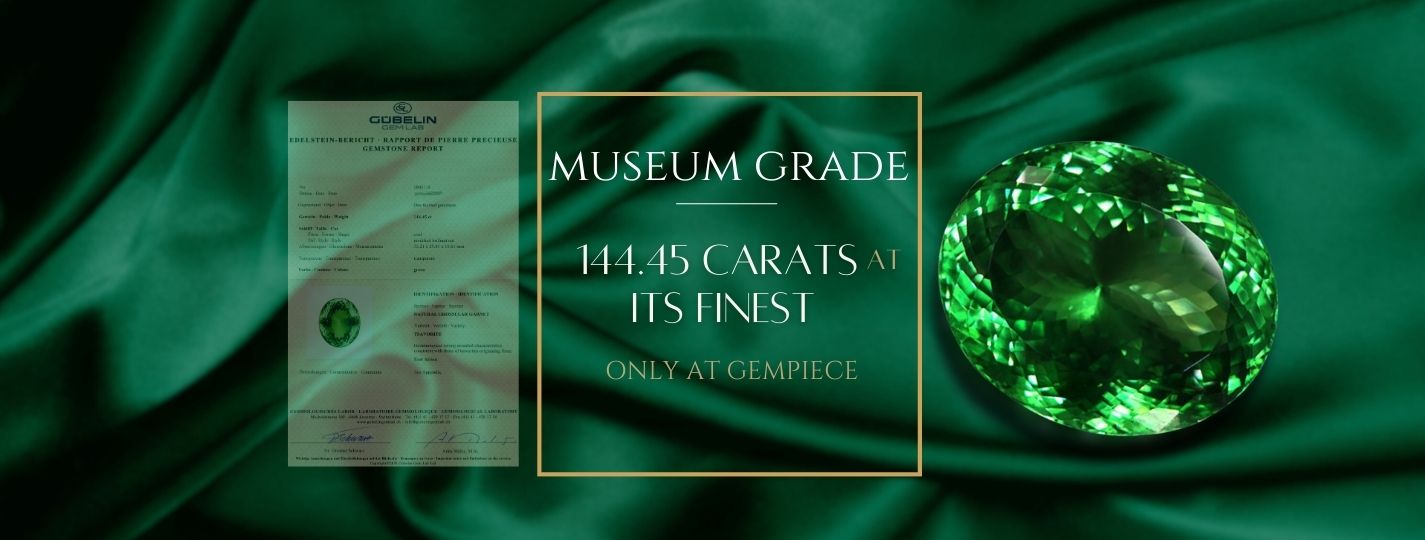
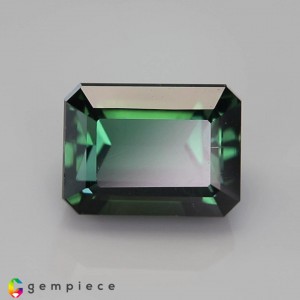
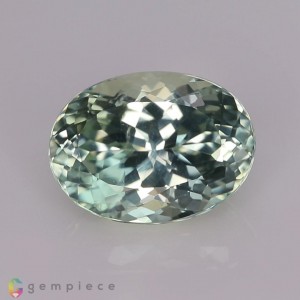
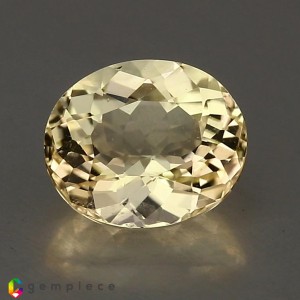
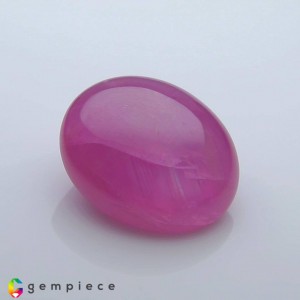
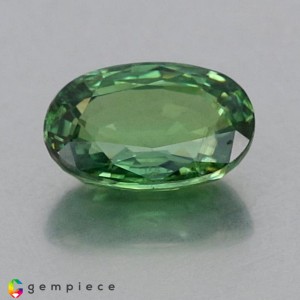
Paraiba tourmaline is part of the broader tourmaline family, which includes a wide range of colors and chemically diverse varieties such as green tourmaline, pink tourmaline, blue tourmaline, and chrome tourmaline.
To understand its position within the tourmaline family, it is useful to compare it with other varieties such as green tourmaline, pink tourmaline, blue tourmaline, and chrome tourmaline, each offering distinct color characteristics but lacking the neon intensity of Paraiba.
Explore available stones in our Paraiba tourmaline collection.
Chemical Composition and Color Mechanism
The unique neon color of Paraiba tourmaline is primarily caused by the presence of copper (Cu²⁺), along with manganese (Mn²⁺ and Mn³⁺) within the crystal structure. These elements interact with light in a way that produces strong absorption in specific regions of the visible spectrum, allowing highly saturated blue to green wavelengths to dominate.
Unlike iron-based tourmalines, which tend to produce darker and more muted tones, copper-bearing Paraiba tourmalines exhibit a distinct glowing or electric effect. This optical phenomenon is what separates Paraiba from all other tourmaline varieties.
The combination of copper and manganese also contributes to variations in color ranging from neon blue to green, teal, and occasionally slightly violet or bluish-green tones depending on composition and treatment.
Discovery and Origins
Paraiba tourmaline was first discovered in Brazil, specifically in the state of Paraiba, which gave the gemstone its name. These original Brazilian stones are considered the finest and rarest due to their exceptional color and limited supply.
Following this discovery, additional deposits were found in Mozambique and Nigeria. Mozambique Paraibas have become highly important in today’s market due to their availability in larger sizes and better clarity. Nigerian Paraibas are known for strong and deep colors but are increasingly rare and difficult to source.
Each origin produces stones with different characteristics, and understanding these differences is essential when evaluating quality and value.
Natural Color vs Paraiba Color Transformation
One of the most misunderstood aspects of Paraiba tourmaline is its natural color. In its untreated state, most Paraiba material does not display the well-known neon blue or green color. Instead, the rough typically appears in purplish, pinkish, or slightly bluish tones, sometimes with a muted or mixed color appearance.
Through controlled heating at carefully selected temperatures and durations, these original colors transform into the vivid neon blue to green shades that define Paraiba tourmaline. This is not a simple color enhancement but a complete transformation of the gemstone’s appearance.
The process requires deep understanding of the material, as different rough behaves differently under heat. Improper heating can damage the stone or fail to achieve the desired color, making expertise critical in this process.
GemPiece Expertise and Processing Techniques
At GemPiece, Paraiba tourmaline is handled with extensive hands-on experience built over years of working directly with rough material. We source rough stones and evaluate each piece individually before deciding the best approach for cutting and heating.
Depending on the nature of the material, some stones are cut first and then heated, while others are preformed before undergoing heat treatment. This decision is based on the internal structure, color distribution, and expected outcome.
The heating process itself is highly technical, involving precise control of temperature and timing. Small variations can significantly affect the final color, making this a specialized skill rather than a standard procedure.
This level of expertise allows us to consistently achieve optimal color and quality, ensuring that each stone reaches its maximum potential.
Cutting, Orientation and Color Optimization
Due to the intense saturation and unique optical properties of Paraiba tourmaline, cutting plays a critical role in final appearance. Improper orientation can result in uneven color distribution or reduced brightness.
Expert cutters carefully align the crystal axis to maximize color intensity while maintaining light return. This ensures that the gemstone displays its characteristic neon glow rather than appearing dark or closed.
Market Rarity and Supply Dynamics
Paraiba tourmaline is extremely rare, and fine-quality stones are limited in supply. Unlike many other gemstones, large clean Paraiba stones with strong neon color are exceptionally difficult to find.
Brazilian Paraibas are the rarest and command the highest prices, but availability is extremely limited. Nigerian stones are also scarce today, while Mozambique has become the primary source for high-quality Paraibas in the current market.
Due to this rarity, Paraiba tourmaline is often compared with high-value gemstones such as ruby, sapphire, and spinel in terms of market demand and pricing.
Investment and High-End Market
Paraiba tourmaline is widely considered an investment-grade gemstone. Its rarity, increasing demand, and unique color make it attractive to collectors and investors seeking long-term value.
At GemPiece, many premium Paraiba stones are not listed online due to their exclusivity. These stones are reserved for private clients and investors, and are made available through direct inquiries.
We have supplied Paraiba tourmalines ranging from small sizes to exceptional collector-grade stones, including rare pieces exceeding 100 carats. Certified stones from recognized laboratories such as GIA and GRS are available for serious buyers.
For high-value acquisitions, detailed information and documentation can be shared upon request.
Color Characteristics and Visual Appeal
The defining feature of Paraiba tourmaline is its neon blue to green color, often described as electric or glowing. This effect is caused by copper content, which interacts with light to produce exceptional brightness.
Unlike other gemstones, Paraiba tourmaline maintains strong color visibility even in smaller sizes, making it highly desirable for both jewelry and collectors.
Color intensity, uniformity, and brightness are key factors in determining value, with vivid neon tones being the most valuable.
Comparison with Paraiba-Colored Apatite
Some gemstones, such as apatite, can display colors similar to Paraiba tourmaline. Paraiba-colored apatite offers a visually similar blue-green appearance at a much lower price point.
However, Paraiba tourmaline remains significantly more valuable due to its rarity, durability, and strong market demand. Apatite, while attractive, is softer and less suitable for long-term wear compared to tourmaline.
Durability and Wearability
Paraiba tourmaline has a hardness of approximately 7 to 7.5 on the Mohs scale, making it suitable for most jewelry applications. However, due to its value, it is often set in protective designs to minimize risk of damage.
Proper setting and careful handling are recommended, especially for larger or high-value stones.
Care and Maintenance
Paraiba tourmaline should be cleaned using mild soap and water. Avoid ultrasonic cleaners and harsh chemicals, as these may affect the stone over time.
Store separately from harder gemstones to prevent scratches and maintain its polished appearance.
Related Tourmaline Varieties
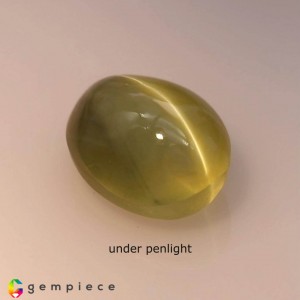
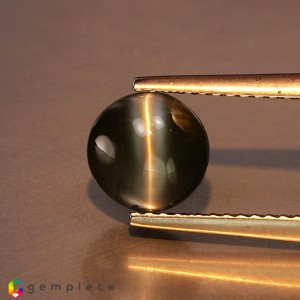
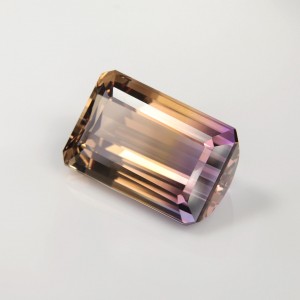
Explore a wider range of tourmaline varieties including chrome tourmaline (view chrome tourmaline collection), green tourmaline (view green tourmaline collection), pink tourmaline (view pink tourmaline collection), blue tourmaline (view blue tourmaline collection), bi-color tourmaline (view bi-color tourmaline collection), cat’s eye tourmaline (view cat’s eye tourmaline collection), and multi color tourmalines (view multi color tourmaline collections).