






Clear ✖
Explore Our Natural Garnet Gemstone Collection
Total Products : 795
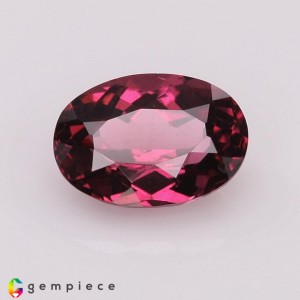
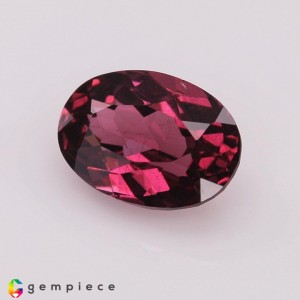
SKU: GEM24013341
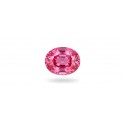
This Malaya Garnet displays a Purplish Pink color with good clarity and strong reflection. Durability and stable color make it reliable for frequent use. Recognized globally for its quality and presence in established gemstone markets. Cut in Oval, this Malaya Garnet weighing 1.58 carats displays a ..
$54.00
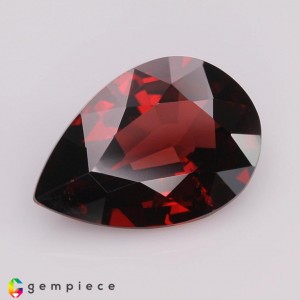
SKU: GEM24013340
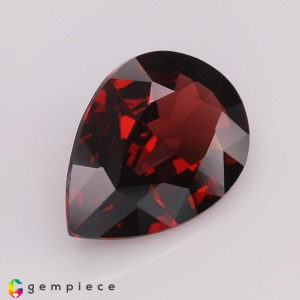
With a Red hue, this Pyrope Garnet reflects strong color depth and natural vibrancy. A reliable gemstone choice for regular use. Valued across different countries, it holds strong presence in gemstone trade. With 6.86 carats and a Pear cut, this Pyrope Garnet presents a Red tone with origin Tanzania..
$109.00
SKU: GEM24013333
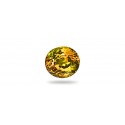
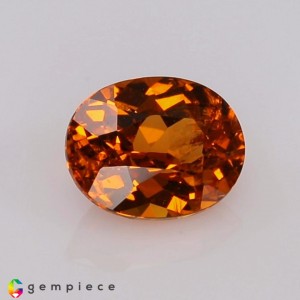
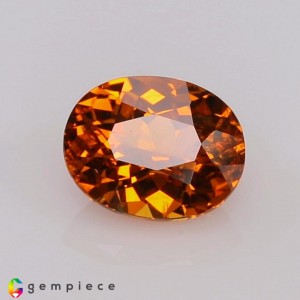
This Spessartite Garnet displays a Mandarin Orange color with good clarity and strong reflection. This gemstone offers natural visual quality suitable for regular wear. This gemstone is widely traded across international markets, reflecting strong global demand and recognition. Weighing 1.29 carats,..
$109.00
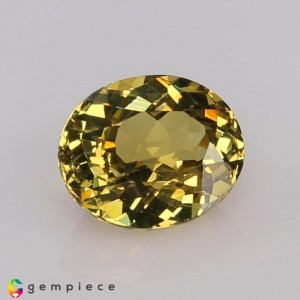
SKU: GEM24013327
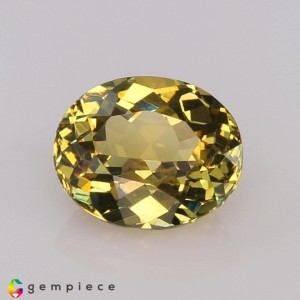
This Grossular Garnet reflects a Yellow color with even distribution and visual richness. A balance of durability and visual quality makes it suitable for daily wear. Appreciated worldwide by collectors and jewelry designers. This 1.51 carat Grossular Garnet in Oval displays a Yellow tone with clari..
$54.00
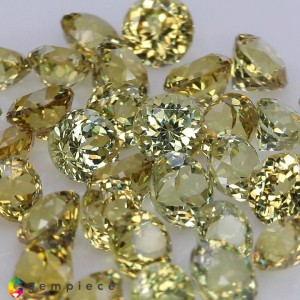
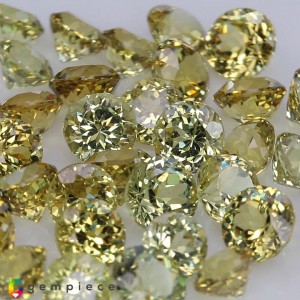
SKU: GEM24013325
This natural Grossular Garnet displays a Golden Yellow color with clear definition. A strong choice for those seeking steady quality in gemstone collections. This gemstone is widely traded across international markets, reflecting strong global demand and recognition. A well-cut Round Grossular Garne..
$769.00


SOLD - Out Of Stock
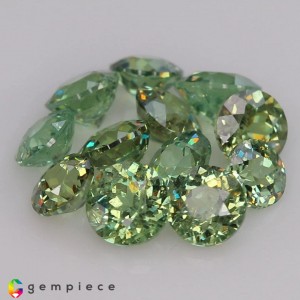
SKU: GEM24013319
With a Green color, this Demantoid Garnet displays a smooth finish and refined finish. A good option for budget-conscious buyers seeking both value and appearance. A gemstone known across worldwide markets for its steady demand. This Demantoid Garnet weighing 0.48 carats in Round displays a Green to..
$87.00

SOLD - Out Of Stock
SKU: GEM24013314
Presenting a Green hue, this Demantoid Garnet reflects a rich and well-defined appearance. An accessible option for buyers seeking attractive natural gemstones. Valued by jewelers across different regions, this gemstone is suitable for various jewelry styles. This Round Demantoid Garnet weighing 5.1..
$439.00
SOLD - Out Of Stock
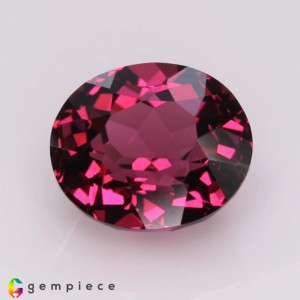
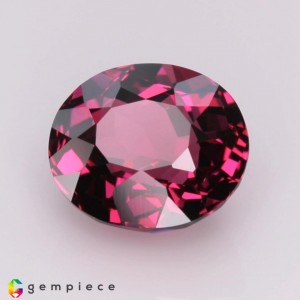
SKU: GEM24013313
Presenting a Purplish Pink hue, this Rhodolite Garnet reflects a rich and well-defined appearance. A balance of durability and visual quality makes it suitable for daily wear. Widely accepted in global jewelry trade, this gemstone remains consistently relevant. This 4.54 carat Rhodolite Garnet cut i..
$219.00
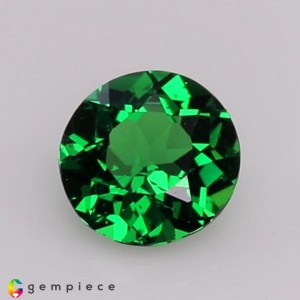
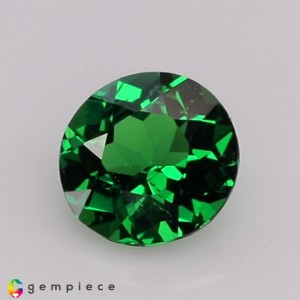
SKU: GEM24013304
With a Chrome Green hue, this Tsavorite Garnet reflects strong color depth and natural vibrancy. A reliable gemstone choice for regular use. A globally recognized gemstone with steady presence in the jewelry industry. Weighing 0.41 carats, this Tsavorite Garnet is cut in Round, displaying a Chrome G..
$164.00


SKU: GEM23123298
With a Green hue, this Demantoid Garnet shows an even color spread with a natural appearance. Its natural formation ensures consistent quality across the stone. A gemstone with strong international appeal, suitable for various jewelry uses. This 1.74 carat Demantoid Garnet in Oval displays a Green t..
$329.00
SKU: GEM23123294
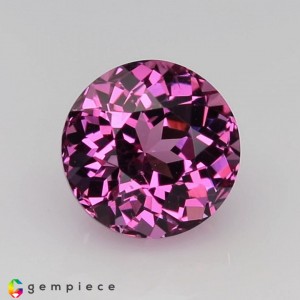
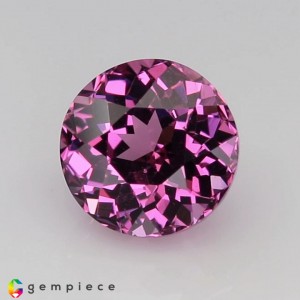
This Malaya Garnet gemstone shows a Purple color well suited for fine jewelry. Balanced color and clarity support its everyday suitability. Used globally in jewelry, reflecting its broad demand. A Round cut Malaya Garnet weighing 1.34 carats displays a Purple tone with clarity VVS and origin Tanzani..
$98.00
SKU: GEM23123287
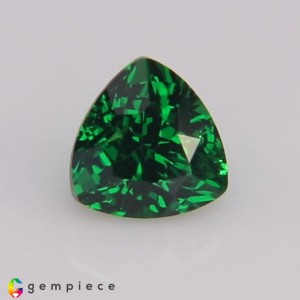
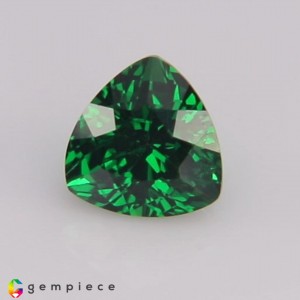
A well-proportioned Tsavorite Garnet like this one does not need an elaborate design to look complete. The relationship between color and clarity feels balanced, so neither one overwhelms the other. This Trilliant cut Tsavorite Garnet weighs 0.48 carats and reveals a Chrome Green hue with VVS clarit..
$164.00